

Key Takeaways
- Connected operations: Restaurant tech is entering a new phase of connected ecosystems, where ordering, POS, and operations rely on a single real-time data source.
- Predictive intelligence: AI-driven insights are becoming central to restaurant industry technology trends, helping operators forecast demand, refine menus, and improve marketing accuracy.
- Conversational commerce: Conversational ordering channels such as voice and chat continue to gain traction, reflecting broader restaurant tech trends toward low-effort, digital-first workflows.
- Computer vision: Camera-based inspection tools are beginning to help restaurants spot food quality, portion, and packaging issues earlier in the food preparation process.
- Smart self-service: Contactless dining and self-service table flows are now core expectations, not optional enhancements, especially in urban and high-volume settings.
- Automated back-of-house: Smart kitchen automation and BOH optimization are expanding as restaurants seek stability amid labor costs and staff turnover.
- Hyperlocal logistics: Hyperlocal delivery models with real-time visibility are becoming more common, improving speed, communication, and customer satisfaction.
- Data-led sustainability: Sustainability tools are emerging as a new performance layer, helping restaurants understand waste patterns and protect margin through better planning.
- Connected equipment: IoT-enabled kitchen equipment is giving teams real-time visibility into temperatures, energy use, and maintenance risks, adding another layer of operational efficiency.
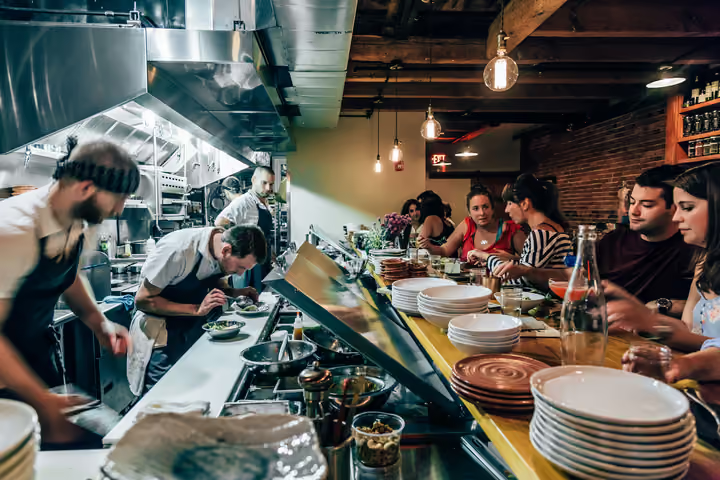
In the 2020s, it’s quite the norm for technology to sit at the center of restaurant operations. Orders appear on kitchen display screens before servers even turn away from a table.
Digital menus put popular dishes front and center, enabling customers to see them right away while browsing on any device. Inventory updates in real time, so the moment an item sells out, it disappears from every ordering channel.
But the pace of change is accelerating. As customer expectations rise and margins tighten, the tools you choose will directly affect service accuracy, speed, and profitability.
The good news? You don’t need to adopt every new feature that enters the market. What you need is a clear view of the technologies gaining real momentum and the ones helping restaurants like yours remove friction from daily workflows.
In this blog post, we explore the biggest restaurant technology trends shaping 2027. But first, let’s start with the basics:
What Is Restaurant Technology?
Restaurant technology is a set of digital tools that manage how orders are received, processed in the kitchen, and completed for customers. Used well, it enables restaurants to connect those workflows without adding unnecessary manual steps.
It includes online ordering platforms, POS platforms, kitchen displays, payment processing tools, menu, inventory, and pricing management systems, staff schedulers, demand forecasting engines, loyalty systems, and multi-channel analytics dashboards.
Why Does Staying Updated with Restaurant Technology Trends in 2027 Matter?
Three advantages stand out:
1. Spot operational pressure earlier
Emerging trends highlight bottlenecks – delivery delays, labor shortages, and supply inconsistencies. When you recognize these patterns early, you can adjust processes and update tools before they affect your day-to-day.
2. Understand how ordering behavior is changing
Customers don’t announce that their habits have changed quietly. They just start ordering more on rainy days, browsing on mobile first, or preferring contactless everything. Staying aware of these shifts helps you keep your digital experience current and easy to use.
3. Choose technology that delivers real value
Not every new feature or platform makes a difference, and the essential tools will vary by restaurant.
Restaurant technology trends help you separate short-lived ideas from tools that genuinely improve speed, accuracy, and operational control. This keeps your investments focused on achieving long-term performance.
That still does not make every technology investment a no brainer. The useful question is whether a tool solves a real problem, helps reduce costs, or creates measurable value for the restaurant business.
What Are the Key Restaurant Technology Trends in 2027?
Here are nine technologies likely to have a significant impact on the food industry in the coming months:
1. Unified online ordering, POS system, and digital menu boards
There’s no surprise that the integration between Front of House (FOH) tools, such as online ordering interfaces and Back of House (BOH) systems, including POS, Kitchen Display System (KDS), and payment processors, has tightened significantly in the past few years.
As one restaurant owner on Reddit puts it:
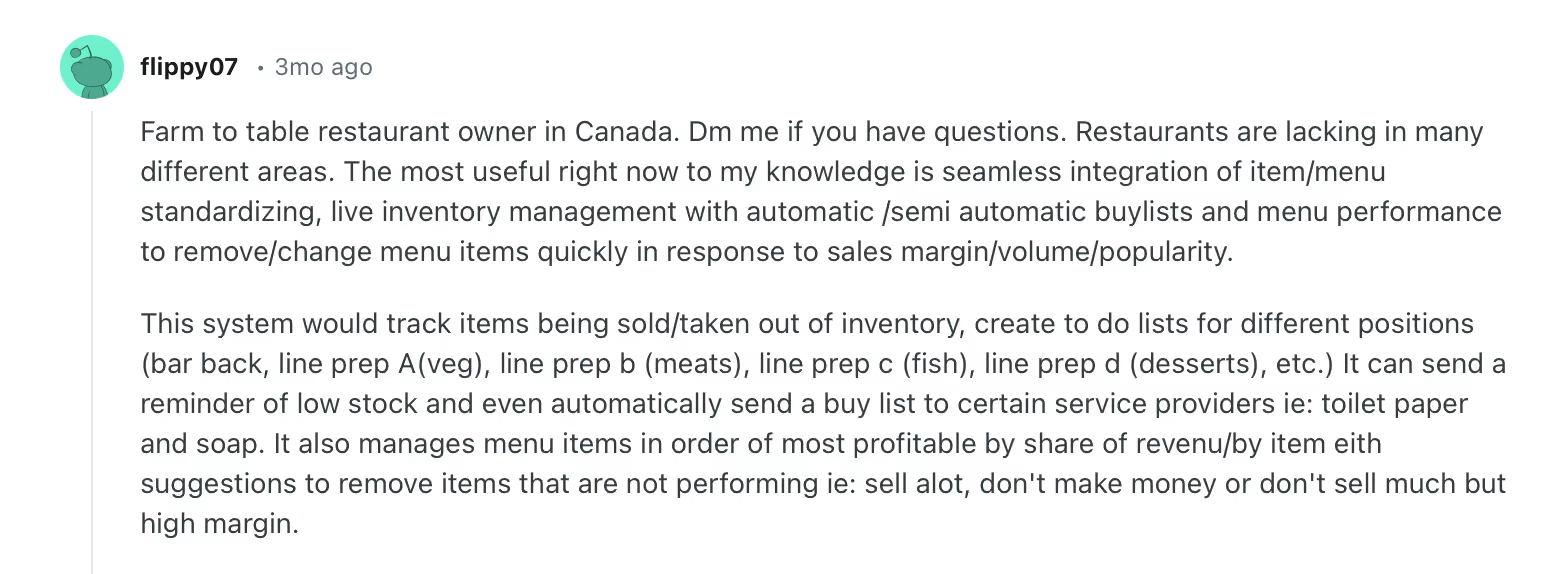
And there’s research to back it up: the restaurant POS terminals market is expected to exceed $62.67 billion, expanding at a CAGR of 9.5% during the forecast period 2026-2035.
Restaurants are moving toward connected platforms like Restolabs, where:
- Delivery orders flow straight into the kitchen queue with accurate prep times and real-time item availability
- In-dining operations rely on the same menu and pricing data, keeping servers, kiosks, and QR menus consistent
- Marketing and SEO campaigns target customers using verified order history
- Loyalty programs use the same behavioral data that powers analytics
That level of alignment helps you maintain accuracy during busy periods and makes your ordering experience more reliable, eliminating the need for separate dashboards, manual updates, and disconnected workflows.
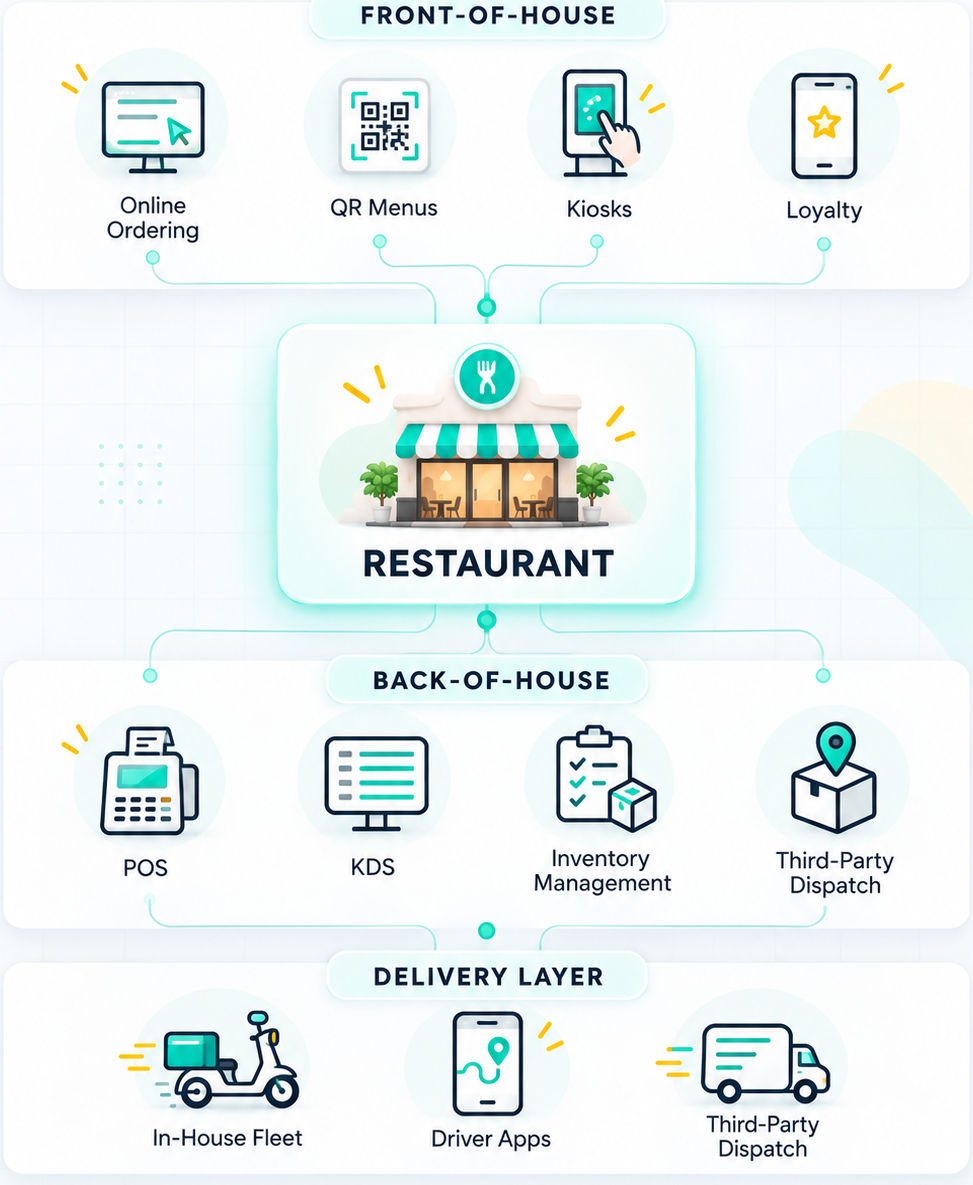
For 2027, the question isn’t how many integrations you have, but whether the data running between them is useful in real time.
When customer data, sales data, CRM systems, inventory, and reporting are connected across multiple locations, you can:
- Improve data management
- Track sales more consistently
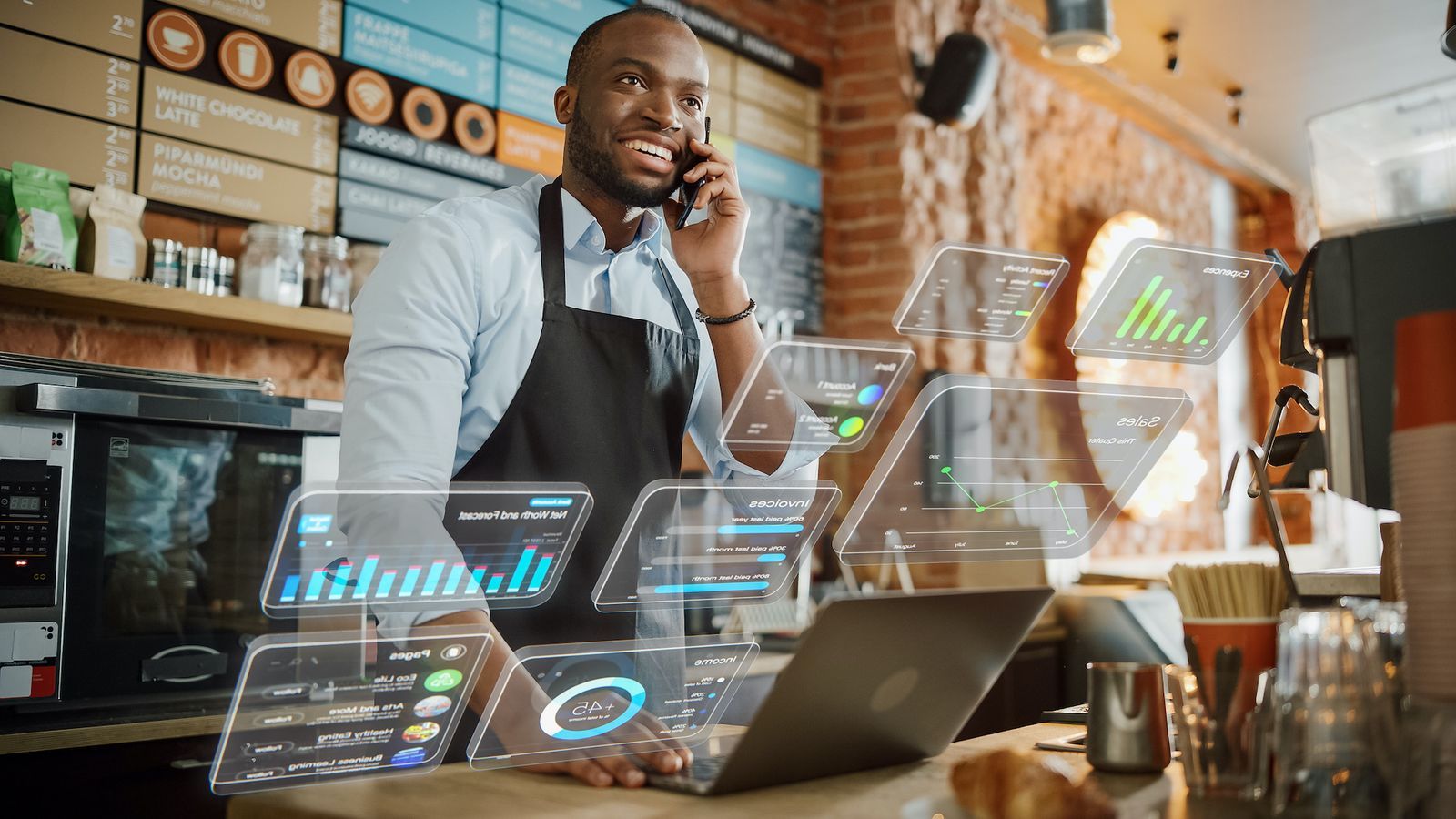
- Make decisions from one shared operational view rather than stitching reports together later
2. AI-powered personalization, predictive insights, and loyalty program intelligence
AI is beginning to play a more practical role in how restaurants interpret their customer behavior. In fact, 82% of restaurant executives plan to increase their AI investment in the near future, reflecting its growing operational value.
As digital ordering, loyalty programs, and online menus generate richer datasets, software providers are embedding AI capabilities that surface patterns restaurants might otherwise miss. This makes it easier to understand:
- Which menu items resonate with specific segments
- When demand is likely to spike or soften
- Which customers are likely to reorder
- Which promotions increase margin
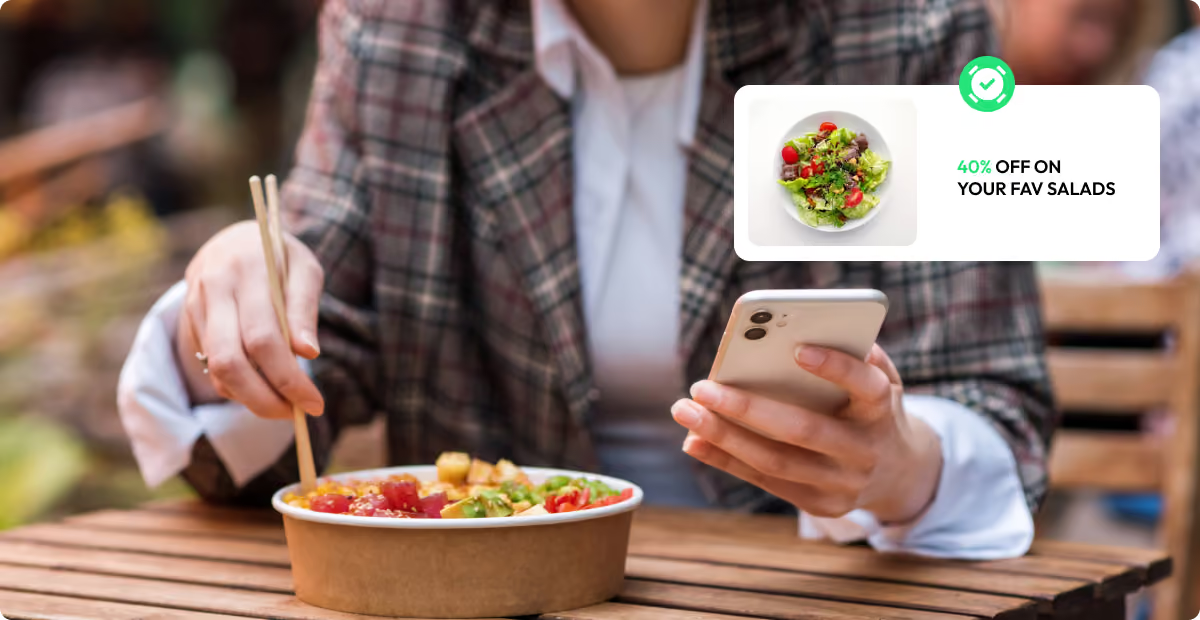
These insights, in turn, help you strengthen marketing allocation, minimize unnecessary spend, and improve the relevance of customer outreach, especially when you know 52% of consumers participate in restaurant loyalty programs.
A high-profile example is McDonald’s, which has, since 2024, deployed new deep-learning models that combine loyalty tiers, weather patterns, traffic data, and real-time store conditions to optimize menus and promotions across drive-thru and mobile channels.
This system replaced earlier personalization tools and now supports micro-segmented bundles, pricing, and recommendations. The approach has increased average check size by 7% and improved attach rates for desserts and add-ons.
In 2027, Artificial Intelligence (AI) is starting to go from insight to action. Agentic AI systems can understand context, plan a workflow, connect to external tools and data, and carry out approved steps toward a goal.
For restaurants, that could eventually mean going from “demand is likely to rise tomorrow” to a system that recommends the next inventory, staffing, or campaign action based on the same signal.
That matters because richer guest profiles can connect loyalty activity, order history, and customer preferences to more relevant outreach that supports repeat business and revenue.
3. High tech voice, chat, and conversational ordering
Messaging is overtaking phone calls as a primary communication channel for restaurants, with customer interactions on messaging platforms growing more than 30% year over year.
As a result, they’re now receiving order requests through short text exchanges and simple voice instructions.
But do you know what?
This has been in the making for a very long time.
Domino’s AI voice assistant Dom, which began as a small pilot years ago, has become a standard part of its phone-ordering workflow across many US stores, managing high-volume phone traffic and routing orders through the digital system.
Uber Eats’ voice ordering has grown past its earlier Google Assistant integration into a native voice experience launched in 2024. Customers can initiate and complete hands-free orders within Uber’s app, making voice another fully supported entry point in the off-premise journey.
To enable efficient conversational ordering, your digital menu needs clear item names, structured modifiers, and accurate availability so automated workflows can reliably act on interpreted requests.
You also need to implement automated confirmations, status updates, and reorder shortcuts to maintain accuracy and remove manual back-and-forth, especially during peak periods.
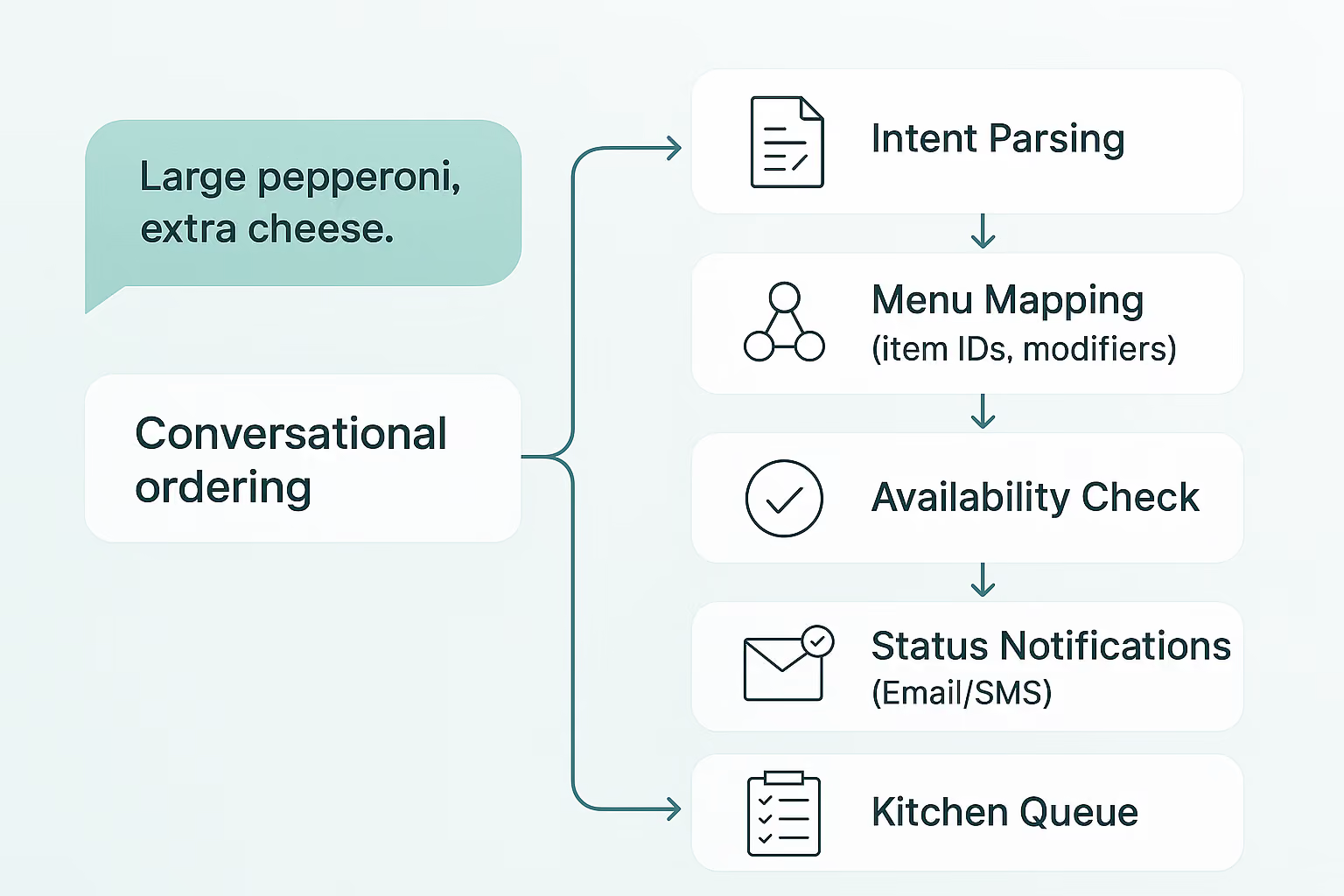
These channels work exceptionally well for repeat customers who already know what they want and prefer quick, low-effort ordering. What changes for 2027 is how much context these systems can handle.
Newer conversational AI can move beyond recognizing a basic order to managing follow-up questions, modifiers, substitutions, and upsell prompts within the same interaction, which makes the experience feel closer to speaking with a capable order taker than issuing a sequence of commands.
AI-powered order assistants can suggest add-ons based on previous purchases.
4. Computer vision for food quality, safety, and throughput
Computer vision brings a different kind of intelligence into the restaurant: the ability to turn what a camera sees into operational data.
In a kitchen or packing area, that can mean checking whether a prepared meal is complete, whether portions look inconsistent, or whether something has entered the package that should not be there.
A 2026 study published in Sensors tested a vision-based inspection system for boxed meals and used deep-learning models to detect missing items, insufficient portions, and foreign objects. Under the study conditions, the system achieved a 97.76% defective-image detection rate.
For restaurants, computer vision can support quality checks, food safety monitoring, queue observation, portion consistency, and order handoff accuracy without asking kitchen staff to manually record every event.
That makes it different from the automation in the previous section. Kitchen automation performs or coordinates work. Computer vision observes what’s happening and converts it into information your team can act on.
For high-volume restaurants, that extra layer of visibility could become particularly useful where speed and food quality need to stay consistent at the same time.
5. Contactless payment and self-service for the full service front of house
Restaurants deploying end-to-end mobile dining flows, where table identification, order placement, and payment are handled on the customer’s device, report shorter guest dwell time and smoother turnover during rush hours.
These flows reduce your reliance on paper menus, limit server walk-backs, and accelerate payment throughput. In many cases, tablet-based systems see higher check totals and more add-ons by simplifying how customers trigger desserts, sides, and upgrades.
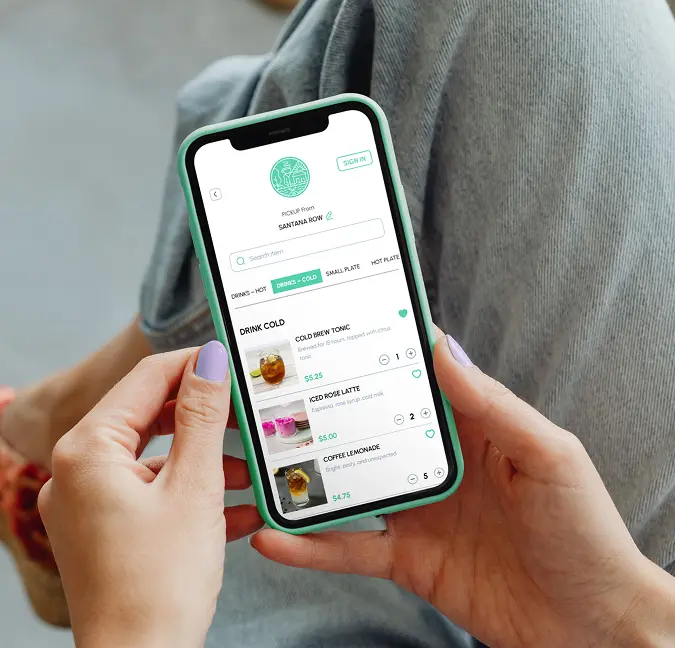
What’s more, mobile wallets now account for more than 40% of dine-in payments in many urban markets, which means your customers can enjoy a clean, branded mobile ordering and payment experience.
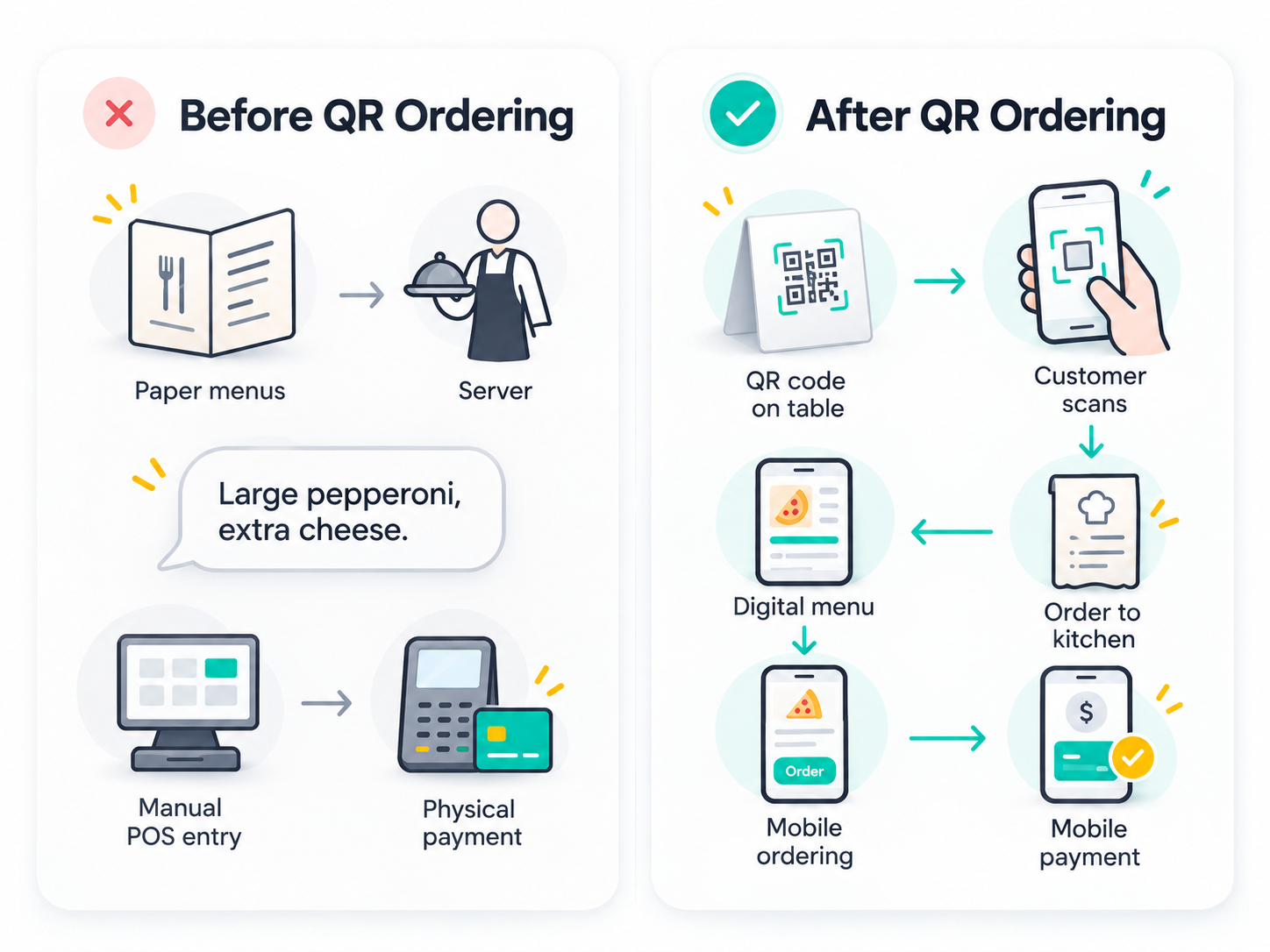
The next step is connecting more of the dining journey around that same low-friction flow.
Restaurant reservations and an online reservation system can feed table management before guests arrive, while mobile payments and wallets such as Apple Pay can shorten checkout at the end.
The useful part is continuity: fewer disconnected handoffs between reservations, ordering, table status, and payment.
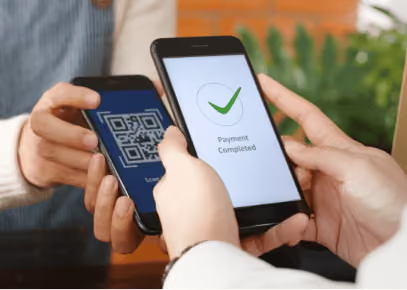
Integrated digital wallets and QR code payments offer faster secure transactions. Self-order kiosks increase average order value with upsell prompts.
The impact is clearer than ever – faster service, fewer payment errors, and stronger satisfaction.
6. Kitchen display systems and kitchen staff automation
Labor cost inflation and staff turnover remain critical challenges for restaurants even in 2027. At the same time, kitchen automation is graduating from isolated pilots to full operational use.
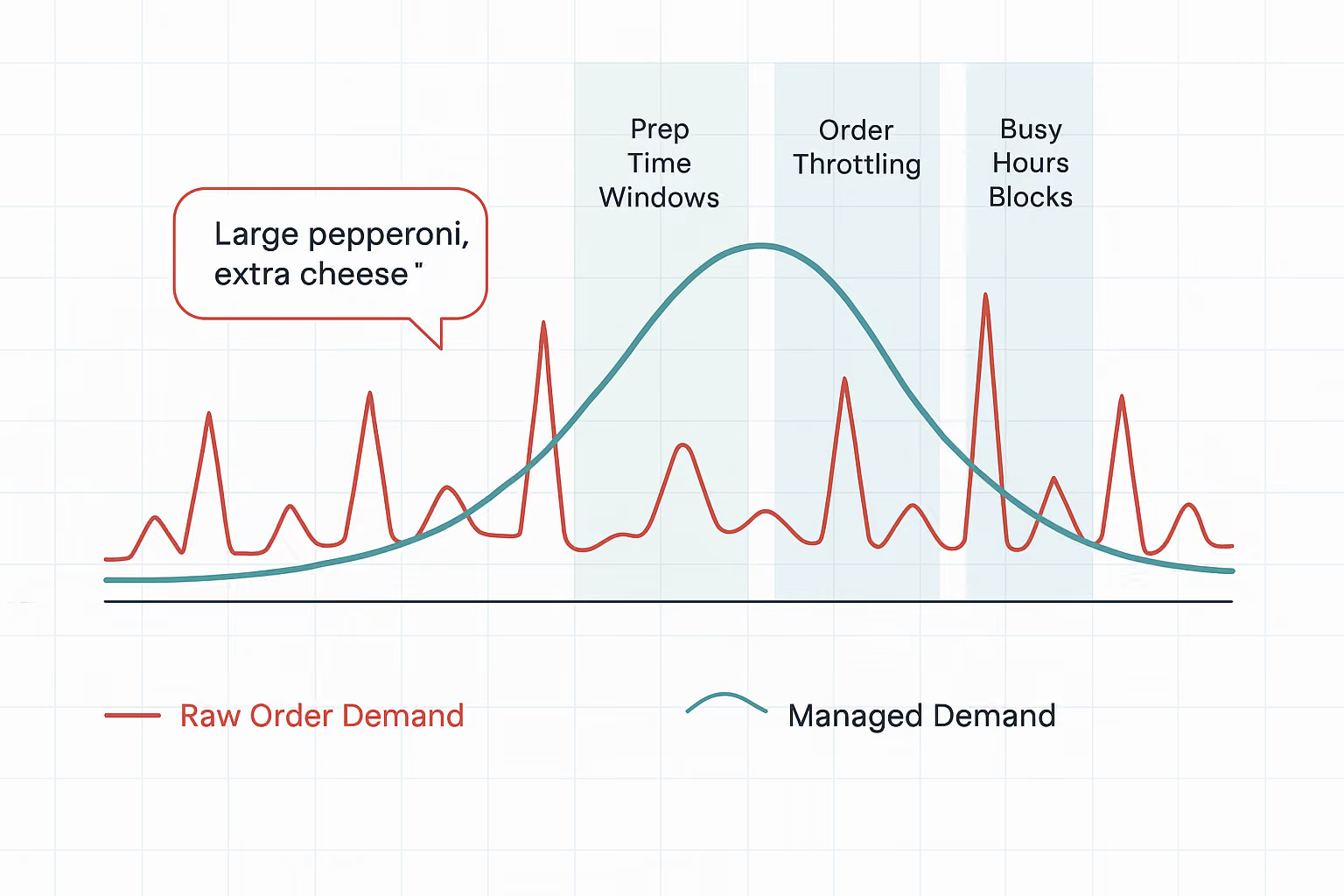
Industry data shows that restaurants adopting predictive kitchen scheduling and order-flow throttling report measurable reductions in food waste and stronger on-time service performance.
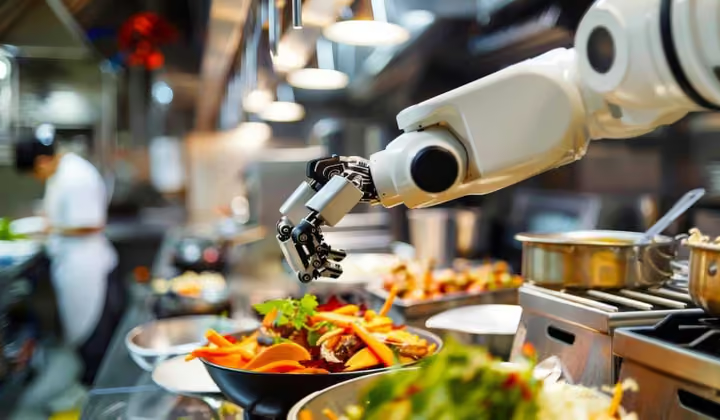
A clear example of trend shift comes from Miso Robotics’ smaller, faster-to-install version of its Flippy fry station, which began pilot testing at White Castle in late 2024. It has since expanded to Jack in the Box.
The new model installs in a few hours, about 75% less time than earlier versions, and fits more easily into existing kitchens, lowering disruption and remodel costs. Flippy can process 100 baskets per hour and enables labor redeployment to higher-value tasks.
For restaurants like yours, kitchen automation spans two areas from a broader operational standpoint:
- Physical systems that execute repetitive or high-volume tasks
- Software that aligns incoming orders with real kitchen capacity to prevent overload during demand spikes
What you get out of this is less kitchen chaos, quality inconsistencies, and improved service reliability during the busiest periods.
For 2027, the software side is becoming more responsive to what is happening in the kitchen in real time.
Deloitte points to demand sensing that can combine cameras, connected devices, and other IoT inputs to inform next-best-action workforce direction.
That gives kitchen staff another way to adjust food preparation, pacing, and labor before a rush turns into a bottleneck, while reducing the room for avoidable human error.
7. Hyperlocal delivery and real-time visibility
Rising commission fees and inconsistent fulfillment quality are pushing many restaurants to reclaim delivery operations. This trend is most prominent in dense urban areas, where delivery windows are shorter and third-party delays directly affect customer satisfaction.
Hyperlocal delivery platforms make this possible by providing real-time maps, live driver locations, and automated route sequencing. Restaurants using these systems often see fewer missed handoffs, shorter delivery cycles, and better customer communication.
Real-time visibility shows you when each order leaves the kitchen, where drivers currently are, and which routes are slowing down as traffic patterns change throughout the day.
This level of transparency supports faster interventions. You can reassign drivers, redistribute order loads, adjust prep pacing, or proactively notify customers when conditions begin to change.
The 2027 evolution is that the same visibility layer may have to coordinate more than one type of delivery resource.
Human couriers, in-house fleets, third-party partners, and autonomous last-mile robots are beginning to coexist in the broader delivery ecosystem.
So, the value of real-time routing and tracking increasingly lies in helping restaurants manage a multimodal network rather than a single driver pool. On top of that, 8 out of 10 delivery customers prefer using smartphone apps.
8. Margin-driven sustainability and waste intelligence
Sustainability is becoming a margin priority rather than a branding exercise. Rising ingredient costs and supply fluctuations are pushing restaurants to adopt tools that track waste, monitor usage, and improve production planning.
Just a few years ago, surplus food was valued at $382 billion, equal to 1.4% of US GDP, underscoring the financial impact’s significance. Unfortunately, foodservice accounts for a significant share of that loss.
Restaurants generate 17.2% of the country’s surplus food, much of it preventable with better visibility and stricter controls.
The same research also indicates that employee-driven waste tracking minimizes waste by 50%–70% at the point of impact, giving you clearer insight into prep errors, overproduction, and spoilage before they affect margins.
Technology, particularly AI-enabled waste-tracking systems, inventory monitors, and demand-forecasting tools, helps you understand how much waste occurs, when it happens, and which ingredients drive the most loss.
With that information, you can right-size prep, adjust recipes, and refine purchasing with more precision. The operational payoff is clearer workflows, steadier costs, and less volatility during peak periods.
From 2027, it will be all about leveraging data to prevent the next batch of waste as AI-powered predictive analytics can reduce waste by 30-50%.
According to ReFED’s 2026 research, foodservice AI is starting to coach kitchen teams on how much to prepare, where overproduction is happening, and what to change before the same loss repeats.
9. Connected equipment, IoT, and predictive management software
The other technology layer to watch in 2027 is the equipment itself.
Refrigerators, ovens, fryers, holding equipment, and temperature sensors can increasingly feed operating data into connected systems rather than functioning as isolated pieces of hardware.
IoT sensors can monitor refrigerator temperatures and energy use in real time. That gives restaurants a much earlier view of problems. A refrigeration alert can flag an unsafe temperature before it becomes a food quality issue.
Equipment data can also help identify unusual performance, support automated food-safety records, and show when maintenance may be needed before a failure interrupts service.
The same smart-kitchen research points to IoT devices, artificial intelligence, robotics, and continuous monitoring as part of a broader move toward safer, more efficient professional kitchens.
For restaurant owners like yourself, that can support cost control, reduce surprise downtime, protect food quality, and create more predictable maintenance routines.
Enter the Future of Restaurant Tech With Restolabs by Your Side
If there’s one theme that emerged from every trend in this report, it’s this: the restaurants that will “taste” success in 2027 will be the ones that choose their technology intentionally.
Not by chasing every new feature, but by grounding decisions in what your customers expect, what your team needs, and where you want your business to go. After all, 55% of restaurant operators plan tech investments to improve service.
Because the reality is simple: the industry is moving quickly. You don’t have the luxury of waiting years to update your systems. But you also don’t have to overhaul everything at once.
Therefore, start with the places where better tools remove friction, reduce overwhelm, or unlock time for your team. Build from there. Learn as you go. And stay focused on the few changes that matter most.
Restolabs is designed with that philosophy in mind: a flexible, integration-ready platform that helps restaurants modernize at their own pace.
Whether you’re optimizing workflows, upgrading the customer experience, or preparing for your next growth chapter, you don’t have to navigate that future alone.
See how Restolabs helps future-ready restaurants run smarter. Book a demo today.

Asavari drives content development at Restolabs. With over a decade of experience partnering with fast paced technology and marketing teams, she turns complex product and industry details into clear, meaningful communication for restaurant partners.
Frequently Asked Questions
AI helps restaurants understand patterns that are often hard to see in day-to-day operations. It analyzes customer behavior, order timing, menu performance, and location-level trends to highlight what’s working and what needs attention. Many teams use it to forecast demand, refine promotions, adjust prep plans, or personalize digital experiences.
Successful adoption starts with choosing and implementing tools that solve real operational needs in a phased manner. Most restaurants begin with one or two areas where they feel the most friction, such as ordering accuracy, menu maintenance, or delivery coordination. From there, they add integrations that keep systems consistent across channels.
Costs vary depending on the systems you choose. But most restaurants see them as an investment that pays back through improved efficiency, fewer errors, and better customer retention. Cloud platforms reduce the need for heavy hardware, while modular tools let you adopt only what you need. Many teams spread upgrades across quarters to keep budgets in control.
Technology affects customer satisfaction by making the dining and ordering experience more predictable and easier to navigate. When menus are accurate, wait times are clear, payments work smoothly, and orders arrive as expected, customers feel more confident and taken care of. These small moments add up to a more dependable experience, which is what most customers value when choosing where to eat.
Data security starts with choosing providers that follow strong encryption and access-control practices. Most platforms like Restolabs include safeguards that protect customer information, payment data, and operational details behind secure logins and permission settings. You can also limit access to sensitive information and keep software up to date.





.webp)

.svg)
.webp)