
Key Takeaways
- Fast food is a smaller direct-ordering segment at about 4% of Restolabs platform volume.
- Fast food orders are pickup and dine-in led, with 60.1% pickup plus dine-in and 39.9% delivery.
- Friday is the highest ordering day for fast food, while Monday is the lowest.
- Dinner from 5:30 to 8:30 PM is the main fast food ordering peak, with lunch from 11 AM to 1 PM as a strong secondary window.
- Operators can use these patterns to prioritize Friday dinner staffing, protect pickup accuracy, and use Monday for retention offers or menu testing.
What fast food online ordering statistics actually show
Fast food online ordering statistics reveal a small but distinct segment inside direct-ordering platforms, with pickup leading, dinner concentrated, and demand peaking sharply on Fridays.
The category is not the whole quick-service world, and it does not behave like every segment around it. According to our data from the Restolabs 2026 Online Ordering Behaviour Report, the Fast Food cuisine band sits at roughly 4% of total platform volume. That is a niche slice, not a headline number, and it should be treated as a planning signal rather than an industry-wide forecast.
The underlying consumer demand is real, though. Escoffier reports that 63% of Americans order fast food for takeout or delivery, making it the top off-premise segment by consumer frequency. High consumer interest paired with a smaller direct-ordering share means the segment deserves its own read rather than being folded into general quick service trends.
Is fast food pickup-first or delivery-first?
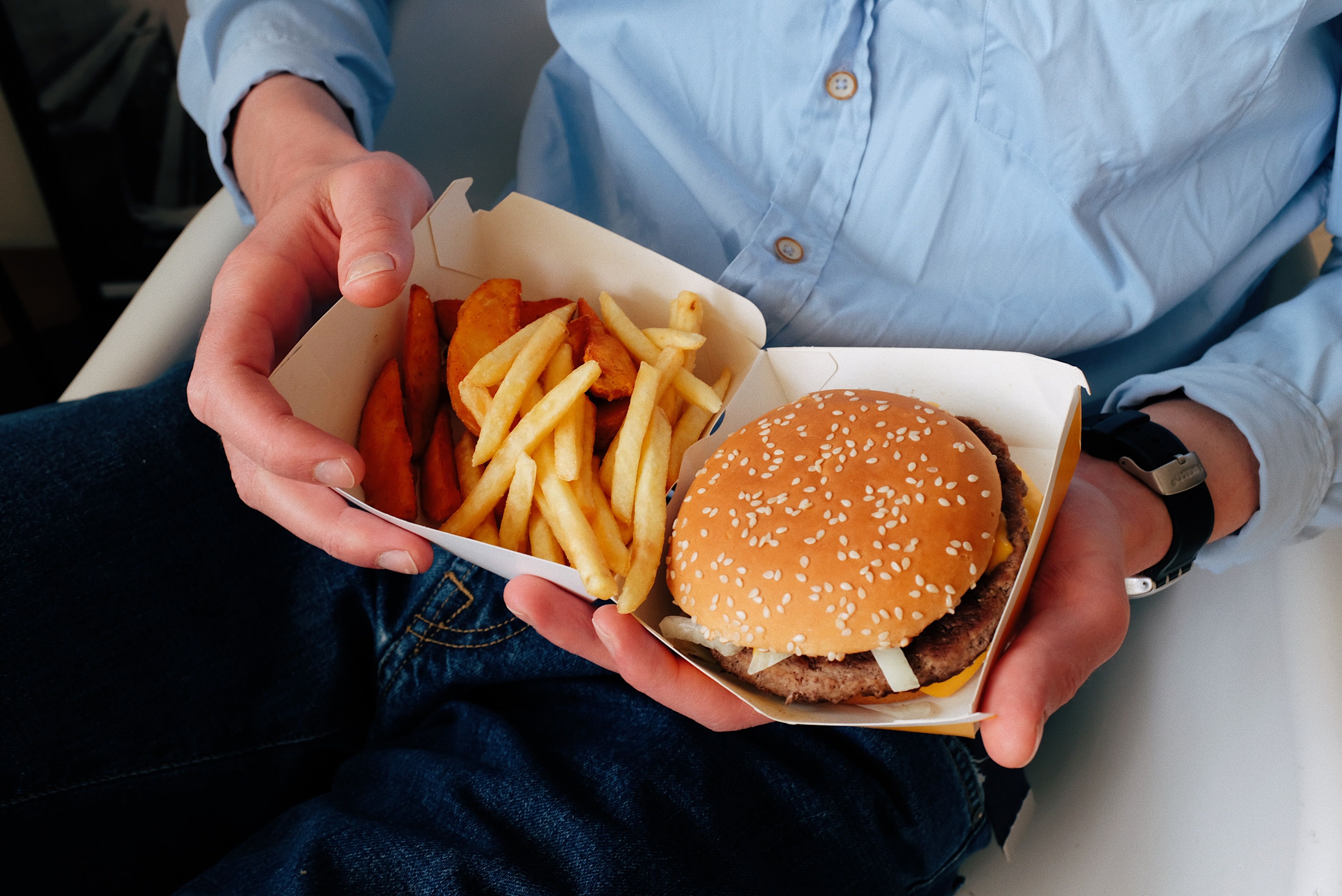
Fast food is pickup-first, not delivery-first. Pickup and dine-in lead the segment, which changes how operators should think about speed, prep timing, and checkout flow.
The common assumption is that fast food runs on delivery volume. The order data points the other way. Fast food customers prioritize speed, and picking up a bag almost always beats waiting on a courier for a value-priced meal. That preference shows up clearly across our platform.
According to our data, pickup and dine-in represent 60.1% of fast food orders, while delivery accounts for 39.9%. Consumer research lines up with that split. Escoffier found that 65% of consumers pick up takeout orders themselves versus 35% who rely on delivery. Civic Science reports that 53% of U.S. adults who buy fast food rank drive-throughs as their top channel preference.
A pickup-first ordering flow fits fast food better than a delivery-first setup. That means fast slot selection, accurate ready times, and a checkout that does not slow the customer down.
When do fast food orders peak?
Fast food orders peak on Friday, with Monday the weakest day. Dinner from 5:30 to 8:30 PM is the main daypart, and lunch from 11 AM to 1 PM is a strong secondary window.
Rather than flattening everything into a vague busy period, it helps to see the demand shape and staff against it. According to our data, Friday is the highest ordering day and Monday is the lowest. The full week ranks roughly: Friday first, then Thursday and Saturday close behind, then Wednesday and Tuesday, then Sunday, then Monday at the bottom.
The daypart picture is equally clear. Dinner from 5:30 to 8:30 PM carries the main peak. Lunch from 11 AM to 1 PM holds a real secondary spike worth staffing for. Late-night ordering from 9 to 11 PM skews delivery-heavy and belongs more to pizza than to fast food.
Zooming out explains why direct pickup timing matters so much. The National Restaurant Association reports that nearly 75% of U.S. restaurant traffic is now off-premises. When most orders leave the building, ready-time accuracy is not a nice-to-have; it is the whole customer experience.
How fast food fits beside QSR and fast casual
Fast food is the smaller slice here, and it behaves differently from broader quick service and fast casual once a customer starts ordering online. Use its data as a control signal for channel planning, not a universal rule.
The three categories get grouped together because they share a speed-and-value reputation. The operating decisions diverge fast once orders start coming in. When pickup dominates, you plan for slot accuracy. When delivery weighs more, you plan for courier handoff. When peak demand compresses into short windows, you plan throughput. Those are not the same problem, and applying the wrong playbook wastes prep time and staff hours.
According to our data, Fast Food is about 4% of platform volume while pizza sits at roughly 29%. That contrast alone confirms fast food and pizza do not share a demand shape, especially at night. For the broader lens, the quick service comparison covers more mixed channel behavior, and the fast casual segment gives a separate benchmark for a model that leans harder on digital revenue. World Metrics notes that online channels contribute 15 to 20% of total revenue for many fast-casual operators, a different picture than the pickup-led fast food band.
What these patterns mean for staffing and promotions
These patterns mean Friday dinner gets the most staffing attention, lunch supports a secondary burst, and Monday works better for retention offers than peak acquisition pushes.
Fast food demand is predictable enough to schedule against. Put the strongest crew on Friday between 5:30 and 8:30 PM, protect pickup accuracy in that window, and keep a smaller lunch team ready from 11 AM to 1 PM. That is not a calendar every restaurant must copy. It is what the segment's timing suggests for kitchens built around fast fulfillment.
Promotions follow the same logic in reverse. Monday is the quiet day, which makes it a better slot for win-back campaigns or low-risk menu testing than for chasing brand-new customers. Weekend and midweek dinners can carry the acquisition weight instead.
The channel that sits underneath all of this matters too. With 63% of Americans ordering fast food off-premise per Escoffier, and pickup leading in our platform data, aligning order timing, prep pacing, and promo cadence to a pickup-first reality produces better results than treating pickup, delivery, and dine-in as one undifferentiated channel.
How Restolabs supports fast food online ordering
Fast food runs on pickup-first demand and tight daypart windows. That puts real weight on a clean ordering experience. When most orders leave the counter in a bag, the ready-time promise and the checkout flow become the customer experience, full stop.
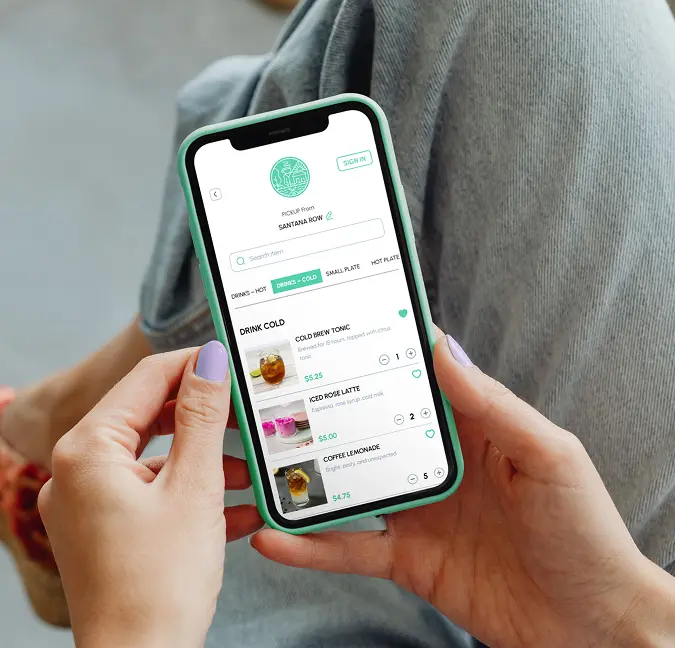
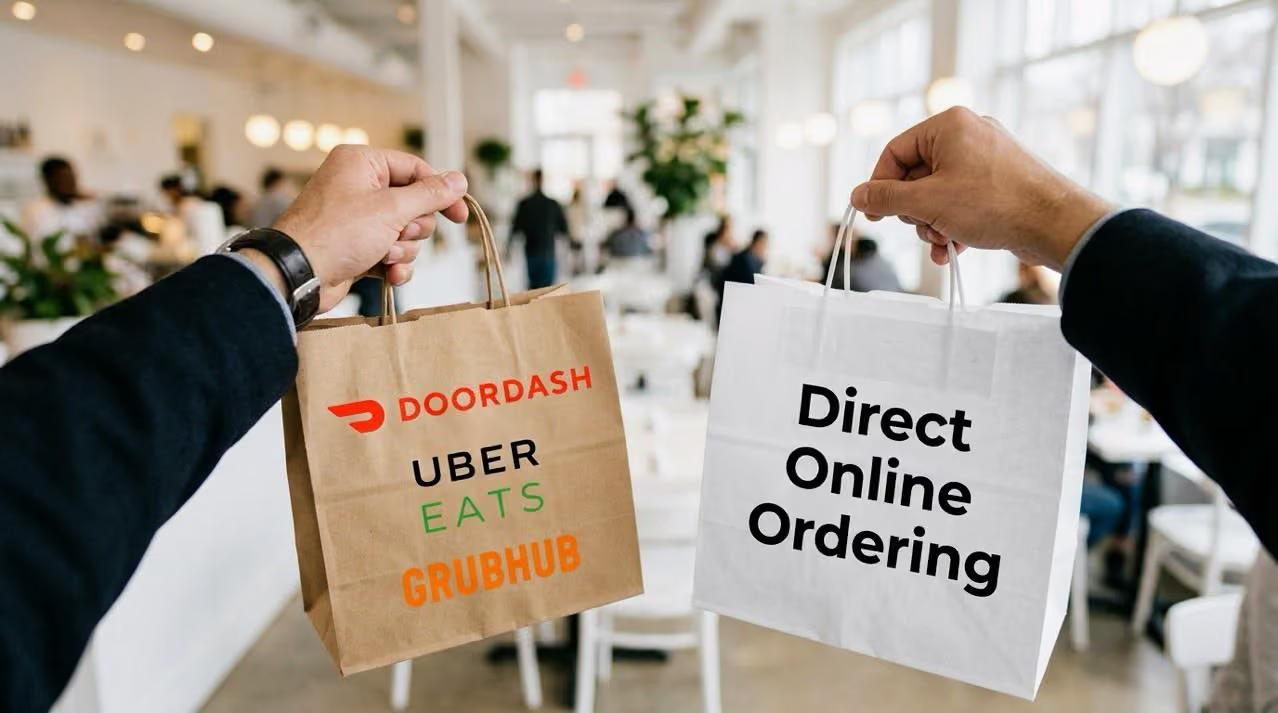
Restolabs gives operators direct online ordering with time-slot control, so a kitchen can throttle the Friday dinner rush and keep pickup accurate instead of flooding the line. Because orders come in directly, the restaurant keeps customer data and skips marketplace commissions on that volume.
For fast food teams that want pickup timing, daypart control, and clean order flow in one place, that direct ownership is the practical advantage.
Ready to take back your online ordering? Book a Demo

Sruthi Sekar specializes in brand strategy, growth, and user experience in the hospitality industry. As the driving force behind Restolabs, she helps restaurants harness technology to scale and thrive. With a background in design, branding, and entrepreneurship, she brings a sharp focus on crafting digital experiences that drive real business impact.
Frequently Asked Questions
They measure how customers place fast food orders across channels, when demand spikes during the day and week, and whether pickup, dine-in, or delivery leads for the segment.
In our data, fast food is pickup and dine-in led, not delivery-first. Pickup and dine-in account for 60.1% of orders versus 39.9% for delivery.
Friday is the top day. Dinner from 5:30 to 8:30 PM is the main peak across the week.
Yes. Lunch from 11 AM to 1 PM is a strong secondary window and should be staffed and promoted accordingly.
Fast food is a narrower segment with its own ordering pattern. QSR and fast casual are broader lenses that include more mixed channel behavior and, in the case of fast casual, stronger digital revenue potential.
Our data shows fast food is about 4% of platform volume, making it a distinct but smaller ordering band within a much larger direct-ordering picture.
It helps them plan pickup timing, schedule staff around peak windows, and use slower days like Monday for retention rather than acquisition pushes.






.webp)

.svg)
.webp)