

Key Takeaways
- Loyalty drives long-term revenue: Repeat customers spend more, cost less to retain, and strengthen brand advocacy.
- Fragmented systems weaken loyalty: Disjointed tools lead to inconsistent service, generic offers, and poor customer insights.
- Small experience fixes make a big impact: Reducing wait times, keeping menus accurate, and personalizing interactions boost repeat visits.
- Tech enables consistency and personalization: Centralized data, real-time updates, and analytics help restaurants deliver smooth, tailored experiences.
- Restolabs powers branded, flexible loyalty: Points, promos, gift cards, push notifications, and unified customer profiles all work together to grow repeat business.
- Engagement must continue beyond the meal: Post-visit messages, social touchpoints, and exclusive perks keep customers connected and coming back.
In this day and age, the real challenge for restaurant owners isn’t getting customers through the door once, but motivating them to return because they truly want to.
Sure, coupons, happy hour specials, and points might bring them back temporarily. However, margins shrink and customers eventually chase better deals. That’s where having a loyalty program can make all the difference.
This guide outlines 10 proven strategies to increase restaurant customer loyalty in 2026. You’ll also see how an online ordering system like Restolabs helps you turn repeat customers into long-term advocates.
Why Customer Loyalty Matters for Restaurants
Customer loyalty is the difference between a one-time sale and steady revenue. In a business with tight margins and strong competition, repeat customers are what keep restaurants stable across seasons.
According to the 2024 Paytronix Loyalty Trends Report, top-performing restaurants now see up to 37% of all transactions coming from loyalty members. This happens because loyal customers:
- Visit more often
- Spend more per visit
- Cost less to retain than to acquire new customers.
Loyal customers also act as brand advocates. They leave positive reviews, recommend your restaurant, and are more willing to try new menu items. Loyalty creates predictability too, helping you forecast demand and plan resources.
Common Loyalty Challenges Restaurants Face
The goal is simple: Keep customers coming back. But achieving this can be trickier. Here’s why loyalty efforts often miss the mark:
- Fragmented Systems: Ordering, payments, and promotions are often handled by different tools. As a result, customer data becomes fragmented. Teams can’t track who’s ordering, what they prefer, or how often they return.
- Limited Personalization: Customers expect personalized experiences, but most programs offer generic discounts. They often miss the opportunity to use data to provide more relevant recommendations.
- Inconsistent Service: Delays in order processing or inaccurate menus across delivery channels can quickly break trust.
- Lack of Measurement: Without clear metrics, it’s difficult to tell if loyalty initiatives are actually improving retention or simply increasing costs.
Fixing Customer Loyalty Barriers: Key Areas That Shape the Customer Experience
Here are five areas where small improvements can create outsized loyalty and repeat business.
1. Poor customer service and long wait times
Customers expect fast and friendly service.
A 2024 Deloitte report revealed that 63% of them prefer self-service options to avoid waiting. So if your restaurant struggles with high turnover and staffing shortages, it leads to long wait times and inconsistent service.
For example, McDonald’s saw improvements in service speed after implementing self-order kiosks, allowing staff to focus on delivering personalized experiences instead of inputting orders.
In case installing kiosks isn’t a financially favorable investment for you, implement QR-code ordering to reduce wait times. Customers can order directly from their phones, making the process simple and efficient.
2. Inconsistent quality across touchpoints
Customers expect the same experience whether they dine in, order pickup, or get delivery. But many restaurants use separate tools for online ordering, delivery, menu updates, and in-store operations.
Because these systems don’t talk to each other, things fall apart quickly:
- menus show the wrong items or prices,
- delivery partners receive outdated info,
- customers order items that just sold out,
- kitchens get incorrect tickets.
Miscommunication or outdated menu information also leads to dissatisfied customers and tarnished loyalty.
The Restaurant Technology Landscape Report 2024 found that 76% of restaurant owners believe using technology gives them a competitive edge in staying consistent.
3. Generic customer interactions
Without a system to track customer preferences, it’s nearly impossible to offer a personalized experience. This makes it hard to build lasting relationships with customers who expect more than just a generic interaction.
For example, Sweetgreen uses data to personalize customer orders and send tailored offers, increasing repeat visits. Leverage tools to track preferences and personalize every interaction, whether through customized recommendations or targeted offers.
4. No follow-up after meals
A Forrester blog post revealed that customers are most receptive to personalized experiences after making a purchase. But once they leave the restaurant, engagement usually drops or is almost nonexistent.
Without a plan for continuous communication, you miss valuable chances to foster loyalty and keep your brand in customers' minds.
Restaurants like Taco Bell have adopted SMS and email marketing campaigns to re-engage customers after their visit. This suggests that personalized follow-up messages are well-received and effective.
Also read: Master Restaurant Email Marketing: Proven Tips & Strategies to Boost Sales
5. Missing feedback loops and customer insights
Many restaurants lack an efficient way to gather and act on customer feedback. Without this data, it’s hard to pinpoint areas for improvement. Yelp and OpenTable provide real-time feedback to restaurants, helping them address customer concerns instantly.
Implementing Loyalty Strategies to Increase Customer Loyalty
The strategies below show how to reward, engage, and connect with customers long after their first visit.
1. Reward and retain through loyalty programs
Loyalty programs often fall short when they rely on basic discounts or punch cards, which don’t create lasting connections with customers. To make them work, focus on personal relevance and clear value:
- Offer tiered rewards that increase with engagement. Communicate the benefits clearly so customers understand what’s in it for them.
- Start simple with rewards that are easy to earn (e.g., a free drink after three visits).
- Create milestones, like a free meal after a certain number of orders, to keep customers engaged.
- Promote the program at key touchpoints, such as during checkout or via the app.
Start small, track engagement, and adjust based on customer behavior. Personalization and clear communication are essential for building long-term loyalty.
Restolabs in Action: Restolabs is a restaurant loyalty software that lets customers buy, send, and redeem digital gift cards directly through your website or mobile app. You can create one-off offers, time-based deals, or adjust your program anytime from your dashboard.
Bonus read: Best Restaurant Loyalty Software for Customer Retention
2. Adopt technology for improved customer experiences
Integrate technology into every step of the restaurant experience. Here’s how to do that:
a. Streamline ordering
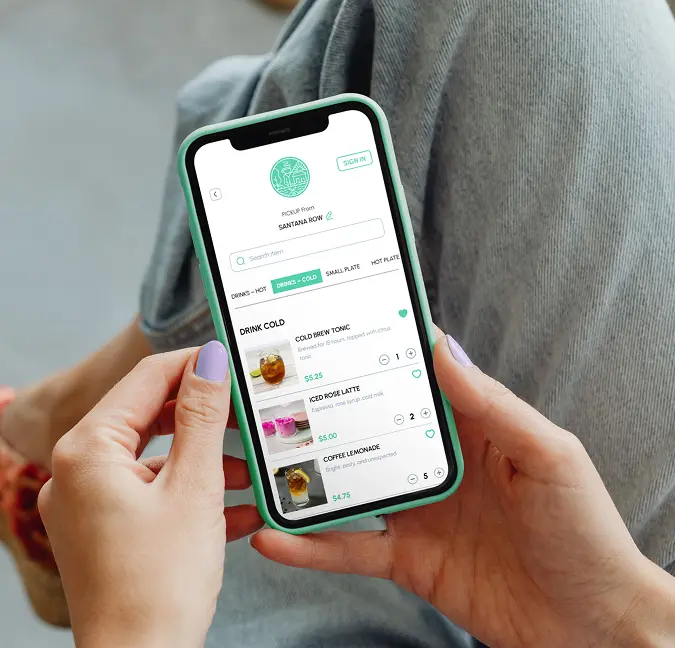
Use QR-code ordering or self-service kiosks to cut wait times and reduce errors. For example, on Restolabs, orders coming from QR codes, mobile devices, or the restaurant’s branded site all funnel into a single, streamlined dashboard.
Staff no longer flip between screens or platforms; they simply manage a continuous flow of orders with clarity.
They can adjust items on the fly, update customers instantly when something runs out, print order tickets with one click, or separate pre-orders from immediate orders so the kitchen never mis-prioritizes.
b. Personalize experiences
Use customer data to offer tailored promotions, boosting loyalty and engagement.
With Restolabs, you can control more than the menu. You can shape how your brand communicates in the exact moments that matter. The label editor lets you change on-screen messages, colors, and prompts in real time.
If you’re out of an item, adjusting prep time, or pausing orders temporarily, you can tell customers in your own voice instead of relying on generic system messages.
These quick adjustments help eliminate confusion and make the ordering experience feel polished and intentional, even when things change behind the scenes.
c. Leverage real-time analytics
Track customer behavior and service metrics to optimize operations and improve satisfaction.
Restolabs in Action: You can see which items drive the highest repeat purchases, identify your most loyal guests, track order trends by time of day, and monitor how promotions impact sales. These insights help you optimize prep times, staffing, menu availability, and loyalty rewards based on actual customer behavior rather than guesswork.
3. Drive customer engagement beyond the table
Engagement doesn’t stop once the meal is over. Keeping customers connected with your restaurant through digital channels can drive repeat business.
- Post-meal engagement: Use email and SMS to send personalized offers, birthday discounts, or reminders about upcoming events.
- Social media interaction: Encourage customers to share their experiences and reward them with points or exclusive offers for social posts or reviews.
- Loyalty program reminders: Remind them about unused rewards or points, encouraging them to return and redeem benefits.
4. Partner with local events or charities
Customers value restaurants that care beyond the plate. Partner with local events, charities, or schools to host fundraisers or community nights. For example, a restaurant could donate a percentage of sales from a “Local Heroes Night” to a neighborhood cause.
This builds goodwill, strengthens brand image, and encourages customers to support your restaurant as part of a shared community experience.
5. Offer exclusive membership perks
Create a VIP club or members-only experience to get early access to new menu items or special tasting events.
For instance, send loyal customers an invite to preview a new seasonal menu before it launches publicly to make them feel valued and deepen their emotional connection to your restaurant.
How to Measure Customer Loyalty in a Restaurant
Even strong loyalty ideas can stall if a restaurant never checks what happens after the first visit. A packed weekend feels promising, but loyalty shows up later—when guests reorder on a quiet Tuesday, redeem an offer without friction, or respond to a follow-up instead of ignoring it. Tracking those patterns turns loyalty from a guess into an operating signal.
The most useful indicators are usually simple. Repeat order frequency, time between visits, offer redemption behavior, feedback trends, and direct ordering adoption all reveal whether guests are building a habit or drifting away. When one channel keeps bringing guests back while another leaks them after a single purchase, the next move becomes easier to see.
That visibility matters because loyalty grows in small moments, not broad assumptions. Restolabs helps restaurants keep ownership of customer data through direct online ordering, making it easier to spot return behavior and act on it with less delay. Restaurants that want a clearer view of what keeps guests coming back can Book a Demo.
Examples of Successful Loyalty Implementation
Tailored loyalty programs can increase restaurant customer loyalty remarkably when they align with customer expectations and use data intelligently. Here are three examples:
- Starbucks: Their loyalty program accounts for 40% of sales in the US. Their app offers a seamless experience, letting customers earn stars with each purchase, redeem rewards, and receive personalized offers, which boosts loyalty and spend.
- Panera Bread: They saw a 50% increase in membership sign-ups after enhancing their rewards program with immediate perks like free bakery items for new members.
- Chipotle: Their Rewards Program encourages repeat visits by offering free birthday meals and exclusive offers. A 2024 QSR Magazine study revealed a 25% increase in repeat visits after the brand introduced tailored rewards.
How Restolabs Increases Restaurant Customer Loyalty
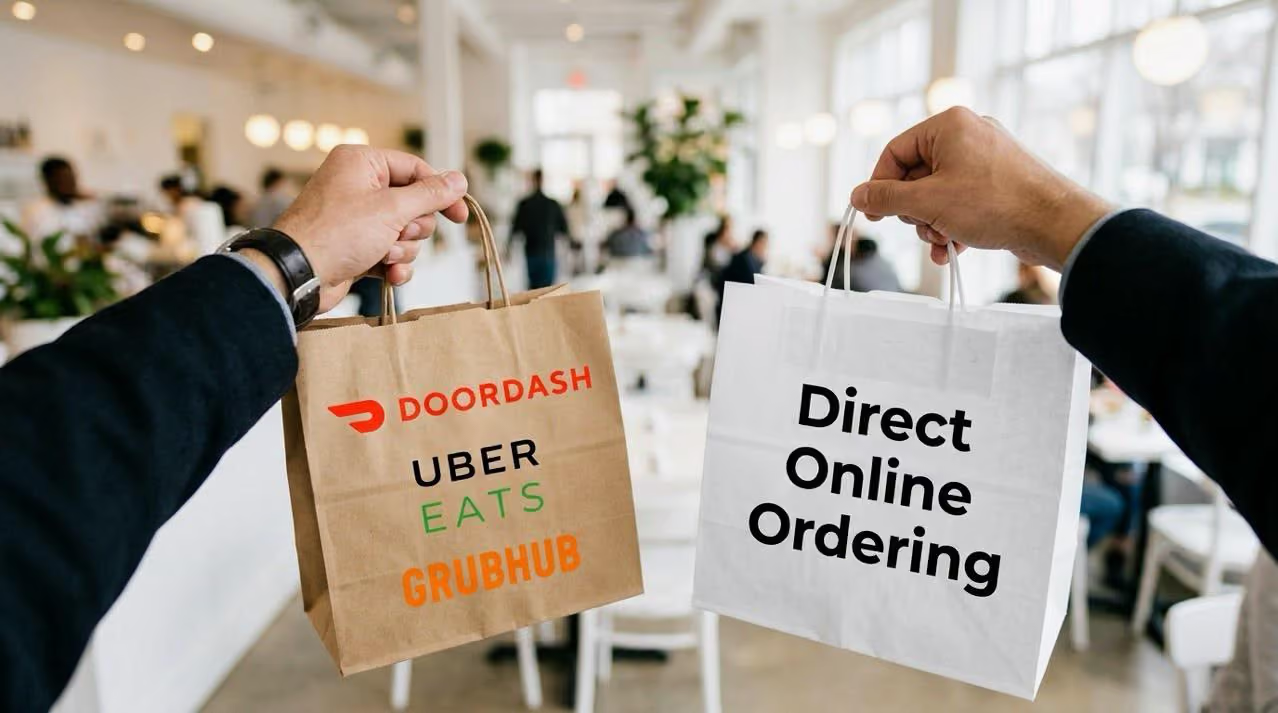
Third-party apps dilute your brand and keep customer data for themselves. Restolabs keeps loyalty where it belongs with your restaurant.
No competing branding.
No algorithm controlling who sees your offers.
Just a fully white-labeled program that strengthens your customer relationships.
Restolabs helps you turn repeat customers into loyal advocates by connecting your ordering system, customer data, and loyalty tools into one cohesive workflow. Instead of managing promotions and rewards across multiple platforms, everything happens automatically inside the ordering experience.
You can reward customers at checkout, personalize offers based on their history, and view complete profiles, including spend patterns and visit frequency, without jumping between dashboards.
Restolabs also makes it easy to run automated campaigns, such as birthday rewards or milestone offers, and send them through email, SMS, or app notifications.
And the best part? If you need setting up, the Restolabs team handles everything: menu uploads, loyalty setup, branding, testing, and launch. You focus on the food; they handle the tech. Schedule a demo today!

Sruthi Sekar specializes in brand strategy, growth, and user experience in the hospitality industry. As the driving force behind Restolabs, she helps restaurants harness technology to scale and thrive. With a background in design, branding, and entrepreneurship, she brings a sharp focus on crafting digital experiences that drive real business impact.
Frequently Asked Questions
Customer loyalty in restaurants refers to a customer’s repeated patronage due to a positive experience. It’s driven by factors like service quality, consistency, and rewards programs, which encourage customers to return and spend more over time.
Measure loyalty through key metrics like repeat visit frequency, reward redemption rates, and customer satisfaction surveys. Restolabs provides built-in analytics to track these metrics, giving you valuable insights into program effectiveness.
Increase retention by offering personalized loyalty programs, engaging customers through targeted rewards, maintaining high service standards, and staying connected through email or SMS promotions. Tools like Restolabs can help streamline these efforts.






.webp)

.svg)
.webp)