
Key Takeaways
- American restaurants hold about 7% of platform volume with a stronger-than-average basket size.
- Pickup matters more than delivery for American concepts: our data shows roughly 55% of orders are pickup, and platform-wide pickup plus dine-in already reaches 60.1%.
- Friday dinner is the busiest operating window, so staffing and prep should match that peak rather than lean on broad weekly averages.
- Direct orders protect more margin than third-party delivery apps, especially when delivery fees average $2.26 and repeat customers already drive most orders.
How does American cuisine behave in online ordering?
American cuisine is a mid-volume category that earns attention because baskets run larger than average and the fulfillment mix leans toward pickup rather than delivery.
If you run an American concept, the headline number is not the order count. It is what each order is worth. According to our data from the Restolabs 2026 Online Ordering Behaviour Report, American cuisine sits at about 7% of total platform volume. That share is large enough to track as its own segment, but small enough that mix, not raw traffic, is where the real story lives.
Here is the part that changes decisions. American cuisine averages $50+ AOV and lands at +28% versus the platform average. So while the category is not the loudest by volume, it pulls above its weight on revenue per order. That combination, moderate volume with a heavier basket, is exactly why American concepts deserve their own benchmark instead of getting folded into a generic restaurant number.
Off-premises ordering is now a core part of how people eat, not a side experiment. The National Restaurant Association reports that roughly 75% of U.S. restaurant traffic is off-premises, which is why order mix is worth managing deliberately.
One caution: a bigger basket does not mean this is a delivery-first category. The mix points the other way, toward pickup-friendly menus, simpler fulfillment, and tighter margin control.
Why does pickup-first economics matter more than delivery apps?
For American restaurants, pickup is not a side channel. It is the clearest path to better margins, less fee pressure, and more control over the guest experience.
When a category leans pickup, the whole cost structure shifts. There is no courier fee eating into the ticket, no handoff you cannot see, and no third party sitting between you and the customer who ordered. Our data puts American concepts at roughly 55% pickup, which means more than half of these orders already run through the channel that keeps the most money in-house.
Zoom out and the pattern holds platform-wide. Pickup plus dine-in reaches 60.1% of all orders, with delivery at 39.9%. Direct fulfillment is not a rounding error here. It is structurally the larger side of the business.
Then there is the fee question. Delivery fees average $2.26 across our data, and that is before commissions layer on. A couple of dollars sounds small on a single ticket, but it compounds fast when the same customer orders again and again. Research from NCR Voyix finds that 58% of customers prefer ordering directly from a restaurant's own site or app, which tells you the demand for direct ordering is already there.
Most industry coverage frames the story around delivery growth. But order mix is more useful for an operator trying to hold margin. The point is not that delivery never matters. It is that American concepts should not overbuild around third-party apps when pickup already does most of the work.
When should American restaurants staff for demand peaks?
Friday dinner is the window that matters most. Build your staffing around that peak rather than a flat weekly average.
Look at demand shape before you touch the schedule. According to our data, Friday is the highest ordering day, followed by Thursday and Saturday. The week does not build evenly. It tilts hard toward the end, and your labor plan should tilt with it.
Inside those days, dinner does the heavy lifting. Our data shows dinner service peaks from 5:30 to 8:30 PM. That three-hour band is where accuracy and speed either win or cost you the next order. If the line is short-staffed during that window, tickets back up, pickup handoffs slow down, and mistakes creep in exactly when volume is highest.
Category matters here. Weekend mornings tend to belong to coffee and bakery concepts. American restaurants should not chase that pattern. Put your strongest shift on the Friday dinner line and staff prep to feed it.
What makes direct orders more valuable than third-party volume?
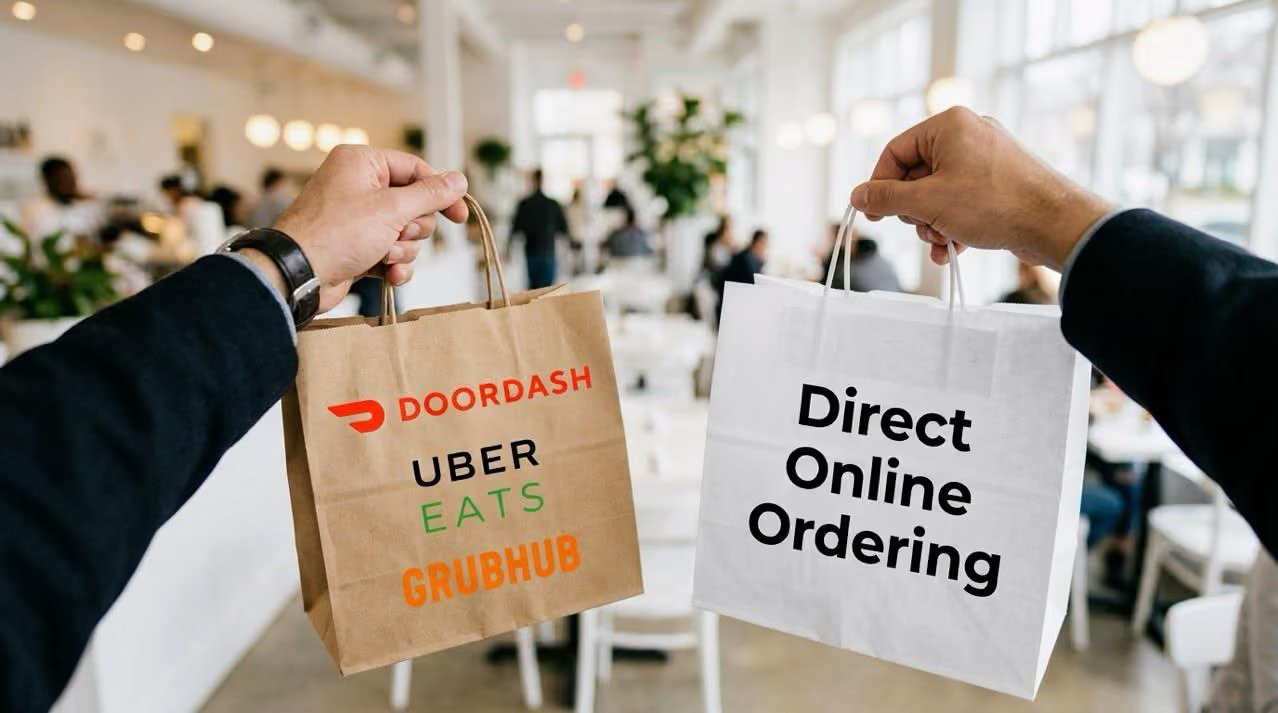
Direct orders keep more margin in-house, cut fee leakage, and preserve ownership of the customers you worked to earn. Not every order contributes equally once commissions enter the picture.
Volume and value are not the same thing. Two orders can look identical on the ticket and land very differently on your books once a third party takes its cut. That is the whole case for direct ordering: the money you already earned should stay with you.
Pair the fee with behavior and the math gets sharper. A $2.26 delivery fee on one order is easy to shrug off. But our data shows returning customers account for about 80% of orders, with a 38.2% repeat rate over six months. So this is not a one-time cost. It is a recurring toll on the customers who come back most, which is precisely the group you least want to hand to an intermediary.
For American operators working to protect margin on a $50+ basket, that math is the argument. When most of your revenue comes from people who reorder, owning the channel is not a convenience feature. It is a revenue system. Restolabs' guide on converting third-party customers to direct ordering walks through how operators make that shift without losing volume.
How do repeat customers shape revenue for American restaurants?
Repeat customers are the real engine behind American restaurant online ordering, because the reorder cycle is short and lifetime spend adds up quickly.
Start with how fast people come back. Our data shows a median of 8.9 days between repeat orders. That is not a monthly habit. It is closer to a weekly one, which means the window to earn the next order opens again almost as soon as the last one closes.
The lifetime figures make the stakes clear. Average customer lifetime spend is $123.79 across 3.2 orders. Each repeat customer is worth well over a hundred dollars, and most of that value depends on whether the second, third, and fourth orders actually happen.
That is where the ordering experience earns its keep. If checkout stalls, the pickup flow is confusing, or the menu is hard to read on a phone, the next order is easier to lose than it looks. With a reorder window of roughly nine days, friction does not just annoy a guest. It quietly resets the clock and pushes them toward whatever is easier. Treat online ordering as a repeat-revenue system, not a one-time acquisition channel, and the retention math starts working for you.
How does Restolabs help restaurants own online orders?
Owning the ordering channel is how American restaurants keep more of each $50+ basket, protect their customer data, and step out from under commission pressure. Restolabs provides a commission-free ordering system built for exactly that kind of control, so more of the order value stays in-house.
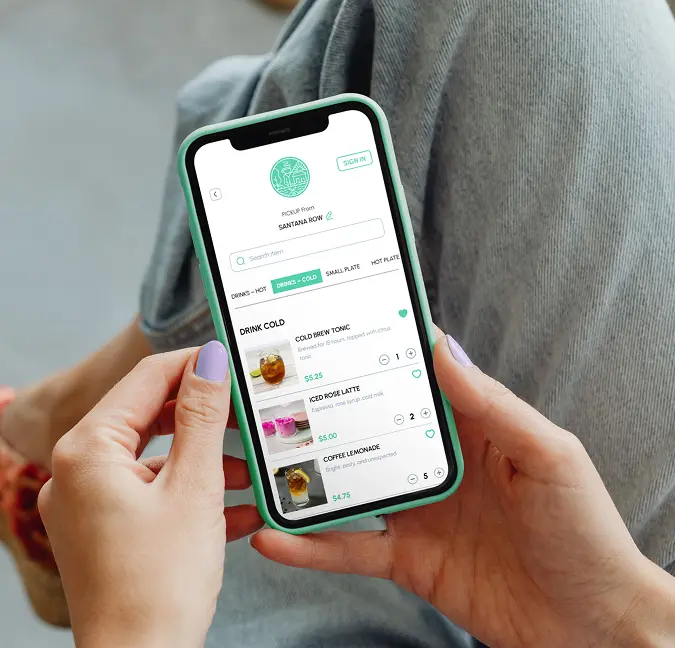
The setup is designed to be straightforward. Restolabs handles menu sharing, expert setup, and integrations for POS, delivery, and payments, so a pickup-first concept can run a clean checkout and fast handoff without stitching together tools. When most of your revenue comes from repeat customers who reorder every nine days or so, a simple, owned flow is what keeps them coming back to you instead of a third-party app.
Ready to take back your online ordering? Book a Demo

Sruthi Sekar specializes in brand strategy, growth, and user experience in the hospitality industry. As the driving force behind Restolabs, she helps restaurants harness technology to scale and thrive. With a background in design, branding, and entrepreneurship, she brings a sharp focus on crafting digital experiences that drive real business impact.
Frequently Asked Questions
They show a category with mid-level volume, stronger basket size, and a clear pickup-first shape.
Pickup-heavy. Our data puts American concepts at about 55% pickup, which is more pickup-oriented than delivery-native categories.
Friday is the highest ordering day in our data, and dinner from 5:30-8:30 PM is the busiest window, so staffing needs to follow the spike.
It means the category can produce healthy baskets, so order flow, checkout speed, and fulfillment quality matter just as much as traffic volume.
Direct orders usually protect more margin because they reduce fee pressure and help restaurants keep more of the order value in-house.
Our data shows about 80% of orders come from returning customers, with a 38.2% repeat rate over six months.
They can use them for menu planning, pickup staffing, Friday labor scheduling, and deciding how much to rely on delivery apps versus direct ordering.





.webp)

.svg)
.webp)