

.avif)
Key Takeaways
Optimizing Google Business Profile, service areas, and location-based keywords helps mobile businesses get discovered despite changing locations.
Accurate NAP details, reviews, and citations across directories strengthen local visibility and credibility.
Blogs, menus, FAQs, and location-based content allow food trucks to stay visible even when their physical location changes.
Fast-loading, mobile-friendly websites with tap-to-call and clear navigation directly impact customer discovery and conversions.
While results aren’t instant, consistent local SEO and content efforts lead to sustained traffic, footfall, and brand recall.
In today's competitive mobile food industry, having delicious food and an eye-catching truck isn't enough to guarantee success. Food truck owners face unique challenges in attracting customers due to their mobile nature and often limited marketing budgets. Search Engine Optimization (SEO) offers a cost-effective solution to increase visibility, attract more customers, and grow your food truck business. This comprehensive guide explores tailored SEO strategies that address the specific needs of food trucks, helping you stand out in a crowded marketplace and connect with hungry customers actively searching for your cuisine.
Understanding SEO Basics for Food Trucks
SEO (Search Engine Optimization) refers to the process of improving your online presence to increase visibility when people search for food options in your area. For food trucks, this is particularly important as your business model relies on customers finding you at different locations.
Unlike traditional restaurants with fixed addresses, food trucks face unique SEO challenges due to their mobility. When potential customers search for "food trucks near me" or specific cuisine types in their area, your business needs to appear in those results regardless of where you're parked that day.
The foundation of SEO for food trucks includes:
- Optimizing your online presence for local searches
- Creating mobile-friendly websites that load quickly
- Developing content that highlights your unique offerings
- Building a consistent NAP (Name, Address, Phone number) profile across platforms
- Leveraging social media to enhance visibility
Implementing these strategies doesn't require a large marketing budget, making SEO particularly valuable for food truck owners with limited resources but a desire to expand their customer base.
Local SEO Strategies for Food Trucks
Local SEO for food trucks is perhaps the most critical component of your digital marketing strategy. Since food trucks operate within specific geographic areas, optimizing for local search helps you connect with customers in your vicinity.
Google Business Profile Optimization
Your Google Business Profile (formerly Google My Business) serves as the cornerstone of your local SEO efforts:
- Create and verify your profile: Set up your profile as a service-area business rather than a fixed location.
- Regular updates: Use Google Posts to share your weekly schedule, special menu items, and current location.
- Photos and videos: Upload high-quality images of your truck, food, and happy customers.
- Encourage reviews: Positive reviews significantly impact your local search rankings.
- Respond to all reviews: Engage professionally with both positive and negative feedback.
Location-Based Keywords
Incorporate location-specific keywords throughout your online content:
- "Food truck in [neighborhood/city]"
- "[Cuisine type] food truck [location]"
- "Mobile [food type] near [landmark]"
For specialty food trucks, include niche-specific terms like "vegan food truck in Portland" or "gourmet taco truck Chicago" to attract your target audience.
Local Citations
Ensure your business information appears consistently across various online directories:
- Yelp
- TripAdvisor
- Food truck-specific platforms (e.g., Roaming Hunger, Street Food Finder)
- Local business directories
- Chamber of Commerce listings
Consistency in your business name, phone number, and website URL across all platforms strengthens your local SEO signals and helps search engines understand your business better.
Content Marketing for Food Trucks
Creating valuable content helps establish your food truck as an authority in your cuisine niche while attracting potential customers through search.
Website Content
Your website should include:
- Menu page: Detailed descriptions of your offerings with relevant keywords.
- Location page: Regular schedule updates and an embedded map.
- About page: Your story, mission, and what makes your food truck unique.
- FAQ section: Address common questions about your business.
Blog Content Ideas
Regular blog posts can significantly boost your SEO efforts:
- Behind-the-scenes looks at food preparation
- Recipes or cooking tips related to your cuisine
- Profiles of team members
- Stories about local ingredients or suppliers
- Coverage of events where your truck will be present
- Customer spotlights and testimonials
For gourmet food trucks, content that highlights your culinary expertise and unique ingredients can help differentiate you from competitors and attract food enthusiasts.
Location-Based Content
Create content specific to the areas you serve:
- Neighborhood guides featuring your regular parking spots
- Local event coverage where your truck will be present
- Collaborations with nearby businesses
- Community involvement and initiatives
Menu and Ordering Page SEO for Food Trucks
Searchers rarely stop at a brand name. They type what they want to eat, where they want it, and how quickly they can get it. That is why seo food truck work cannot end on the homepage. Menu pages, catering pages, and event booking pages need their own search signals, or high-intent visitors arrive and find only a generic overview.
A useful page reads like a decision point, not a flyer. It names signature items in plain language, explains where the truck serves, and makes next steps obvious with current hours, booking details, or ordering links. If the truck handles regular lunch service and private events, separate pages help search engines match the right page to the right query.
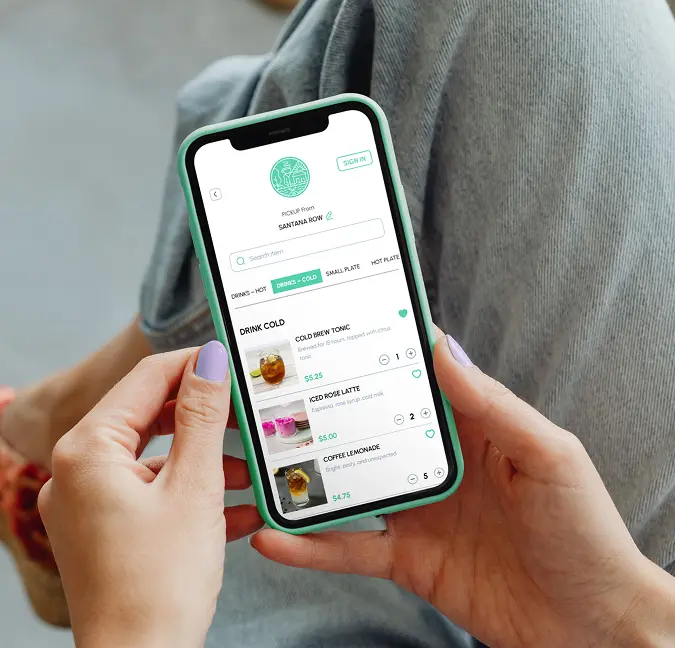
For operators who want search traffic to land on a direct, branded ordering experience, Restolabs provides a commission-free online ordering system for restaurants with menu sharing and flexible integrations. That setup makes it easier to connect discovery with action instead of sending hungry customers through extra steps. Book a Demo
Social Media Integration for Enhanced SEO
While social media signals don't directly impact search rankings, a strong social presence indirectly boosts your SEO efforts by:
- Increasing brand awareness and website traffic
- Providing platforms to announce location changes in real-time
- Creating opportunities for content sharing and backlinks
- Building community engagement that can lead to positive reviews
Effective Social Media Strategies
For food trucks, focus on these platforms:
- Instagram: Share visually appealing food photos, location updates, and behind-the-scenes content.
- Twitter: Post real-time location updates and engage with local community.
- Facebook: Create events for special locations, share menu updates, and build community.
- TikTok: Create engaging short-form videos showcasing your food preparation and truck atmosphere.
Consistently use relevant hashtags that include your location and cuisine type to increase discoverability. For example: #ChicagoFoodTruck #VeganStreetFood #DowntownLunchTruck
Link your social profiles to your website and Google Business Profile to create a cohesive online presence that strengthens your overall SEO strategy. This approach is particularly effective for accelerating your food truck's success.
Technical SEO Tips for Food Truck Websites
The technical aspects of your website significantly impact your search rankings and user experience.
Mobile Optimization
Since most customers will search for food trucks on mobile devices, your website must be:
- Responsive across all device sizes
- Quick to load (under 3 seconds ideally)
- Easy to navigate with thumb-friendly buttons
- Designed with tap-to-call functionality
Website Speed
Improve loading times by:
- Compressing images without sacrificing quality
- Minimizing HTTP requests
- Using browser caching
- Implementing a content delivery network (CDN)
Schema Markup
Implement structured data to help search engines understand your content better:
- LocalBusiness schema
- Menu schema
- Review schema
- Event schema for special locations or appearances
This technical optimization is particularly important for food truck builders and businesses looking to establish a strong online foundation from the start. Working with top SEO companies for food truck builders can help ensure your website is technically sound from launch.
URL Structure and Site Architecture
Create a logical, easy-to-navigate website structure:
- Use descriptive URLs (e.g., yourfoodtruck.com/menu rather than yourfoodtruck.com/page1)
- Implement clear navigation with main categories
- Ensure no page is more than three clicks from the homepage
- Include a site map to help search engines index your content
These technical elements create a solid foundation for your other SEO efforts and improve the overall user experience, which is crucial for building a compelling online presence.
Success Stories: Food Trucks Winning with SEO
Case Study 1: Urban Taco Truck
Urban Taco Truck in Seattle implemented a comprehensive local SEO strategy, focusing on neighborhood-specific keywords and regular Google Business Profile updates. Within six months, they saw:
- 150% increase in website traffic
- 200+ new Google reviews
- 35% growth in catering inquiries
- First-page rankings for "Seattle taco truck" and neighborhood-specific searches
Case Study 2: Green Machine Vegan Food Truck
This specialty food truck in Portland created content focused on their unique plant-based offerings and sustainable practices. Their strategy included:
- Weekly blog posts featuring vegan recipes and sustainability tips
- Partnerships with local farms for content and backlinks
- Optimization for niche keywords like "organic vegan food truck Portland"
Results included a 75% increase in organic search traffic and becoming the top-ranked vegan food option in multiple Portland neighborhoods.
Case Study 3: Gourmet Grilled Cheese Co.
This gourmet food truck in Chicago focused on technical SEO and social media integration:
- Implemented schema markup for their rotating menu
- Created location-specific landing pages for each neighborhood they served
- Developed an Instagram strategy showcasing their creative sandwiches
Their efforts resulted in a 90% increase in website visitors and consistent lines at their truck locations, demonstrating how restaurant SEO principles can be effectively adapted for mobile food businesses.
Taking Your Food Truck's SEO to the Next Level
Once you've implemented the basic strategies, consider these advanced techniques:
Voice Search Optimization
With more customers using voice assistants to find food options, optimize for conversational queries:
- Include question-based content (FAQs)
- Use natural language in your content
- Focus on long-tail keywords that match how people speak
Local Link Building
Earn backlinks from relevant local sources:
- Local food blogs and publications
- Event websites where you'll be vending
- Community organizations you support
- Local business associations
Email Marketing Integration
Use your growing email list to drive traffic to your optimized content:
- Share weekly location schedules
- Announce special menu items
- Distribute your blog content
This strategy not only increases website traffic but also builds customer loyalty, as outlined in our guide to email marketing tips that convert restaurant customers.
How to Measure SEO Performance for a Food Truck
Food truck SEO can look healthy on the surface and still miss the mark. More impressions mean little if they come from neighborhoods the truck never visits or from searches that never lead to orders. The clearer test is movement: which queries trigger visibility, which pages earn clicks, and which actions follow once someone lands on the site.
A simple reporting rhythm keeps the work grounded. Search Console shows what the truck appears for, while site analytics and conversion tracking show what visitors actually do next. When a catering page gains impressions but no inquiries, the problem is rarely more SEO. Usually, the page needs tighter intent matching, clearer copy, or a better next step.
Conclusion: Driving Success Through Strategic SEO
Implementing effective SEO strategies can significantly boost your food truck's visibility and customer base, driving growth and success in a competitive market. By focusing on local SEO, creating valuable content, maintaining technical excellence, and leveraging social media, food truck owners can build a strong online presence that translates to real-world customer visits.
Remember that SEO is a long-term strategy that requires consistency and patience. Start with the fundamentals, track your results, and continuously refine your approach based on what works best for your specific food truck business and target audience.
Ready to take your food truck's online presence to the next level? Book a Demo with Restolabs today to discover how our online ordering system can complement your SEO efforts and help convert your newfound visibility into increased sales and customer loyalty.

Sruthi Sekar specializes in brand strategy, growth, and user experience in the hospitality industry. As the driving force behind Restolabs, she helps restaurants harness technology to scale and thrive. With a background in design, branding, and entrepreneurship, she brings a sharp focus on crafting digital experiences that drive real business impact.
Frequently Asked Questions
Begin by claiming and optimizing your Google Business Profile, creating a mobile-friendly website with your menu and schedule, and ensuring your NAP (Name, Address, Phone number) information is consistent across all online platforms. These foundational steps will establish your online presence and make it easier for customers to find you. Next, focus on gathering positive reviews and creating location-specific content that highlights where your truck operates. For more guidance, check out our restaurant SEO tips that can be adapted for food trucks.
Local SEO helps your food truck appear in location-based searches when potential customers are looking for food options nearby. Since food trucks operate in specific geographic areas, local SEO ensures you're visible to the right audience at the right time. It helps overcome the challenge of mobility by establishing your service area rather than a fixed location, allowing you to appear in searches across neighborhoods where you operate. Effective local SEO can increase foot traffic, boost brand awareness in your service areas, and help you compete with established restaurants in local search results.
On-page SEO refers to optimization efforts you control directly on your website, including keyword usage, content quality, meta descriptions, image optimization, and site structure. For food trucks, this includes menu descriptions, location pages, and mobile optimization. Off-page SEO involves factors external to your website that impact your rankings, such as backlinks from other websites, social media presence, online reviews, and citations in directories. Both aspects are crucial for a comprehensive SEO strategy, with on-page elements establishing relevance and off-page factors building authority and trust.
Many food truck owners can implement basic SEO strategies themselves, especially if they're comfortable with technology and willing to learn. Start with claiming your Google Business Profile, creating quality content, and maintaining social media presence. As your business grows, you might consider hiring an SEO expert who specializes in the food industry to implement more advanced strategies and technical optimizations. The decision often depends on your budget, technical skills, available time, and growth goals. Even with professional help, understanding SEO basics will help you make informed decisions about your online presence.
SEO is a long-term strategy, and results typically aren't immediate. You may begin to see some improvements within 3-6 months, with more significant results appearing after 6-12 months of consistent effort. Local SEO for food trucks can sometimes show faster results, especially if you're in an area with less competition. Quick wins often come from Google Business Profile optimization and collecting customer reviews, while content creation and backlink building take longer to impact rankings. The key is consistency-regularly updating your content, location information, and engaging with your online community will yield the best long-term results.





.webp)

.svg)
.webp)