

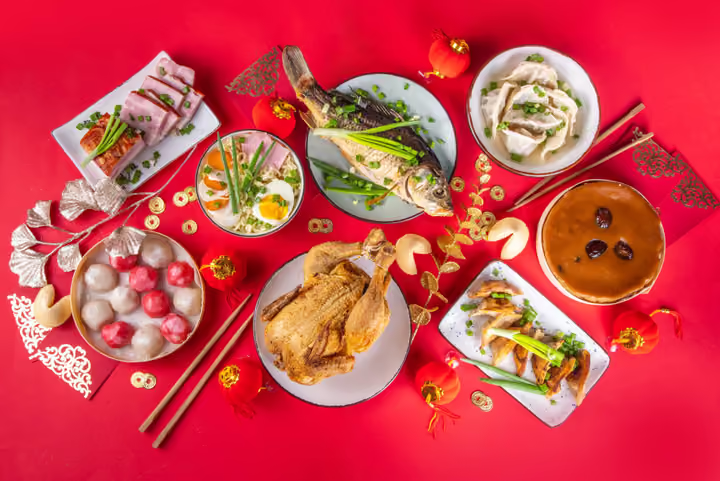
Key Takeaways
Lunar New Year drives increased traffic, premium spending, and family-style dining demand-especially during an otherwise slower season.
Auspicious dishes, celebratory set menus, and takeout banquets encourage larger group orders and higher per-head spending.
Cultural events, themed decor, workshops, and immersive experiences create memorable visits that drive word-of-mouth and social sharing.
Email, SMS, social media, online ordering pages, and influencer partnerships-started 4–8 weeks in advance-maximize reservations and pre-orders.
Promoting direct online ordering, rewarding loyal guests, and preparing staff and inventory helps convert holiday traffic into repeat customers.
Quick Answer: The most effective Chinese New Year restaurant promotion ideas combine a limited-time lucky foods menu, family-style takeout bundles, Lunar New Year events, festive decor, email/SMS campaigns, social media contests, and loyalty member perks — all launched through commission-free direct ordering channels to protect margin and capture first-party customer data.
Top 9 Chinese New Year restaurant promotion ideas at a glance:
- Launch a limited-time menu featuring lucky Chinese New Year foods
- Host signature Lunar New Year events (lion dances, dumpling workshops)
- Create family-style takeout packages for reunion dinners
- Roll out red-and-gold decor and festive ambience
- Run email and SMS campaigns for reservations, pre-orders, and loyalty offers
- Harness social media for engagement and visibility
- Offer exclusive loyalty member Lunar New Year dining deals
- Add themed drinks and beverage promotions
- Use margin-conscious discount and offer mechanics
Lunar New Year creates a rare kind of restaurant demand: families ordering in advance, groups looking for premium menus, and guests willing to spend more for a celebration that feels meaningful. The opportunity is real — but only if the restaurant can capture that demand without overwhelming the kitchen or giving away margin to third-party platforms.
If you are searching for practical, standout Chinese New Year restaurant promotion ideas, this guide covers proven strategies, actionable examples, and execution steps that align with how modern restaurant operators actually run their businesses.
The right approach depends on the type of operation. A single-location dumpling shop may need a simple pre-order page and pickup-window controls. A fast-casual group may need location-specific menus, timed offers, and POS-connected reporting. A multi-location restaurant may need one unified campaign that still lets each store manage its own inventory and fulfillment. The strongest Lunar New Year campaigns are not just creative — they are operationally easy to run.
For restaurants, the opportunity is not just more holiday traffic. It is the chance to bring more orders into channels the restaurant controls. With a direct ordering system like Restolabs, operators can launch limited-time menus, accept pre-orders, promote loyalty perks, and keep customer data after the celebration ends — without paying commission on every order.
The Significance of Chinese New Year for Restaurants
Chinese New Year isn’t just a major cultural celebration-it’s also a peak revenue period for restaurants. Over the past decade, the Lunar New Year has evolved into a nationally acknowledged event in cities and towns across the country, with community parades, vibrant decor, and menus highlighting traditional dishes that symbolize prosperity and togetherness.
Why is Chinese New Year a prime restaurant opportunity?
- Rising Demand: Many restaurants see meaningfully higher demand around Lunar New Year, especially in markets with strong Asian communities, established cultural events, or menus built around group celebrations.
- Premium Spending: Consumers are willing to pay significantly more for premium dining during Lunar New Year — operators report that set menus and family banquet packages consistently command higher per-head spend compared to regular service periods.
- Celebratory Timing: The holiday typically lands between January and February — a slower period for the industry — providing a welcome boost to revenues right when operators need it most.
- Widespread Appeal: Once primarily celebrated in Chinatowns and ethnic enclaves, Lunar New Year festivities now attract diners from all backgrounds, eager for authentic food, festive decor, and family-style gatherings.
For restaurant owners, this makes Chinese New Year restaurant promotion ideas a powerful tool to amplify traffic, increase ticket sizes, and foster lasting customer relationships.
Lucky Foods to Feature in Your Chinese New Year Restaurant Promotion
One of the most commonly searched People Also Ask questions is: "What are the 7 lucky foods for Chinese New Year?" Every dish on a Lunar New Year menu carries meaning — and that meaning is a marketing asset. Here are the key lucky foods, what they symbolize, and how to turn each into a promotion.
Each of these dishes can anchor a section of the menu, a social post, a staff talking point, or a pre-order upsell. The symbolism is not just cultural context — it is copy that writes itself.
9 Chinese New Year Restaurant Promotion Ideas to Drive Reservations and Orders
The best Lunar New Year promotion is not the flashiest one. It is the one the kitchen, staff, and ordering system can actually support when demand spikes. The ideas below work best when planned around capacity, pre-order windows, and direct customer communication.
1. Launch a Limited-Time Menu Featuring Lucky Chinese New Year Foods
When a family is deciding where to spend Lunar New Year, the menu is the first thing they evaluate. A restaurant that offers whole steamed fish, handmade dumplings, and longevity noodles — with copy that explains why each dish matters — instantly signals that the celebration will feel right. The kitchen should approach this as a curated cultural experience, not just a seasonal special.
- How to execute:
- Curate celebratory dishes: whole steamed fish (abundance), dumplings (wealth), longevity noodles (long life), spring rolls (prosperity), and glutinous rice cakes (growth).
- Bundle these into family-style set menus available for dine-in and direct online ordering with pre-order deadlines.
- Write menu descriptions that explain the symbolism and cultural history behind each dish — this copy differentiates the experience and works equally well in emails and social posts.
- Introduce vegetarian, vegan, and gluten-free options to broaden the audience without diluting the occasion.
- What to measure: Pre-order volume, average check size, menu item sell-through rate, direct-order conversion rate.
Operator lens: A limited-time menu with pre-order cutoffs gives the kitchen predictability. It also gives Restolabs-powered restaurants a way to capture those orders through their own ordering page — keeping the guest relationship and avoiding platform fees on every sale.
2. Host Signature Lunar New Year Events
A reservation-only event on Lunar New Year Eve is one of the highest-margin nights a restaurant can run. Guests expect a premium experience and are willing to pay for it — but the logistics have to be airtight. Overbooking without sufficient staffing is one of the fastest ways to turn a high-demand moment into a reputation problem.
- How to execute:
- Schedule a lion dance performance or invite local cultural groups for music, calligraphy demonstrations, or storytelling.
- Offer hands-on dumpling-making sessions or zodiac trivia rounds for families and groups.
- Coordinate a "Ring in the New Year" party with timed seatings, a countdown, and a signature toast moment.
- Require reservations and deposits to manage capacity and reduce no-shows.
- Create themed photo backdrops and encourage social sharing with a branded hashtag.
- Partner with local Asian cultural organizations for authenticity and cross-promotion reach.
- What to measure: Reservation fill rate, event revenue per cover, social shares, repeat bookings from event attendees.
Operator lens: Requiring reservations through a direct booking or ordering system means the restaurant collects guest contact information — which becomes a reusable marketing list for the next campaign.
3. Create Family-Style Takeout Packages for Reunion Dinners
Not every family wants a dining room reservation on Lunar New Year. Some want the full banquet at home — without spending the day coordinating five dishes, dessert, and pickup timing. That is where family-style takeout bundles become a high-margin holiday offer, especially when guests can pre-order directly from the restaurant's own ordering page.
- How to execute:
- Create multi-course bundle deals (appetizer, main, dessert, drinks) at 2-person, 4-person, and 6-person price points.
- Set clear pre-order cutoff dates and staggered pickup windows to protect kitchen flow.
- Run the bundle exclusively through the restaurant's direct ordering page. When a Lunar New Year bundle sells through a third-party app, the restaurant gets the order but gives up margin and customer ownership. Direct ordering keeps the relationship where it belongs — with the restaurant. That means cleaner guest data, easier retargeting, and no commission eating into a high-demand holiday campaign.
- Sell add-ons: greeting cards, lucky red envelopes with custom messages, dessert boxes, or tea sets.
- Highlight time savings in all promotional copy: "a full reunion banquet — no cooking, no stress, just pickup."
- What to measure: Bundle pre-order volume, average order value, add-on attachment rate, repeat purchases from bundle buyers.
Operator lens: A high-volume takeout bundle can look successful on paper while still losing margin to third-party commissions. Direct ordering changes that math. When guests order through the restaurant's own website or app, more of the holiday revenue stays with the business — and the guest relationship stays with the restaurant.
Planning a holiday menu is one thing. Turning it into commission-free pre-orders is where the margin is protected. Book a Demo to see how Restolabs helps restaurants launch direct ordering campaigns without relying on third-party marketplaces.
4. Roll Out Red-and-Gold Decor and Festive Ambience
Decor is not just atmosphere — it is marketing inventory. A well-dressed dining room generates social content without a production budget. Guests who photograph the space and tag the restaurant are extending reach to audiences the restaurant could not buy with paid ads.
- How to execute:
- Adorn the space with red lanterns, gold-accented tableware, banners, and year-of-the-zodiac-animal accents.
- Offer themed staff attire or accessories that guests notice and photograph.
- Play curated playlists of traditional and contemporary Chinese music to complete the sensory experience.
- Feature the decorated space on the restaurant's website, Google Business profile, and Instagram before the holiday to build anticipation.
- Share behind-the-scenes prep videos in the week leading up to the event.
- What to measure: User-generated content volume, branded hashtag mentions, Google Business profile photo views, reservation inquiries from social.
5. Run Email and SMS Campaigns for Reservations, Pre-Orders, and Loyalty Offers
By the time guests start planning reunion dinners, they are not casually browsing anymore. They are comparing menus, checking pickup times, and deciding which restaurant feels prepared. A well-timed email or SMS campaign gives them a reason to choose early — before the best order slots and reservations disappear.
There is a second reason to prioritize direct-channel campaigns: the data they produce. When guests order through a restaurant's own system after clicking an email or SMS link, the restaurant captures opt-ins, order history, and contact details it can use again. That is difficult to replicate when the customer relationship lives inside a third-party marketplace.
- How to execute:
- Segment the mailing list: families, past Lunar New Year attendees, corporate clients, and high-frequency loyalty members each deserve a different message.
- Use vivid food imagery and urgency-driven CTAs: "Reserve your Reunion Dinner table — just a few seatings left."
- Plan a three-message sequence: teaser (8 weeks out), main announcement with menu and booking link (4 weeks out), and final reminder (1 week out).
- Include interactive elements — polls, cultural trivia, or links to the lucky foods guide — to increase engagement before the ask.
- Capture new opt-ins through in-restaurant QR codes, loyalty sign-up prompts, and website pop-ups tied to the holiday offer.
- What to measure: Open rate, click-through rate, pre-order conversion rate, direct-order revenue from campaign links, new opt-ins, repeat orders from campaign segments.
Restolabs gives restaurants full ownership of their customer lists — so every Lunar New Year campaign builds an audience that stays with the restaurant long after the holiday. Book a Demo to see how direct ordering and built-in loyalty tools work together.
6. Harness Social Media for Engagement and Visibility
Social platforms are where guests discover new restaurants for cultural occasions. A well-timed post of whole steamed fish or a red lantern-filled dining room can reach thousands of potential guests in a market — for free. The key is treating social media as a pre-order driver, not just a brand awareness channel.
- How to execute:
- Share visually striking food photos and short videos of lucky dishes, decor setup, and chef preparation.
- Host a social media contest (e.g., best photo tagged at the restaurant) with prizes like meal vouchers or loyalty credits.
- Collaborate with local food influencers for content featuring the restaurant's Lunar New Year menu.
- Use location tags and city-specific hashtags to appear in local search on Instagram and TikTok.
- Run geotargeted paid promotions on Instagram and Facebook to reach high-intent local audiences in the two weeks before the holiday.
- Link every social post directly to the restaurant's online ordering page — not a third-party delivery app.
- What to measure: Follower growth, post reach, profile visits, link clicks to ordering page, direct orders attributed to social traffic.
7. Offer Exclusive Loyalty Member Lunar New Year Dining Deals
The best campaign does not end when the last red envelope is handed out. Restaurants should capture opt-ins from Lunar New Year buyers, segment them by order type, and invite them back for future family meals, catering offers, or loyalty rewards. That is difficult when the customer relationship lives inside a third-party marketplace.
- How to execute:
- Provide members-only early reservations, pre-order windows, or bonus point multipliers on all holiday orders.
- Use direct online ordering incentives: "Earn double points when you order the Lunar New Year menu through the restaurant's app."
- Tie sign-up incentives to the holiday: guests who join the loyalty program before the New Year receive a "lucky bonus" — a free add-on or dessert with their first qualifying order.
- Publicize loyalty perks both in-restaurant and across all digital channels for maximum uptake.
- What to measure: New loyalty sign-ups, loyalty member order rate vs. non-member, repeat purchase rate 30 and 60 days post-holiday, loyalty revenue as a percentage of total Lunar New Year revenue.
Restolabs supports built-in loyalty program tools that connect directly to the online ordering flow — so every Lunar New Year order can become a loyalty touchpoint without extra manual work.
8. Add Themed Drinks and Beverage Promotions for Lunar New Year
Beverage promotions are one of the highest-margin additions to any holiday campaign — and they are underused on Lunar New Year menus. A named prosperity cocktail or a zodiac mocktail costs very little to develop and can become one of the most photographed items on the table.
- How to execute:
- Develop 2–3 limited-time drinks: a red-and-gold cocktail named after the zodiac animal, a citrus prosperity mocktail, and a traditional tea pairing for non-drinkers and families.
- Name drinks around Lunar New Year themes: "Wealth Blossom," "Golden Dragon," "Longevity Tea Flight."
- Pair each drink with a lucky food from the menu and promote the pairing in social content and table tents.
- Offer a limited-time drink flight that guests can add to any set menu order — dine-in or takeout.
- What to measure: Beverage attachment rate to food orders, average order value uplift from beverage upsells, social shares of drink photos.
9. Use Margin-Conscious Discount and Offer Ideas for Chinese New Year
Not every promotion needs to be a percentage discount — and on a high-demand holiday, deep discounting often undermines the premium experience guests are expecting to pay for. The best Lunar New Year offers add value without eroding margin.
US-Focused Marketing Strategies for Chinese New Year
A well-designed promotion means nothing if the marketing does not reach guests before they make their plans. Every channel below works best when it drives traffic to the restaurant's own ordering page — not a third-party platform — so the campaign builds customer data as well as sales.
Email Marketing Campaigns
- Design mobile-optimized emails featuring vibrant food photography, lucky food symbolism copy, and a direct link to the pre-order or reservation page.
- Segment by behavior: families who ordered last Lunar New Year, loyalty members, corporate dining contacts, and new subscribers each get a tailored message.
- Use urgency-driven CTAs: "Reserve your Reunion Dinner table — just a few seatings left."
Social Media Marketing
- Share real customer stories and behind-the-scenes content from previous Lunar New Year celebrations.
- Schedule countdown posts, prep clips, and live video walkthroughs of the decorated dining room leading up to the event.
- Run geotargeted paid ads on Facebook and Instagram to reach high-intent local audiences.
- Encourage user-generated content with a branded holiday hashtag and reward the best post with a meal voucher or loyalty credits.
Digital Promotional Strategies
- Create a dedicated Chinese New Year landing page on the restaurant's own website for online ordering, menu details, and event sign-ups. If the holiday timeline is already moving faster than expected, Restolabs' expert setup can help restaurants launch a direct ordering page quickly — so operators are not stuck rebuilding menus or chasing technical fixes while guests are ready to order.
- Offer limited-time direct ordering codes (e.g., "LUNAR15" for 15% off pre-orders placed before a cutoff date).
- Promote family-style bundles as "the complete reunion banquet — no cooking required, pickup ready."
- Update the Google Business profile with holiday hours, special menu photos, and a direct ordering link.
- Route all digital promotions — social links, email CTAs, and Google Business posts — to the restaurant's direct ordering page rather than third-party delivery apps, so the full value of the campaign converts into commission-free revenue.
In-Restaurant Promotional Strategies
- Place tabletop QR codes for exclusive Lunar New Year menu previews, loyalty program sign-ups, and direct ordering for future visits.
- Offer a "red envelope draw" at the end of each meal with instant prizes or bounce-back discounts for a return visit.
- Train staff to share the story behind each lucky dish — this is the most cost-effective differentiator a restaurant has against competitors offering similar menus.
What Restaurants Should Avoid During Chinese New Year Promotions
Execution matters as much as the idea. Here is what to watch out for when planning a Lunar New Year campaign:
- Avoid inaccurate food symbolism. Describing dumplings as "good luck snacks" without explaining the wealth symbolism misses the cultural depth that guests are looking for.
- Avoid unlucky numbers or colors without context. In Chinese culture, the number 4 is associated with bad luck, and white is a mourning color. Using these without awareness can undermine the festive message.
- Avoid overbooking without staffing to match. A full reservation book means nothing if service breaks down under pressure. Confirm staffing levels before opening reservations.
- Avoid generic stereotypes. Lean into specific cultural traditions rather than surface-level decoration. Guests who celebrate Lunar New Year will notice the difference.
- Avoid deep-discounting premium menus. Percentage discounts on a high-demand holiday signal low value. Use value-adds, bundles, and loyalty perks instead.
- Avoid launching promotions too late. A campaign that goes live one week before the holiday cannot compete with restaurants that began building reservations and pre-orders 6–8 weeks earlier.
Chinese New Year Promotion Timeline: What to Do 8 Weeks, 4 Weeks, and 1 Week Before
The difference between a Lunar New Year campaign that fills every seat and one that scrambles to fill half of them usually comes down to when planning started. Here is a structured execution timeline.
Implementation Tips for Restaurants
Before the campaign goes live, operators should confirm the basics that keep demand manageable: holiday menu items are live in the ordering system, pre-order cutoff times are clear, pickup windows match kitchen capacity, loyalty opt-ins are enabled, and reporting is ready to track which offers actually worked.
Pre-Launch Operator Checklist:
- ✅ Lunar New Year menu items are live and correctly priced in the direct ordering system
- ✅ Pre-order cutoff dates and pickup windows are set and visible to customers
- ✅ Loyalty multiplier offers are activated for the holiday period
- ✅ Google Business profile is updated with holiday hours, photos, and ordering link
- ✅ Staff have been briefed on lucky food symbolism and cultural talking points
- ✅ POS and payment integrations are confirmed and tested
- ✅ Analytics tracking is set up to measure pre-orders, AOV, and loyalty sign-ups by channel
- ✅ Inventory has been ordered and confirmed against projected pre-order volume
Menu Planning and Development
- Build the menu around the lucky foods table above — each dish comes with built-in storytelling that improves both the experience and the marketing copy.
- Partner with cultural community members or chefs for menu development to ensure accuracy and authenticity.
- Include vegetarian, vegan, and gluten-free options to broaden the audience without compromising the cultural theme.
Pricing Strategies
- Premium pricing is widely expected during Lunar New Year — set menus and family packages that reflect the occasion's significance are more likely to be well-received than standard menu prices with a festive label.
- Craft multi-tiered family packages at different price points and use lucky number pricing where culturally appropriate (e.g., $88, $108, $168).
- Provide early reservation perks for the busiest nights to incentivize advance commitment.
Staff Training
- Educate staff on the story behind key dishes, greeting etiquette, and the cultural importance of Chinese New Year so every guest interaction feels intentional.
- Create simple talking points for each dish on the menu — this is the most cost-effective differentiator available and something no third-party platform can replicate.
Operational Planning
- Secure supply chains and confirm inventory for high-demand ingredients (seafood, dumplings, specialty desserts) at least 4–6 weeks out.
- Expand front-of-house shifts and confirm kitchen staffing against reservation and pre-order volume — not just historical averages.
- Implement a reservation and waitlist system that captures guest contact details for post-event follow-up.
- Use POS-connected reporting to monitor sales in real time during the campaign, so the team can adjust pickup windows, inventory allocations, and staffing on the fly.
Managing a high-demand holiday campaign is easier when the ordering system, POS, and loyalty tools are connected. Book a Demo to see how Restolabs helps restaurants run commission-free Lunar New Year campaigns with full operational control.
Make Your Chinese New Year Promotions a Success: Action Steps with Restolabs
Chinese New Year is more than an annual sales peak-it’s a strategic opportunity to connect with your community, amplify your brand, and set the tone for a record-setting year. To maximize returns on your Chinese New Year restaurant promotion ideas, remember:
- Start planning marketing campaigns at least 8 weeks ahead.
- Focus on authenticity, storytelling, and inclusive experiences..
- Use data-driven insights to refine offers and track campaign success.
Restolabs empowers restaurants to deliver seamless Lunar New Year promotions with direct online ordering, powerful analytics tools, and full control over customer data.Ready to take your biggest holiday to the next level? Book a demo to see how Restolabs can help.

Sruthi Sekar specializes in brand strategy, growth, and user experience in the hospitality industry. As the driving force behind Restolabs, she helps restaurants harness technology to scale and thrive. With a background in design, branding, and entrepreneurship, she brings a sharp focus on crafting digital experiences that drive real business impact.
Frequently Asked Questions
Begin outreach 4-8 weeks in advance. Early announcements help secure reservations and build anticipation-especially for reunion dinners.
Whole steamed fish, handmade dumplings, longevity noodles, family-style chicken, and auspicious desserts like glutinous rice cakes remain most popular.
Combining email, social media (Instagram, Facebook, TikTok), direct online ordering, and local influencer partnerships delivers the strongest impact.
Yes, research shows consumers are highly price-tolerant for Lunar New Year events-30-50% price premiums are quite standard for special menus and packages.
Streamline reservations, staff up for busy shifts, and build bundled takeout packages to balance dine-in with high-volume off-premise orders.
Use cost-friendly items like paper lanterns, banners, and red tablecloths, and create in-house playlists of traditional music. Even simple decor upgrades can make a big impression.
The most effective Chinese New Year restaurant promotions combine a limited-time lucky foods menu, family-style takeout bundles with direct ordering, reservation-only Lunar New Year events, loyalty member early access, and a 3-message email and SMS campaign launched 4–8 weeks before the holiday. The highest-return promotions are those that drive orders through the restaurant's own channels, capturing guest data and avoiding third-party commission fees.
The seven lucky foods most commonly featured on Chinese New Year menus are: dumplings (wealth), whole steamed fish (abundance), longevity noodles (long life), spring rolls (prosperity), glutinous rice cakes or nian gao (growth and advancement), oranges or tangerines (luck and fortune), and sweet rice balls or tang yuan (family togetherness and reunion). Each can anchor a menu item, a staff talking point, or a direct-order upsell.
The most effective approach is to create a dedicated family bundle with clear sizes, a pre-order deadline, and a staggered pickup window — then promote it exclusively through the restaurant's own ordering page. Use email and SMS to reach past customers, run a social campaign with food photos and a direct ordering link, and offer a loyalty add-on for guests who order by a certain date. Keeping the order flow off third-party apps protects margin and retains the customer relationship.
No — and on a high-demand holiday, percentage discounts can actually undermine the premium experience guests expect. More effective tactics include early-bird reservation perks, bundle upgrades, lucky-number pricing, loyalty point multipliers, and red envelope bounce-back coupons for a post-holiday return visit. These add value without eroding margin on the busiest nights of the season.
The main pitfalls are: inaccurate or superficial cultural symbolism, using unlucky numbers or colors (like 4 or white) without awareness, overbooking without adequate staffing, deep discounting on premium menus, launching promotions too late (under 2 weeks before the holiday), and routing online orders through third-party apps that take commission and keep the customer data.
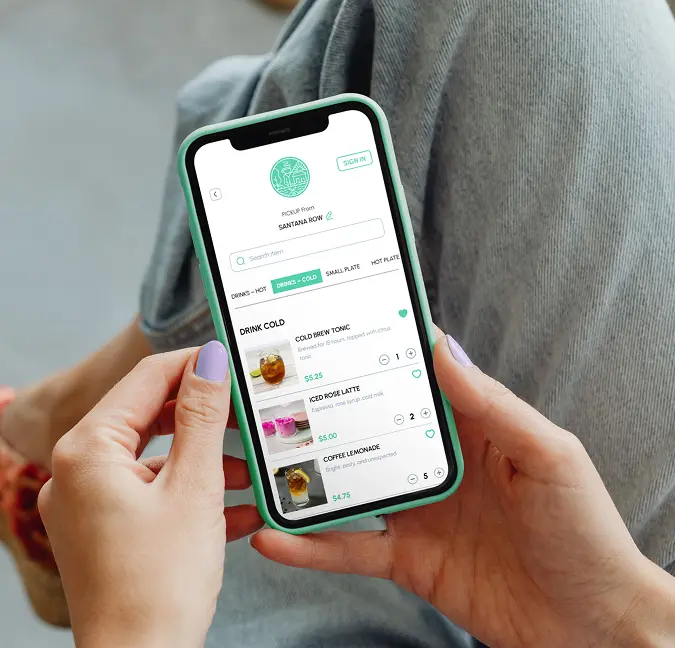





.webp)

.svg)
.webp)