
Key Takeaways
National Beer Day falls on April 7 every year: It marks the 1933 repeal of Prohibition-era beer restrictions — and for restaurants, it is one of the few mid-week calendar moments that genuinely moves foot traffic.
Creative promotions create a reason to show up: A generic discount rarely fills the room. Limited beer flights, local brewery partnerships, and timed offers give guests something specific to plan around.
Social media amplifies success: Engaging social media strategies, including user-generated content and influencer collaborations, help spread the word and sustain momentum long after the event.
Food pairings enhance the experience: Well-matched beer and food pairings encourage guests to spend more and stay longer, increasing overall sales.
Technology supports smooth operations: Using commission-free, flexible online ordering platforms like Restolabs helps manage high demand, streamline operations, and retain more revenue during promotions.
What Is National Beer Day?
National Beer Day is observed every year on April 7 in the United States. It commemorates April 7, 1933 — the date the Cullen-Harrison Act took effect and made the legal sale of beer possible again after thirteen years of Prohibition. Within the first 24 hours, Americans consumed an estimated 1.5 million barrels of beer. The day has since become a cultural touchpoint: a mid-week moment when people actively seek out bars, breweries, and restaurants to celebrate together.
For restaurant operators, that cultural pull translates directly into foot traffic. National Beer Day is not a manufactured marketing holiday — it has genuine historical roots and a built-in audience ready to participate.
Picture this: it's a Tuesday evening in April, and a restaurant that usually struggles to fill half its tables is standing room only. Glasses clink in quick succession. The kitchen is firing on all cylinders. Servers weave through a crowd that showed up for one reason — a $3 craft pint and the communal buzz of National Beer Day.
For most restaurants, midweek traffic is a puzzle that never quite solves itself. Happy hours help. Loyalty programs nudge regulars through the door. But themed national holidays — the kind that give people a reason to celebrate something together — carry a different kind of energy. National Beer Day, observed every April 7th, has quietly become one of those rare calendar dates that actually moves the needle.
Even a modest lift can change the economics of a slow weekday. If a themed promotion brings in more pre-orders, more group bookings, and more repeatable customer data, the value extends well beyond one night of beer sales.
But what makes National Beer Day so essential for restaurants — and how can the right promotion turn a slow Tuesday into a record-breaker?
For restaurant operators, the real win is not just a packed room. It is capturing the order, keeping the margin, and turning first-time guests into repeat customers. That is where direct online ordering starts to matter: the promotion brings people in, but the ordering system determines how much revenue the restaurant actually keeps.
Why National Beer Day Matters for Restaurant Sales
Every restaurant owner knows the midweek problem. Monday through Wednesday, foot traffic dips. Staff gets underutilized. Inventory sits. It's a predictable revenue gap that most operators accept as the cost of doing business. National Beer Day offers something rare: a culturally resonant reason for customers to break their routine and walk through your door on a night they'd normally stay home.
Why Is April 7 National Beer Day?
National Beer Day marks April 7, 1933 — the date the Cullen-Harrison Act took effect, allowing the sale of beer for the first time since Prohibition. After thirteen dry years, Americans lined up at breweries and bars, and an estimated 1.5 million barrels of beer were consumed in the first twenty-four hours. The celebration wasn't just about alcohol. It was about reclaiming a social ritual.
That spirit hasn't faded. Beer remains deeply embedded in American culture — backyard barbecues, game-day gatherings, and Friday night unwinds. It's the most democratic of drinks, cutting across demographics and price points. When a holiday gives people permission to celebrate something they already love, the table is already set. Restaurants just need to pull out the chairs.
Beer Promotions as a Sales Engine
Imagine a neighborhood gastropub that typically sees 60 covers on a Tuesday. The owner posts a simple promotion two weeks before National Beer Day: $2 local pints, a limited-edition beer flight, and a "brewer's choice" mystery tap. By the time April 7th rolls around, reservations are full and the waitlist is growing. What changed? Not the food, not the ambiance — just a compelling reason to show up.
The psychology is straightforward. Limited-time offers create urgency. When a customer sees a deal that disappears at midnight, skipping the usual Tuesday night on the couch becomes a lot harder. Add a social element — friends tagging each other, group reservations, shareable moments — and the promotion markets itself.
The scale of opportunity is real. The beer industry supports 2.42 million American jobs and generates $471 billion in economic activity annually, according to the Beer Institute. Restaurants that tap into even a fraction of that momentum on a single themed day aren't just running a promotion — they're plugging into a cultural and economic force.
National Beer Day vs. National Drink Beer Day vs. National American Beer Day
Beer holidays appear on the calendar throughout the year, and it's easy to confuse them. Each one carries a slightly different meaning — and a different promotional opportunity for restaurant operators.
Each of these dates is a separate promotional opportunity. Restaurants that plan around all five have a built-in reason to run a themed event nearly every month from April through October.
National Beer Day Promotion Ideas for Restaurants
A flat 10% discount on all beers won't cut it. Customers have seen that playbook too many times, and it rarely creates the kind of excitement that fills a dining room. The promotions that actually work — the ones people talk about, share online, and remember next year — are the ones that feel like an experience, not a transaction.
Limited-Time Beer Deals and Bundles
The best deals combine perceived value with a sense of scarcity.
Compliance note: Alcohol promotions vary by state and municipality. Restaurants should confirm local rules around discounts, delivery, pickup, age verification, and advertising before launching any beer promotion.
Promotion Ideas by Restaurant Type
Here are four proven deal formats that consistently drive results:
- Buy One, Get One on Local Brews: Partnering with a nearby craft brewery adds authenticity and gives guests a reason to try something new. The brewery gets exposure, the restaurant gets foot traffic, and the customer feels like they're supporting the community — not just grabbing a cheap drink.
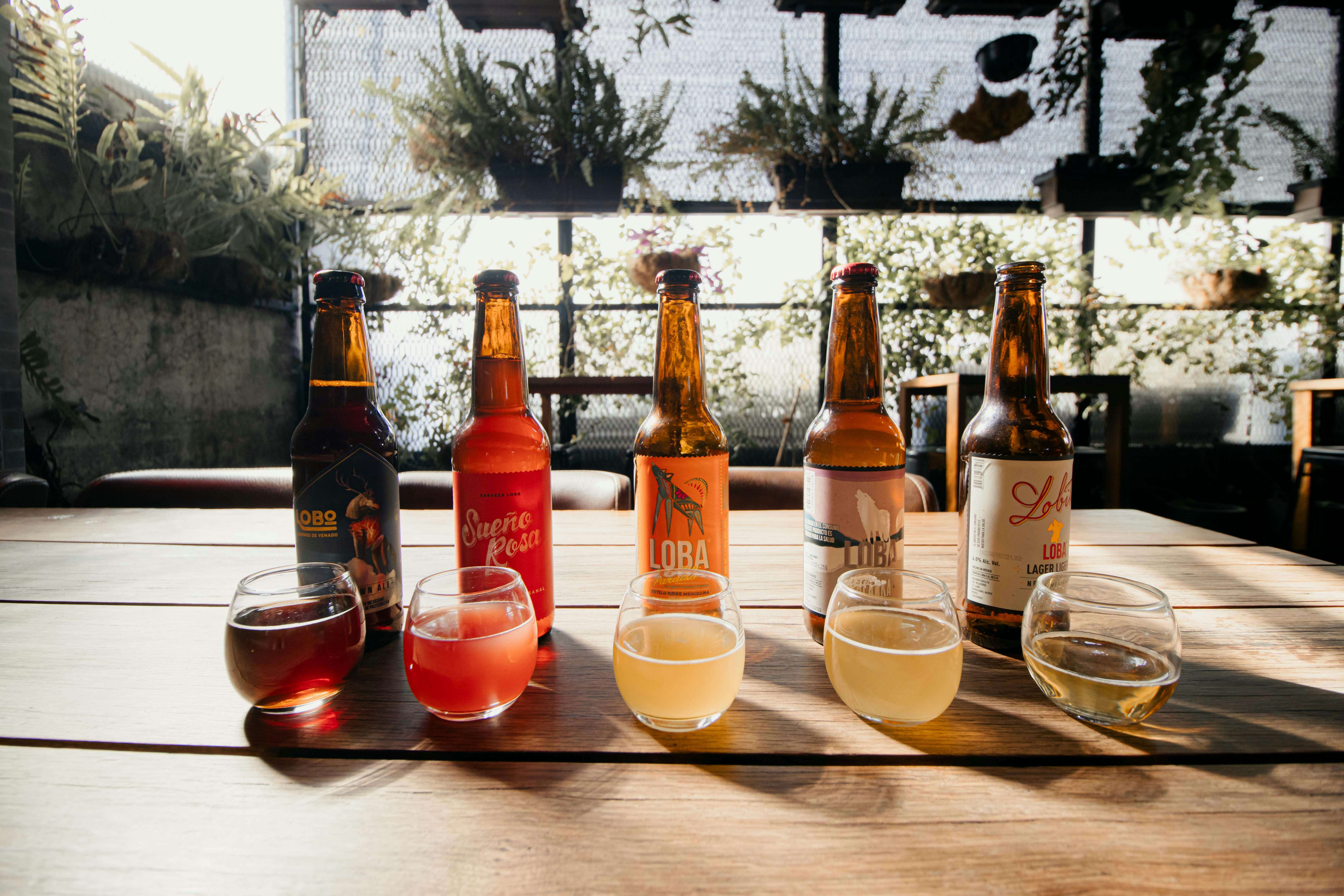
- Beer Flights with Guided Pairings: A curated flight of four to five tasters, each paired with a small bite, turns a standard order into an educational experience. Guests stay longer, spend more, and leave feeling like they discovered something. Flight promotions tend to raise average ticket size meaningfully compared to standard à la carte orders.
- Limited-Edition House Brew: Collaborating with a local brewer to create a one-night-only house beer generates real excitement. When guests know a beer will never be poured again after tonight, they don't just order one — they bring friends.
- Progressive Pricing: Start the night at $1 pints and increase the price by a dollar every hour. Early birds get rewarded, the bar fills up fast, and the energy builds as the evening progresses. It's gamification applied to happy hour.
Building a Beer-Friendly Menu
A promotion works harder when the food menu is designed to complement it. Beer pairings aren't just for sommeliers and tasting rooms — they're a practical way to increase average check size while making guests feel like they're getting a curated experience. The key is simplicity: match flavor profiles and let the combinations speak for themselves.
Printing these pairings on a single-page insert or table tent gives servers a conversation starter and guests a reason to order beyond their default. Including a non-alcoholic beer pairing option also signals inclusivity — an increasingly important signal for modern dining guests.
How to Promote National Beer Day on Social Media
A packed house on National Beer Day is great. A packed house where every third guest is posting about it? That's a marketing engine that keeps running long after last call. The restaurants that win on social media don't just announce their promotions — they design moments worth sharing.
Think about it from a guest's perspective. An Instagrammable beer tower arriving at the table, a behind-the-scenes reel of the bartender tapping a new keg, a countdown story series that builds anticipation for a week — these aren't just content. They're invitations for customers to become your marketing team.
Direct menu sharing makes that momentum easier to capture. When a guest sees the beer flight on Instagram, the next step should be a live ordering page — not a PDF, a phone call, or a third-party marketplace that sends them past competing restaurants.
Tactics that consistently drive engagement:
- User-generated content contests: "Post your pint, tag us, and win a free flight next visit."
- Countdown stories: Seven days of teasers revealing the menu, the deals, and the brewery partner.
- Influencer invites: A single local food blogger with 10,000 followers can drive more reservations than a week of paid ads.
- Behind-the-scenes prep: Show the kegs arriving, the menu being designed, the staff getting excited. Authenticity outperforms polish every time.
Sample Social Captions You Can Adapt
- Countdown (7 days before): "7 days until National Beer Day 🍺 We're doing something special on April 7 — stay tuned. [Link in bio to reserve your spot]" #NationalBeerDay #[YourRestaurantName] #CraftBeer
- Event day: "It's here. 🍺 $[X] pints all night + a limited beer flight you won't find anywhere else. Order now → [direct ordering link]" #NationalBeerDay #BeerFlight #LocalBeer
- UGC prompt: "Tag us in your pint photo tonight and we'll feature the best ones — plus one winner gets a free flight on their next visit. 🍺" #NationalBeerDay #ShowUsYourPint
- Post-event thank you: "Thank you for making our National Beer Day one to remember. 🙏 See you for [next event]." #ThankYou #NationalBeerDay
When the content feels like an event — rather than an advertisement — the algorithm tends to reward it with broader reach. The key is giving followers something to react to, share, or participate in, not just something to scroll past.
National Beer Day Marketing Timeline for Restaurants
Planning matters as much as the promotion itself. Here is a practical week-by-week timeline that restaurant operators can follow to prepare for April 7 without scrambling at the last minute.
National Beer Day Promotion Examples and Case Studies
Theory is useful. Proof is better. The restaurants and bars that have turned National Beer Day into a signature event didn't stumble into success — they studied what works, put their own spin on it, and committed.
Example: How a Tap Takeover Could Work for a Neighborhood Bar
Consider a Wicker Park-style gastropub competing in a crowded craft beer market. Instead of relying on a chalkboard special, the restaurant could partner with three local breweries to create a neighborhood tap takeover, pairing each featured beer with a dedicated appetizer and a shareable guest reward — such as a custom pint glass for guests who complete all three tasters.
The goal is not just a busier room. A collaboration like this gives guests a story to share, gives brewery partners a reason to promote the event, and gives the restaurant a stronger hook than a standard discount night. When three local brands promote each other simultaneously, the combined reach is harder to scroll past than any single-venue announcement.
The takeaway? Collaboration creates scale. A single restaurant promoting itself is easy to scroll past. Three local brands promoting each other creates a narrative that's harder to ignore.
Major Chains' Customer Engagement
National chains approach National Beer Day with different firepower — bigger budgets, app-based promotions, and multi-location coordination. Buffalo Wild Wings' promotional strategies have driven Monday visit increases of 45.6% and Wednesday increases of 49.3% during limited-time offer periods, according to Placer.ai. That kind of lift demonstrates what's possible when a well-known brand pairs urgency with a national platform.
But chains and independents play fundamentally different games. Here's how the approaches compare:
The advantage for independents is clear: flexibility and authenticity. A neighborhood spot can announce a surprise keg tapping at 3 PM and have a crowd by 5. A chain needs a month of approvals to change a coaster design.
Local Breweries Creative Participation
Small breweries have turned National Beer Day into a collaboration engine. Consider a taproom in Portland that partners with five nearby restaurants each year — each venue gets an exclusive small-batch beer, brewed specifically for their menu. The brewery handles the product, the restaurants handle the audience, and both split the marketing effort.
The ripple effect goes beyond a single night. Restaurants that participate often see brewery-adjacent interest in the weeks following, as guests return to explore other beers from the same brewer. It's the kind of symbiotic relationship that turns a promotional day into an ongoing revenue stream. Here's what makes it work: pick up the phone, propose a collaboration, and give the brewer a reason to say yes.
How Online Ordering Supports National Beer Day Promotions
A great promotion is only as strong as the infrastructure behind it. When orders start flooding in — pickup, delivery, dine-in pre-orders — the platform handling that volume determines whether the night is a win or a lesson in damage control.
Handling Increased Demand
Promotional days create traffic spikes that expose every weakness in a restaurant's digital ordering system. A platform built for steady-state volume will buckle under a 3x surge. Orders get lost, inventory counts fall out of sync, and the kitchen starts working from bad data — which means wrong orders, longer wait times, and frustrated guests.
Modern ordering platforms help restaurants manage traffic spikes with order queuing, real-time menu updates, and capacity controls. If a limited beer flight sells out, the item should come off the menu before another guest pays for something the kitchen cannot fulfill.
Alcohol promotions also need compliance built into the workflow. Restaurants should confirm licensing requirements, define pickup and delivery rules, and train staff to verify age at handoff. A great promotion can drive revenue, but a missed ID check can turn that same night into a liability.
Enhancing Customer Experience
Frictionless ordering changes the math on everything. Faster checkouts mean higher throughput. Fewer abandoned carts mean more completed transactions. Personalized confirmations — "Your IPA flight and buffalo wings will be ready at 7:15" — reduce no-shows and build trust before the guest even walks in.
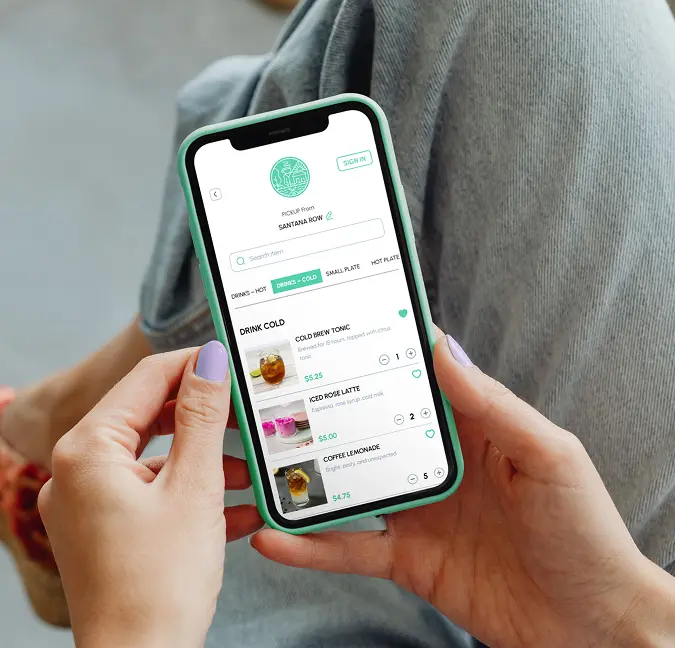
Imagine a first-time customer who sees your National Beer Day post on Instagram. She taps the link, lands on a clean ordering page, selects a beer flight and a burger, pays in two taps, and gets an instant confirmation with her pickup time. No app download. No account creation. No confusion. That seamless experience doesn't just complete a transaction — it creates a repeat customer.
Restaurants that invest in frictionless digital ordering consistently see fewer abandoned carts and measurable increases in repeat visits. When the first experience is effortless, the second one becomes automatic.
Owning Customer Data
Every order placed through a third-party delivery platform is a customer relationship you never get to own. The platform keeps the data — email addresses, order history, preferences — and uses it to market competing restaurants to your guests. You did the hard work of creating a great promotion, and someone else captures the lifetime value.
Direct ordering flips that equation entirely. Here's how the two models compare:
When a restaurant owns the ordering channel, every National Beer Day guest becomes a data point in a long-term relationship — not a one-time transaction lost to a middleman.
National Beer Day Operations Checklist for Restaurants
Before the first pint is poured, operators should make sure the promotion is supported by the right menu, workflow, and customer follow-up plan.
- Confirm liquor license is current and covers all planned service types (on-premise, delivery, pickup).
- Build a limited-time beer and food menu with clear item availability windows.
- Set timed availability for promotional items so sold-out products auto-deactivate in your ordering system.
- Brief all staff on age-verification requirements for on-premise, pickup, and delivery handoffs.
- Connect ordering to POS, delivery, and payment systems before the event goes live.
- Capture customer emails at checkout for post-event loyalty campaigns.
- Review order volume, best-sellers, and repeat customer activity within 48 hours of the event.
- Schedule a post-event email to all National Beer Day guests with a loyalty offer or next-event preview.
- Document what worked — promotions, pairings, peak order times — for next year's planning cycle.
- Check your state and local alcohol advertising rules before publishing any promotional content online.
Choosing the Right Online Ordering Platform for Promotional Events
Finding the right online ordering platform shouldn't feel like signing a mortgage. Most restaurant owners evaluating digital tools share the same frustrations: high commission fees that eat into already-thin margins, long-term contracts that lock them in before they've tested the product, and clunky interfaces that require IT support to configure. Restolabs was built to solve exactly those problems.
User-Friendly Online Ordering
Restolabs offers a mobile-first ordering system built for restaurant workflows, with integrations for POS, delivery, and payment systems. With expert setup and a user-friendly dashboard, restaurants can prepare a National Beer Day menu quickly and start selling online in as little as one day.
Restolabs also supports restaurants with expert setup, so operators are not left piecing together menus, payment rules, delivery zones, and POS workflows on their own. For a time-sensitive event like National Beer Day, that support matters — because speed only helps if the system is configured correctly from the start.
Picture the scenario: it's late March, and a restaurant decides to go big on National Beer Day. With Restolabs, the team builds a dedicated promotional menu, connects it to their Instagram bio link, and starts taking pre-orders — without back-and-forth with a support team or waiting on feature requests.
Commission-Free Model
Third-party delivery platforms typically charge 15–30% per order. On a high-volume promotional night, that commission can eat thousands of dollars in potential profit — money the restaurant earned through its own marketing effort. Restolabs operates on a commission-free model, meaning every dollar of revenue stays where it belongs.
On a $5,000 National Beer Day, the difference between commission-free and a 20% platform fee is $1,000. Scale that across multiple promotional events per year, and the savings become a meaningful line item on any P&L.
Flexible, Contract-Free Plans
Not every restaurant needs a year-round digital ordering platform. Seasonal bars, pop-up concepts, and venues that run a handful of big events per year need the ability to spin up, execute, and scale back without being locked into a twelve-month agreement. Restolabs offers contract-free plans that let operators try the platform with zero lock-in risk.
Consider a beachfront bar that operates April through October. Restolabs lets that business activate online ordering for National Beer Day, run it through the summer season, and pause when the weather turns — without penalty fees or awkward cancellation calls. Flexibility isn't a feature here. It's the foundation of the entire model.
Turn National Beer Day Momentum Into Repeat Orders
National Beer Day isn't just another hashtag holiday. It's a proven, culturally embedded moment that drives real foot traffic, real revenue, and real customer acquisition — if you're ready for it. Restaurants that treat it as an afterthought leave money and goodwill on the table. Those that plan ahead, promote creatively, and invest in the right technology turn a single night into a competitive advantage that compounds year after year.
The playbook is clear: build a promotion worth talking about, design an experience worth sharing, and make sure your digital ordering infrastructure can handle the surge without breaking a sweat. Every element matters — from the beer pairings on your menu to the platform processing your orders.
Every April 7 is a new opportunity. The restaurants that start planning now — locking in brewery partners, configuring their online ordering menu, and mapping their social calendar — will be the ones standing room only when the taps open.
Getting started with Restolabs takes less time than tapping a keg. A quick demo walks restaurant owners through the full platform — custom menu setup, POS integration, promotional tools, and the commission-free pricing model. There's no contract to sign, no long-term commitment to stress over, and no technical expertise required.
Don't let technology be the reason your best promotion falls flat. Book a Demo

Sruthi Sekar specializes in brand strategy, growth, and user experience in the hospitality industry. As the driving force behind Restolabs, she helps restaurants harness technology to scale and thrive. With a background in design, branding, and entrepreneurship, she brings a sharp focus on crafting digital experiences that drive real business impact.
Frequently Asked Questions
National Beer Day is observed every year on April 7 in the United States.
It marks the day in 1933 when beer sales became legal again after Prohibition restrictions eased. Many people treat it as a fun reason to go out midweek.
No. National Beer Day is April 7 (U.S.). International Beer Day is typically celebrated on the first Friday of August.
Simple options include: discounted pints for a set time window, beer-and-bite bundles, limited-time flights, and “tap takeover” nights with a local brewery.
Beer flights with food pairings, prix-fixe pairing menus, bundles (beer + appetizer), and “complete the flight” rewards usually raise ticket size.
Start 10–14 days before. Post consistently, tease what’s coming, and make the offer easy to understand in one glance.
Small restaurants with limited staff or budget do well with low-complexity, high-impact formats: a BOGO on one local beer, a single curated beer-and-food bundle at a fixed price, or a one-night tap takeover with a nearby brewery. These require minimal prep, create genuine buzz, and can be promoted with just a few social posts in the week leading up to April 7.
This depends on local and state alcohol laws. Many jurisdictions allow beer sales for pickup and delivery, but the rules vary significantly by location. Restaurants should confirm their liquor license covers off-premise sales and that staff are trained to verify customer age at the point of handoff. Always check local regulations before adding beer to any delivery or pickup order flow.




.webp)

.svg)
.webp)