
Key Takeaways
- Blend grassroots presence with digital convenience
Combine on-the-ground tactics like event participation and local partnerships with online ordering, loyalty programs, and mobile-first engagement to build a scalable food truck brand. - Maximize local discoverability with SEO and maps
Optimize your Google Business profile, encourage reviews, and use geofencing ads to appear in "food trucks near me" searches—capturing impulse visits and foot traffic. - Use social media and influencer collabs to fuel buzz
Engage visual platforms like Instagram and TikTok to showcase your truck, promote specials, and drive user-generated content through contests, hashtags, and local influencer takeovers. - Drive repeat business with digital loyalty and specials
Launch app-based loyalty programs, online-only menu deals, and CRM-driven offers (like birthday promos) to increase visit frequency and customer lifetime value. - Use restaurant tech to turn attention into owned revenue
A busy event creates demand, but direct ordering, loyalty, CRM, and analytics tools help food trucks keep the customer relationship after the line disappears.
Food Truck Marketing Quick-Start Checklist
New to food truck marketing or looking for a fast reset? Start here before diving into the full 17-idea guide.
- Claim and fully complete your Google Business Profile listing
- Create a weekly location schedule and publish it on your website and social channels
- Post daily location updates on Instagram, TikTok, and Facebook
- Add a QR code to your truck that links to a direct online ordering page
- Set up a commission-free online ordering link and share it in your bio
- Collect customer email and SMS opt-ins at every event
- Ask for Google reviews after every peak service period
- Launch a simple digital loyalty program—punch cards or points-based
- Partner with one local business this month for a cross-promotion
- Track order volume, average order value, and repeat visits weekly
- Run one geo-targeted social ad per event or new location
- Review your top-selling items monthly and cut low-margin underperformers
A lunch rush can make or break a food truck's day. If the line moves slowly, customers leave. If orders only flow through third-party apps, margins shrink before the food even hits the window.
That is why modern food truck marketing has to do more than create buzz. It needs to help operators capture direct orders, collect customer data, bring people back, and keep service moving when demand spikes.
Many of these tactics work better when they connect to one system. Restolabs gives food trucks a commission-free way to accept direct orders, update menus, collect customer data, and run loyalty campaigns—without stitching together multiple tools.
Below, you'll find 17 practical marketing ideas designed specifically for food truck owners. Each tactic is built around today's industry realities—from mobile ordering to hyper-local partnerships. Whether you're looking to stand out at a crowded festival or build a loyal digital following, these strategies will help you grow direct orders and protect margins.
Who Is the Target Audience for Food Truck Marketing?
Before choosing which marketing tactics to prioritize, it helps to understand who your customers actually are. Food truck audiences vary widely by location, time of day, and cuisine type—but a few core segments show up consistently.
Most food truck customers are between 25 and 44 years old and rely on mobile search to decide where to eat. That makes local SEO, real-time social posting, and mobile-friendly ordering essential—not optional.
How to Build a Food Truck Marketing Plan
A list of marketing ideas is only useful if there's a plan behind it. Without a structure, most food truck owners try three or four tactics at once, see inconsistent results, and give up. A marketing plan keeps execution focused.
Here is a practical five-step framework to build one:
- Set a clear goal. Are you launching a new truck, filling slow weekday slots, or building a repeat customer base? One goal at a time produces better results than chasing everything simultaneously.
- Define your customer segment. Use the audience table above to identify your top one or two customer groups. Build your channel choices around where those people already spend time.
- Choose 3–5 priority channels. New trucks should start with Google Business Profile, Instagram, and one local event. Established trucks can layer in email/SMS, loyalty, and geo-targeted ads.
- Create a weekly promotion calendar. Plan at least one social post per day, one location update, one promotional offer per week, and one review request after every event.
- Review and adjust monthly. Track order volume by location, average order value, and repeat visit rate. Cut what is not working. Double down on what is.
How Much Should Food Trucks Spend on Marketing?
Marketing budgets depend on truck stage. A rough starting framework:
As a general rule, food trucks should allocate 5–10% of monthly revenue to marketing. Operators using commission-free direct ordering can redirect saved commission fees toward paid promotion—effectively funding marketing from margin recovery.
Build a Website That Turns Food Truck Searches Into Orders
Social media gets attention. A website converts it. A mobile-friendly food truck website should include a live location schedule, direct online ordering link, catering inquiry form, menu pages with pricing, and a clear call to action above the fold. Without these, search traffic leaves without ordering.
- Add a live schedule page so customers always know where to find the truck.
- Embed direct ordering so visitors can order from any page without leaving the site.
- Create location-specific landing pages to rank for searches like "tacos near [neighborhood]."
- Include a catering inquiry form to capture high-value event leads passively.
- Display reviews prominently to build trust with first-time visitors.
Use Email and SMS Marketing to Bring Diners Back
The difference between a one-time customer and a regular comes down to whether the truck stays in their life after the first order. Email and SMS are the most direct way to make that happen—without paying a platform to reach them.
- Collect opt-ins using QR codes at the window, on packaging, or through the ordering flow.
- Send weekly route updates so subscribers know where the truck will be.
- Automate birthday offers and win-back campaigns for customers who have not ordered in 30+ days.
- Promote limited-time menu items via SMS for time-sensitive urgency.
- Segment by location preference to send relevant updates rather than blasting everyone with every message.
Restolabs CRM tools help food trucks segment customers, automate campaigns, and track which messages drive the most repeat orders—all from one platform.
Top Food Truck Marketing Ideas: 17 Strategies That Drive Real-World Results
Let's break down the most effective marketing approaches for food truck businesses into actionable categories. These ideas are grouped to help you focus on what matters most: practical growth and local relevance.
Food Truck Marketing Ideas at a Glance
Practical Food Truck Marketing Tactics for Daily Sales
1. Target Festivals and Community Events to Drive Foot Traffic
What: Participating in festivals, street fairs, and local events is one of the most effective ways to boost your food truck's visibility and revenue.
Why: Food trucks that rotate locations and actively join community gatherings report notably higher sales and stronger brand recall. These events draw large crowds, giving you access to new customer segments and fostering community engagement.
How:
- Research local event calendars and secure your spot early.
- Promote your appearance on social media and your website days in advance.
- Bring branded collateral such as business cards, reusable packaging, or loyalty cards to hand out.
- Collect customer data through email and SMS opt-ins using QR codes and a direct ordering platform. That way, the next time the truck parks nearby, customers can hear from the brand directly—not through a third-party marketplace.
2. Embrace Mobile and Online Ordering for Seamless Service
When a food truck gets busy, the line becomes the brand experience. If customers wait too long, they do not just get impatient—they start scanning for the nearest alternative.
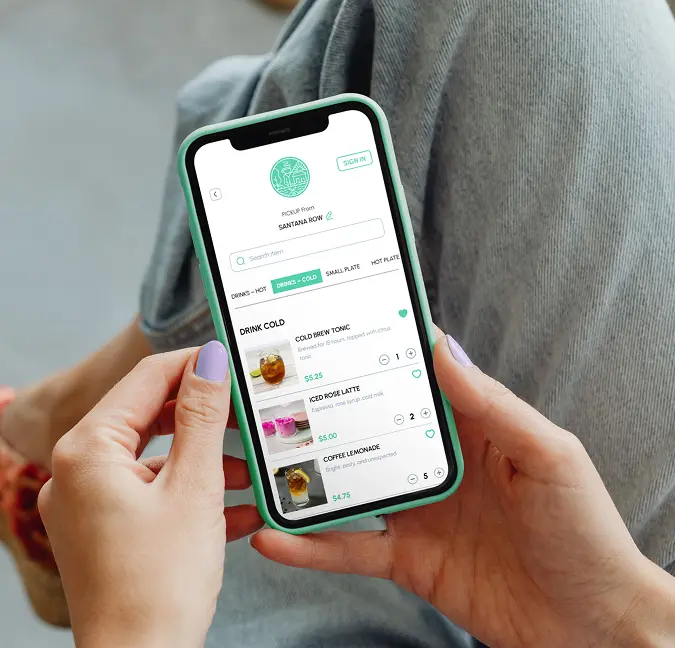
Direct online ordering lets customers place orders before they reach the window. It also helps operators process more transactions without adding staff—especially useful during festivals, lunch rushes, and high-footfall events where kitchen capacity is fixed.
With a commission-free platform like Restolabs, food trucks can share order-ahead links through social posts, QR codes, and printed signage while keeping full ownership of customer data.
- Share order-ahead links through Instagram, TikTok, Google Business Profile, and event pages.
- Add QR codes to signage so customers can order while they wait in line.
- Use real-time menu updates to pause sold-out items instantly and reduce order confusion.
- Enable contactless payments to speed up service and reduce queues.
Key Benefit: Digital ordering platforms can manage inventory, track best-selling items, and adjust menu pricing based on demand—all from a mobile dashboard.
3. Leverage Loyalty Programs to Increase Repeat Business
A first-time customer is valuable. A customer who visits every week is a revenue engine. Loyalty programs turn the former into the latter—by giving people a reason to choose the same truck again instead of trying something new.
The real value of a loyalty program is not the discount itself. It is the customer relationship it builds. Every redemption is an opportunity to collect data, personalize the next offer, and keep the truck in the customer's decision set.
- Offer digital punch cards or points-based rewards via your online ordering system.
- Promote exclusive deals for loyalty members during slow periods.
- Encourage referrals by rewarding customers who bring friends.
Action Step: Use Restolabs' CRM features to send automated thank-you messages, birthday offers, or special event invites—keeping the relationship active between visits.
Stop Losing 30% On Every Order. Take Back Control Of Your Margins.

.svg)
.svg)
.svg)


Noodle, New York

Per Year on Restolabs.

Growth in 3 Months.
.png)
4. Optimize for Local SEO and Google Maps Discovery
What: Ensuring your food truck is easily found online when people search "food trucks near me" is crucial for attracting spontaneous diners.
Why: Most food truck customers use their phones to decide where to eat right now. Appearing at the top of local search results means capturing that decision before competitors do.
How:
- Claim and update your Google Business Profile with current hours, service areas, and menu photos.
- Encourage reviews after every transaction, making it easy with a QR code at the window.
- Optimize your website with location keywords, neighborhood names, and up-to-date menus.
- Post weekly location updates directly on Google Business Profile so the truck appears in "open now" and route-based searches.
- Add menu photos to Google Business Profile—listings with photos receive significantly more clicks than those without.
- Create location-specific landing pages on your website to rank for neighborhood searches like "best tacos in [area]."
- Use geofencing ads to target users in your immediate vicinity with promotional messages, driving incremental traffic during operational hours.
5. Streamline Operations with Integrated Order Management
At peak hours, manual order handling becomes the bottleneck. A ticket gets missed, a customer waits too long, and the next person in line starts reconsidering. Integrated order management removes that friction—so the crew focuses on cooking, not reconciling.
How:
- Use an ordering system that connects with POS, delivery, and payment tools so the truck does not have to manually reconcile orders at the end of a long shift.
- Automate order notifications and kitchen ticket printing to keep lines moving.
- Analyze sales data to optimize menu offerings and predict busy periods.
Operator advantage: Restolabs integrations help food trucks keep order flow cleaner, reduce avoidable errors, and manage direct orders without adding extra admin work.
Result: Less time spent on manual tasks means more time interacting with customers and innovating the menu.
Creative Local Food Truck Promotions That Build Community
6. Build a Powerful Social Media Presence That Sells
What: Use Instagram, Facebook, and TikTok to showcase your food, location, and personality.
Why: Over 74% of diners discover new food trucks through social media, and visual storytelling generates significantly higher engagement than text-based posts.
How:
- Post daily updates about your location, specials, and behind-the-scenes moments.
- Share high-quality photos and videos of menu items and happy customers.
- Run contests and giveaways to expand your reach and collect emails.
- Incorporate direct ordering links in your posts and stories, allowing fans to order instantly.
Create Short-Form Videos That Drive Food Truck Visits
Short-form video is the single highest-reach format available to food trucks right now—and it costs nothing but time. A 15-second clip of an order being assembled outperforms most static photos in both reach and saves.
Content ideas that consistently perform well:
- Prep videos showing ingredients being assembled in real time
- Order assembly clips with satisfying plating or wrapping moments
- Behind-the-scenes rush-hour footage (customers love the chaos)
- Daily location announcements with a 3-second visual hook
- Limited-time menu reveals with countdown urgency
- Customer reaction clips (with permission)
Platform guidance: TikTok and Instagram Reels reach new audiences. Facebook posts and Google Business updates reach existing followers and local searchers. Aim for at least 3 short-form videos per week during active service days.
Insider Tip: Encourage user-generated content by creating a branded hashtag or offering discounts for customers who post and tag the truck.
7. Partner with Local Businesses for Cross-Promotions
What: Form alliances with breweries, farmers' markets, or retail shops to boost exposure and share customer bases.
Why: Strategic partnerships expand reach while providing mutual benefits—more foot traffic for both parties and a stronger community reputation.
How:
- Coordinate pop-up events at partner locations.
- Bundle offers (e.g., "beer and a burger" deals at a local brewery).
- Participate in co-branded promotions or loyalty programs.
- Set up office lunch rotations with nearby companies—recurring corporate catering provides predictable weekday revenue.
- Approach apartment complexes and gyms about recurring pop-up spots in exchange for newsletter promotion.
- Partner with local nonprofits for fundraiser nights where a percentage of sales are donated—this drives community goodwill and press coverage.
Practical Example: A brewery partnership works because the customer intent is already there. Someone planning an evening out does not want to coordinate dinner separately. If the food truck's ordering link is included in the brewery's event post, customers can pre-order before they arrive—and the truck can prep with more confidence.
8. Host and Sponsor Community Events
What: Organize or participate in local happenings—live music nights, food tastings, or charity drives.
Why: These events foster customer loyalty and establish the food truck as a community staple, driving both brand awareness and goodwill.
How:
- Schedule themed nights (e.g., Taco Tuesdays with live DJs).
- Sponsor local teams or fundraisers, providing food in exchange for promotion.
- Offer "pay what you can" days or donate leftovers to local shelters.
Result: Increased word-of-mouth referrals and positive online reviews.
9. Innovate with Themed Menus and Seasonal Specials
What: Regularly update your menu with limited-time offers, holiday specials, and creative mashups.
Why: Novelty drives buzz, repeat visits, and media coverage—especially when specials align with local events or trends.
How:
- Feature a "secret menu" for social media followers or loyalty members.
- Create event-specific dishes (e.g., festival-inspired snacks).
- Highlight seasonal ingredients sourced from local producers.
Best Food Truck Menu Ideas to Support Your Marketing
The menu is not just what the truck sells—it is the first marketing asset. Items that photograph well, have memorable names, and can be assembled quickly are both operationally efficient and naturally shareable.
- Design a signature item that becomes the truck's visual identity—something people photograph and tag automatically.
- Add high-margin add-ons like loaded toppings, dipping sauces, or drink pairings that increase average order value without slowing service.
- Keep the core menu tight—5 to 8 items with clear bestsellers reduce cognitive load, speed up ordering, and minimize food waste.
- Name items for memorability—"The Fire Starter" lands better on Instagram than "Spicy Chicken Wrap."
- Build event-specific bundles with a shareable pricing hook (e.g., "Festival Duo for $14") to increase ticket size without premium pricing.
Next Step: Use your online ordering platform to promote and track these specials, measuring which ones drive the most sales.
10. Use Eye-Catching Branding and On-Truck Marketing
What: Invest in vibrant, memorable food truck wraps, signage, and packaging that reinforce your brand identity.
Why: The truck is a rolling billboard. Strong visuals differentiate it in crowded spaces and attract impulse buyers who had no intention of stopping until the truck caught their eye.
How:
- Design a unique logo and color scheme that reflects your cuisine and vibe.
- Display clear, fun signage with menu highlights and digital ordering info.
- Hand out branded packaging (bags, napkins, stickers) that encourage sharing on social media.
Use On-Site Signage to Capture Walk-Up Customers
Digital marketing gets people to the location. Signage converts them at the window. These physical touchpoints are often the difference between a walk-by and an order.
- Readable menu boards with clear categories, prices, and bestseller callouts reduce ordering hesitation.
- Sidewalk signs placed 10–20 feet from the truck catch foot traffic before they pass by.
- Directional banners at events guide attendees to the truck from a distance.
- QR code displays at the window let customers order ahead or join the loyalty program while waiting.
- Estimated wait time signs reduce walkaway rates during busy periods.
Offer Merchandise to Extend Your Food Truck Brand
Merchandise turns loyal customers into walking advertisements. A well-designed T-shirt or branded reusable cup seen at a farmers' market does more than any paid ad in that moment.
- T-shirts, hats, and tote bags with the truck's logo or slogan
- Branded reusable cups that tie into a loyalty discount
- Signature sauces or spice blends available for purchase
- Sticker packs that customers add to their laptops, cars, and water bottles
Merchandise works best for trucks with an established fan base and a distinct visual identity. Promote it through social media and at high-attendance events first.
Digital Food Truck Marketing Ideas to Reach More Customers
11. Tap Into Influencer Collaborations
What: Partner with local food bloggers and micro-influencers to reach new audiences.
Why: Influencer posts and "takeovers" create authentic buzz, often resulting in higher conversion rates compared to traditional ads—because the recommendation comes from a trusted voice rather than a brand.
How:
- Invite influencers for a tasting event and encourage them to share their experience.
- Offer exclusive discounts for their followers.
- Host "cook-off" challenges or recipe collaborations.
Actionable Tip: Track redemptions from influencer codes through your online ordering system to measure ROI directly.
12. Run Geo-Targeted Advertising Campaigns
What: Use digital ads that target users within a set radius of your food truck's current or upcoming location.
Why: Geo-targeted ads focus the marketing budget on people who are physically close enough to act—those nearby and hungry are far more likely to convert than a broad audience.
How:
- Set up location-based campaigns on Facebook and Google Ads.
- Promote real-time offers ("Free drink in the next hour!") to drive urgency.
- Link ads directly to your digital menu for quick ordering.
Pro Insight: Geo-targeting can be automated and scheduled through most online ordering platforms' marketing dashboards.
13. Offer Online-Only Specials and Pre-Order Discounts
Pre-order specials do two things at once: they smooth out kitchen demand during rush periods, and they give operators advance visibility into what to prep. When a customer pre-orders a discounted item, the truck gains a confirmed sale before the window even opens.
The added benefit is data. Every pre-order through a direct channel builds the customer profile—location, order preferences, visit frequency—that makes future remarketing more precise and more effective.
How:
- Launch "early bird" pre-order discounts for upcoming events or busy weekends.
- Advertise online-only deals through social media, your website, and on-truck signage.
- Rotate specials weekly to keep the digital audience engaged.
Operator advantage: Restolabs' direct ordering channels let food trucks promote online-only specials while keeping all customer order data in-house—not locked inside a third-party marketplace.
Result: Higher average order values and improved operational efficiency.
14. Expand With Catering and Delivery Services
What: Offer catering for private events and delivery to homes or offices, maximizing your food truck's reach beyond its daily route.
Why: Diversifying revenue streams protects against slow days and taps into lucrative event markets.
How:
- Promote catering packages on your digital platforms.
- Streamline booking requests with online forms or integrated scheduling tools.
- Partner with local businesses for recurring lunch deliveries.
Next Step: Use your management system to automate order intake, invoicing, and customer follow-ups.
15. Gather and Act on Customer Feedback
What: Regularly collect and analyze customer reviews and survey responses to refine your offering.
Why: Real-time feedback identifies what's working, which dishes resonate, and where improvements are needed—driving both loyalty and continuous innovation.
How:
- Send post-purchase surveys via SMS or email.
- Monitor review platforms and respond promptly to both praise and criticism.
- Implement suggestions for menu updates, service improvements, or new locations.
Bonus: Publicly thank customers for their input, and reward constructive feedback with discounts or freebies.
Sustainable and Community-Focused Food Truck Marketing Ideas
16. Highlight Sustainability Initiatives in Your Promotions
What: Promote your use of eco-friendly packaging, local sourcing, or alternative energy—both on-site and online.
Why: Over 60% of consumers prefer sustainable options, and food trucks that lead on green practices attract positive attention and build a loyal, values-aligned customer base.
How:
- Feature sustainability badges on your menu and website.
- Share stories about green initiatives on social platforms.
- Host "green days" where a percentage of sales go to local environmental causes.
Practical Example: Encourage customers to bring their own containers or cups for a small discount, promoting waste reduction while building community ties.
17. Travel Strategically to Tap New Markets
Mobility is the food truck's biggest structural advantage over a fixed restaurant. But most operators pick locations based on gut feel rather than data. That means they are often repeating the same routes out of habit—even when a different neighborhood would generate higher volume.
Order management analytics change that. When the system tracks sales by location, average order value by area, and repeat customer rates per stop, operators can make route decisions based on evidence—not assumptions.
How:
- Announce upcoming locations days in advance through digital channels.
- Partner with local organizations in new areas to co-promote the truck's arrival.
- Collect contact info from new customers for ongoing marketing.
Operator advantage: Restolabs analytics give food trucks a clear view of which locations drive the highest order volume, which items sell best by area, and which customers are most likely to return—so every route decision is backed by real performance data.
Track Food Truck Marketing Performance With the Right KPIs
Running marketing tactics without measuring results is the same as driving without a destination. These are the metrics that tell food truck operators what is actually working—and where to adjust.
Review these metrics weekly, not monthly. Food trucks operate on short cycles—a slow Wednesday can be turned around by Thursday morning if operators know what to adjust.
How Technology Helps Food Trucks Turn Marketing Into More Orders
Why Technology-Driven Marketing and Operations Are the Future for Food Trucks
Creative marketing ideas generate attention. Technology is what converts that attention into orders, customer relationships, and measurable revenue. The food trucks that grow consistently are not just the ones with the best food—they are the ones whose marketing connects directly to an operational system that can handle the demand.
When digital orders, loyalty programs, customer data, and location analytics live in one place, operators can:
- Serve more customers, faster, at every event or location.
- Launch targeted marketing campaigns, track results, and adjust on the fly.
- Adapt menus, pricing, and promotions in real time based on demand.
- Keep full ownership of customer data—without paying a percentage of every order to a third-party platform.
How Restolabs Helps Food Truck Owners Turn Marketing Into Direct Orders
A busy event is valuable—but only if the truck can capture that demand without slowing the line or giving up margin to third-party apps. Restolabs gives food truck operators a commission-free way to accept direct online orders, update menus in real time, collect customer data, and bring customers back with automated loyalty campaigns.
The platform is built for operators who need speed, not complexity. With expert setup and integrations for POS, payment, and delivery tools, food trucks can start selling online in a day while keeping full control of their customer relationships.
- Accept direct orders from mobile, QR codes, websites, and social links.
- Keep customer data for remarketing, loyalty, and repeat sales.
- Use analytics to identify top-selling items, high-performing locations, and repeat customers.
- Grow without commission fees or restrictive long-term contracts.
Book a Demo to see how Restolabs helps food trucks turn more walk-ups, followers, and event visitors into direct customers.
Team Restolabs is a group of hospitality tech experts, strategists, and innovators dedicated to helping restaurants thrive in the digital age. With deep expertise in branding, growth, product development, and restaurant technology, we provide insights on scaling, streamlining operations, and enhancing customer experience.
Frequently Asked Questions
The most effective food truck marketing combines social media presence, local SEO, event participation, visible on-truck signage, and a repeat-customer strategy. Social media—especially Instagram and TikTok—is typically the most cost-effective starting point because it drives discovery, builds community, and costs nothing but time. Layering in direct online ordering and a loyalty program then converts that attention into owned customer relationships and repeat revenue.
Start by positioning your truck at local festivals, high-footfall events, and strategic daily locations. Use social media to share real-time updates, photos, and stories. Integrate QR codes, loyalty programs, and online ordering to boost convenience and engagement. A memorable brand identity and standout menu can also turn walk-bys into loyal fans.
A practical food truck marketing plan has five steps: set one clear goal, define your primary customer segment, choose 3–5 priority channels, create a weekly promotion calendar, and measure results monthly. New trucks should start with Google Business Profile, Instagram, and one local event. Established trucks can layer in email/SMS campaigns, loyalty programs, and geo-targeted advertising once those foundations are in place.
Focus on grassroots and digital-first marketing tactics: Post daily on Instagram and TikTok with high-quality food shots and location updates. Run geo-targeted ads on social platforms with a small daily budget. Collaborate with local influencers and businesses for mutual promotion. Use commission-free online ordering with built-in CRM to retain customers and own your data. Restolabs helps food truck owners manage all of this in one place—without paying third-party commission fees on every order.
A general starting point is 5–10% of monthly revenue. Startup trucks often spend $200–$500 per month, focused on signage, basic social ads, and event fees. Growth-stage trucks typically invest $500–$1,500 on geo-targeted ads, loyalty tools, and content creation. Established trucks may spend $1,500–$3,500+ on full CRM, loyalty programs, and catering promotions. Operators using commission-free direct ordering can redirect saved commission fees directly into paid marketing.
The most profitable food truck items usually have low ingredient costs, fast prep times, and strong demand. Gourmet tacos or sliders Loaded fries or nachos Grilled cheese, wraps, or fusion bowls Desserts like churros, donuts, or ice cream sandwiches A tighter menu can also reduce waste and protect margins.
Yes. A website gives a food truck a permanent, searchable home that social media cannot replace. It should include a live location schedule, direct online ordering link, menu with pricing, catering inquiry form, and customer reviews. Without a website, the truck misses search traffic from people actively looking for food options in the area—and loses the ability to capture catering leads passively.





.webp)

.svg)
.webp)