

.avif)
Key Takeaways
Guests search for ambiance, chef expertise, tasting menus, and special occasions—not just food—requiring premium keyword strategies.
Optimizing Google Business Profile, reviews, and location-based keywords helps fine dining restaurants capture high-intent diners.
Professional imagery, refined content, and consistent listings reinforce exclusivity and trust in search results.
Menu descriptions, chef stories, wine programs, and private dining pages improve visibility while matching guest expectations.
Seamless mobile experiences for reservations and browsing are critical, as most fine dining discovery starts on smartphones.
In the competitive world of fine dining, an exquisite menu and impeccable service are no longer enough to ensure success. Today's discerning diners research extensively online before making reservations, and without a strong digital presence, even the most exceptional restaurants may remain undiscovered. This comprehensive guide explores how fine dining establishments can implement specialized SEO strategies to enhance visibility, attract their ideal clientele, and create an online experience that truly reflects their sophisticated brand.
Understanding the Importance of SEO in Fine Dining
Why SEO Matters for Fine Dining Restaurants
Fine dining establishments operate in a unique market segment where customer expectations, search behaviors, and conversion patterns differ significantly from casual dining. When potential guests search for exceptional dining experiences, they're not merely looking for food-they're seeking ambiance, expertise, and memorable occasions. Effective SEO for fine dining restaurants ensures your establishment appears prominently when these high-intent customers are making decisions.
The economic impact of proper SEO implementation for fine dining venues is substantial. With average check sizes significantly higher than casual restaurants, even modest increases in reservation volume through improved search visibility can translate to tens of thousands in additional revenue. Furthermore, fine dining patrons often become loyal customers who return for special occasions and recommend the experience to their equally affluent networks.
Research shows that approximately 90% of diners research a restaurant online before visiting-a percentage even higher among fine dining patrons who invest considerable time and money in their dining experiences. By optimizing your online presence, you ensure your restaurant appears at every stage of this research journey, providing the authoritative, high-quality information that sophisticated diners expect.
Key Differences Between Standard and Fine Dining SEO
Fine dining SEO differs fundamentally from general restaurant SEO in several critical dimensions. While all restaurants benefit from local search optimization, fine dining establishments must prioritize brand prestige, sophistication, and exclusivity in ways that casual restaurants typically don't need to consider.
The keyword landscape reflects these differences clearly. Rather than searching for "best burgers near me" or "pizza delivery," fine dining customers search for "Michelin-recommended restaurants," "chef's tasting menu experiences," or "romantic anniversary dinner." These search intent differences require fine dining restaurants to understand and optimize for unique keyword categories that casual restaurants rarely encounter.
Visual presentation requirements for fine dining SEO also exceed those of standard restaurants. While a casual restaurant might use straightforward food photography, fine dining establishments must invest in professional imagery that captures not merely what dishes are, but the aesthetic experience they represent. This extends to ambiance photography as well-showcasing elegant interior design, intimate lighting, and sophisticated decor through professional photography demonstrates the experience customers can expect.
The reputation management approach also requires more nuance. Fine dining customers tend to write longer, more detailed reviews that reference specific dishes, service quality, wine pairings, and overall atmosphere. These detailed reviews provide substantial SEO value but also present greater risk if negative experiences occur, requiring sophisticated response strategies that demonstrate genuine commitment to excellence.
Step 1: Optimize Your Google Business Profile for Fine Dining
NAP Consistency and Fine Dining Branding
The foundation of restaurant SEO begins with your Google Business Profile-a critical tool for fine dining establishments seeking local visibility. The process starts with claiming and verifying ownership of your business listing, which signals to Google that the information provided comes from an authorized representative.
Name, Address, and Phone number consistency (NAP) requires special attention for fine dining establishments because even minor discrepancies can undermine trust. A restaurant might legitimately have multiple name variations-"Monarch Restaurant," "The Monarch," or "Monarch Fine Dining." Consistency demands selecting one official business name and using it uniformly across all platforms, including your website, social media profiles, review platforms, and reservation systems.
For fine dining restaurants that may operate different phone lines for general inquiries, reservations, and private dining, the primary phone number listed should be the most commonly monitored line-typically the reservations line. However, you can add additional contact information in the business details section, allowing sophisticated customers to find precisely the contact method they need while maintaining overall NAP consistency.
Showcase Your Ambiance and Cuisine
The visual content presented through your Google Business Profile functions as the digital equivalent of your restaurant's entrance and first impression. For fine dining establishments, this visual representation carries exceptional weight because your competitive advantage often rests substantially on ambiance and presentation alongside the actual dining experience.
Unlike casual restaurants that may emphasize food photography above all else, fine dining restaurants should invest equally in ambiance imagery, capturing the dining room from multiple angles to showcase elegant table settings, sophisticated lighting, architectural details, and the overall aesthetic experience. These images immediately communicate to prospective diners whether your restaurant's visual presentation aligns with their expectations.
Professional food photography for fine dining requires investment beyond casual smartphone photography. The cuisine served in fine dining restaurants represents artistry, careful plating, and culinary technique that deserves equally sophisticated visual representation. Professional photographers understand how to light dishes to highlight textures, capture the visual appeal of carefully arranged components, and photograph cuisine in ways that enhance rather than distort its appearance.
Staff and hospitality imagery adds another valuable category. Photographs showing the service team in professional attire, capturing servers providing attentive service, or showing the sommelier engaging with customers all reinforce the commitment to service excellence that distinguishes fine dining. Behind-the-scenes kitchen photography can also effectively communicate the professionalism and skill of your culinary team.
Encouraging and Managing Reviews
Reviews function as the modern equivalent of reputation, carrying particular weight for fine dining establishments where customers invest substantially in their dining decisions. Google gives significant ranking weight to review quantity, recency, and rating distribution when determining local search visibility.
Strategic review generation for fine dining restaurants should emphasize creating such positive experiences that customers feel motivated to share their feedback publicly. The most effective approach involves training service staff to identify particularly satisfied customers and provide gentle encouragement about leaving reviews. When a diner expresses satisfaction during the meal or while settling the check, a server mentioning "We'd love to hear about your experience on Google" can encourage feedback when memories remain fresh.
Email marketing provides another effective channel for encouraging reviews. Follow-up emails sent 2-3 days after the visit, when memories of the experience remain fresh but the customer has had time to reflect, generate higher review completion rates than immediate requests. For fine dining, these emails should maintain sophisticated tone consistent with your brand identity rather than using aggressive language.
The management of negative reviews distinguishes sophisticated fine dining reputation management from casual approaches. When a customer leaves a negative review, your response carries substantial weight with both search engines and prospective customers. Fine dining responses should demonstrate genuine interest in addressing concerns while maintaining professionalism and grace. Rather than defensive responses, benefit from thoughtfully crafted replies that take concerns seriously, offer specific solutions, and demonstrate commitment to excellence.
Step 2: Crafting Content with Local Keywords for Fine Dining
Researching Keywords Unique to Fine Dining
The keyword landscape for fine dining differs substantially from general restaurant keyword targeting, requiring research approaches that identify terms used specifically by customers seeking premium dining experiences. The keyword research process begins by considering the actual search phrases used by target customers at various stages of their decision journey.
Early-stage customers might search for aspirational terms like "best fine dining in [location]," "Michelin-starred restaurants," "chef's table experiences," or "upscale date night restaurants." Mid-stage customers evaluating specific options search for keywords combining restaurant names with review terms: "Chef's Table restaurant reviews," "Monarch restaurant ambiance," or "private dining near [location]." Customers ready to make reservations search for "Monarch restaurant reservations" or "private dining events in [location]."
Location specificity in keyword targeting takes on particular importance for fine dining SEO because affluent customers often travel short distances to access high-quality establishments. Rather than optimizing for overly broad terms like "fine dining restaurants," target combinations of location and dining experience type: "fine dining restaurants in downtown [city]," "Michelin guide restaurants near [landmark]," or "business dining venues in [district]."
Long-tail keywords prove particularly valuable due to the specificity they provide and the lower competition they face. Keywords like "private chef's table experiences in [location]," "wine pairing menus downtown restaurants," or "multi-course tasting menus with wine pairings near [location]" target customers with very specific dining preferences who have moved beyond casual browsing and are actively evaluating experiences.
Keyword research tools like Google Autocomplete, Google Trends, SEMrush, and Ahrefs provide data-driven assistance in identifying which keywords customers actually search for in your market. Google Autocomplete generates suggestions based on actual search queries, making it a direct window into customer search behavior.
Integrating Keywords into Your Content Naturally
Once you've identified target keywords, the critical challenge becomes integrating these terms naturally into website content and menu descriptions in ways that read naturally to human visitors while communicating keyword relevance to search engines. Keyword stuffing-forcing keywords into content at unnatural frequencies-not only diminishes user experience but also signals manipulative intent to search engines.
Your homepage should incorporate target keywords within professional, compelling copy that describes your restaurant's concept, cuisine philosophy, and distinctive characteristics while naturally mentioning the geographic market and dining style. Rather than "Fine dining restaurant in San Francisco offering fine dining steaks and fine dining service," sophisticated copy might read "Award-winning steakhouse in downtown San Francisco, offering chef-driven cuisine emphasizing prime cuts and carefully curated wine pairings for guests seeking distinctive upscale dining experiences."
Menu descriptions provide a prime opportunity to integrate long-tail fine dining keywords while simultaneously enhancing the dining experience for customers reviewing menus online. Rather than minimal descriptions like "Duck breast-16oz, with seasonal vegetables," fine dining menus benefit from descriptions that provide context, emphasize culinary technique, highlight ingredient sourcing, and suggest wine pairings: "Pan-seared duck breast from Maple Creek Farms, finished with cherry gastrique and spring vegetables, accompanied by recommendations for Pinot Noir or Côtes du Rhône pairings."
Location pages and landing pages dedicated to private dining, wine programming, or chef's table experiences offer additional opportunities to integrate location-specific and experience-specific keywords naturally within content that provides genuine value to customers. A private dining page describing "Intimate private dining rooms perfect for executive business dinners in downtown San Francisco" incorporates both location keywords and experience descriptors while providing information customers actually want.
Pro Tip: Create dedicated landing pages for each unique dining experience your restaurant offers-tasting menus, chef's tables, wine dinners, private events-and optimize each with specific keywords that target customers searching for those exact experiences.
Step 3: Enhancing Online Visibility Through Directories and Listings
Selective Listing on High-Value Directories
The strategy of listing restaurant information across online directories has evolved from simple mass-listing approaches to more selective strategies emphasizing directories that genuinely reach the fine dining demographic. While casual restaurants benefit from presence on platforms like Yelp and OpenTable due to their massive user bases, fine dining restaurants must evaluate each potential listing platform through the lens of whether it aligns with their brand positioning.
High-authority, prestige-focused directories like Michelin Guide, Forbes Travel Guide, Eater, and AAA ratings represent meaningful directories for fine dining establishments due to their influence with affluent customers. Google Business Profile remains the single most important directory listing for local SEO for restaurants regardless of positioning, as Google controls the majority of local search visibility.
For fine dining establishments seeking to build authority and reach affluent customers, specialized culinary directories extend visibility within the premium segment. Eater provides visibility among food-savvy customers actively seeking distinctive dining experiences. The Michelin Guide, while not searchable through standard directories, carries immense prestige value that translates into brand authority and customer confidence.
TripAdvisor, while sometimes considered casual, maintains substantial user bases among affluent travelers and special-occasion diners, making it valuable for fine dining establishments that attract destination tourists and visiting executives. Zagat, OpenTable, and Resy also cater to audiences specifically seeking higher-end dining experiences.
When evaluating potential directories, consider not just overall traffic but the specific demographic they attract. A niche directory with 10,000 monthly visitors who precisely match your target customer profile may provide more value than a general directory with millions of visitors who rarely seek fine dining experiences.
Ensuring Consistent Information Across All Listings
Consistency across directory listings extends beyond basic NAP information to include business descriptions, category selections, attributes, and special features. Search engines evaluate consistency as a trust signal-when information varies across platforms, it creates uncertainty about which data is accurate, potentially undermining restaurant visibility in search results.
Create a master document containing your canonical business information, including:
- Official business name (exactly as it should appear everywhere)
- Complete address with consistent formatting
- Primary phone number and additional contact lines
- Website URL (using the same format consistently-with or without www)
- Hours of operation (including special holiday hours)
- Business description (in 50, 100, and 200-word versions for different platforms)
- Primary and secondary business categories
- Attributes (payment methods, dress code, noise level, etc.)
- Special features (private dining, sommelier service, tasting menus)
Use this master document when creating or updating any directory listing to ensure perfect consistency. For fine dining restaurants with multiple locations, maintain separate master documents for each location to avoid confusion and ensure location-specific accuracy.
Regular audits of your directory listings help identify and correct inconsistencies that may develop over time. Set a quarterly schedule to review all active listings, checking for accuracy and updating information as needed. This ongoing maintenance not only supports SEO efforts but also ensures potential customers always have access to current, accurate information about your restaurant.
Consider using listing management tools like Yext, BrightLocal, or Moz Local to streamline the process of maintaining consistent information across multiple directories. These platforms allow you to update your information in one place and push changes to dozens of directories simultaneously, reducing the risk of inconsistencies and saving considerable time.
Step 4: Developing a High-Performance, Mobile-Friendly Website
Designing a Fine Dining Experience Online
Your website serves as the digital embodiment of your restaurant's brand, and for fine dining establishments, it must convey the same level of sophistication, attention to detail, and quality that guests experience in person. The design should create an immediate emotional connection that communicates exclusivity and excellence before a single word is read.
Visual elements should reflect your restaurant's physical space and culinary philosophy. High-quality, professional photography of your interior spaces, signature dishes, and dining experiences should feature prominently. Video content that captures the ambiance, chef techniques, or special events adds dynamic elements that engage visitors more deeply than static images alone.
Typography and color choices should align with your brand identity while maintaining readability and accessibility. Fine dining websites often benefit from elegant, clean typography with appropriate spacing that allows content to breathe-mimicking the thoughtful plating and presentation of fine dining cuisine itself.
Navigation should be intuitive and sophisticated, guiding visitors naturally through the most important information: menus, reservation options, private dining details, chef background, and location information. Avoid cluttered menus or complex navigation patterns that force visitors to hunt for essential information.
While visual sophistication matters, performance remains equally critical for restaurant marketing success. Google's Core Web Vitals metrics-measuring loading performance, interactivity, and visual stability-directly impact search rankings. Optimize image file sizes, implement lazy loading for visual content, and ensure your hosting environment delivers consistent performance to maintain both the aesthetic quality and technical excellence required for fine dining websites.
Implementing Direct Online Reservations and Ordering
Reservation functionality represents a critical conversion point for fine dining websites. The reservation process should be seamless, requiring minimal steps while collecting necessary information about party size, special occasions, dietary restrictions, and seating preferences. Integration with reservation platforms like OpenTable, Resy, or Tock provides functionality customers trust while simplifying management.
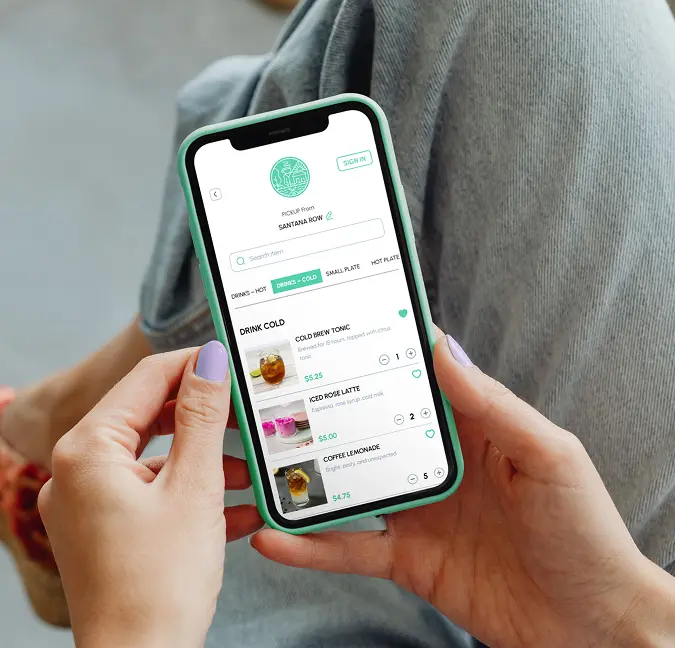
For fine dining restaurants offering takeout experiences during special occasions or as an additional revenue stream, implementing a sophisticated online ordering system maintains brand consistency while expanding service options. Unlike casual restaurants where speed and convenience dominate, fine dining online ordering should emphasize customization, special instructions, wine pairings, and precise pickup timing.
Mobile optimization is non-negotiable, as over 60% of restaurant searches occur on mobile devices. Your reservation and ordering systems must function flawlessly on smartphones and tablets, with appropriately sized touch targets, simplified forms, and responsive layouts that maintain brand sophistication across all screen sizes.
Consider implementing structured data markup specifically for restaurant reservations and menu items. This technical SEO enhancement helps search engines understand your reservation availability and menu offerings, potentially enabling rich results in search that display reservation availability directly in search results-creating a competitive advantage for fine dining establishments.
Fine dining marketing ideas should include a commission-free online ordering system that integrates seamlessly with your website design while providing the functionality customers expect. This approach maintains brand control while avoiding the high commission fees associated with third-party delivery platforms.
Use Structured Data to Clarify the Fine Dining Experience
For fine dining, the click often depends on nuance. A searcher is weighing occasion, cuisine, and booking friction before opening a full page. Structured data helps search engines read those signals more clearly, so essential details are less likely to disappear inside a visually rich site. That matters when the restaurant experience feels polished in person, but the search result still looks vague.
Restaurant, menu, and review markup can support pages built around tasting menus, wine programs, seasonal offerings, and reservation details. The aim is not to force extra keywords into code. It is to connect each page to a clear intent, whether someone is planning an anniversary dinner or checking if the menu fits the moment.
When SEO for fine dining restaurants works well, it removes doubt before the first click. A structured page can tell Google what the restaurant serves, where it operates, and how guests take the next step. That keeps discovery aligned with the actual dining experience instead of asking search engines to guess from images and scattered copy.
Step 5: Monitoring and Adapting Your SEO Strategy
Using Analytics to Track Performance
Implementing comprehensive analytics allows fine dining restaurants to measure the effectiveness of their SEO efforts and make data-driven decisions about future strategy adjustments. Google Analytics provides the foundation for understanding website performance, visitor behavior, and conversion patterns specific to fine dining audiences.
Key performance indicators (KPIs) for fine dining restaurants should include:
- Organic search traffic volume and growth trends
- Conversion rates for reservations and private dining inquiries
- Local search visibility for target keywords
- Average time on site and pages per session
- Mobile vs. desktop usage patterns
- Geographic distribution of visitors
- Search queries driving traffic to your site
Google Search Console provides additional insights specifically related to search performance, showing which queries bring visitors to your site, your average position for various keywords, click-through rates, and technical issues that might impact visibility. This data helps identify opportunities to optimize for high-value keywords that align with fine dining intent.
Local SEO tools like BrightLocal, Moz Local, or SEMrush's local SEO features help track your performance in local search results, monitor review sentiment across platforms, and benchmark against competitors in your market segment. These tools provide visibility into the specific factors that influence local search rankings for fine dining establishments.
Set up custom dashboards that focus on the metrics most relevant to your business goals, whether that's increasing private dining bookings, expanding weekday dinner reservations, or growing wine sales through online visibility. Regular reporting-monthly at minimum-helps identify trends and opportunities that might otherwise go unnoticed.
Iterating on Strategies for Long-Term Growth
SEO for fine dining restaurants requires an iterative approach that continuously refines strategies based on performance data, competitive landscape changes, and evolving search algorithms. Establish a regular cadence for reviewing performance metrics and implementing strategic adjustments.
Content refreshment represents a critical ongoing activity. Update menu pages seasonally, refresh event calendars regularly, and create new content that aligns with changing customer interests and search trends. Search engines reward fresh, relevant content, particularly for restaurants where menu changes and seasonal offerings create natural opportunities for updates.
Competitive analysis should occur quarterly, examining how competing fine dining establishments in your market are adjusting their digital strategies. Monitor changes to their websites, new content initiatives, directory listings, and review management approaches to identify opportunities and threats to your search visibility.
Algorithm updates from Google occur regularly and can significantly impact restaurant visibility. Stay informed about major updates through industry publications and adjust your strategy accordingly. Fine dining restaurants should pay particular attention to updates affecting local search, review management, and mobile experience, as these areas directly impact visibility to your target audience.
Consider implementing A/B testing for critical conversion elements on your website, such as reservation calls-to-action, menu presentations, or private dining inquiry forms. Even small improvements in conversion rates can generate substantial revenue increases for fine dining establishments with high average check values.
Email marketing integration with your SEO strategy creates additional opportunities to engage with customers who discover your restaurant through search. Capture email addresses through reservation systems and website forms, then nurture these relationships through sophisticated content that reflects your brand positioning.
Expert Insight: The most successful fine dining SEO strategies maintain a balance between technical excellence and brand sophistication. While technical SEO factors like site speed, mobile optimization, and structured data provide the foundation, it's the alignment with your unique brand voice and culinary philosophy that truly differentiates your digital presence.
Earn Authority With Press Mentions and Occasion-Based Pages
Fine dining brands rarely build search authority through directory volume alone. A new tasting menu, a guest chef night, or a private dining launch can attract the kind of coverage search engines trust. When local publications, hotel partners, event calendars, and cultural guides link to a relevant page, the restaurant gains context and credibility that a standard listing cannot replicate.
The common mistake is sending every mention to the homepage. Occasion-based pages give each story a stronger destination: private dining, holiday menus, wine dinners, chef collaborations, or pre-theater seating. Those pages also match how people search. Someone planning a rehearsal dinner or milestone celebration is not looking for a brand slogan. They want specifics, and a dedicated page answers that need faster.
Once that traffic arrives, the next step should feel direct and on-brand. Restolabs helps restaurants move guests from discovery to ordering through a commission-free system that keeps the experience under the restaurant’s control. Operators who want SEO for fine dining restaurants to support direct digital revenue can schedule a demo and evaluate the fit.
Elevate Your Fine Dining Experience with Restolabs
Implementing a comprehensive SEO strategy tailored specifically for fine dining creates a powerful competitive advantage in an increasingly digital marketplace. By optimizing your Google Business Profile, crafting sophisticated content with strategic keywords, maintaining consistent directory listings, developing a high-performance website, and continuously monitoring performance, you create multiple pathways for discerning customers to discover your exceptional dining experience.
The digital representation of your restaurant should reflect the same attention to detail, quality, and excellence that defines your culinary approach. When executed properly, SEO for fine dining restaurants doesn't merely increase visibility-it communicates your unique value proposition to precisely the audience most likely to appreciate and invest in the experience you provide.
To complement your SEO efforts with a seamless, commission-free online ordering system that maintains your brand standards and enhances customer data collection, explore Restolabs' solutions designed specifically for fine dining establishments. Our platform integrates elegantly with your existing website while providing the functionality sophisticated customers expect.

Sruthi Sekar specializes in brand strategy, growth, and user experience in the hospitality industry. As the driving force behind Restolabs, she helps restaurants harness technology to scale and thrive. With a background in design, branding, and entrepreneurship, she brings a sharp focus on crafting digital experiences that drive real business impact.
Frequently Asked Questions
Measure success through multiple metrics including organic search traffic growth, conversion rates for reservations and private dining inquiries, keyword rankings for fine dining terms, Google Business Profile views and actions, review quantity and quality, and ultimately, revenue attributable to organic search channels. Implement proper tracking through Google Analytics and set up goal conversions for reservations to quantify the direct impact of your SEO efforts. For fine dining establishments, also track metrics like average reservation value and private dining inquiries, as these high-value conversions often justify SEO investment even with modest traffic increases.
The most effective local SEO strategies for fine dining include optimizing your Google Business Profile with professional photography and complete information, building a strategic review generation program that encourages detailed positive reviews, creating location-specific content that mentions neighborhoods and landmarks near your restaurant, implementing local schema markup on your website, securing listings in high-authority culinary directories, and developing relationships with local influencers and publications for backlinks. Unlike casual restaurants, fine dining establishments should focus on quality over quantity in local citations, prioritizing prestigious directories over mass submissions to general business listings.
Mobile optimization significantly impacts fine dining SEO because approximately 60-70% of restaurant searches occur on mobile devices. Google uses mobile-first indexing, meaning it primarily uses the mobile version of your site for ranking and indexing. Poor mobile performance directly impacts search visibility regardless of how well your desktop site performs. For fine dining specifically, mobile optimization must balance functionality with brand sophistication—maintaining elegant typography, high-quality images, and intuitive navigation while ensuring fast loading times and proper display across all device sizes. Reservation forms and contact information must be easily accessible on mobile to convert mobile searchers into diners.
Common pitfalls include using PDF-only menus that search engines cannot properly index, prioritizing visual aesthetics over website performance, neglecting to optimize for specific fine dining keywords, inconsistent NAP information across listings, failing to respond professionally to negative reviews, using generic content that doesn't differentiate your restaurant, neglecting schema markup for rich results, and underinvesting in professional photography that showcases your unique experience. Fine dining establishments should also avoid over-optimizing content in ways that compromise brand voice or sophistication—keyword stuffing is particularly damaging for luxury positioning where authentic, sophisticated communication is expected.
Customer feedback provides valuable insights for SEO improvement. Analyze reviews to identify common phrases and terminology customers use to describe your restaurant—these represent natural keywords to incorporate into your content. Address recurring themes in feedback by creating content that answers common questions or highlights frequently praised aspects of your experience. Encourage satisfied customers to share specific details in their reviews, as these keyword-rich descriptions improve your relevance for related searches. Respond thoughtfully to all reviews, as your responses appear in search results and demonstrate engagement. Finally, implement structured data markup for reviews on your website to potentially display star ratings in search results, increasing click-through rates.





.webp)

.svg)
.webp)