
.avif)
Key Takeaways
Picture this: It's 7 PM on a Friday night, and your restaurant is buzzing with activity. Orders are flying in from every direction-your website, third-party apps, phone calls, and walk-ins. In the chaos, your staff juggles multiple tablets, each pinging with its own notification system. Sound familiar?
If you're nodding your head, you're not alone. The digital ordering revolution has transformed how restaurants operate, but it's also created new challenges that many owners struggle to navigate. The good news? The right restaurant ordering system can turn this chaos into a symphony of efficiency.
Welcome to the landscape of restaurant ordering systems in 2026, a world where technology isn't just an add-on but the backbone of successful restaurant operations. Whether you're a small family-owned bistro or managing multiple locations, understanding these systems isn't just helpful; it's essential for survival and growth in today's competitive market.
The shift toward digital ordering isn't slowing down. In fact, nearly 60% of digital orders now come from mobile devices, and customers have made their preferences crystal clear: 58% prefer ordering directly from restaurant websites or apps when given a quality experience. These aren't just statistics, they're a roadmap to where your business needs to be.
In this comprehensive guide, we'll explore everything you need to know about restaurant ordering systems. From understanding the fundamental differences between various platforms to discovering how industry leaders like Restolabs, ChowNow, Toast, and others are reshaping the dining experience. We'll dive deep into the features that matter, help you avoid common pitfalls, and show you exactly how to choose a system that aligns with your restaurant's unique needs.
Most importantly, we'll cut through the marketing noise to give you real, actionable insights. Because at the end of the day, you don't just need another piece of technology-you need a solution that enhances your operational efficiency, delights your customers, and ultimately drives your bottom line.
Understanding Restaurant Ordering Systems
What is a Restaurant Ordering System?
Let's start with the basics. A restaurant ordering system is far more than just a digital menu-it's a comprehensive infrastructure that bridges the gap between hungry customers and your kitchen. Think of it as your restaurant's digital nervous system, capturing orders through various channels and translating them into actionable tasks for your team.
At its core, a restaurant ordering system connects multiple touchpoints: your website, mobile app, in-store kiosks, and even third-party platforms. But where it gets interesting is that modern systems don't just capture orders. They integrate with your point-of-sale (POS) system, communicate with kitchen display screens, process payments, collect customer data and even help you understand buying patterns.
The beauty of today's systems lies in their sophistication. When a customer places an order through your online ordering system, it automatically flows through your entire operation. No manual entry, no transcription errors, no confusion. Just seamless execution from click to kitchen to customer.
Evolution of Ordering Systems in Restaurants
Remember the days of scribbled orders on paper tickets? If you've been in the restaurant business for more than a decade, you've witnessed a complete transformation. The journey from analog to digital hasn't just changed how we take orders, it's revolutionized the entire dining experience.
The early 2010s marked the beginning of this digital revolution with the introduction of cloud-based point-of-sale systems. These systems replaced clunky hardware with sleek tablets and moved data storage from local servers to the cloud. Suddenly, restaurant owners could access their data from anywhere, anytime.
But the real catalyst for change? The COVID-19 pandemic. What might have taken another decade to evolve happened almost overnight. Restaurants that had resisted digital transformation suddenly found themselves scrambling to implement online ordering systems. It wasn't just about convenience anymore, it was about survival.
Today's landscape looks radically different. We're seeing the emergence of AI-powered voice ordering, with major brands like Yum! Brands rolling out AI to 500 drive-through locations. These AI agents don't just take orders-they upsell, answer questions, and handle complex requests with natural-sounding voices.
Types of Restaurant Ordering Systems
Not all ordering systems are created equal. Understanding the different types available is crucial for making an informed decision for your business. Let me break down the main categories:
Commission-Free Direct Ordering Systems are the game-changers for profit-conscious restaurants. Platforms like Square Online, DoorDash Online Ordering, ChowNow, and Restolabs enable you to accept orders directly through your own channels without paying hefty marketplace fees. With Restolabs, for instance, you maintain complete control over your pricing, menu presentation, and most importantly, your customer data.
Integrated POS Systems take a different approach. Companies like Toast, Oracle Simphony, and Upserve (now Lightspeed) offer comprehensive platforms where ordering is just one piece of a larger puzzle. These systems excel at creating a unified ecosystem for your entire operation.
Third-Party Marketplace Platforms-we all know them: DoorDash, Uber Eats, and Grubhub. While they provide valuable customer reach and delivery infrastructure, they come with a cost. Commission fees typically range from 15% to 30% per order, significantly impacting your margins. Many successful restaurants now use a hybrid approach, maintaining marketplace presence while prioritizing their own direct channels.
The key is understanding that each type serves different needs. A quick-service restaurant might thrive with a simple commission-free system, while a full-service establishment with complex operations might benefit from an integrated POS solution. The magic happens when you find the right fit for your specific situation.
Key Features of an Effective Online Ordering System
User-Friendly Interface
Let's talk about what really matters: the customer experience. You've probably abandoned an online order yourself because the interface was confusing or the process took too long. Your customers are no different. In fact, research shows that poor user interface design is one of the leading causes of cart abandonment in digital ordering.
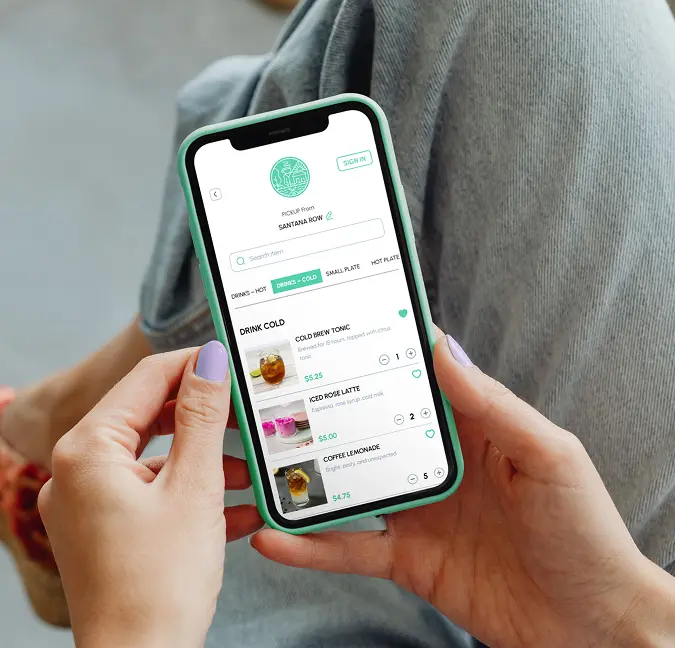
A truly effective online ordering system for restaurants puts simplicity first. This means intuitive navigation that guides customers naturally from menu browsing to checkout. Visual menu presentation matters more than you might think-high-quality images, clear descriptions, and logical categorization can mean the difference between a completed order and an abandoned cart.
But here's what many restaurant owners overlook: the staff interface is equally important. Your team needs to manage orders efficiently during rush hours. Look for systems with customizable kitchen displays, color-coded order prioritization, and real-time status updates. Restolabs understands this balance, offering interfaces that work seamlessly for both customers placing orders and staff fulfilling them.
Mobile optimization isn't optional anymore-it's essential. With mobile devices driving the majority of digital orders, your restaurant online ordering system must provide a flawless mobile experience. This means responsive design that adapts to any screen size, touch-friendly buttons, and a checkout process that doesn't require excessive scrolling or zooming.
Integration Capabilities
Here's where many restaurants stumble: they choose an ordering system in isolation, then struggle when it doesn't play nicely with their existing tools. Integration isn't just a technical feature, it's the foundation of operational efficiency.
Think about your current setup. You likely have a POS system, perhaps a kitchen display system, definitely payment processing, and maybe inventory management software. When these systems don't communicate, you're stuck with manual workarounds that eat up time and introduce errors.
Seamless integration means orders flow automatically from your website to your POS, then to your kitchen displays, while simultaneously updating inventory and processing payments. No double entry, no tablet juggling, no confusion. Restolabs, for example, integrates with key POS systems like Toast, Clover and over 50 payment processors and major delivery platforms, ensuring compatibility with your existing infrastructure.
The best online restaurant ordering system solutions offer what's called "dynamic menu synchronization." Update a price in your POS, and it automatically reflects everywhere, your website, mobile app, and third-party platforms. Run out of an ingredient? Mark it unavailable once, and customers won't be able to order it anywhere. This level of integration transforms how you operate.
Data Analytics and Customer Insights
Data is your secret weapon in the competitive restaurant landscape. But raw data without insights is like having ingredients without a recipe, potentially valuable but practically useless. Modern ordering systems transform data into actionable intelligence.
A robust restaurant order management system tracks everything: which items sell best at what times, customer ordering patterns, average order values, and repeat customer rates. But here's the crucial part, it presents this information in ways that drive decisions. Imagine knowing that customers who order your signature appetizer are 40% more likely to become repeat customers. That's the kind of insight that shapes marketing strategies.
Customer data ownership represents one of the most significant advantages of direct ordering systems. When customers order through your channels rather than third-party marketplaces, you capture invaluable information: contact details, preferences, order history, and behavioral patterns. This data enables sophisticated loyalty programs and targeted marketing that marketplace ordering simply can't match.
Predictive analytics takes this further. Advanced systems analyze historical data combined with external factors like weather patterns and local events to forecast demand. Restaurants using these tools report 20% reductions in food waste and 15% improvements in labor efficiency. That's real money back in your pocket.
Customization and Scalability
Your restaurant is unique, and your ordering system should reflect that. Cookie-cutter solutions might work initially, but as you grow and evolve, you need flexibility. This is where customization becomes critical.
Effective systems allow you to tailor every aspect of the ordering experience. Menu customization goes beyond listing items, it includes complex modifier systems, allergen information, and preparation options specific to your kitchen. Pricing flexibility enables surge pricing during peak times, location-specific pricing for multi-unit operations, or special promotional rates for loyal customers.
Scalability isn't just about handling more orders, it's about growing intelligently. Can your system handle multiple locations without requiring separate setups? Can you add new revenue streams like catering or meal kits without overhauling your infrastructure? The best online ordering system for restaurants grows with you, not against you.
White-label capabilities deserve special mention. Platforms like Restolabs allow you to maintain your brand identity completely. Customers see your logo, your colors, your messaging and not the platform provider's. This brand consistency builds trust and recognition that generic solutions simply can't match.
Security, Reliability, and Data Ownership
Customers notice speed, but they remember failure. If payments stall, order confirmations lag, or menu updates do not sync, the problem lands on the restaurant's reputation. That is why restaurant ordering systems need more than sleek design. Operators should ask how the platform handles payment processing, downtime scenarios, and access controls when multiple managers, staff members, and locations touch the same system.
Data ownership matters just as much. A restaurant should be able to see who ordered, what they bought, and how often they return without handing the customer relationship to a marketplace. When that information stays visible and usable, marketing becomes more precise. Teams can follow up after a lapse, spotlight popular items, or build offers around real ordering behavior instead of guesswork.
Reliability also shows up in ordinary moments: a sold-out item at 7 p.m., a sudden delivery pause, a menu update before lunch. Good systems make those changes fast, because delay creates chaos at the counter and confusion on the customer side. When operators evaluate platforms, they should look past front-end polish and test the controls they will actually use during a busy shift.
Top Restaurant Ordering Systems in 2026
1. Restolabs
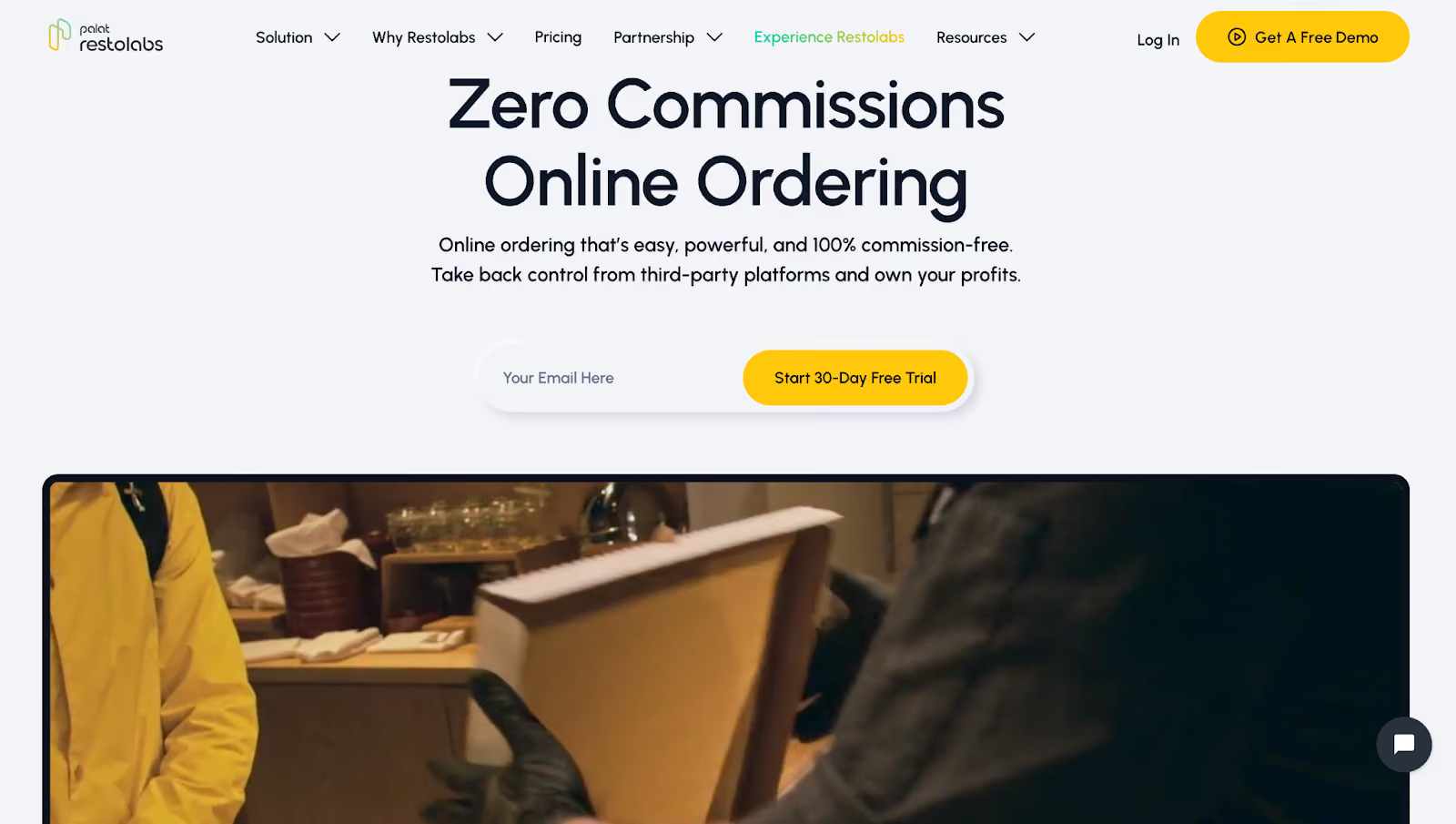
Let's start with a platform that's redefining what restaurant owners should expect from their ordering systems. Restolabs has built its reputation on three pillars: flexibility, simplicity, and true commission-free ordering, giving restaurants control over both operations and revenue.
Key benefits for restaurants:
- Seamless integration: Works with over 30 payment processors, including PayPal, Stripe, and Authorize.net, so restaurants can keep the systems they already trust.
- Fast setup: Menus can be shared and ordering launched in as little as five days.
- Multi-fulfillment support: Handles pickup, delivery, and curbside orders in a single, streamlined flow.
- High-value orders made easy: Smoothly manages catering and large orders without extra complexity.
- Branded experience: Every ordering channel from website, mobile app to QR ordering reflects the restaurant’s own brand.
- Actionable insights: Analytics dashboard highlights best-selling items, customer patterns, and sales trends without overwhelming data.
- Customer engagement tools: Built-in loyalty, points, and promo options help restaurants retain and reward customers.
- Accessible and inclusive: Multi-language support (English, Spanish, French, Mandarin) ensures customers feel welcome.
- Transparent pricing: No hidden fees, no commissions and operators know exactly what they’re paying for.
By combining operational flexibility, fast deployment, and tools that focus on results, Restolabs empowers restaurants to own their digital ordering experience and grow their business efficiently.
2. ChowNow
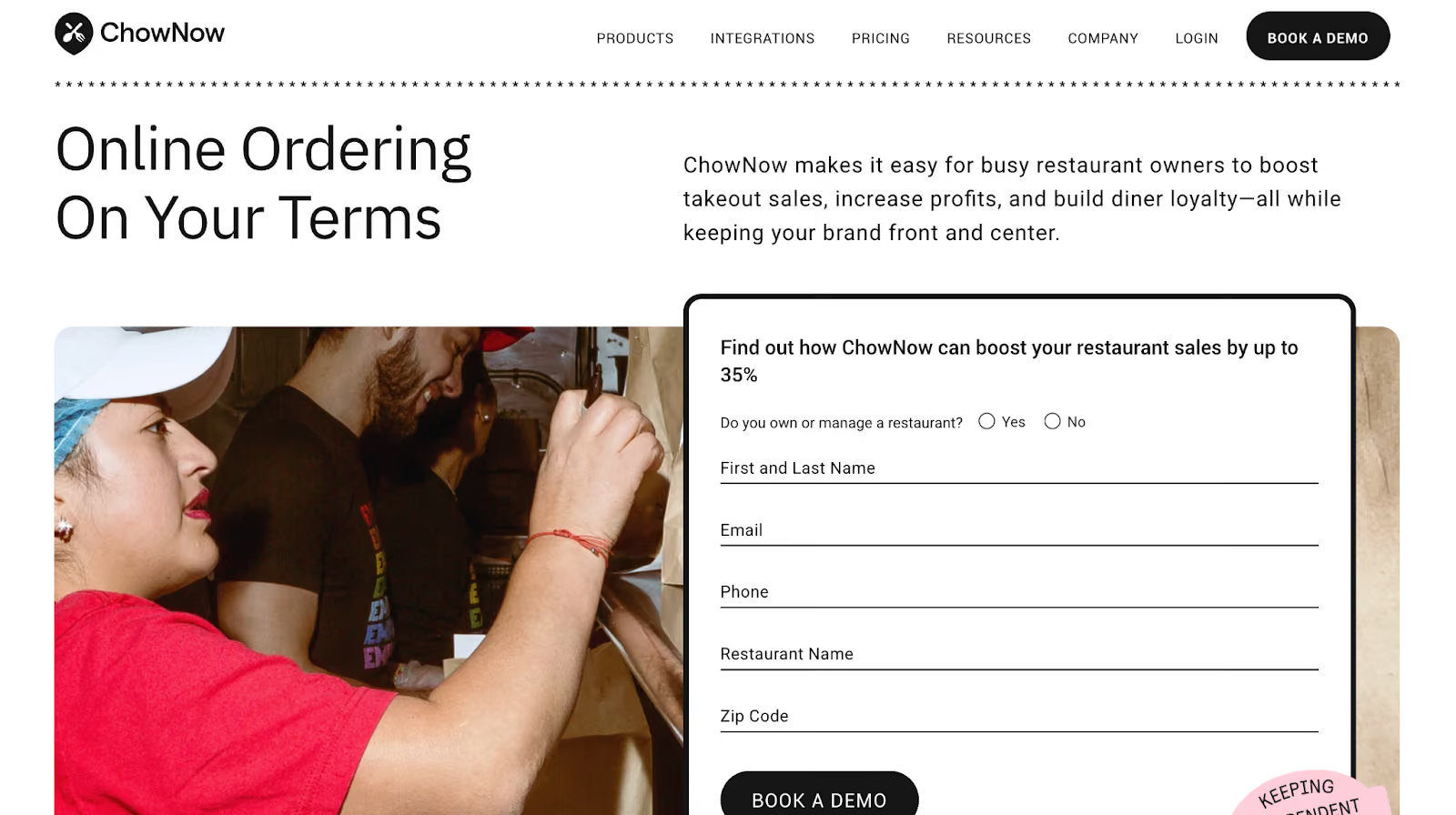
ChowNow is a direct ordering platform used by over 22,000 independent restaurants, built around a subscription model rather than per-order commissions. Restaurants typically pay a monthly fee (roughly $119–$328 depending on the plan), along with one-time setup costs and standard payment processing fees. Some delivery options may also include additional flat fees.
The platform supports online ordering through a restaurant’s website and branded mobile app, with menu management and POS integrations designed to fit into existing workflows. ChowNow also includes built-in marketing tools such as email campaigns, promotions, and loyalty programs, all managed from a single dashboard.
That said, operators commonly note certain trade-offs. Reviews and feedback point to limitations in menu flexibility, occasional technical or integration issues, and inconsistent customer support experiences. Because ChowNow does not operate its own delivery fleet, restaurants are responsible for managing delivery logistics, which can add operational overhead. While the subscription model avoids commissions, total costs still include processing fees and add-ons that restaurants need to factor into long-term budgeting.
3. Toast
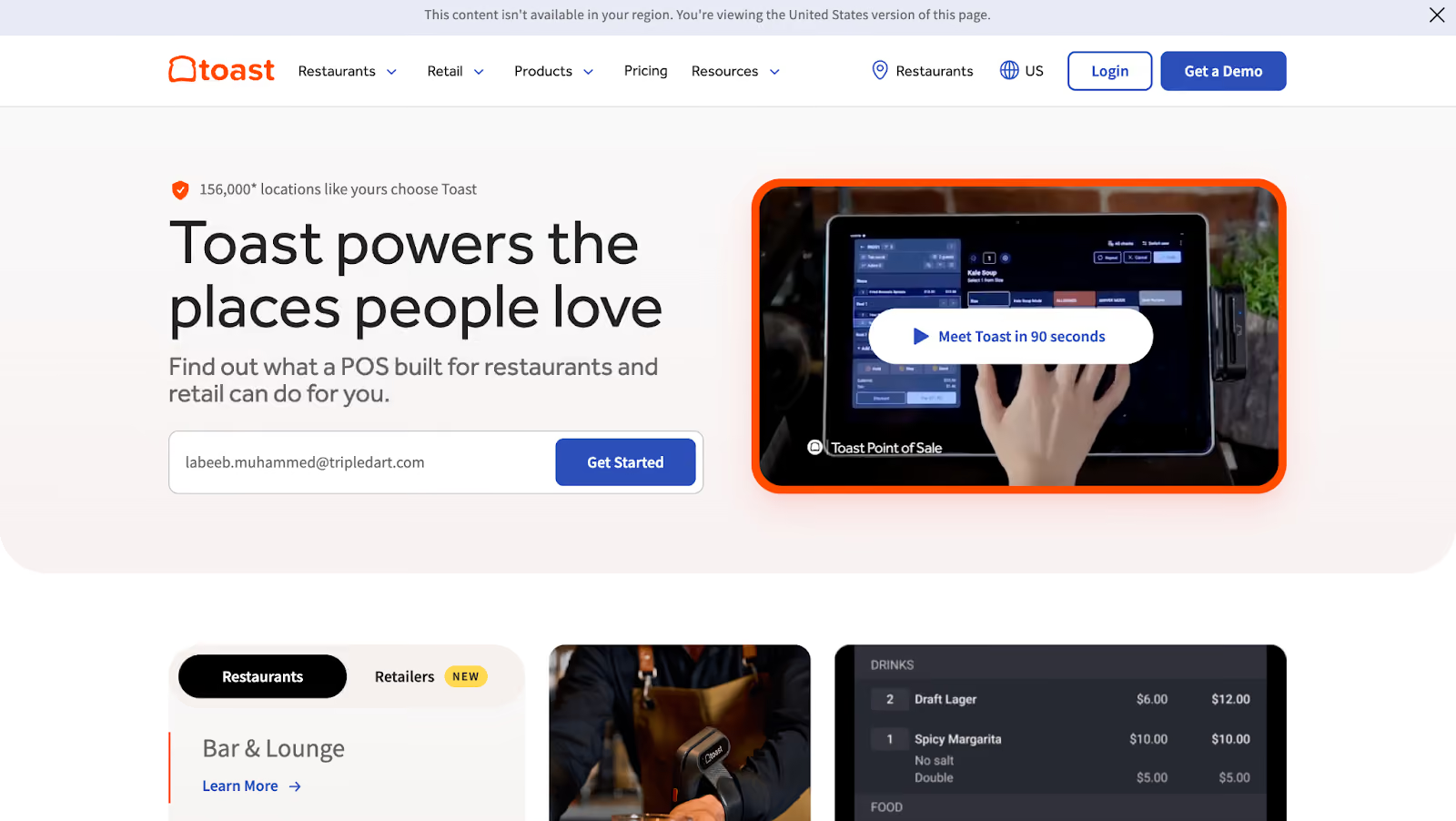
Toast is best understood as a point-of-sale–first restaurant operating system, built to centralize front-of-house, back-of-house, and management workflows. Online ordering is one part of this broader ecosystem, rather than the primary focus of the platform.
The system is particularly well suited for restaurants that want deep operational control. Features such as SmartCoursing support coordinated multi-course service in full-service environments, while real-time inventory tracking helps prevent out-of-stock situations. Automated purchase orders can also be triggered when ingredient levels fall below predefined thresholds, reducing manual oversight.
Toast’s reporting and benchmarking tools add another layer of context. Restaurants can compare metrics such as labor costs, ticket size, and performance against similar businesses at a regional or national level. This helps operators understand how they stack up relative to industry norms, rather than relying solely on internal data.
From a pricing perspective, Toast follows a modular, usage-based model. While entry-level plans may appear low or even advertised as $0 for basic POS functionality, most restaurants incur additional costs as they add hardware, payment processing, advanced features, and add-ons such as online ordering. As a result, total monthly spend often scales with operational complexity rather than remaining flat.
4. DoorDash Online Ordering
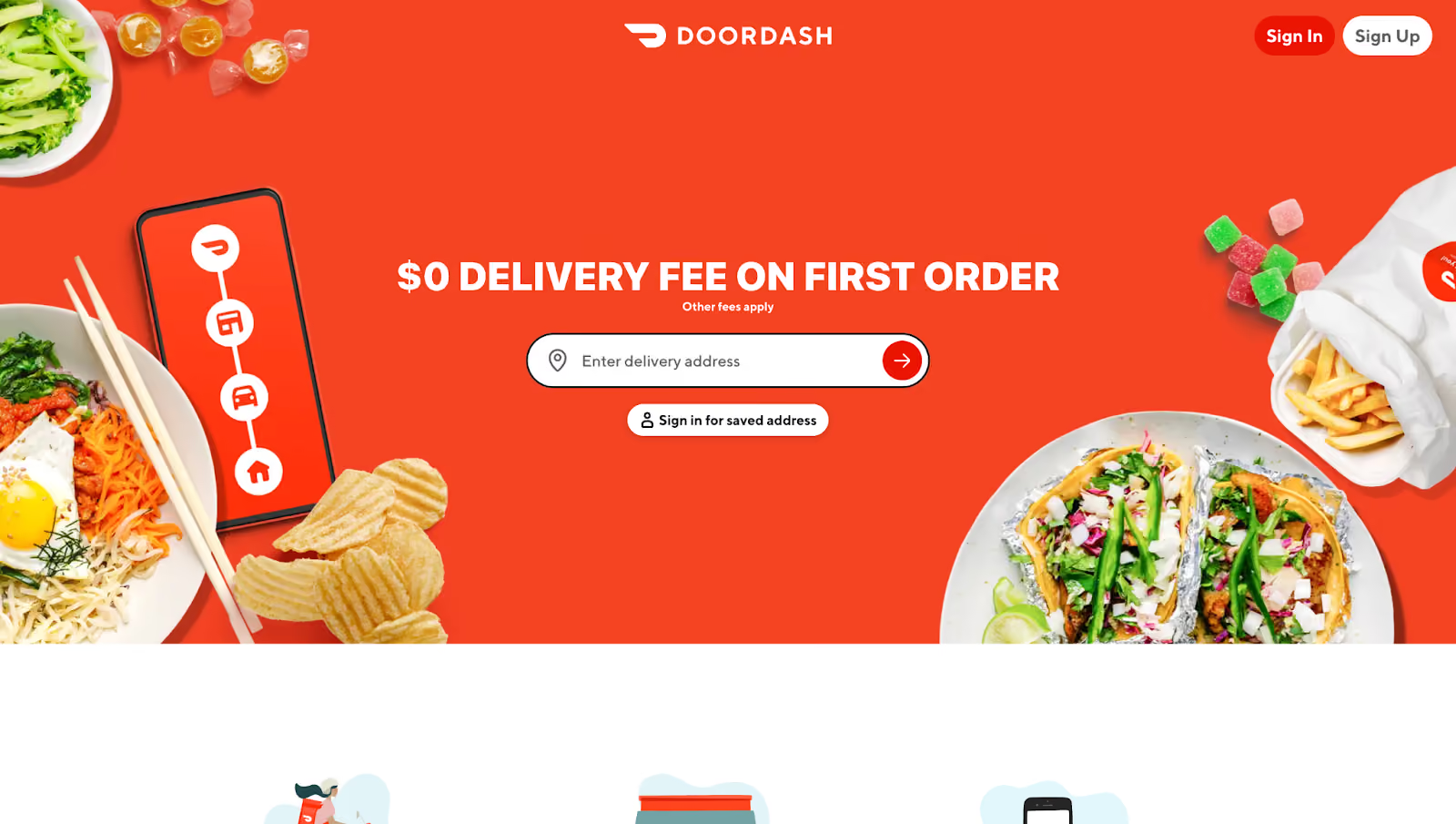
DoorDash also offers an online ordering option for restaurants already using its marketplace. The product is designed to let existing DoorDash partners accept direct orders while relying on DoorDash’s infrastructure, particularly for delivery.
Setup is relatively quick for restaurants already on the DoorDash platform, since menus, payments, and fulfillment workflows are largely preconfigured. Ordering links can be added to a restaurant’s website, and delivery for these direct orders can be fulfilled through DoorDash Drive using a flat-fee model rather than percentage-based commissions.
Pricing follows a tiered structure. A basic version is available at no monthly cost, with paid plans adding marketing features or branded mobile apps at higher monthly rates. As with most DoorDash products, total costs vary depending on the features used and delivery volume.
Because the ordering experience and delivery are closely tied to DoorDash’s ecosystem, restaurants typically trade speed and convenience for a higher level of platform dependence. For operators already invested in DoorDash, this can simplify operations. For those focused on building an independent, fully owned ordering channel, the level of reliance on a third-party platform is an important consideration.
5.Menufy
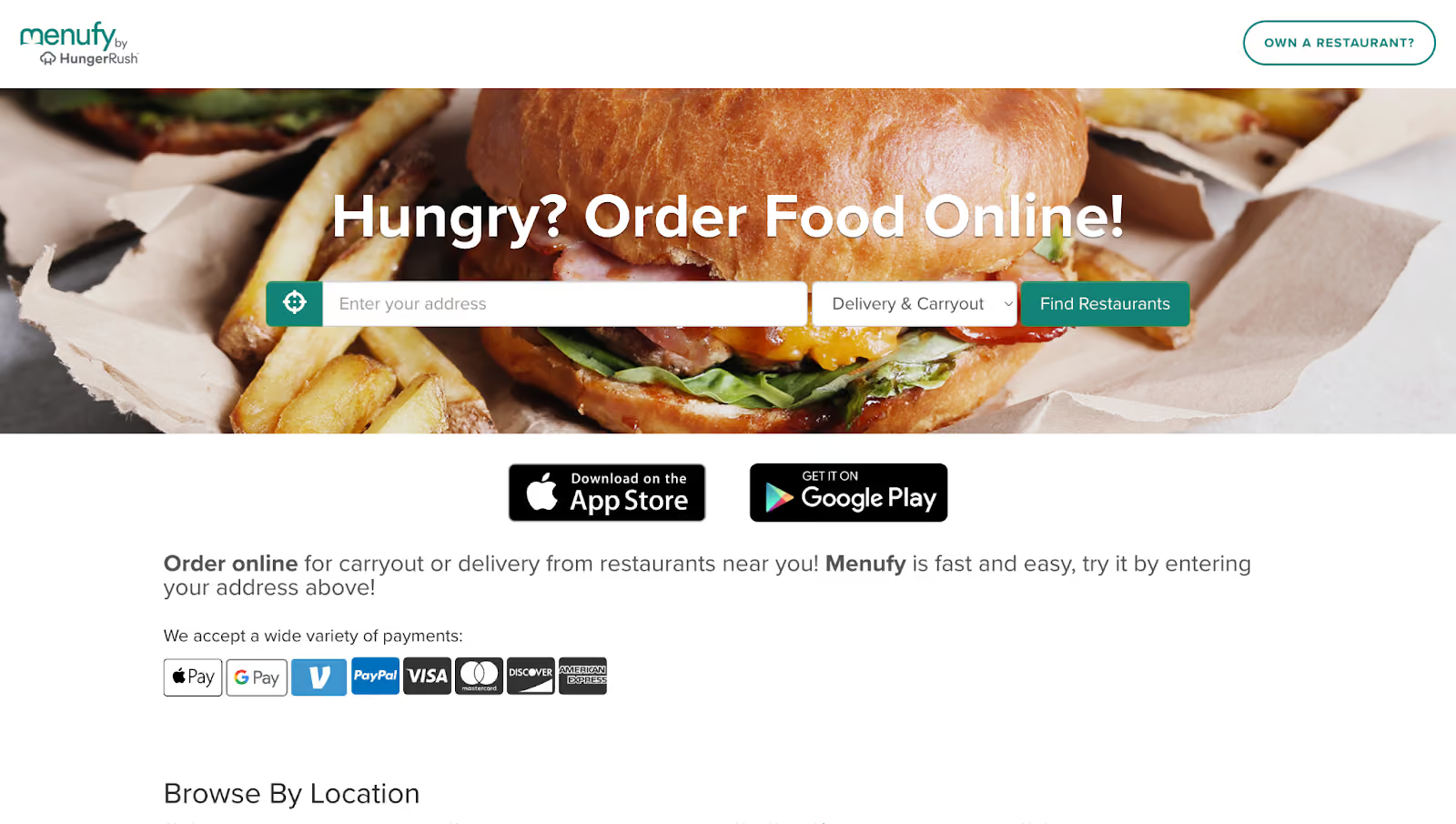
Menufy operates primarily as an online ordering marketplace, combining ordering, delivery coordination, and restaurant discovery within its own network. While it offers optional services such as website setup and menu onboarding, the core model centers on listing restaurants within the Menufy ecosystem rather than building an independent ordering channel.
The platform charges a delivery commission that is typically lower than large marketplaces, positioning itself as a more cost-conscious alternative for restaurants seeking marketplace-driven orders. Restaurants are also listed in Menufy’s directory and mobile apps, which can increase visibility, particularly for operators without strong direct marketing reach.
Menufy includes a built-in loyalty program, allowing restaurants to offer basic rewards without additional tools or custom development. However, because ordering and customer interactions largely occur within Menufy’s platform, restaurants generally trade ownership and control for access to Menufy’s audience and delivery infrastructure.
7. Popmenu
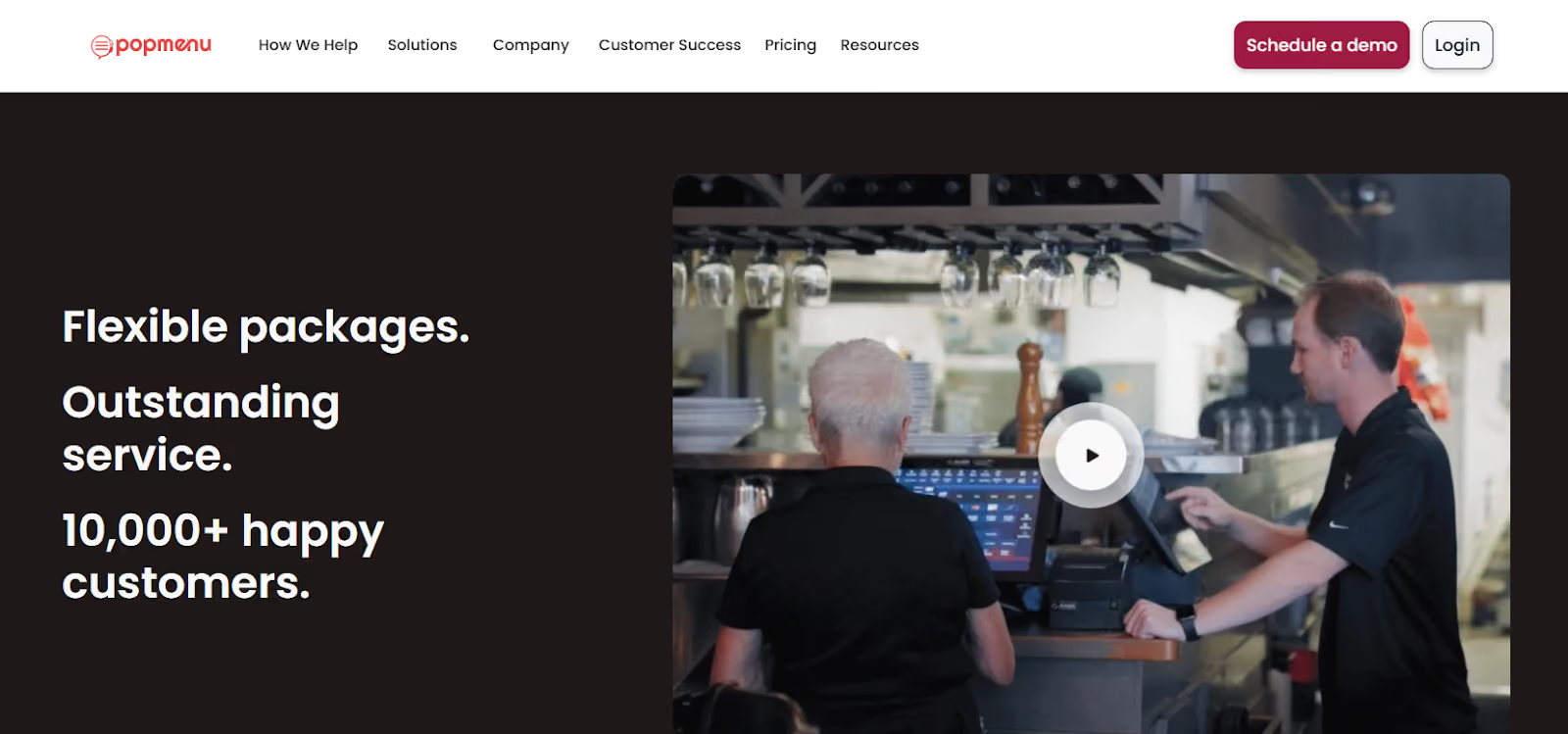
Popmenu positions itself as an ordering and marketing platform, with a strong emphasis on automation. Its system uses customer interaction data to surface upsell suggestions and menu prompts, aiming to increase order value through guided ordering rather than manual promotions.
Delivery for direct orders can be handled through third-party services such as DoorDash Drive, allowing restaurants to offer delivery without operating their own fleet. While this avoids marketplace commissions, delivery and marketing workflows remain dependent on external partners.
Popmenu’s plans start around $159–$179 per month for a basic website and menu, with online ordering and catering available as paid add-ons on top of the base subscription, and higher-tier plans costing more depending on marketing and engagement features.
Popmenu also offers a mobile app for operators, designed for monitoring orders, responding to issues, and managing activity away from a desktop. This is particularly useful for owners overseeing multiple locations, though most advanced capabilities remain tied to Popmenu’s broader marketing and engagement stack rather than online ordering alone.
8. Upserve (Lightspeed Restaurant)
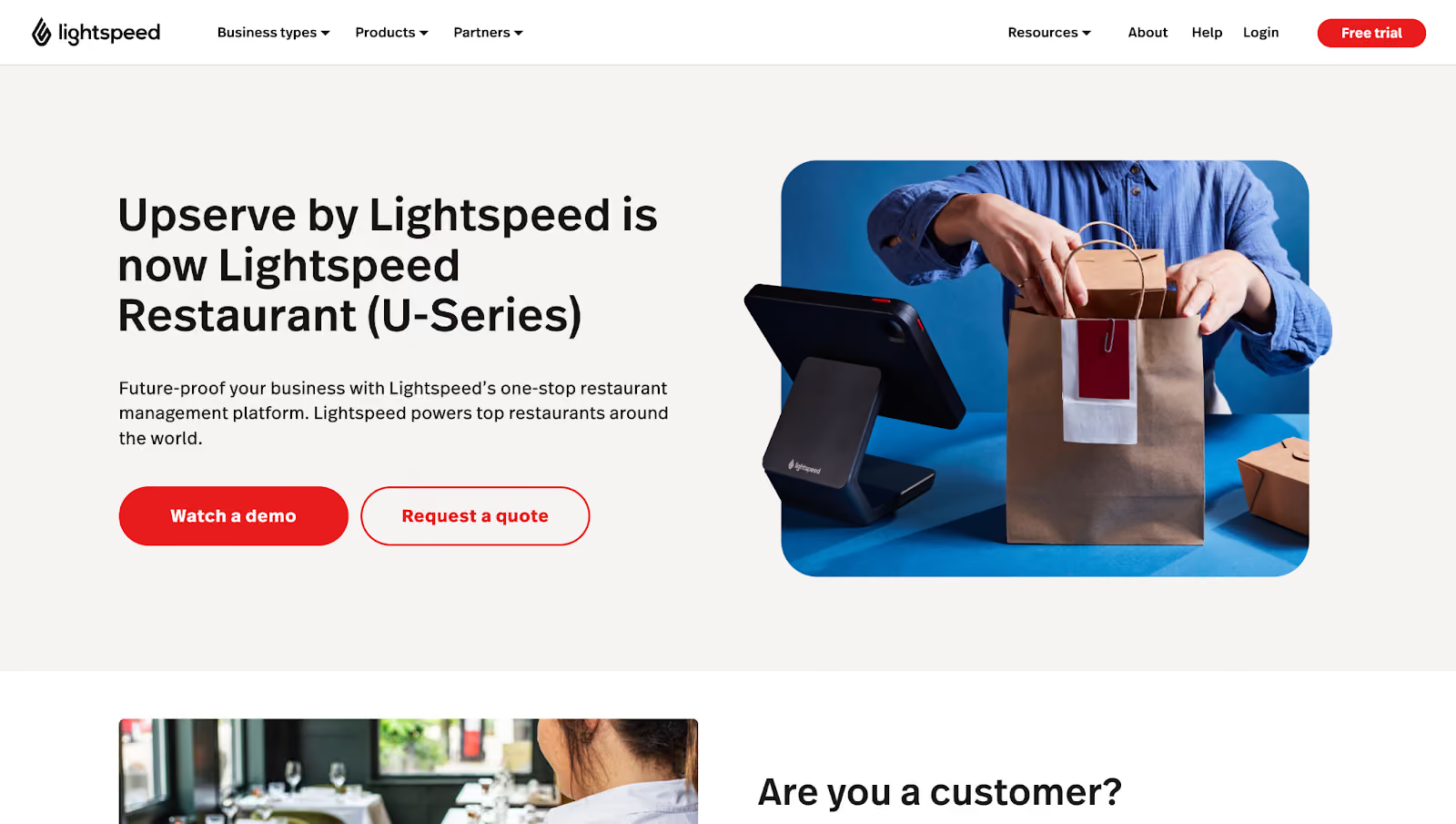
Now operating under Lightspeed, Upserve is best understood as a point-of-sale and restaurant management platform, with strengths rooted in front-of-house operations, inventory, and guest insights rather than online ordering.
The system is well suited for restaurants with complex service flows. Features such as split checks, table and course management, and detailed inventory tracking support full-service environments. Upserve’s Guest Book automatically builds customer profiles based on transaction data, giving restaurants insight into visit frequency and spending patterns without requiring formal loyalty program sign-ups. This passive data collection supports better in-store service and personalization.Upserve offers online ordering features that are integrated directly into its Lightspeed Restaurant (Upserve) POS, so orders flow into the core system and sync with menus and inventory. While these capabilities are part of the broader Upserve ecosystem, the platform is primarily positioned as a POS and operations solution, with online ordering included alongside other management tools rather than serving as a standalone ordering product
How to Choose the Right Ordering System for Your Restaurant
Factors to Consider
Choosing the right restaurant order system isn't just about comparing features lists, it's about finding the solution that aligns with your specific operational needs, growth plans, and customer expectations. Let me walk you through the critical factors that will determine your success.
- Budget Considerations Go Beyond Monthly Fees. Yes, you need to evaluate subscription costs, but that's just the beginning. Consider payment processing fees, which typically range from 2.8% to 3.5% per transaction. Factor in implementation costs, including staff training time and potential revenue loss during the transition period. A platform offering zero monthly fees might seem attractive, but if it lacks crucial integrations, you'll spend more on workarounds than you'd save on subscriptions.
- Integration Requirements Can Make or Break Your Operation. Take inventory of your current technology stack. Do you have a POS system you're happy with? Kitchen display systems already in place? Loyalty programs your customers love? Your ordering system must integrate seamlessly with these tools. Restolabs, for instance, connects with over 30 payment processors and major delivery platforms like Doordash and Uber Direct, respecting your existing infrastructure rather than forcing wholesale changes.
- Customer Demographics Drive Feature Priorities. A college campus pizza shop needs different capabilities than a fine dining establishment. Mobile-first design might be crucial for quick-service restaurants targeting younger demographics, while table-side QR code ordering could transform the experience for casual dining. Analyze your customer base: How do they currently order? What frustrations do they experience? What would delight them?
- Growth Trajectory Demands Scalability. Where will your restaurant be in two years? Five years? If you're planning additional locations, ensure your system can handle multi-location management without requiring separate setups for each site. Cloud-based solutions like Restolabs scale effortlessly-add a new location, inherit your proven setup, and start taking orders immediately.
Common Mistakes To Avoid
I've seen too many restaurants make costly mistakes when selecting ordering systems. Learning from others' errors can save you significant time, money, and frustration.
- The Feature Overload Fallacy: More features don't equal better results. I've watched restaurants implement sophisticated systems with capabilities they'll never use while missing basic functionality they need daily. Start with your must-haves: reliable order flow, accurate menu syncing, and clear reporting. Build from there based on actual needs, not hypothetical possibilities.
- Underestimating Implementation Impact: The best system poorly implemented becomes a liability. Budget adequate time for staff training, typically two to three weeks for full proficiency. Include your team in the selection process. They'll use this system every day; their buy-in is crucial for success. Plan for a soft launch, testing with a small customer group before full rollout.
- Ignoring Mobile Optimization: This might be the most expensive mistake in 2026. With 60% of digital orders coming from mobile devices, a desktop-first platform is planning for yesterday's customers. Test any system extensively on mobile devices. If the checkout process frustrates you, it'll frustrate your customers and they'll order elsewhere.
- Neglecting Data Ownership: When you rely entirely on third-party marketplaces, you're building someone else's business. Direct ordering through platforms like ChowNow or Restolabs ensures you own customer data, enabling targeted marketing and loyalty programs that drive repeat business. This ownership translates directly to higher lifetime customer value.
Implementation Checklist for Restaurant Ordering Systems
Once a system is selected, the real work starts. Menus have to match the kitchen's pace, modifiers need clean logic, and pickup windows cannot be left to guesswork. A restaurant that skips these details often blames the software for issues created during setup. Strong restaurant ordering systems earn trust when the first weekend runs smoothly, not when the demo looks polished.
A disciplined rollout usually covers four areas: staff training, device testing, order routing, and customer messaging. Cashiers should know what happens when an order fails. Managers should test refunds, pauses, and out-of-stock changes before launch day. Even a small pilot, perhaps a soft launch on one channel or one location, can reveal friction while the stakes are still low.
For operators that want less trial and error, Restolabs positions setup as part of the launch conversation rather than an afterthought. That matters when teams need menus published, integrations connected, and ordering live without dragging through a long build cycle. Restaurants comparing rollout support can Book a Demo to see how Restolabs handles implementation.
Future Trends in Restaurant Ordering Systems
The Rise of AI and Automation
Artificial intelligence isn't coming to the restaurant industry-it's already here, transforming operations in ways we couldn't imagine just a few years ago. But unlike the hype you might hear, the real AI revolution in restaurants is practical, profitable, and happening right now.
Voice AI is leading the charge, with major chains like Yum! Brands rolling out AI-powered ordering to hundreds of locations. These aren't robotic voices reading scripts, they're sophisticated systems that understand accents, handle complex modifications, and even detect customer sentiment. More impressively, they're proving better at upselling than human staff, consistently increasing average order values by 20-40%.
Predictive analytics powered by machine learning is eliminating guesswork from restaurant operations. By analyzing historical sales data alongside external factors like weather patterns and local events, AI can forecast demand with startling accuracy. Restaurants using predictive analytics report 20% reductions in food waste and 15% improvements in labor efficiency. Imagine knowing exactly how many staff to schedule next Tuesday or how much inventory to order for the upcoming holiday weekend.
Personalization engines are creating individualized experiences at scale. When a customer opens your ordering app, AI analyzes their history, preferences, and even the time of day to suggest items they're likely to enjoy. This isn't creepy surveillance, it's thoughtful service that increases satisfaction while boosting order values. Customers feel understood, and restaurants see measurable revenue increases.
But here's what excites me most: restaurant order management system automation is democratizing capabilities once reserved for major chains. Small independent restaurants can now access AI-powered tools through platforms like Restolabs and Popmenu without massive technology investments. The playing field is leveling, and smart operators are seizing the advantage.
Sustainability and Ethical Considerations
The future of restaurant ordering isn't just smarter, it's more sustainable. Environmental consciousness has moved from nice-to-have to business imperative, and ordering systems are evolving to meet this challenge.
Digital ordering inherently reduces paper waste. Kitchen display systems eliminate printed tickets, digital receipts replace paper ones, and online menus save countless printed materials. These might seem like small changes, but multiply them across thousands of orders and the environmental impact is substantial.
AI-powered waste tracking takes sustainability further. Systems like those implemented by Chipotle monitor food waste patterns in real-time, automatically categorizing and measuring discarded items. This data drives smarter purchasing and preparation decisions, reducing waste by up to 35% while maintaining availability. It's a win for the environment and the bottom line.
Forward-thinking platforms now incentivize sustainable customer behavior. Loyalty programs reward customers who bring reusable containers, skip printed receipts, or choose eco-friendly delivery options. These initiatives build brand loyalty among environmentally conscious consumers, an increasingly important demographic that actively seeks businesses aligned with their values.
Energy management integration represents the next frontier. Ordering systems that communicate with kitchen equipment can optimize cooking schedules, reducing energy consumption during slow periods. Smart refrigeration adjusts based on inventory levels and predicted demand. These seemingly small optimizations compound into significant environmental and financial benefits.
The message is clear: sustainability isn't just good ethics, it's good business. Restaurants implementing comprehensive sustainability initiatives report increased customer loyalty, reduced operational costs, and improved staff morale. The future belongs to restaurants that recognize this reality and act accordingly.
Making the Most of Your Restaurant Ordering System
We've covered a lot of ground, from understanding the basics of restaurant ordering systems to exploring cutting-edge AI implementations. But knowledge without action is merely potential. Let's talk about transforming insights into results.
The first step is honest assessment. Where does your restaurant stand today? Are you still juggling multiple tablets? Losing margin to hefty commissions? Missing valuable customer data? Acknowledging current pain points isn't admitting failure-it's the foundation for improvement.
Next, prioritize based on impact. You might want every advanced feature, but what would transform your operation tomorrow? For many restaurants, simply implementing commission-free direct ordering recoups investment within months. Others might prioritize integration to eliminate manual processes. Focus on changes that directly address your biggest challenges.
Implementation deserves your full attention. The difference between restaurants that thrive with new technology and those that struggle often comes down to implementation quality. Invest in proper staff training. Test thoroughly before full launch. Start with a pilot program if needed. Success comes from thoughtful execution, not rushed deployment.
Remember that technology is a tool, not a solution. The best ordering system poorly utilized delivers minimal value. Conversely, a simpler system fully embraced by your team and customers can transform your business. Focus on adoption and optimization as much as selection.
Why Restolabs Could Be Your Best Choice
As we've explored the landscape of restaurant ordering systems, certain truths have emerged. Success requires more than features-it demands flexibility, reliability, and genuine partnership from your technology provider. This is where Restolabs distinguishes itself.
Restolabs understands that your restaurant is unique. That's why they've built a platform that adapts to you, not the other way around. With integrations for over 50 payment processors and compatibility with major delivery platforms and POS systems, Restolabs respects your existing relationships and infrastructure. You shouldn't have to rebuild your entire operation to add online ordering.
The five-day setup timeline isn't just about speed, it's about recognizing that every day without efficient online ordering costs you money. Restolabs' expert team handles the heavy lifting, from menu upload to system configuration, ensuring you launch successfully without disrupting current operations.
Multi-language support reflects the reality of diverse communities and global cuisines. Whether your customers prefer ordering in Spanish, Italian, Mandarin, or English, Restolabs ensures language never becomes a barrier to sales. This inclusivity isn't just good business, it's essential for serving modern communities.
But perhaps most importantly, Restolabs operates on a philosophy of transparency and fairness. No hidden fees lurking in the fine print. No surprise charges appearing months after implementation. No contracts locking you into relationships that no longer serve your needs. Just honest, straightforward pricing that respects your business.
The data ownership you maintain with Restolabs translates directly to business value. Every customer interaction, every ordering pattern, every preference, this intelligence remains yours to leverage for marketing, menu optimization, and strategic decision-making. In an industry where customer relationships determine success, this ownership is invaluable.
Ready to transform your restaurant's digital presence? The path forward is clear, and the tools are available. The question isn't whether to implement a modern ordering system, it's how quickly you can start capturing the benefits.
Book a Demo with Restolabs today and discover how the right ordering system can revolutionize your restaurant operations. Your future customers are already online, ready to order. Make sure they can find you-and that when they do, the experience delights them enough to return again and again.

Sruthi Sekar specializes in brand strategy, growth, and user experience in the hospitality industry. As the driving force behind Restolabs, she helps restaurants harness technology to scale and thrive. With a background in design, branding, and entrepreneurship, she brings a sharp focus on crafting digital experiences that drive real business impact.
Frequently Asked Questions
Restaurant ordering systems eliminate the chaos of manual order management by creating a single, streamlined flow from customer to kitchen. When orders automatically route from your website to your POS and kitchen displays, you remove error-prone manual entry. Staff spend less time managing technology and more time creating great food and experiences. Real-time inventory updates prevent selling items you don't have, while integrated payment processing eliminates end-of-day reconciliation headaches. Studies show restaurants implementing comprehensive ordering systems see 20% improvements in order accuracy and 15% reductions in labor costs.
Integration success starts with verification-ensure your chosen platform has proven integration with your specific POS system, not just claims of compatibility. Look for native integrations rather than third-party workarounds, which often introduce delays and potential failure points. Consider how menu updates will sync: can you change prices in your POS and see them reflected everywhere automatically? Evaluate order flow: will orders appear in your existing kitchen workflow, or will staff need to monitor additional screens? Restolabs' integration approach respects your existing infrastructure, connecting seamlessly with major POS systems without forcing platform changes.
Hidden costs often lurk in payment processing fees, which can range from 2.8% to 3.5% per transaction-always clarify the exact rate. Some platforms charge extra for features advertised as included: premium support, additional locations, or API access. Integration costs can surprise restaurants when "compatible" systems require expensive custom development. Don't forget opportunity costs: time spent training staff, potential revenue loss during transitions, and ongoing maintenance. Marketing features might carry additional fees for email sends or SMS messages. The key is asking detailed questions upfront and getting fee structures in writing. Transparent platforms like Restolabs clearly outline all costs without surprise add-ons.
Security starts with choosing platforms that prioritize data protection through PCI compliance and encrypted transactions. Look for systems using tokenization, which replaces sensitive card data with unique identifiers, preventing breach exposure. Verify the platform's security certifications and ask about their breach history and response protocols. Control access within your team-not everyone needs full system privileges. Regular security updates are crucial; ensure your platform provider maintains current security patches. Customer trust depends on data security, making this a non-negotiable priority for any best restaurant online ordering system.
The future is arriving faster than many restaurants realize. AI-powered voice ordering is moving from pilot programs to widespread deployment, handling phone and drive-through orders with increasing sophistication. Predictive analytics will become standard, helping restaurants forecast demand, optimize inventory, and schedule staff with unprecedented accuracy. Sustainability features will evolve from nice-to-have to competitive necessity, with platforms tracking and incentivizing eco-friendly practices. Integration depth will expand beyond current capabilities, creating truly unified ecosystems where every operational aspect communicates seamlessly. Personalization will reach new levels, with AI creating individual experiences for each customer. Staying informed about these trends ensures your investment remains valuable for years to come.
.jpeg)




.webp)

.svg)
.webp)