
Key Takeaways
- The dinner peak window of 5:30 PM to 8:30 PM local time drives the bulk of daily order volume - post 60 to 90 minutes ahead, not during.
- Friday is the peak ordering day in our 2026 dataset; Thursday morning is the highest-ROI window to promote because it leads the spike.
- Monday is the lowest-volume day platform-wide, making it ideal for win-back campaigns and loyalty incentives.
- Mexican cuisine averages $44+ per order, roughly 13% above the platform average - push group and family bundles, not single entrées.
- More than 60% of Mexican cuisine orders come through pickup, so your promotion CTA should default to pickup, not delivery.
- Cultural moments (Cinco de Mayo, Hispanic Heritage Month, Día de los Muertos, World Cup match days) need a 2-3 week promotional runway, not a same-day post.
Most promotion advice ignores the only question that matters: when.
You already know you should post. You already know Cinco de Mayo and Hispanic Heritage Month exist. What you don't have is a clear read on when Latin diners actually pull out their phones and place an order - and that's the gap that separates a post that gets likes from a campaign that fills your kitchen.
According to the Restolabs 2026 Order Analytics Dataset, which covers more than 4 million orders processed across the Restolabs platform across 2,126 locations and 479 brands from March 2025 to March 2026, the rhythm of Latin restaurant orders is tighter and more predictable than most operators assume. We see Friday as the highest-volume ordering day platform-wide, followed by Thursday and Saturday. That single fact reshapes how a Latin restaurant should plan every campaign.
Why timing beats tactics for Latin restaurant promotion
You can run the most beautiful Instagram carousel of your tacos al pastor. If you post it at 2 PM on a Tuesday, you're talking to an empty room.
The right strategy at the wrong moment is a wasted strategy. And Latin cuisine carries a uniquely dense cultural calendar - Cinco de Mayo, Hispanic Heritage Month, Día de los Muertos, multiple Independence Days, tamale season - that demands an actual plan, not vibes.
According to Toast's 2024 Restaurant Consumer Trends Report, 71% of consumers visit a restaurant's website before dining or ordering. That research window is short and predictable. If your promotion lands in that window, you win the order. If it lands after, you're just feeding the algorithm.
Here's the part most advice misses: engagement data and order data tell different stories. A post can get 800 likes and zero orders. Our order analytics dataset shows us the conversion side - which is the only side that pays rent.
The daily window - when to post for same-day orders
Latin restaurants on Restolabs run on two clear order spikes a day.
In our 2026 order analytics data, we see the lunch rush of 11 AM to 1 PM local time and the dinner peak window of 5:30 PM to 8:30 PM local time driving the bulk of daily order volume. That's the demand curve. Your job is to lead it.
Post your lunch promotion around 10 AM. Post your dinner promotion between 4 PM and 4:30 PM. You're trying to land in the consumer's research window - the moment after they've asked themselves "what's for dinner" but before they've decided.
According to the National Restaurant Association's 2024 State of the Restaurant Industry report, roughly 60% of restaurant orders are now off-premise, up from about 50% in 2019. Off-premise demand is time-sensitive. People decide close to mealtime, which makes that 60-to-90-minute lead window non-negotiable.
Weekday vs. weekend behavior
Weekday lunch belongs to your office and takeout audience. Push individual bowls, burritos, ceviche plates, and combo deals - fast, single-person purchases.
Weekends shift toward family meals and group orders. Mexican cuisine averages $44+ per order in our dataset, roughly 13% above the platform average, and weekend evenings are when that AOV climbs the highest. That's the window to push family platters, party trays, and bundled add-ons.
The weekly promotion calendar
Each day of the week has a job.
Monday is the lowest-volume day in our 2026 dataset. Treat it as your win-back day - push offers to lapsed customers, trigger loyalty campaigns, and focus on reactivating repeat customers rather than acquiring new ones.
Tuesday and Wednesday are taco-night territory. Midweek hooks work because volume is still climbing toward the weekend.
Thursday is the sleeper. It runs second in volume behind Friday but it's the day your promotion has the highest leverage - Thursday morning posts feed Friday's order peak.
Friday and Saturday are demand-conversion days, not demand-generation days. The orders are already coming. Promote to capture them, not to create them.
Sunday belongs to family meals and catering inquiries for the week ahead.
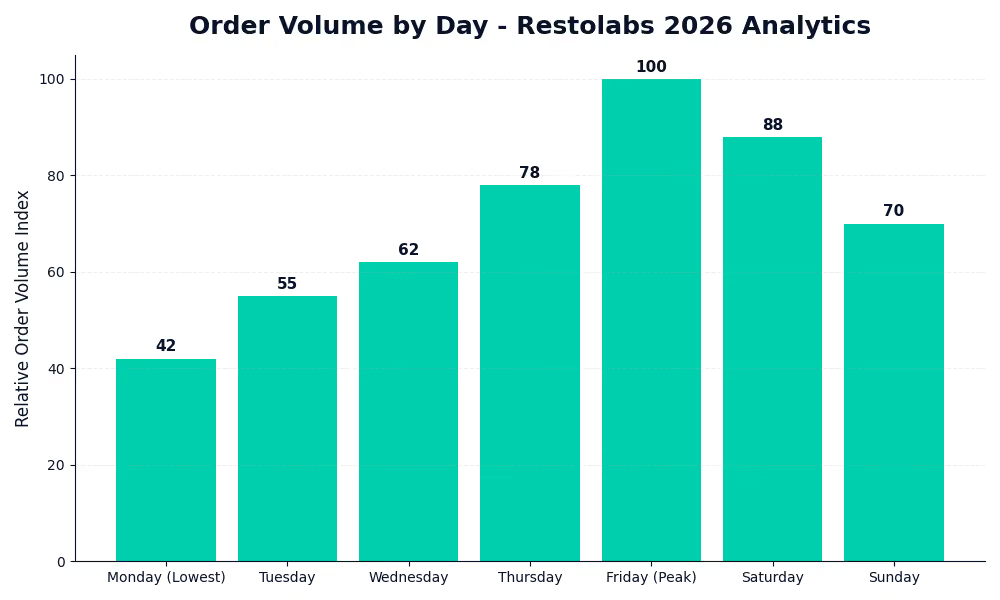
Friday dominates order volume on the Restolabs 2026 Order Analytics Dataset, making it the highest-priority day for Latin American restaurant promotions, while Monday's low volume signals the ideal window for win-back campaigns.
The 7 peak cultural and seasonal moments to promote
This is where Latin restaurants have an advantage chains can't replicate. Cultural authenticity, mapped to a real calendar, beats generic discount messaging every time.
1. Hispanic Heritage Month (Sept 15 - Oct 15)
A 30-day storytelling window. Use it for founder stories, abuela-recipe spotlights, and heritage menu pushes - not flat 10%-off offers.
Start prepping content in mid-August. Peak your posting cadence in the final 10 days when engagement on heritage content compounds. This is also the right window to invest in menu photography that drives online orders.
2. Cinco de Mayo (May 5)
The largest single-day promotion event for Mexican restaurants in the U.S.
Open your promotional runway three weeks out. Daily push in the final five days. Skip the sombrero stereotypes - heritage-forward messaging consistently outperforms costume marketing, and your regular customers notice.
3. Día de los Muertos (Oct 31 - Nov 2)
Authenticity matters more than discounts here. Pair the holiday with limited-edition pan de muerto, mole negro, or tamale menus. Latin bakeries and panaderías see some of their strongest pre-order spikes in this window.
Two-week promotion runway. Lead with story, not price.
4. Latin Restaurant Weeks (varies by region)
Register for inclusion at latinrestaurantweeks.com. Treat it as paid distribution.
Promote your participation directly through your own channels - your registration alone won't carry the press cycle. Run your push for the full participation period plus one week prior.
5. World Cup and Copa América match days
Match days are a catering and group-order goldmine for Latin restaurants. Argentine, Mexican, Colombian, Peruvian, and Central American concepts over-index here.
Push delivery and pre-order promotions 24 to 48 hours before kickoff. Switch to dine-in messaging during the match itself. Latin food trucks running mobile ordering often double their weekly volume on a single big-match day.
6. Independence Days
Mexican Independence (Sept 16), Central American (Sept 15), Chilean (Sept 18), Colombian (July 20), Argentine (July 9), and others. Each draws a specific community - hyper-target by demographics in your delivery radius.
The September cluster overlaps with Hispanic Heritage Month, which doubles the promotional impact when handled well.
7. Holiday catering season (Thanksgiving → Three Kings Day)
Tamale season is the biggest catering window for many Latin restaurants. Start promoting in October. Peak the campaign in the first two weeks of December.
Pre-orders and deposits via online ordering remove most of the operational chaos. This is where direct ordering infrastructure pays for itself in a single season.
When to boost paid ads vs. lean on organic
The biggest paid-ad mistake we see Latin restaurants make is running ads during the rush.
Those orders are already coming. You're spending ad dollars to capture demand that would've arrived anyway. The leverage is upstream.
Run paid pushes 48 to 72 hours ahead of expected peak windows - Wednesday for Friday dinner, the week before Cinco de Mayo, early October for tamale pre-orders. According to Technomic's 2023 Delivery and Takeout Consumer Trend Report, about 37% of consumers are most likely to order delivery for dinner, which gives you a clear target window for paid delivery ad spend in the late afternoon.
Organic content runs continuously, anchored to your cultural calendar. Square's 2023 marketing insights research found that restaurant social posts with a promotion or special offer see engagement rates roughly 1.5 to 2x higher than non-promotional posts. The combination - organic anchor content plus pre-rush paid pushes - is what consistently moves the order needle.
Aligning promotions with your online ordering system
Here's the trap. You promote, you drive traffic, then you lose 20 to 30 cents of every dollar to a third-party delivery app.
Your promotion timing matters less if your funnel leaks. According to the National Restaurant Association's 2024 industry report, 54% of U.S. adults say they're more likely to order takeout or delivery from a restaurant that offers easy online ordering. That intent has to land somewhere you actually own.
Across our platform, 60.1% of orders are fulfilled via pickup or dine-in, representing approximately 2.4 million orders - a pickup-skew that inverts the typical third-party platform assumption. Mexican cuisine runs even higher, with more than 60% pickup orders. Your CTA should default to pickup, not delivery.
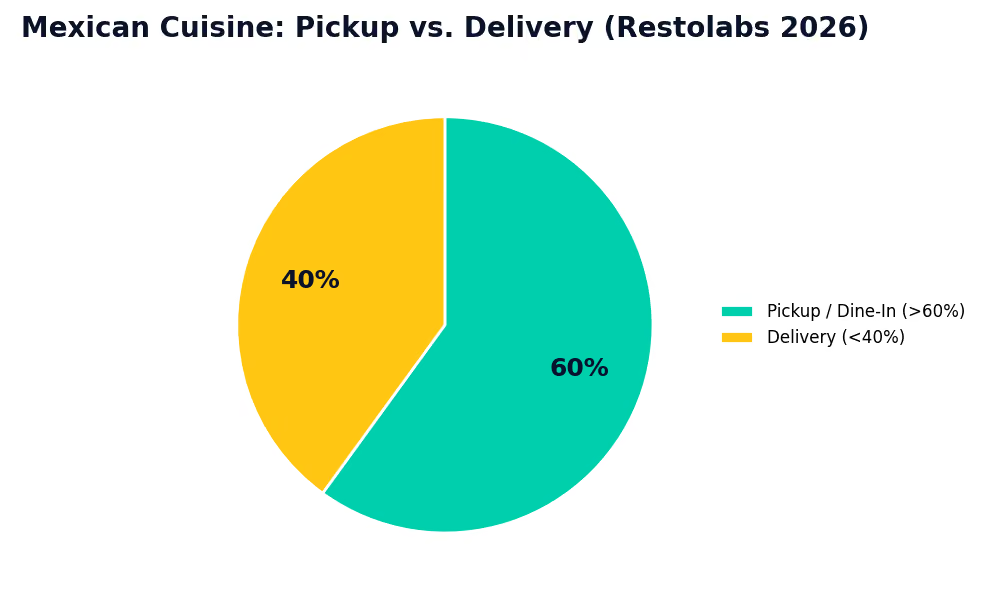
More than 60% of Mexican cuisine orders on the Restolabs 2026 Order Analytics Dataset are fulfilled via pickup, mirroring the platform-wide 60.1% pickup skew and signaling that Latin restaurant promotions should prioritize in-store and curbside pickup messaging over delivery.
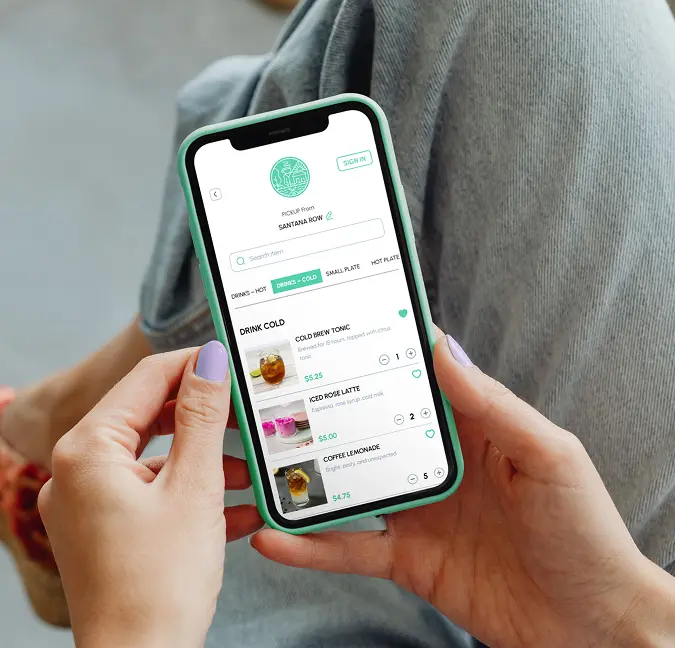
The mechanics matter. A commission-free online ordering system sends every dollar of a promotion-driven order to your bank, not a third party's. A branded mobile app gives you push notifications inside the 60-to-90-minute lead window before each rush. And QR code ordering converts dine-in traffic during peak hours without adding line pressure.
How to measure whether your promotion timing is working
Three metrics tell you the truth: order lift, AOV change, and new vs. repeat split. Social engagement is a leading indicator, not a verdict.
Measure across a seven-day post-promotion window. Anything shorter misses the second-order pickup and the repeat purchases.
In our 2026 dataset we see a median reorder interval of 8.9 days between repeat orders, which means a promotion's full impact often shows up just outside a one-week measurement window. Build that into your read. Restaurant order analytics tied to your ordering system is what makes this measurable instead of speculative.
Look for these in order: did volume rise during the promoted window? Did AOV move? Did your new vs. repeat ratio shift in the direction you targeted?
Building a restaurant promotion calendar you'll actually use
Plan quarterly, not weekly. Quarterly planning forces you to slot cultural moments first, then layer weekly anchors, then add daily windows.
Build the structure once. Refine monthly with your own order data. Three layers:
Layer 1 - Cultural anchors. Cinco de Mayo, Hispanic Heritage Month, Día de los Muertos, World Cup, holiday catering. Block these on the calendar first with their 2-3 week runways.
Layer 2 - Weekly anchors. Monday win-backs, Thursday morning pre-weekend pushes, Sunday catering inquiries.
Layer 3 - Daily windows. Morning lunch posts at 10 AM. Afternoon dinner posts at 4 PM. Mobile app notifications inside the 60-to-90-minute lead window.
The operators we see win consistently aren't the ones with the biggest marketing budgets. They're the ones whose calendar matches the moments their customers actually order.
The takeaway
The right time to promote your Latin restaurant isn't a fixed hour on a poster. It's the moment your data tells you the next order is about to be placed. Build the calendar, measure the lift, then refine.
Book a Demo to see how Restolabs gives Latin restaurants the ordering infrastructure and analytics to spot those moments early.

Sruthi Sekar specializes in brand strategy, growth, and user experience in the hospitality industry. As the driving force behind Restolabs, she helps restaurants harness technology to scale and thrive. With a background in design, branding, and entrepreneurship, she brings a sharp focus on crafting digital experiences that drive real business impact.
Frequently Asked Questions
Lead the rush by 60 to 90 minutes. Post your lunch promotion around 10 AM and your dinner promotion between 4 and 4:30 PM - the dinner peak window of 5:30 PM to 8:30 PM local time drives the bulk of daily order volume in our 2026 dataset.
For Mexican restaurants, Cinco de Mayo is the largest single-day driver. For pan-Latin operators, Hispanic Heritage Month (Sept 15 - Oct 15) and the holiday catering season from Thanksgiving through Three Kings Day usually deliver the most sustained revenue lift.
Two to three weeks out for most cultural holidays. For catering-heavy events like Thanksgiving, Christmas tamale season, and Three Kings Day, start at least four weeks ahead so pre-orders have time to compound.
Before - 48 to 72 hours ahead of expected order spikes. Running paid ads during the rush wastes spend on orders you'd capture anyway through organic demand.
Our 2026 dataset shows Friday as the highest-volume ordering day platform-wide, followed by Thursday and Saturday. Thursday morning is the best window to promote because your post lands inside the customer's planning window for Friday dinner.
Track order lift, AOV change, and new vs. repeat customer mix across a seven-day post-promotion window. Social engagement is a leading indicator, but only order data confirms whether a promotion actually moved revenue.
For most independent and newer Latin restaurants, yes - the visibility and press exposure are valuable. Treat the registration as paid distribution and promote your participation aggressively through your own channels.




.webp)

.svg)
.webp)