
.avif)
Key Takeaways
- Make direct ordering the goal. Commission-free ordering helps Indian restaurants keep more revenue, own customer data, and turn every campaign into a repeat-order opportunity.
- Market the story behind the food. Regional dishes, chef stories, festivals, and ingredient spotlights build trust faster than generic food posts—and every story should link back to a direct ordering page.
- Use reviews as conversion assets. Make reviews easy to leave, respond to all feedback, and reuse guest photos with permission to strengthen credibility.
- Build loyalty around real preferences. Spice levels, vegetarian favorites, festival orders, and repeat purchases can all shape smarter, more personalized offers when the restaurant owns the data.
- Choose technology that fits the menu. Indian restaurants need ordering tools that support modifiers, dietary labels, loyalty, analytics, and integrations with POS, delivery, and payment systems.
The best Indian restaurant marketing ideas in 2026 focus on turning social engagement and festival campaigns into direct, commission-free orders—while building customer loyalty through owned data, authentic storytelling, and culturally relevant promotions. The nine strategies below cover online ordering, social media, reviews, loyalty programs, festival giveaways, community partnerships, cooking events, culturally sensitive menus, and dietary transparency. Each idea is designed to generate revenue the restaurant actually owns.
When an Indian restaurant gets a Friday-night rush, the challenge is rarely demand. It is control. Orders come through third-party apps, spice-level requests get buried, loyal guests become someone else's data, and commissions quietly eat into the margin on every biryani, thali, and family meal.
That is why the strongest Indian restaurant marketing ideas do more than attract attention. They turn interest into direct orders, repeat visits, and customer relationships the restaurant actually owns.
This guide covers nine practical ways to connect authentic cuisine, festival campaigns, reviews, loyalty, and online ordering into a stronger direct revenue engine.
Why Indian Restaurant Marketing Needs Both Authenticity and Direct Ordering
What makes Indian restaurant marketing different from generic restaurant promotion is the depth of the story behind every dish. Regional cuisine, ingredient sourcing, festival traditions, and dietary inclusivity are all marketing assets—when communicated honestly and specifically.
But authenticity alone does not protect margins. According to the National Restaurant Association's 2025 State of the Restaurant Industry report, digital channels now account for the majority of restaurant discovery interactions. That visibility only pays off when it leads to a direct order the restaurant controls—not a marketplace transaction that takes 20–30% off the top.
Effective Indian restaurant marketing ideas connect cultural authenticity with commission-free online ordering, customer data ownership, and loyalty tools built for the complexity of Indian menus.
Stop paying commissions. Start owning every orders.


.svg)
Unlocking Indian Restaurant Growth: Proven Strategies for Modern Success
Indian restaurant owners face a market where demand for authentic global flavors is growing—but so is the cost of being discovered through the wrong channels. Third-party platforms bring traffic, but they do not build restaurant equity. The most effective Indian restaurant marketing ideas are organized around pillars that build both visibility and ownership:
- Digital visibility and engagement (websites, social media, online ordering)
- Community connection and local adaptation (festivals, partnerships, reviews)
- Operational excellence and guest loyalty (loyalty programs, personalized offers)
- Authentic storytelling (ingredient sourcing, traditional methods, culture)
- Dietary inclusivity and transparency
Each category below includes practical ideas restaurants can implement right away.
Quick Reference: 9 Indian Restaurant Marketing Ideas at a Glance
5 Practical Marketing Ideas for More Orders
1. Dynamic, Mobile-Optimized Website with Integrated Online Ordering
When a guest searches "best biryani near me" from their phone, the restaurant has a small window to win the order. If the menu is hard to read, the ordering button is buried, or spice-level options are missing, that guest will not wait. They will tap the next result.
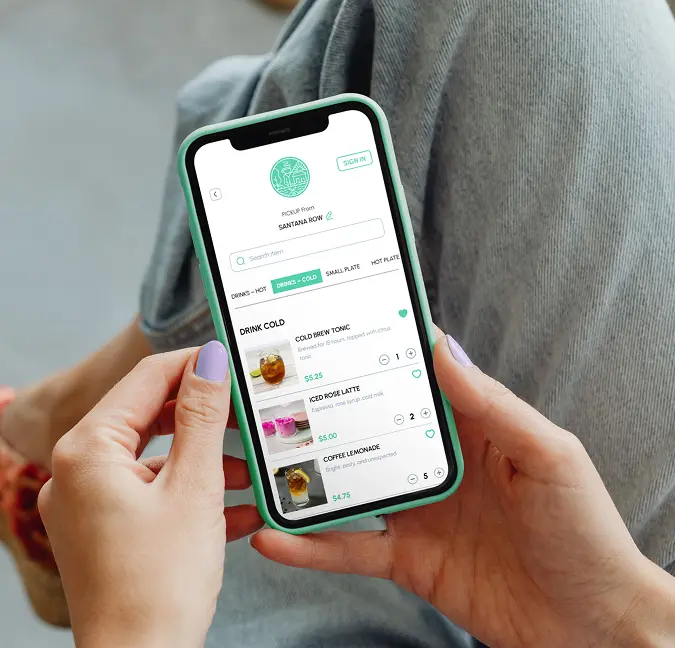
For Indian restaurants, online ordering cannot behave like a flat PDF menu. Guests need to choose spice levels, breads, rice options, family-style portions, vegan dishes, allergens, and add-ons without calling the restaurant to clarify every detail. Every unanswered modifier question is a potential abandoned order or a staff interruption that slows down service.
Third-party apps can bring visibility, but they rarely build restaurant equity. The order happens, the commission disappears, and the customer relationship stays with the platform. Direct online ordering changes that equation because the restaurant owns the experience from first click to repeat order.
Restolabs is built for this exact shift—from marketplace dependency to owned digital ordering. Restaurants can launch a commission-free ordering system quickly, customize complex menus, connect key integrations with POS and delivery systems, and keep customer data where it belongs: with the restaurant. Restolabs helps restaurants start selling online in as little as one day.
Where this pays off: A guest can move from craving paneer tikka to placing a direct order in minutes. The restaurant keeps the margin, captures the customer data, and avoids sending another loyal diner through a third-party marketplace. Restaurants using integrated online ordering platforms consistently see stronger conversion rates compared to redirecting customers through delivery apps.
- Choose a commission-free online ordering system that supports Indian menu complexity, including modifiers, spice levels, dietary preferences, allergen labels, add-ons, and family-style ordering.
- Highlight key dishes and ingredients, using mouthwatering photos and descriptions.
- Include sections about your chefs, cooking philosophy, and the cultural significance of your cuisine.
- Use pop-up forms and calls-to-action to build your email list for future promotions.
- Look for a platform with expert setup support so the restaurant can go live quickly without a long technical rollout.
Local SEO: Getting Found Before the Order
A great website only works if guests can find it. Claim and fully complete the Google Business Profile with accurate hours, cuisine categories, photos of signature dishes, and a direct link to the online ordering page. Encourage every satisfied guest to leave a Google review—map ranking factors weight both volume and recency. For Indian restaurants targeting diaspora communities, location-specific keywords like "South Indian restaurant in [city]" or "Halal biryani near me" can dramatically improve local discovery.
2. Social Media Storytelling: Tempt with Visuals and Connect with Culture
Platforms like Instagram, Facebook, and YouTube are essential for engaging food lovers and building a community around your Indian restaurant. Share vibrant photos of your dishes, short-form videos of tandoor cooking or dosa flipping, and behind-the-scenes glimpses of your kitchen's artistry.
The direct-ordering angle: Short-form video content now drives significant discovery for food businesses. Social media posts featuring Indian festivals, chef interviews, or ingredient spotlights help demystify unfamiliar dishes and convert curious browsers into first-time guests.
The real opportunity is not just engagement. If every Reel, festival post, and chef story sends guests back to a direct ordering page, the restaurant turns social attention into owned revenue instead of marketplace dependency. That link in bio is not decoration—it is the conversion path.
- Post regularly, mixing food shots, chef stories, festival celebrations, and customer testimonials.
- Use culturally respectful language and avoid stereotypes—focus on real stories and authentic traditions.
- Create reels or stories spotlighting unique ingredients (like Kashmiri saffron or Kerala coconut) and their role in your cuisine.
- Run social-only promotions (e.g., "Show this post for a free samosa") and include a direct link to the ordering page in every promotional post to capture revenue without relying on delivery marketplaces.
3. Leverage Customer Reviews and User-Generated Content
Positive reviews are the digital word-of-mouth for Indian restaurants. Encourage guests to share their experiences on Google, TripAdvisor, and social media by making it easy to leave feedback and by celebrating their posts.
Why guests trust it: More than 80% of diners check reviews before choosing a restaurant, and authentic customer endorsements build trust fast—especially for cuisine that might be new to some guests. Explore restaurant marketing tactics that put your business on the map.
- Incentivize reviews with offers (e.g., "Leave a review and enjoy a complimentary dessert on your next visit").
- Showcase glowing testimonials on your website and social feeds.
- Respond thoughtfully to all feedback, highlighting your commitment to authentic, high-quality Indian food.
- Share user-generated content (with permission), such as guest photos enjoying your signature thali or Diwali feast.
4. Launch a Loyalty Program that Celebrates Repeat Guests
Reward your regulars with a loyalty program that's easy to join and genuinely rewarding. Offer points for every visit, with special bonuses for festival orders or midweek visits.
How it builds repeat business: Loyalty programs drive repeat visits and increase average spend. The compounding benefit comes from ownership: when a restaurant holds its guests' purchase history, spice preferences, and dietary favorites, it can run targeted campaigns that convert far better than generic promotions pushed through a third-party platform. Indian restaurants that offer personalized perks—like a free dessert on Holi or a discount on a guest's birthday—make guests feel valued and seen. Learn more about digital marketing for restaurants to enhance your loyalty strategy.
- Use a digital loyalty platform that integrates with your online ordering system for seamless tracking.
- Highlight rewards that showcase your menu's variety—think "Earn a free gulab jamun after five visits."
- Personalize offers based on customer favorites (e.g., vegetarian specials or spice level preferences).
- Promote your program on receipts, your website, and social media.
- Ensure loyalty data stays with the restaurant—not a third-party platform—so purchase history can fuel future email and SMS campaigns without ongoing marketplace dependency.
5. Run Digital Giveaways and Contests Tied to Indian Festivals
Festivals like Diwali, Holi, Eid, and regional harvest celebrations are perfect opportunities for limited-time offers, festive menus, and online giveaways. Organize contests where followers can win a family feast or festival hampers by tagging friends or sharing their favorite Indian food memories.
Why operators run these: Festival tie-ins create excitement, drive social sharing, and position your restaurant as a cultural hub. Limited-edition dishes and event-specific promotions encourage both new and returning guests to order during these high-spirit times.
- Create themed visuals and hashtags for each event.
- Collaborate with local cultural groups or influencers to expand your reach.
- Use online ordering data to send personalized festival offers to your best customers.
Sample 2026 Indian Festival Campaign Calendar
How much are you losing to commissions?
.svg)
How much are you losing to commissions?
.svg)
6. Host Ingredient-Inspired Nights and Cooking Masterclasses
Organize events that spotlight the unique spices, produce, and cooking techniques of Indian cuisine—such as a "Masala Magic" night or "Tandoor Secrets" workshop. Invite local foodies, bloggers, or even home cooks for hands-on experiences.
What this changes: These events position your restaurant as both a culinary destination and a source of education, demystifying complex recipes and building appreciation for authentic Indian flavors.
- Market classes or tasting nights using vibrant visuals of spices and traditional equipment.
- Share stories about ingredient sourcing—like your partnership with a local spice importer or your commitment to organic Basmati rice.
- Offer online booking for events via your website and integrate with your email marketing list for follow-ups.
7. Collaborate with Local Businesses and Cultural Organizations
Partner with nearby tea shops, Indian grocery stores, or cultural associations for cross-promotions—like a "chai and samosa" afternoon or a Diwali shopping event with meal vouchers.
Why operators care: Local partnerships expand your reach, strengthen community ties, and create authentic marketing moments that resonate with both diaspora and local audiences.
- Develop joint events or promotions that celebrate Indian culture (e.g., "Buy from our partner store and get a free appetizer at our restaurant").
- Participate in neighborhood festivals with food stalls or cooking demos.
- Use co-branded flyers and social content to promote these collaborations.
8. Culturally Sensitive Menus and Marketing Materials
Ensure that your marketing, menu descriptions, and visual assets reflect the true diversity of Indian cuisine without relying on clichés or stereotypes. Use real dish names, explain regional differences, and educate customers about the stories behind each plate.
Why it builds trust: Accurate, respectful representation builds credibility and appeals to both Indian and non-Indian guests. Guests are more likely to try new dishes when they understand their origins and significance.
- Train staff and content creators on cultural sensitivity and proper ingredient pronunciation.
- Include regional spotlights on your menu or website (e.g., "Discover Chettinad cuisine from Tamil Nadu").
- Avoid generic "curry house" language—highlight the variety of dals, breads, and vegetarian specialties.
9. Emphasize Dietary Options with Transparency and Care
Indian cuisine is naturally rich in vegetarian, vegan, gluten-free, and dairy-free options. Clearly label these dishes in your menus and online ordering system, and provide ingredient lists for guests with allergies or dietary restrictions.
Where this pays off: Modern diners actively seek out restaurants that cater to their dietary needs. Being transparent and accommodating builds trust, reduces order errors, and expands the potential customer base without changing a single recipe.
- Use icons or color coding on your menu/online platform for easy navigation.
- Highlight naturally accommodating dishes (e.g., "Our chana masala is 100% vegan and gluten-free").
- Educate diners about traditional cooking oils, ghee, and spice blends to alleviate concerns about allergens or dietary conflicts.
Measuring What Works: KPIs and Budget Guidance for Indian Restaurant Marketing
Running campaigns without tracking is the equivalent of cooking without tasting. Indian restaurant operators should monitor a short list of metrics that directly connect marketing activity to revenue outcomes.
Key Metrics to Track
Indian Restaurant Marketing Works Best When It Leads to Direct Orders
A festival campaign, chef story, or review push can create attention. The bigger win happens when that attention turns into a direct order, a repeat customer, and data the restaurant can use for future marketing.
Restolabs helps restaurants make that shift with commission-free online ordering, flexible menu management that handles the full complexity of Indian cuisine, customer engagement tools, and integrations for key restaurant systems including POS, delivery, and payment. Restaurants can launch quickly, keep control of customer relationships, and grow without handing margin back to third-party apps.
Book a Demo to see how Restolabs can help turn Indian restaurant marketing into direct, owned revenue.

Team Restolabs is a group of hospitality tech experts, strategists, and innovators dedicated to helping restaurants thrive in the digital age. With deep expertise in branding, growth, product development, and restaurant technology, we provide insights on scaling, streamlining operations, and enhancing customer experience.
Frequently Asked Questions
Commission-free ordering lets restaurants keep more revenue from every order instead of giving 20–30% to third-party platforms. It also gives the restaurant direct access to customer data, which makes repeat marketing, loyalty campaigns, and personalized offers much easier to manage. For Indian restaurants with complex menus, owned ordering also allows full modifier and dietary customization without platform limitations.
Focus on real stories rather than generic food imagery. Explain regional dish origins, use correct dish names, spotlight unique ingredients like Kashmiri saffron or Kerala coconut, and link every post back to a direct ordering page. Consistency and cultural specificity build more trust than high-production generic content.
Provide direct review links via receipts, email follow-ups, and QR codes at the table. Offer small incentives like a complimentary dessert for leaving a review on Google or TripAdvisor. Respond to every review promptly—including negative ones—to show guests their feedback matters and to demonstrate your commitment to quality.
Digital, points-based programs that integrate directly with the online ordering system work best. Programs that reward festival orders, vegetarian preferences, and spice-level patterns give restaurants the data to personalize future offers. The key is that loyalty data should live with the restaurant—not a third-party platform—so it can power SMS, email, and targeted campaigns.
The platform should support Indian menu complexity including modifiers, spice levels, allergen labels, dietary icons, family-style portions, and add-ons. It should also integrate with POS, delivery, and payment systems, provide customer analytics for targeted marketing, and offer a loyalty program that connects to online ordering so guest preferences are automatically captured.
Most independent Indian restaurants should allocate 3–6% of monthly revenue to marketing. Prioritize commission-free online ordering setup and menu photography first, then invest in social media content and review management before moving into paid advertising. Starting with owned channels protects margins while building the customer data needed for more targeted campaigns later.
Claim and fully complete your Google Business Profile with accurate hours, menu links, photos, and Indian cuisine categories. Encourage Google reviews consistently, use location-specific keywords on your website (e.g., "North Indian restaurant in [city]"), and ensure your direct ordering link is prominently featured. Local map rankings weight both review volume and profile completeness.




.webp)

.svg)
.webp)