
Key Takeaways
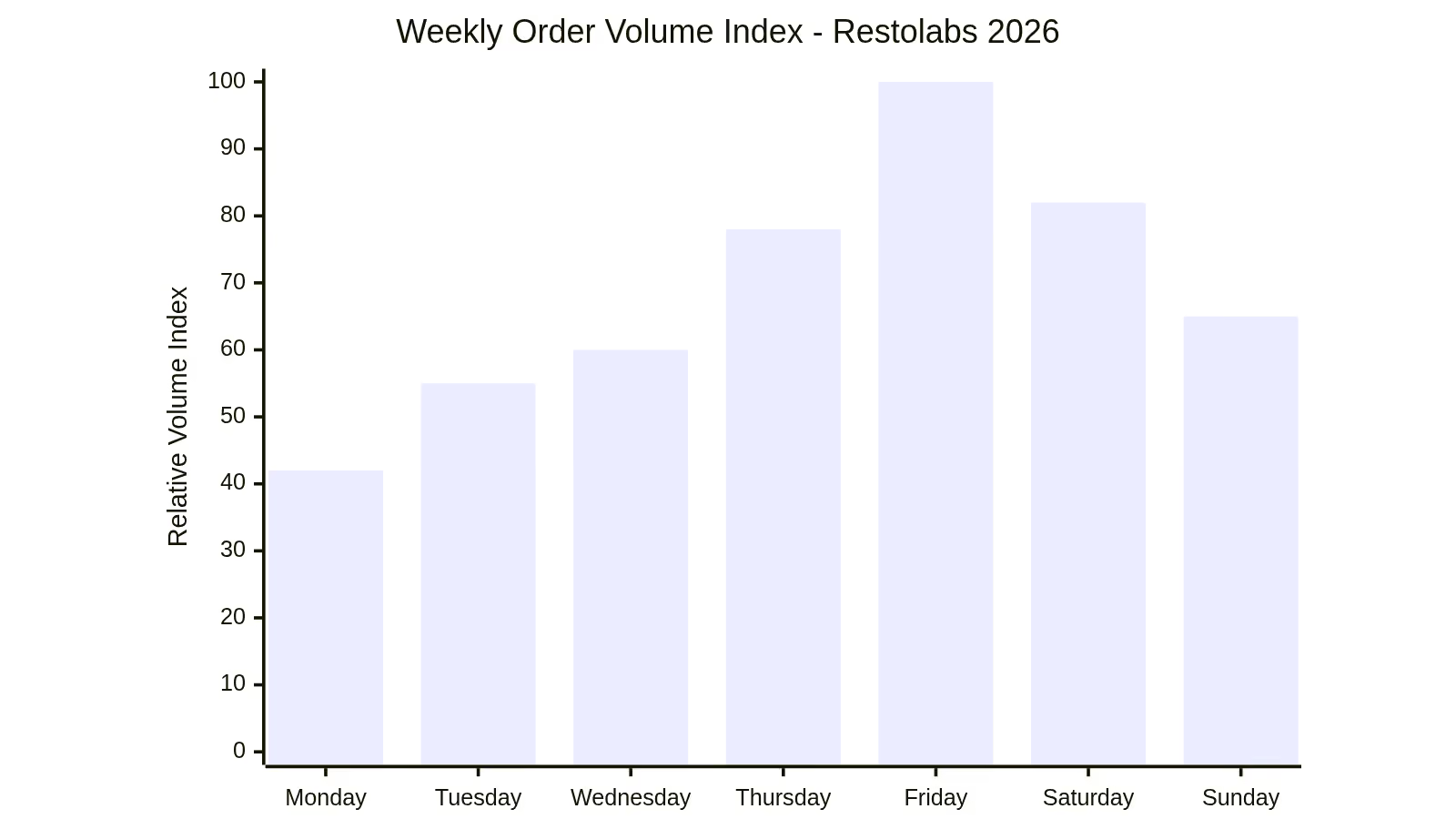
- Friday is the highest-volume ordering day platform-wide in our 2026 dataset, followed by Thursday and Saturday - promote Tuesday-Thursday to capture that wave.
- Monday is consistently the lowest-volume day, making it the best slot for win-back and loyalty pushes.
- The dinner peak runs 5:30 PM to 8:30 PM local time; send dinner-promo emails 3:30-5:00 PM.
- Italian cuisine averages $48+ per order in our 2026 dataset, roughly 23% above our platform average - a strong reason to invest in promotion timing rather than discounting.
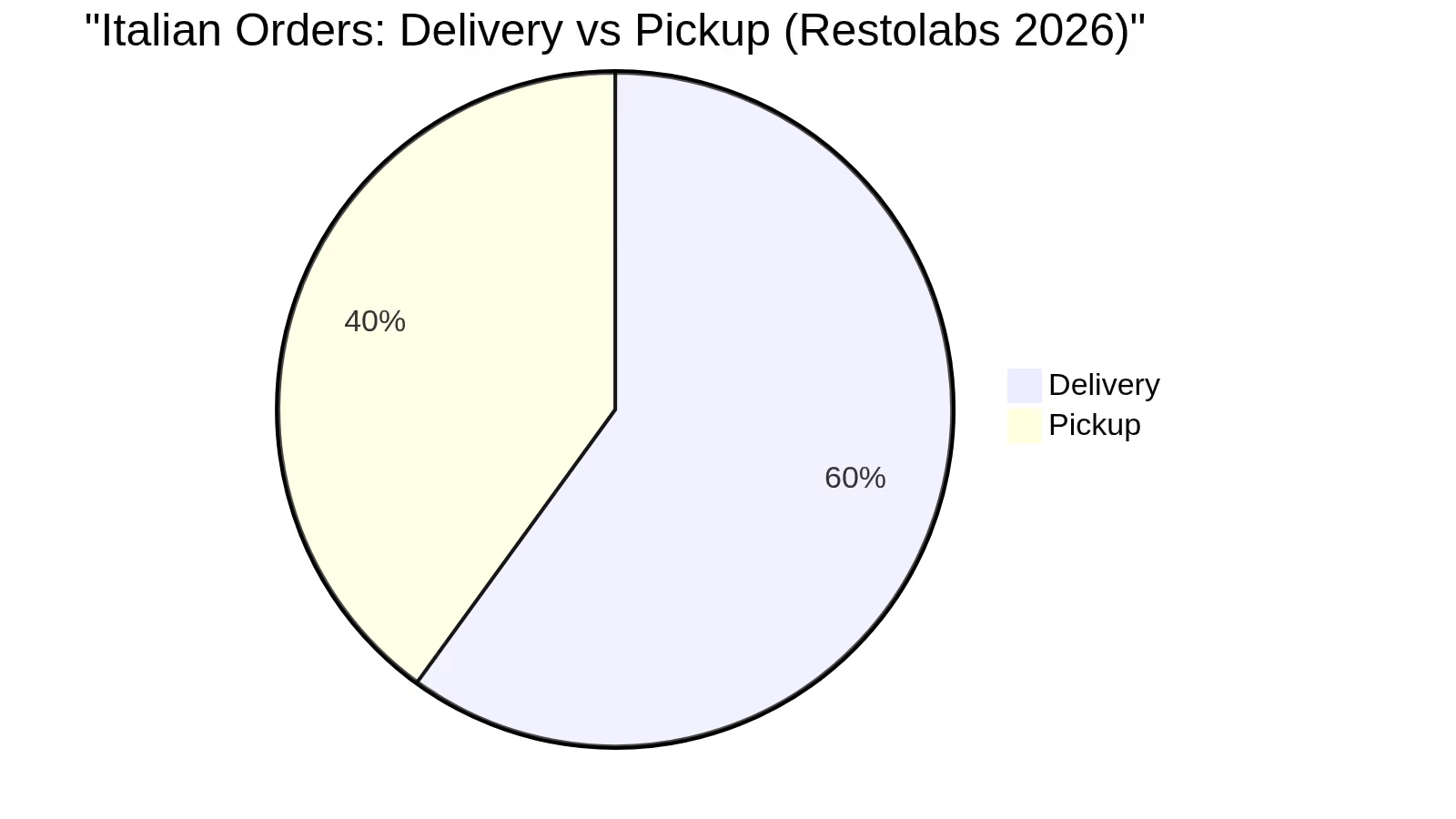
- Italian runs approximately 60% delivery and 40% pickup, so channel and creative should match.
- The median reorder interval across our dataset is 8.9 days - your promotional cadence should respect that rhythm.
Most Italian restaurants don't have a promotion problem. They have a timing problem.
The same Valentine's email sent on January 20 versus February 10 won't drive the same number of covers. The same Instagram Reel about a new burrata special pulls different conversion at 11 AM Wednesday than 9 PM Sunday. We see this pattern repeat across the restaurants we power.
According to the Restolabs 2026 Order Analytics Dataset, which covers more than 4 million orders processed across the Restolabs platform spanning 2,126 locations and 479 brands from March 2025 to March 2026, Italian cuisine sits at approximately 5% of platform orders and skews delivery-heavy. That's a meaningful slice - and the operators who win it are the ones treating their order patterns as a promotional planning tool, not just a back-of-house report. This guide gives you the calendar. The data fills in the why.
If you want the tactic-by-tactic companion piece, we've already published it as a separate resource on Italian restaurant marketing ideas. This article is about when.
Why timing beats tactics for Italian restaurant promotions
A mistimed promotion isn't just a missed sale. It's a tired list, a wasted ad impression, and a customer who learned to ignore your sender name. That cost compounds.
Italian restaurants feel this more sharply than most concepts. The cuisine is holiday-heavy (Valentine's, Easter, Ferragosto, the Feast of the Seven Fishes), weekend-skewed, and tied to romantic and family occasions where guests plan ahead. When the planning window is long, the promotion window has to be long too.
According to Deloitte Digital's 2024 research, 51% of surveyed restaurants say promoting in-person events on social media is the most effective way to drive restaurant visits. That confirms what we see in our order data - visibility matters, but it matters most when it lands in the days leading up to demand, not on top of it.
The best days of the week to promote an Italian restaurant online
In our 2026 dataset, Friday is the highest-volume ordering day platform-wide, followed by Thursday and Saturday. Monday is consistently the lowest-volume ordering day, making it ideal for win-back campaigns and loyalty incentives. Roughly 97.4% of orders in our dataset were timezone-matched for time-of-day analysis, so the day-of-week pattern is exceptionally clean.
Sunday evening through Tuesday - building demand for the back half of the week
Sunday night and Monday are your lowest-pressure windows. That's when to seed the week's storyline - a new pasta drop, a chef's note, a wine pairing. You're not asking for the order yet. You're warming the list.
Wednesday and Thursday - the highest-converting promotion windows
Thursday is the second-highest day in our dataset, and most of the orders that close Thursday were prompted earlier in the week. If you only get one promotional send per week, Wednesday morning or Thursday afternoon are the slots that pay best.
Friday and Saturday - push delivery and pickup, not dine-in
By Friday, reservations are largely booked. Pivot your messaging to delivery, pickup, and family-meal bundles. This is where commission-free online ordering matters - every Friday delivery order kept off a third-party app is margin you keep.
The best times of day to push promotions
Our 2026 order analytics data shows the dinner peak window of 5:30 PM to 8:30 PM local time drives the bulk of daily order volume, with the lunch rush running 11 AM to 1 PM local time. Italian leans dinner-heavy, but lunch is a real and underused segment.
Lunch promos: 10:30 AM-11:15 AM send windows
If you want a 12:30 PM lunch order, your message needs to land before the decision is made. Late morning is the inbox sweet spot - coffee finished, calendar checked, hunger building.
Dinner promos: 3:30 PM-5:00 PM send windows
Dinner decisions get made in the late afternoon. A 4:00 PM email pointing to a $48 chef's tasting or a delivery family bundle hits when the question "what's for dinner" is actively open.
Late-night dessert and delivery: 8:00 PM-9:30 PM
Tiramisu, cannoli, gelato pints - push them after the dinner peak, not during it. Late-evening sends also work for next-day brunch and weekend reservation prompts.
Month-by-month Italian restaurant promotion calendar
Two notes that always come up. First, Ferragosto is real demand in markets with Italian-American or European-tourist density - even when locals are away, delivery orders climb. Second, December's Feast of the Seven Fishes is a quiet revenue moment most non-Italian operators ignore; if you serve seafood pasta, you should be the restaurant your neighborhood thinks of for it.
How long before an event you should start promoting
Lead time is where most operators get this wrong. They either start too late (Valentine's pushed February 10) or too early and burn out the list (a January 15 push that's stale by February 1).
Holidays with reservation intent: 21-28 days
Valentine's, NYE, Mother's Day, Easter. Across our 2026 dataset, the median reorder interval between repeat orders is 8.9 days - meaning your regulars touch your brand roughly three to four times per month organically. A 21-day lead window lets the message land within that natural rhythm without feeling artificial.
Weekly specials and limited-time menu drops: 5-7 days
A new pasta or a seasonal pizza launching Thursday should be teased Saturday or Sunday, with a confirmation push the night before. This is also a clean trigger inside a restaurant loyalty program - your best customers get the early-access window, and you get advance-order data before the public launch.
Flash delivery and pickup promos: 2-24 hours
Rainy Tuesday. Quiet Wednesday lunch. A 90-minute SMS or push window before mealtime is the right tool. Don't overuse it - flash promos work because they're rare.
Matching promotion type to the right channel and time
In our 2026 dataset, Italian cuisine runs approximately 60% delivery and around 40% pickup. That mix should shape your channel strategy as much as your menu.
Email - Tuesday morning and Thursday afternoon
Tuesday 10 AM and Thursday 4 PM are the cleanest open-rate slots we see for restaurant senders. Use Tuesday for storytelling (chef notes, new menu, source-of-ingredient pieces). Use Thursday for the offer.
Instagram and TikTok - Wednesday late morning, Friday early evening
Food content performs best in the windows right before people start thinking about their next meal. According to Taylor Corporation's 2023 research, online food ordering has grown 300% faster than dine-in since 2014, and roughly 40% of customers now prefer to order directly from restaurant websites instead of third-party platforms. Your social content should always route to your own ordering page.
SMS and push notifications - same-day, 90 minutes before mealtime
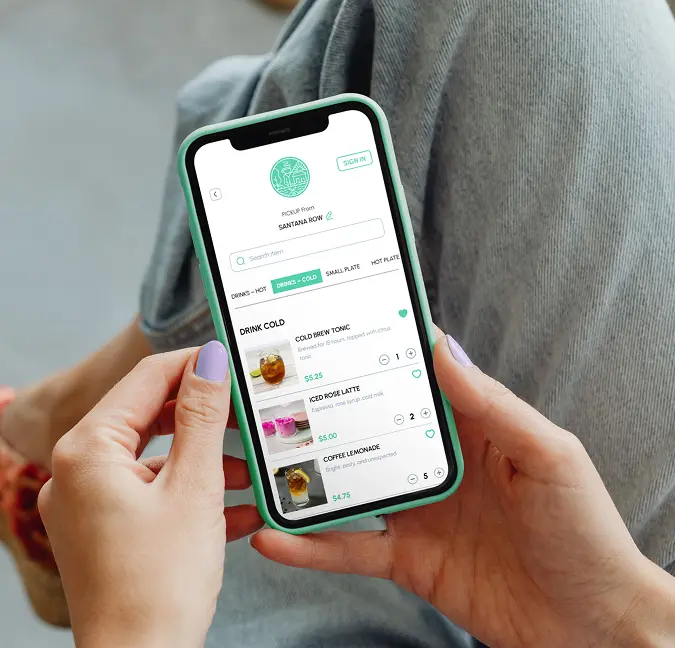
SMS is for last-mile conversion, not awareness. A 11:00 AM lunch text or a 5:00 PM dinner push, sent to a segmented list, can move the day's revenue noticeably. A branded mobile ordering app makes this easier because push is free and the open rate beats email by a wide margin.
Google Business Profile - refresh weekly, push offers Thursday
GBP is underused by Italian operators. A weekly photo refresh and a Thursday offer post sit directly in the path of the "italian restaurant near me" search.
Seasonal menu drops and when to announce them
Tease 10-14 days before launch. Ingredient stories, behind-the-pass photos, the chef talking about why the dish exists. Don't lead with the price. Lead with the why.
The week of launch, switch to commerce-mode. By day three of the launch, your top-performing creative should be running as a paid amplification on the channels where your customers actually order. If you operate a pizzeria alongside your pasta concept, the same calendar logic applies - a new specialty pie deserves the same 10-day arc as a new linguine.
When to pause or pull back promotions
There are weekends where you should not be discounting. Valentine's evening seatings. NYE. Mother's Day brunch. Any night your reservation book is at 90%+ capacity by the prior Wednesday.
Discounting into peak demand cannibalizes the margin you spent the rest of the quarter earning. Hold the line. Promote the next event instead - Valentine's email traffic is a perfect pre-tease for Easter brunch.
Watch the fatigue signal: if your open rate has dropped two consecutive weeks, your list is telling you to slow down. Skip a send. Come back with a story, not a coupon.
Building your own promotion calendar using your order data
Italian cuisine averages $48+ per order in our 2026 dataset, roughly 23% above the platform average. That AOV gives you room to invest in better timing rather than deeper discounts. The framework we recommend to operators we work with:
- Pull the last 12 months of orders.
- Segment by daypart (lunch, dinner, late-night) and by day-of-week.
- Overlay every promotion you sent and tag its 24-72 hour order tail.
- Identify the three promotions that drove the largest lift and the three that drove the smallest.
Then ask the four-question audit: Did the winners share a send window? Did the losers share a channel? Did the winners hit a high-volume day naturally? Did the losers fight against the daypart they were sent for?
Operators in our 2026 dataset who timed loyalty promotions to their actual peak dayparts saw stronger repeat-order behavior than those running fixed-schedule sends - consistent with the 8.9-day median reorder interval we see across the platform. If you want the loyalty mechanics laid out end to end, we've published a guide on how to build a restaurant loyalty program that pairs cleanly with this calendar.
This audit is exactly what restaurant order analytics is built for - pulling the daypart and channel mix into one view so your promotional calendar is grounded in what your actual customers actually do.
Putting it to work in 2026
Tactics without timing are noise. The operators we see winning in our 2026 dataset are the ones who treat their order data as a calendar input, not a quarterly report. If you want to see what that looks like running against your own menu, book a Restolabs demo and we'll walk through it together.

Sruthi Sekar specializes in brand strategy, growth, and user experience in the hospitality industry. As the driving force behind Restolabs, she helps restaurants harness technology to scale and thrive. With a background in design, branding, and entrepreneurship, she brings a sharp focus on crafting digital experiences that drive real business impact.
Frequently Asked Questions
Tuesday through Thursday is the highest-converting window for dinner reservation and order pushes, because Thursday is the second-highest order day in our 2026 dataset and Friday leads the week. Use Friday and Saturday messaging for delivery and pickup rather than dine-in.
Start 21-28 days out, with the heaviest push in the final seven days. Reservation intent builds about three weeks ahead, and a 21-day window matches the natural reorder rhythm we observe in our 2026 dataset.
Send lunch promos between 10:30 AM and 11:15 AM, and dinner promos between 3:30 PM and 5:00 PM. These windows land just before the lunch rush of 11 AM to 1 PM and the dinner peak of 5:30 PM to 8:30 PM in our 2026 dataset.
Valentine's Day, Easter, Ferragosto (August 15), Festa della Repubblica (June 2), Italian Heritage Month (October in the US), and the Feast of the Seven Fishes (December 24) are the highest-leverage moments. NYE and Mother's Day are universal but particularly strong for Italian concepts because of the reservation-intent skew.
Both, at different times. Email wins midweek mornings for storytelling and offers; Instagram and TikTok win late mornings and early evenings for menu and event content. Channel-specific timing matters more than channel choice.
Aim for a weekly email cadence, three to five Instagram posts per week, and one push tied to each major Italian holiday or seasonal menu change. Avoid daily promotional sends - the fatigue cost is higher than the reach gain.
Pull back on peak full-price windows like NYE, Valentine's evening seatings, and Mother's Day brunch when your book is already at or above 90% capacity. Discounting into peak demand cannibalizes margin you can't recover.




.webp)

.svg)
.webp)