
%2520(1).avif)
Key Takeaways
- Blend Authentic Storytelling with Modern Digital Tools: Successful Italian restaurant marketing balances genuine cultural stories with digital tech—like mobile ordering and social media campaigns—to connect with today's diners.
- Highlight Ingredient Origins and Preparation: Use videos and stories to showcase where your ingredients come from and how dishes are prepared. This builds trust and sets you apart from competitors with generic marketing.
- Become a Cultural Hub through Community Connection: Hosting Italian holiday celebrations, cooking classes, and cultural events transforms your restaurant into a local center for Italian culture, not just a place to eat.
- Turn Campaigns Into Commission-Free Direct Orders: A platform like Restolabs helps Italian restaurants connect websites, social campaigns, Google Business, loyalty, and menu updates to a direct ordering system that protects margins and keeps customer data in the restaurant's control.
The 17 most effective Italian restaurant marketing ideas in 2026 span authentic storytelling, direct online ordering, local SEO, loyalty programs, social media, influencer partnerships, cultural events, and community engagement. The strategies that produce the strongest results convert attention into commission-free direct orders—not just foot traffic—while building repeat customer relationships the restaurant owns. Whether you run a family trattoria, a pizzeria, or a multi-location brand, the ideas below are organized to help you generate demand and convert it profitably.
Quick Overview — All 17 Ideas:
- Build a Mobile-Optimized Website with Seamless Online Ordering
- Showcase Ingredient Stories and Sourcing Journeys
- Champion Authentic Cooking Methods in Visual Content
- Optimize for Local and Italian-Focused SEO
- Launch Loyalty Programs That Celebrate Italian Traditions
- Use Email Marketing to Share Exclusive Recipes and Seasonal Menus
- Partner with Influencers and Food Vloggers Who Respect Italian Heritage
- Run Paid Social Media Campaigns Featuring Italian Promotions
- Integrate Online Ordering with Social Media and Google Business
- Celebrate Italian Holidays and Seasonal Events with Special Menus
- Educate Diners on Italian Dining Etiquette and Traditions
- Engage the Community with Culinary Workshops and Cooking Classes
- Develop Ingredient-Focused Campaigns Featuring Local Producers
- Launch User-Generated Content Campaigns for Authentic Engagement
- Avoid Stereotypes and Celebrate Regional Diversity
- Address Dietary Preferences with Authentic, Inclusive Options
- Support Local Causes and Celebrate Italian-American Heritage
A guest sees fresh tagliatelle being rolled behind the counter, saves the Reel, and decides dinner is solved. But if the next step sends that guest to a third-party app, the restaurant may lose a slice of the order before the kitchen even starts cooking.
That is the real challenge for Italian restaurant marketing in 2026. The story still matters—the San Marzano tomatoes, the family recipe, the regional traditions—but the path from attention to order has to be fast, direct, and profitable. Below are 17 restaurant promotion ideas that blend authentic Italian storytelling with the operational tools that convert attention into revenue the restaurant keeps.
Before You Market More, Make Sure Every Campaign Can Convert
A beautiful campaign can still leak profit if it sends guests to commission-based ordering channels. Before launching ads, events, or influencer content, Italian restaurants should make sure their website, social profiles, and Google Business listing all point to a direct ordering experience.
That is where platforms like Restolabs fit into the marketing plan. Restolabs helps restaurants accept commission-free online orders, keep customer data, and connect promotions to a system the restaurant controls—so every campaign dollar works harder.
Creating Impactful Italian Restaurant Marketing Strategies Through Authenticity and Innovation
Today's restaurant promotion ideas must do more than fill seats—they must tell your story, celebrate your culinary heritage, and convert diners across digital and physical touchpoints. The best strategies are built on three pillars: authenticity, operational efficiency, and emotional resonance.
- Why Authenticity Matters:
Italian cuisine carries a rich cultural narrative. Marketing that respectfully represents regional specialties (from Neapolitan pizza to Sicilian cannoli) and avoids clichés is essential. Modern diners seek transparency, real stories, and a genuine connection to Italian traditions. - Blending Old and New:
Successful local restaurant marketing leverages both digital innovation (mobile ordering, AI-powered personalization, influencer partnerships) and classic engagement (community events, storytelling, ingredient spotlights). The secret lies in highlighting your unique Italian identity while adapting to rapidly evolving consumer behaviors. - Operational Integration:
Streamlined technology solutions—like commission-free online ordering and automated marketing—enable restaurants to turn marketing campaigns into measurable results. By integrating marketing with operations, Italian restaurants can create seamless experiences that drive loyalty and repeat business.
What's Changed in Italian Restaurant Marketing in 2026
Consumer behavior has shifted significantly since 2024. Here is what operators need to account for when planning campaigns this year:
- Mobile-first ordering dominates: More than 70% of restaurant online orders in 2025–2026 are placed from mobile devices, making load speed and direct ordering links non-negotiable.
- AI-driven personalization is mainstream: Guests now expect relevant offers based on past order history—a capability that requires owning customer data, not renting it from third-party platforms.
- Short-form video drives discovery: Instagram Reels and TikTok continue to be primary restaurant discovery channels, making behind-the-scenes content an operational marketing asset, not just a nice-to-have.
- Commission fatigue is real: Third-party delivery fees have climbed in many markets, pushing more operators toward building their own direct ordering systems to protect margins.
How to Prioritize These 17 Ideas by Restaurant Type and Goal
Not every tactic fits every operation. Use the table below to find the highest-impact starting points for your restaurant type:
Discover Winning Italian Restaurant Marketing Strategies for Every Restaurant
Explore restaurant promotion ideas that are practical, scalable, and tailored to your unique brand. Whether you're a family-run trattoria or an urban osteria, these proven strategies will help you stand out—and convert more guests into direct orders.
Ideas That Turn Online Attention Into Direct Orders
1. Build a Mobile-Optimized Website with Seamless Online Ordering
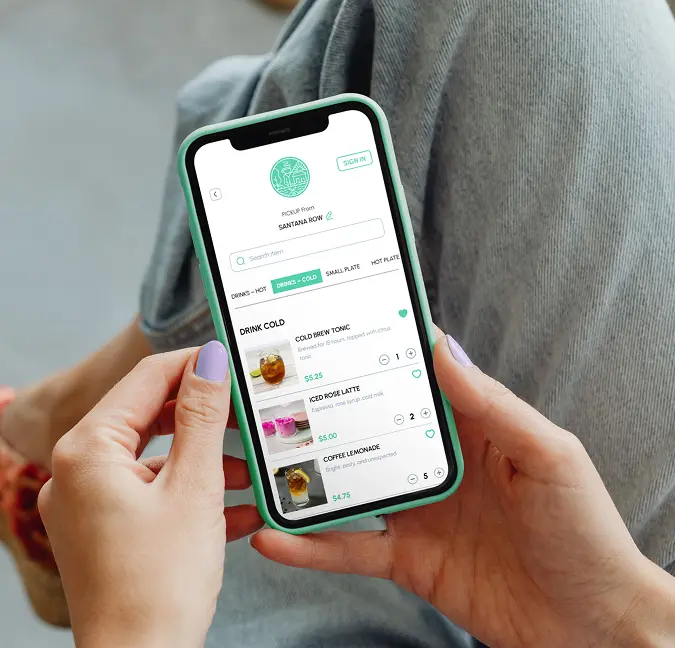
When someone searches for "wood-fired pizza near me," the restaurant website has only a few seconds to do its job. The menu should load quickly on mobile, the dishes should look irresistible, and the order button should take guests directly to the restaurant—not to a marketplace that charges commission on the sale.
- Use responsive design and fast load times to increase conversions.
- Integrate commission-free online ordering to protect margin on every transaction.
- Highlight signature dishes and authentic Italian ingredients on your homepage.
For restaurants using Restolabs, this direct ordering flow connects to the restaurant's own website, menu, payment setup, and delivery workflow. That means a campaign does not just create attention—it creates orders the restaurant can fulfill and remarket to without paying another platform's commission.
2. Showcase Ingredient Stories and Sourcing Journeys
What makes a plate of cacio e pepe memorable is not just the technique—it is knowing the Pecorino Romano came from a specific hill town in Lazio. Turn that sourcing story into a marketing asset that competitors with generic supply chains cannot replicate.
- Share photos and videos of farm-fresh produce, DOP cheeses, and artisanal olive oils.
- Create blog posts or short videos explaining the origin and cultural significance of ingredients like Parmigiano Reggiano or San Daniele prosciutto.
- Use your digital menu to educate diners on ingredient authenticity.
3. Champion Authentic Cooking Methods in Visual Content
If a guest is scrolling Instagram and sees a pizzaiolo tossing dough in front of a wood-fired oven, that thirty-second Reel does more for brand credibility than a month of static promotions. Behind-the-scenes content is not just engaging—it is a trust signal that drives orders.
- Film your pizzaiolo tossing dough, or your chef rolling fresh tagliatelle.
- Host live-streamed pasta-making classes or Instagram Reels demonstrating specialized equipment like wood-fired ovens.
- Use these videos across social media, your website, and email campaigns to highlight your expertise.
4. Optimize for Local and Italian-Focused SEO
When a diner searches "authentic Roman carbonara near downtown," the restaurants that show up first did not get there by accident. Local SEO is an ongoing investment that compounds—and it costs nothing per order once the ranking is earned.
- Use location-based keywords (e.g., "authentic Roman carbonara in [city]").
- Publish Italian cuisine guides and highlight traditional recipes on your blog.
- Encourage Google and TripAdvisor reviews from satisfied customers to boost local rankings.
2026 update: Google's local search results increasingly factor in direct ordering links and menu completeness. Restaurants with a direct ordering system linked through Google Business see higher click-through rates than those routing through third-party apps.
5. Launch Loyalty Programs That Celebrate Italian Traditions
Reward loyal guests with Italian-inspired perks, but build the program around customer relationships the restaurant owns. Direct ordering data gives operators a clearer view of who orders often, what they love, and when a timely offer could bring them back—without paying a marketplace for that same access.
- Offer points for every pizza ordered, redeemable for a complimentary tiramisu or exclusive cooking class.
- Send personalized offers for Italian holidays or customer anniversaries.
- Promote your loyalty program on table tents, receipts, and via email.
Operator tip: Loyalty programs built on owned customer data—like those available through Restolabs—allow operators to segment guests by visit frequency and order value, making every promotional campaign more targeted and cost-effective.
6. Use Email Marketing to Share Exclusive Recipes and Seasonal Menus
Email is most valuable when it is built on customer relationships the restaurant owns. A guest who orders lasagna on a Friday night, books catering in December, or regularly buys family meals should be easy to reach again without renting access through a third-party marketplace.
- Send monthly newsletters with chef's notes, behind-the-scenes stories, and seasonal menu updates.
- Share exclusive recipes for classics like risotto alla Milanese, inviting customers to try at home.
- Segment lists to send targeted offers for families, couples, or business diners.
Operator tip: Use direct ordering data to segment guests by order history, favorite dishes, and timing, then send timely offers for seasonal menus, catering bundles, and holiday specials—without paying a third-party platform for that same customer reach.
7. Partner with Influencers and Food Vloggers Who Respect Italian Heritage
Influencer marketing can expand reach quickly, but authenticity is the deciding factor. A creator with 15,000 engaged local followers who genuinely loves Italian food will outperform a mass-market influencer with no connection to the cuisine.
- Invite local Italian food experts for tasting events or behind-the-scenes tours.
- Collaborate on content that educates audiences about Italian regions, wines, and traditions.
- Offer unique experiences (like a chef's table) in exchange for honest, culturally sensitive reviews.
8. Run Paid Social Media Campaigns Featuring Italian Promotions
Paid campaigns should not send newly acquired guests to commission-based channels by default. If the restaurant pays to create demand, the order path should protect that investment by sending guests to a direct ordering experience—where the restaurant keeps the margin and captures customer data for future campaigns.
- Promote limited-time offers, such as Aperitivo Hour or Festa della Nonna brunches.
- Use high-quality visuals and Italian-language phrases to evoke authenticity.
- Target ads by location, interests (Italian cuisine, travel), and customer demographics.
Operator tip: Link every paid ad directly to a commission-free ordering page. If the ad budget generates 100 new orders and 30% go through a third-party marketplace, the restaurant has already lost a meaningful share of the margin that paid for the campaign.
9. Integrate Online Ordering with Social Media and Google Business
The best restaurant marketing strategies remove friction at the exact moment a guest is hungry. If a diner finds the restaurant on Instagram, Facebook, or Google Business, the next click should open a direct ordering flow that protects the restaurant's margin and captures customer data for future campaigns.
- Enable direct ordering via Facebook, Instagram, and Google Business listings.
- Share QR codes for mobile ordering during events or with influencer collaborations.
- Use automation to send follow-up offers or review requests after every order.
Restolabs helps restaurants connect direct ordering links across high-intent channels, so guests can order from the places they already discover restaurants—Google, social media, QR codes, and the restaurant's own website—without those orders flowing through a commission-taking intermediary.
Operator tip: Set up your Google Business profile to link directly to your online ordering page. Restaurants that route Google clicks to a direct ordering system instead of a third-party app keep more revenue per order and build a customer database they own.
Ideas That Build Loyalty, Culture, and Repeat Visits
10. Celebrate Italian Holidays and Seasonal Events with Special Menus
The Italian calendar is full of moments that give restaurants an authentic reason to connect. A well-promoted Festa della Repubblica dinner or a Ferragosto picnic menu creates urgency, tells a cultural story, and drives orders—all at once.
- Host a Festa della Repubblica dinner, Ferragosto picnic, or San Gennaro feast.
- Develop limited-time menus featuring regional specialties for each occasion.
- Decorate your restaurant and share event details across all marketing channels.
11. Educate Diners on Italian Dining Etiquette and Traditions
Build cultural appreciation and authenticity:
- Create short videos or print materials explaining aperitivo culture, Italian coffee rituals, or the structure of a true Italian meal.
- Host trivia nights or quizzes on Italian food history.
- Use storytelling to highlight the roots and meaning of your signature dishes.
12. Engage the Community with Culinary Workshops and Cooking Classes
Position your restaurant as a hub for Italian culture:
- Offer pasta-making, wine pairing, or olive oil tasting classes.
- Partner with local schools or cultural centers for collaborative events.
- Share photos and testimonials from these workshops online.
13. Develop Ingredient-Focused Campaigns Featuring Local Producers
Showcase quality and local partnerships:
- Highlight collaborations with local farms or Italian importers.
- Share the journey from farm to fork through behind-the-scenes content.
- Introduce new or rare ingredients with special menu features and educational posts.
14. Launch User-Generated Content Campaigns for Authentic Engagement
Empower your guests to market for you:
- Encourage diners to share photos and stories using branded hashtags (#LaDolceVitaAt[YourRestaurant]).
- Feature customer posts on your website and social feeds.
- Run photo contests with prizes for the best Italian family meal or pizza-making moment.
15. Avoid Stereotypes and Celebrate Regional Diversity
Ensure respectful, nuanced marketing:
- Highlight the differences between Sicilian, Tuscan, and Venetian cuisines.
- Avoid generic symbols—focus instead on authentic recipes, dialects, and stories.
- Consult with Italian cultural organizations for campaign ideas.
16. Address Dietary Preferences with Authentic, Inclusive Options
Cater to modern diners while staying true to Italian cuisine:
- Promote naturally gluten-free dishes like polenta or risotto.
- Offer vegan adaptations of classics (e.g., eggplant Parmigiana) and explain their roots.
- Clearly communicate ingredients and preparation methods to build trust.
17. Support Local Causes and Celebrate Italian-American Heritage
Deepen your ties with the community:
- Partner with local charities for fundraisers centered on Italian food and culture.
- Join or sponsor local Italian festivals, parades, or heritage events.
- Highlight your participation through press releases, newsletters, and social media recaps.
Bringing It All Together: How Restolabs Turns Italian Restaurant Marketing Into Direct Orders
Marketing gets expensive when every campaign sends guests to channels the restaurant does not control. Restolabs helps Italian restaurants turn demand into direct online orders, so operators can keep more revenue, own customer data, and update menus or promotions without adding another operational headache. Here is what that looks like in practice:
- Launch direct online ordering quickly, with expert setup that helps restaurants start selling online without a long implementation cycle.
- Keep orders commission-free, so campaigns for pasta nights, holiday menus, and catering do not lose margin to third-party platforms.
- Own customer data from direct orders, making loyalty campaigns, review requests, and repeat-order promotions easier to manage.
- Connect ordering with POS, delivery, and payment workflows, so marketing campaigns do not create extra work for the team.
- Update menus, specials, and seasonal promotions without relying on disconnected systems or waiting on a developer.
By combining the rich tradition of Italian cuisine with the operational power of a direct ordering platform, every marketing campaign can become a celebration of culture, taste, and community—while driving growth the restaurant keeps. Ready to take the next step? Book a Demo today.

Team Restolabs is a group of hospitality tech experts, strategists, and innovators dedicated to helping restaurants thrive in the digital age. With deep expertise in branding, growth, product development, and restaurant technology, we provide insights on scaling, streamlining operations, and enhancing customer experience.
Frequently Asked Questions
Showcase regional diversity by highlighting dishes from places like Sicily or Tuscany, not just "generic Italian" fare. Share real stories about your ingredients, cooking methods, and family recipes. Collaborate with Italian cultural organizations, and focus on showing authentic techniques—like hand-rolled pasta or wood-fired pizza—instead of clichés like red-checked tablecloths or gondolas.
Go behind the scenes: show pasta-making, pizza tossing, or sauce preparation on Instagram Reels, Stories, and live streams. Run targeted campaigns for Italian holidays and special offers, using mouthwatering visuals and authentic Italian phrases. Encourage guests to post with branded hashtags and feature their content on your feed to foster community engagement.
Develop a loyalty program with Italian-themed rewards—like earning a complimentary tiramisu or access to a private cooking class. Send personalized emails for Italian holidays and customer milestones. Host events such as wine tastings, pasta workshops, and holiday celebrations to create a sense of community around your restaurant.
Online ordering systems like Restolabs help restaurants connect marketing activity to commission-free direct orders. Operators can automate promotions, loyalty programs, and follow-ups, use analytics to measure ROI, update menus quickly, and connect ordering links across social media, Google Business, QR codes, and the restaurant website—without routing revenue through third-party marketplaces.
Italian restaurants can connect campaign traffic to their own online ordering system instead of sending guests to third-party marketplaces. Restolabs supports commission-free direct ordering, customer data ownership, menu updates, loyalty campaigns, and integrations that help restaurants convert attention into profitable repeat orders. The key is making sure every marketing channel—social media, Google, email, QR codes—links to a direct ordering experience the restaurant controls.
Share photos and videos of your ingredient sourcing—like farm visits, DOP cheeses, and artisanal olive oils. Create blog posts or short videos highlighting the origins and cultural significance of ingredients such as Parmigiano Reggiano or San Daniele prosciutto. Use your digital menu to educate diners about ingredient authenticity and feature local farm or Italian importer partnerships.
Start by claiming and fully optimizing your Google Business profile with accurate hours, photos, your menu, and a direct ordering link. Use location-specific keywords throughout your website—such as "authentic Italian pasta in [city]"—and publish regular blog content about your dishes and Italian heritage. Consistently earning five-star reviews and responding to them also signals relevance to Google's local ranking algorithm.




.webp)

.svg)
.webp)