
%20(2)%20(1)%20(1).avif)
Key Takeaways
- Mother's Day is the highest-grossing Sunday of the year for U.S. restaurants, with 87 million Americans dining out to celebrate
- 47% of Mother's Day transactions happen during brunch; 45% of diners come for dinner — both windows need a strategy
- The seven most effective promotion types range from free items for mom to prix fixe menus, family bundles, and loyalty multipliers
- Starting your marketing 6–8 weeks out is the difference between a full house and empty tables
- Commission-based delivery apps can take $7–$15 from a $49 holiday bundle. Commission-free direct ordering keeps that margin with the restaurant.
- Every Mother's Day customer is a potential repeat diner; the restaurants that capture data and follow up win the long game
Most restaurants treat Mother's Day like a busy Sunday. The ones that plan it like a revenue event are the ones still talking about it in June.
Mother's Day is the single busiest dining-out holiday in the United States, with roughly 87 million Americans celebrating it by dining out — and the National Restaurant Association confirms it's the highest-grossing Sunday of the year for restaurant dining spend. That's not a footnote. That's a mandate to prepare.
Yet most independent restaurants and regional chains show up to Mother's Day 2026 with a chalkboard special and a prayer. Meanwhile, the operators who build a deliberate promotion strategy — the right offer, the right timing, the right digital infrastructure — walk away with order volumes that dwarf a normal Sunday.
This guide breaks down exactly what those operators do differently. You'll find seven proven promotion types with real chain examples, a competitive intelligence breakdown of what major brands are running, a week-by-week planning timeline, and the online ordering strategy that protects your margins when you're already running discounts.
The catch is that promotion strategy only works if the ordering system can keep up. A restaurant can build the best Mother's Day bundle in town, but if orders are scattered across phone calls, third-party apps, and handwritten notes, the margin disappears in the chaos.
That is where direct online ordering becomes more than a convenience. It becomes the operating layer that helps restaurants accept pre-orders, control menus, capture customer data, and keep commission fees out of the equation.
15 Mother's Day Restaurant Ideas to Fill Tables and Increase Orders
If you're scanning for quick, actionable ideas before diving into strategy, this is your starting point. These 15 ideas span every budget, concept type, and service format — pick the ones that fit your kitchen, your guests, and your margins.
1. Free dessert for mom: Low food cost, high perceived value. A signature dessert drives full-table spend.
2. Prix fixe brunch or dinner menu: Simplifies operations and lifts average check 20–30%.
3. Family take-home bundle: Extends capacity beyond your dining room with no reservation slot required.
4. Signature Mother's Day cocktail: A named seasonal drink adds margin and creates a shareable moment.
5. Brunch package with bottomless mimosas: Drives longer table stays and higher beverage revenue.
6. Gift card bonus offer: Buy $50, get $10 free — immediate revenue plus a guaranteed return visit.
7. Flower or small gift giveaway: A single stem or candle costs $1–$3 and creates a lasting brand memory.
8. Decorated photo corner: A branded floral backdrop drives organic social sharing — no paid media needed.
9. Local business partnership: Bundle with a florist, spa, or photographer to create a premium package.
10. Table raffle or giveaway: A gift basket draw captures email opt-ins and adds celebratory energy.
11. Live entertainment: Jazz brunch, acoustic set, or string quartet creates an experience chains can't replicate.
12. Kids' activity station: Coloring sheets or craft tables make the booking easier for families with young children.
13. Reservation-only seating window: A dedicated reservation block for Mother's Day manages flow and signals exclusivity.
14. Weekend-long celebration: Spread the offer across Friday dinner, Saturday brunch, and Sunday service to reduce bottlenecks.
15. Post-visit follow-up offer: A 48-hour thank-you email with a return incentive converts a one-time visit into a repeat booking.
Not sure which idea fits your situation? This table maps each goal to a tactic, restaurant type, estimated cost, and expected outcome.
How to Create a Mother's Day Menu Customers Want to Book
A good Mother's Day dinner menu does three things: it signals the occasion is special, it keeps your kitchen manageable at peak volume, and it steers customers toward your highest-margin items. The restaurants that do this well plan their menu before they plan their marketing.
What is a good menu for Mother's Day dinner? The answer varies by concept, but the structural principles are consistent across restaurant types: limit the selection, lead with a signature item, include a celebratory beverage option, and offer at least one shareable or family-style dish.
What food is traditionally served on Mother's Day? Brunch classics dominate — eggs Benedict, French toast, smoked salmon, and fresh pastries are consistently popular. For dinner, seafood, roast dishes, and premium steak are the most requested. Desserts with a celebratory presentation (layered cakes, chocolate fondant, seasonal fruit tarts) outperform everyday options. Any menu with a named seasonal cocktail or champagne option will see higher beverage attachment on this date.
Dietary accommodations matter more than operators expect. A multigenerational table of six often includes someone gluten-free, someone vegetarian, and at least one child. Noting dietary options on your special menu — even if you just highlight two or three dishes — reduces friction at the booking stage and avoids uncomfortable service conversations mid-meal.
How to Extend Mother's Day Promotions Across the Full Weekend
Sunday gets all the attention, but the operators pulling the most revenue from Mother's Day aren't limiting themselves to a single service. A Friday–Sunday promotion window spreads demand, reduces operational pressure on the holiday itself, and opens three additional revenue opportunities per seat.
Friday: Run a "Mother's Day preview dinner" — same special menu at a slightly lower price point or with a complimentary glass of wine. Families who can't get a Sunday reservation will take Friday. Position it as the less-crowded, more intimate option.
Saturday: Offer a brunch or afternoon tea service. This is especially effective for cafés, bakeries, and upscale casual concepts. Limit covers and require pre-booking to build perceived scarcity.
Sunday: Run your full prix fixe or featured special. Stagger reservations in 15–20 minute intervals rather than on the hour. This spreads kitchen load and prevents simultaneous table turns from overwhelming your front-of-house.
Pre-order pickup window (Friday–Saturday): Open bundle pickup for Friday and Saturday to avoid Sunday congestion. Cap each pickup window at a manageable number of orders and close the pre-order online once the cap is reached. Restolabs' online ordering platform allows restaurants to set inventory limits per item — so the system closes automatically when you hit your bundle cap, without a staff member monitoring the queue manually.
Why Mother's Day Is the Biggest Revenue Opportunity on Your Calendar
The numbers make the case quickly. According to MegaMex Foodservice, 47% of Mother's Day restaurant transactions occur during brunch — making it the single most competitive daypart of the year. But the National Restaurant Association's data via TouchBistro shows that 45% of Mother's Day diners come for dinner, which means the revenue window stretches across the entire day.
That dual-daypart demand is unusual. Most holidays spike in one direction. Mother's Day fills your dining room from 10 a.m. through 9 p.m. if you're positioned correctly.
The shift toward pre-ordering and take-home bundles has added a third revenue stream. Families who can't get a reservation — or simply prefer celebrating at home — are actively looking for premium meal kits and pre-packaged experiences. Restaurants that only plan for dine-in are leaving a measurable portion of that demand on the table.
The strategic implication is straightforward: Mother's Day isn't a single service. It's a full-day revenue event that rewards operators who plan across multiple formats — dine-in, takeout, pre-order, and gift card sales simultaneously.
Proven Mother's Day Promotion Ideas for Restaurants
1. Free Item or Dessert for Mom
The most widely deployed chain tactic is also one of the most psychologically effective. Offer mom a free dessert, appetizer, or entrée — and watch the party size grow, because she doesn't come alone.
Denny's, Fazoli's, and IHOP have all run variations of this model, from free pasta for moms with an entrée purchase to online order discounts tied to the occasion. Newk's Eatery offers a free dessert for moms, and Rita's Italian Ice has given away free small Italian ices on Mother's Day.
The margin math is more favorable than it looks. A free dessert that costs $2–$3 in food cost generates a table of four spending $120–$180 on entrées, drinks, and appetizers. The incremental revenue from the full table far outweighs the giveaway.
For independent restaurants, the adaptation is simple: pick one high-perceived-value, low-food-cost item — a signature dessert, a house cocktail, a small appetizer — and make it the centerpiece of your Mother's Day offer.
2. Prix Fixe or Special Mother's Day Menu
Prix fixe menus solve two problems at once: they increase average check size and they simplify kitchen operations during your highest-volume service of the year.
Fleming's Prime Steakhouse runs a 3-course brunch or Surf & Turf option. Capital Grille offers a 2-course prix fixe menu. Eddie V's builds a 2-course prix fixe meal, and Sullivan's Steakhouse runs full menu specials alongside targeted Mother's Day offerings. Eddie Merlot's follows a similar upscale approach.
This is where prix fixe menus help the kitchen breathe. When your team knows exactly which dishes are going out — and in what volume — prep becomes predictable. Food costs tighten. Ticket times drop. Your staff isn't improvising at 1 p.m. on the busiest Sunday of the year.
Pricing strategy tip: Set your prix fixe at a price point that's 20–30% above your average entrée price. Customers perceive the multi-course format as a premium experience and accept the higher price point readily on a celebratory occasion.
3. Family Bundles and Take-Home Meal Kits
Olive Garden's Ready-To-Bake Bundle is the most cited example in this category — and for good reason. It captures revenue from families who want a special meal but don't want to fight for a reservation or deal with a crowded dining room.
Bob Evans runs a Mother's Day Breakfast Bundle. Cracker Barrel offers rewards-based discounts on family-style meals. El Pollo Loco builds rewards meal deals around Mother's Day weekend.
Your dining room has a fixed number of seats. Your take-home bundle program has no ceiling. Every bundle order is incremental revenue that doesn't require a table, a server, or a reservation slot.
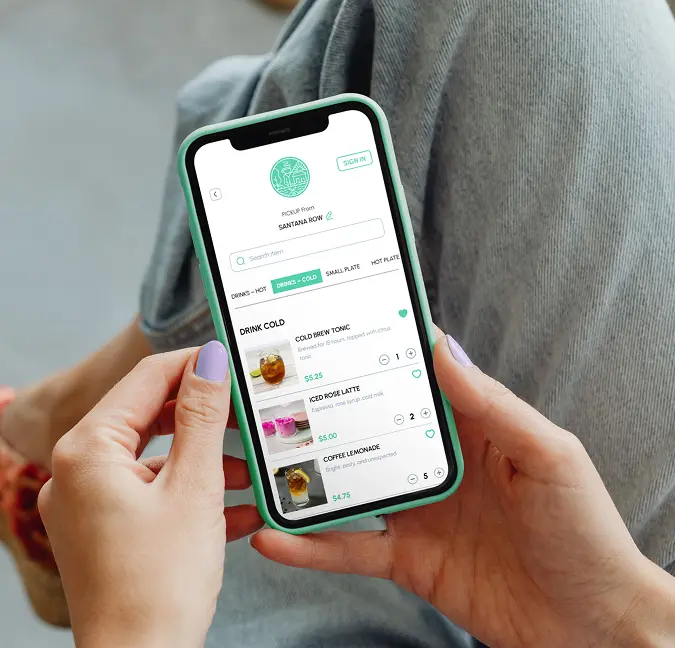
Restolabs allows restaurants to set up limited-time bundle menus and accept pre-orders without commission fees — which matters when you're already pricing bundles at a margin-conscious level. Check out Restolabs' restaurant menu examples to see how operators structure these limited-time offerings effectively.
4. Gift Card Promotions and Bonus Offers
Buy-a-gift-card-get-a-bonus-card promotions have a structural advantage that most other promotion types don't: they generate immediate revenue and guarantee a return visit.
BJ's Restaurant has offered freebies like wine glasses for moms alongside gift card pushes. California Pizza Kitchen has run heart-shaped pizza offers, sangria deals, and BOGO promotions for next visits.
The ROI breakdown: A $50 gift card sold on Mother's Day generates $50 in immediate revenue. When the recipient redeems it — often with a friend or family member — the average check typically exceeds the card value. You've effectively pre-sold a future visit at full margin.
Promote gift cards through your online ordering platform for the lowest-friction purchase experience. Customers buying a last-minute gift for mom shouldn't have to call the restaurant.
5. Loyalty Program Multipliers
Dog Haus has run quadruple loyalty points on app orders for Mother's Day. Freddy's has offered double rewards points. McDonald's uses app-based offers to drive digital adoption around the holiday.
The strategic appeal of loyalty multipliers is that they cost nothing upfront. You're not discounting food — you're accelerating the pace at which customers earn a future reward. The promotion drives app downloads, increases order frequency, and builds your digital customer base without touching your food cost.
The deeper play: Every customer who downloads your app or joins your loyalty program on Mother's Day becomes reachable for Father's Day, summer promotions, and beyond. You're not running a one-day promotion — you're building a marketing channel.
6. Themed Experiences and Add-On Events
Going beyond food is where independent restaurants can genuinely outmaneuver chains. A brunch with live music, a Mother's Day tea service, a craft cocktail pairing, or a themed photo setup creates something a national brand can't replicate at scale.
Bar Louie has run a signature margarita special alongside a 4-course dinner pairing. Dog Haus combines loyalty multipliers with celebratory curbside experiences. World of Beer leans into curated tasting events.
Experiential promotions generate social media content organically. When a table of four is photographed in front of your floral installation or posts a video of your live jazz brunch, that's reach you didn't pay for.
Operational tip: Promote experiences through online pre-booking to manage capacity. An experience that sells out creates scarcity and urgency. An experience that's overbooked creates chaos.
7. Branded Merchandise and Non-Food Gifts
Tangible gifts create lasting brand impressions and justify premium pricing. Denny's has offered a discounted PJ set for women. Native Grill & Wings has given away free fries or a sundae as a small gift for moms.
The cost-benefit logic is straightforward. A branded item that costs $4–$8 to source and bundle with a $65 dinner check becomes a conversation piece. Customers remember the restaurant that gave mom something tangible, and that memory can travel further than a one-day discount.
For independent restaurants, affordable branded merchandise — a tote bag, a candle, a small plant — can be sourced in bulk for $3–$6 per unit and bundled into a premium Mother's Day package priced $15–$20 above your standard menu.
Mother's Day Giveaway Ideas for Restaurants
The best giveaways on Mother's Day have two things in common: they feel personal, and they cost the restaurant far less than the perceived value they deliver. Here's a practical breakdown of what works, what it costs, and which restaurant type it suits best.
The most cost-efficient giveaway on this list is the single stem flower. At $1–$3 per table, it costs less than a bread basket and generates more organic social content than almost anything else on the table. Source in bulk from a local florist — and consider turning that sourcing into a co-marketing partnership where the florist promotes your Mother's Day offer to their own audience in exchange for attribution.
Mother's Day Restaurant Ideas by Business Type
Understanding what major chains run isn't just competitive intelligence — it's a pattern library. The strategic logic behind each promotion type is transferable regardless of your restaurant's size or concept.
Fast-Casual and QSR Promotions Worth Studying
QSR brands have converged on a consistent strategy: use Mother's Day to drive app adoption and digital order behavior.
Watch what the QSR brands are really doing. The free delivery offer gets the order today, but the app download gives them a customer they can reach again next weekend. Every app-exclusive offer is a database-building exercise.
Operator takeaway: Do not treat Mother's Day as a one-time sales spike. Use the offer to move guests into channels you own — whether that is your online ordering system, loyalty list, or email database.
Casual Dining and Family Restaurant Strategies
Casual dining brands focus on group value — making the full-table experience feel worth the spend.
The family restaurant pattern: Free items for mom work because they lower the perceived cost of the full-table experience. The family feels like they got a deal. The restaurant captures full-price revenue from everyone else at the table.
Operator takeaway: Structure your free-item offer around your lowest food-cost, highest-perceived-value item. A free signature dessert or house cocktail costs $2–$4 and generates a table of four spending $150+ on everything else.
Fine Dining and Upscale Approaches
Fine dining brands almost never discount. They add value through exclusivity.
Upscale restaurants rarely win Mother's Day by cutting prices. They win by making the reservation feel limited, the menu feel curated, and the bill feel justified. Limited reservation availability, exclusive menus, and premium add-ons — wine pairings, flowers, dessert presentations — can raise check averages without weakening the brand.
Operator takeaway: If you're in the upscale segment, resist the urge to discount. Open a limited number of reservations, name the menu, and let scarcity do the selling. A reservation that sells out two weeks before Mother's Day generates more pre-holiday buzz than any paid ad.
Coffee, Bakery, and Dessert Brand Tactics
These brands lean hard into the gifting occasion — and they're right to.
The dessert and coffee pattern: These brands don't compete for the dinner reservation. They compete for the gift purchase — and they win by making the transaction feel like a thoughtful gesture rather than a food order.
Operator takeaway: If your concept sells shareable or giftable products, position yourself explicitly as a Mother's Day gift destination in your marketing — not just a dining option. The framing changes the buying decision.
Pizza and Italian Restaurant Plays
Pizza and Italian concepts dominate the take-home and family bundle category for one simple reason: their food travels well.
Heart-shaped pizzas from Mountain Mike's Pizza and similar concepts generate organic social media content without a paid media budget. The visual novelty does the marketing work.
Operator takeaway: If your food travels well, a take-home bundle is essentially a second dining room with no overhead. Price it at a slight premium over individual items to reflect the convenience — and make pre-ordering the only way to secure one.
The Mother's Day Promotion Planning Timeline (8 Weeks Out to Day-Of)
This is the section most restaurant operators wish they'd found six weeks earlier. Unlike competitor resources that cover planning at a surface level, this breaks down the decision window, the marketing launch, the operational prep, and the day-of execution — by week.
Weeks 8–6: Strategy and Menu Design
This is the decision window. Choose your promotion type before you do anything else — because every downstream decision (supplier orders, staffing, marketing creative) flows from that choice.
- Decide on one primary promotion type (free item, prix fixe, bundle, or experience)
- Design your special menu — keep it to 3–5 options maximum
- Calculate food costs and margin impact for every item on the special menu
- Brief your kitchen team on new dishes and prep requirements
- Place supplier orders for any specialty ingredients or merchandise
Tip: If you're considering a take-home bundle, use this window to test the packaging and reheating instructions with your team. A bundle that arrives home and reheats poorly destroys the experience — and the review.
Weeks 5–3: Marketing Launch and Pre-Orders
Most families make Mother's Day dining plans 2–3 weeks in advance. If your first social post goes up the week before the holiday, you've already lost the reservation window.
- Launch email campaign to your existing customer list (highest ROI channel)
- Post social media teasers on Instagram and Facebook with menu visuals
- Update your Google Business Profile with Mother's Day hours, specials, and a booking link
- Open pre-orders for bundles and gift cards on your website
- Update your online ordering menu with the Mother's Day special
If a restaurant is still taking Mother's Day orders by phone, the window is not closed. Restolabs can help restaurants launch direct online ordering quickly, with expert setup, menu configuration, and commission-free ordering designed to get operators selling online without adding another operational headache.
That does not have to mean a months-long implementation. Restolabs is designed for restaurants that need to move fast, with expert setup, flexible menus, and direct ordering workflows that can support limited-time promotions without forcing operators into long contracts.
Weeks 2–1: Operations Prep and Staff Scheduling
The marketing is running. Now the operational work has to protect the promise you made in every post, email, and menu preview.
- Finalize staffing schedule — plan for 20–30% more front-of-house coverage than a normal Sunday
- Run kitchen prep tests for any new menu items
- Confirm supplier delivery dates and quantities
- Set up your reservation system with staggered time slots to spread kitchen load
- Test your online ordering system under simulated volume
Critical check: Ensure your online ordering system can handle volume spikes without slowing down or timing out. A crashed ordering page on Mother's Day morning is a recoverable disaster — but only if you've tested for it beforehand.
If online orders need to be manually copied into the POS, the team has already created a bottleneck. Restolabs' integrations for POS, delivery, and payments help restaurants keep order flow cleaner when volume spikes and every minute matters.
Final 7-Day Checklist Before Mother's Day
- ✅ Inventory confirmed and pre-ordered quantities locked in
- ✅ Reservation slots set with staggered timing (every 15–20 minutes)
- ✅ Staffing schedule confirmed with 20–30% FoH uplift
- ✅ Online ordering system tested under simulated peak volume
- ✅ Bundle pre-order cap set and auto-close configured
- ✅ In-restaurant signage and table cards printed
- ✅ Final social post scheduled (day before + day-of)
- ✅ Follow-up email drafted and queued for 48 hours post-event
Day-Of Execution and Real-Time Adjustments
- Hold a 15-minute morning briefing with all staff — review the special menu, promotion mechanics, and service expectations
- Monitor online order flow in real time; have a designated person watching the queue
- Manage walk-in vs. reservation balance — communicate wait times honestly and early
- Post one or two social media updates during service (a table photo, a kitchen shot, a dessert close-up)
- Handle complaints immediately and gracefully — a resolved complaint on Mother's Day often becomes a loyal customer
Common day-of pitfall: Running out of a featured item mid-service. Pre-sell quantities should be capped in your online ordering system. If you're offering 50 bundles, close the pre-order at 50.
How to Maximize Online Ordering for Mother's Day Restaurant Promotions
Mother's Day isn't just a dine-in event anymore. Take-home bundles, gift card sales, and pre-orders represent a revenue stream that many restaurants still treat as secondary. It shouldn't be.
For multi-location restaurants, Mother's Day creates a different kind of pressure. One location may sell out brunch bundles by Friday, while another still needs a final push. A centralized online ordering system helps operators update menus, cap inventory, route orders, and track demand by location without rebuilding the promotion from scratch.
Restolabs supports multi-location restaurants with direct online ordering, flexible menu controls, integrations, and commission-free transactions built for growth.
Setting Up a Mother's Day-Specific Online Menu
A dedicated Mother's Day menu on your ordering platform does two things: it creates a sense of occasion, and it focuses customer choice on your highest-margin items.
Keep the special menu to 3–5 options. A 15-item special menu sounds impressive but creates decision fatigue for customers and prep chaos for your kitchen. Three well-chosen options — a family bundle, a brunch kit, and a dessert add-on — outperform a sprawling menu every time.
Feature your bundle prominently at the top of the page. Price it to reflect the occasion — customers expect to spend more on Mother's Day and are less price-sensitive than on a normal Tuesday.
Why Commission-Free Ordering Matters More on Holidays
Here is where Mother's Day promotions get expensive. A bundle can look profitable on paper, then lose its margin the moment a third-party commission is applied.
A restaurant running a $49 Mother's Day brunch bundle through a commission-based delivery app loses $7–$15 per order before the kitchen fires a single ticket. That's a 14–30% commission on a product you've already priced at a promotional margin.
The difference between $34.30 and $49.00 per order is the difference between a profitable promotion and a break-even exercise. Multiply that across 80 bundle orders and the recovered margin ranges from $588 to $1,176. That is real money back in the restaurant's pocket, not a rounding error.
For seasonal promotions, flexibility matters. A restaurant should not have to sign a long contract just to test direct ordering for a holiday campaign. Restolabs' flexible, contract-free plans make it easier to launch, measure, and scale without locking the business into a model that does not fit.
Restolabs' commission-free ordering platform eliminates third-party commission costs entirely. Restaurants keep 100% of every order — which matters most precisely when they are already running margin-conscious promotions. Explore Restolabs' features and pricing to see how the numbers work for your volume.
Restaurants can also use a commission savings calculator to model exactly how much third-party fees change the promotion math at their own order volume.
Capturing Customer Data for Post-Holiday Marketing
Every Mother's Day order can become the start of a customer relationship — but only if the restaurant owns the ordering channel. If the order comes through a third-party app, the restaurant gets the ticket while the platform keeps the customer connection.
When customers order through your own system, you get both the revenue and the relationship. That difference compounds over time.
The post-holiday opportunity: A customer who orders a Mother's Day bundle and receives a follow-up email about your Father's Day promotion is significantly more likely to return than a cold prospect. The acquisition cost is near zero because you already have the relationship.
Restolabs gives restaurants full ownership of customer data with no platform lock-in — meaning every email address, phone number, and order history captured on Mother's Day becomes a marketing asset the restaurant controls. Track patterns over time with Restolabs' restaurant analytics to identify your highest-value repeat customers.
5 Mother's Day Promotion Mistakes That Cost Restaurants Money
1. Discounting Too Aggressively Without Calculating Margin Impact
A 20% discount on a $60 check sounds manageable. A 20% discount on a $60 check with a free dessert, a complimentary glass of wine, and a 30% commission to a delivery platform is a loss.
Before you finalize any Mother's Day promotion, run the full margin calculation: food cost + labor cost + platform fees + promotion cost = actual cost per cover. If the math doesn't work at your projected volume, redesign the promotion before you launch it. Restaurants can also use a commission savings calculator to see how much third-party fees change the promotion math before committing to a platform.
2. Ignoring Online and Takeout Revenue
Restaurants that only plan for dine-in are planning for roughly half the available market. The Olive Garden bundle model exists because there's a large, underserved segment of families who want a special meal but don't want the dining room experience.
Build a takeout and pre-order strategy alongside your dine-in plan. They don't compete — they complement.
3. Starting Marketing Too Late
Most families make Mother's Day dining decisions 2–3 weeks in advance. A social post on the Thursday before Mother's Day reaches people who've already made plans — or people who've given up on finding availability.
Start your marketing 5–6 weeks out. Open pre-orders 3 weeks out. Send your first email 4 weeks out. The restaurants with full houses on Mother's Day Sunday booked them in April.
4. Overcomplicating the Menu
A 15-item special menu is a kitchen nightmare on your highest-volume day of the year. Every additional item is another prep requirement, another potential stockout, another point of failure under pressure.
Three to five focused options outperform sprawling menus — for your kitchen, for your customers, and for your food cost. Constraint is a feature, not a limitation.
5. Failing to Capture Customer Data
If a Mother's Day customer walks out — or completes a takeout order through a third-party app — and you have no way to reach them again, you've turned a potential regular into a one-time visitor.
Every promotion should include a mechanism for data capture: a loyalty program sign-up, an email opt-in at checkout, or a post-visit survey with an incentive. The customers you can reach again are worth multiples of the customers you can't.
Turning Mother's Day Customers Into Year-Round Regulars
The restaurants that win on Mother's Day aren't just the ones with the highest revenue on the day. They're the ones who convert that traffic into a year-round customer base.
The 48-Hour Follow-Up Email That Drives Repeat Visits
Send a thank-you email within 48 hours of Mother's Day. Keep it short: thank the customer for celebrating with you, include a photo from the day, and offer a return incentive — a 15% discount on their next visit, a free appetizer, or early access to your Father's Day menu.
The economics favor this approach strongly. Acquiring a new restaurant customer costs 5–7x more than retaining an existing one. A Mother's Day customer who's already had a positive experience is the lowest-cost acquisition you'll ever find.
Email outline:
- Subject: "Thank you for celebrating Mother's Day at [Restaurant Name]"
- Opening: Warm, specific acknowledgment of Mother's Day
- Body: One sentence about what made the day special
- Offer: Clear return incentive with expiration date (creates urgency)
- CTA: Book your next visit / Order online
Bridging Mother's Day to Father's Day (and Beyond)
Mother's Day customer data is Father's Day pre-marketing. Segment your Mother's Day customers by order type — dine-in vs. takeout — and tailor your Father's Day outreach accordingly.
Dine-in customers get a reservation invitation. Takeout customers get a bundle preview. Both get a reason to come back within six weeks.
Build a promotional calendar that treats Mother's Day as the first event in a sequence: Mother's Day → Father's Day → summer graduation season → back-to-school family dinners → holiday season. Each event is an opportunity to re-engage the customer database you built in May.
Turn Your Mother's Day Restaurant Ideas Into Repeat Revenue
The restaurants that dominate Mother's Day aren't the ones with the biggest marketing budgets. They're the ones with the clearest strategy, the earliest start, and the right digital infrastructure to capture every order — dine-in, takeout, and pre-order — without giving away margin to intermediaries.
For restaurant owners ready to turn Mother's Day demand into direct revenue, Restolabs brings pre-orders, limited-time menus, customer data ownership, and commission-free ordering into one flexible platform. Book a Demo to see how restaurants can launch faster, protect margins, and stay ready before the holiday rush.

Sruthi Sekar specializes in brand strategy, growth, and user experience in the hospitality industry. As the driving force behind Restolabs, she helps restaurants harness technology to scale and thrive. With a background in design, branding, and entrepreneurship, she brings a sharp focus on crafting digital experiences that drive real business impact.
Frequently Asked Questions
Start your marketing 6–8 weeks before Mother's Day, with the first email campaign going out 4–5 weeks before the holiday. Open pre-orders for bundles and special menus 2–3 weeks out, since most families make dining plans in that window. Waiting until the week before means competing for customers who've already committed elsewhere.
Prix fixe menus and family bundles tend to offer the best margin protection because they let you control food costs while increasing average check size. Free-item promotions drive traffic and table size but require careful margin calculation - the free item needs to be offset by full-price revenue from the rest of the table. Gift card promotions have the highest long-term value because they generate immediate revenue and guarantee a return visit.
Independent restaurants have advantages chains can't replicate: personalization, local community connection, and the ability to create genuinely unique experiences. A locally sourced brunch menu, live music from a neighborhood musician, or a handwritten note for every mom at the table creates something a national brand can't manufacture at scale. Commission-free online ordering platforms also level the digital playing field, giving independents the same pre-order and gift card capabilities without the overhead.
Both, without question. Dine-in captures the celebratory experience market; takeout and pre-orders capture families who want a special meal at home. The Olive Garden Ready-To-Bake Bundle model demonstrates that a significant portion of Mother's Day demand exists outside the dining room. Use an online ordering system to manage takeout orders separately from dine-in operations so neither channel overwhelms the other.
Pre-orders spread demand across the days before the holiday, reducing day-of chaos significantly. A simplified special menu - 3–5 options rather than your full menu - reduces kitchen complexity under pressure. Staggered reservation times prevent simultaneous table turns from overwhelming the kitchen. Extra front-of-house staffing (plan for 20–30% above a normal Sunday) keeps service quality consistent when volume spikes.
Email to your existing customer list delivers the highest ROI because you're reaching people who already know and like your restaurant. Google Business Profile updates capture local search traffic from families actively looking for places to eat. Instagram and Facebook work well for visual menu teasers and experience previews. SMS is effective for last-minute reminders in the final 48–72 hours. All of these channels depend on owning your customer data - which is only possible if customers are ordering through your platform rather than a third-party app.
The most effective low-effort ideas for small restaurants are: a free dessert or drink for mom (requires no extra prep if it's already on the menu), a small floral giveaway sourced in bulk from a local florist ($1–$3 per table), a gift card bonus offer (no food cost at all), and a prix fixe menu using existing ingredients. Any of these can be set up in a week with minimal operational change. Pair whichever offer you choose with a direct online ordering page so guests can pre-order or purchase gift cards without calling.
A good Mother's Day dinner menu is focused rather than exhaustive — typically 3–5 curated options that feel special without overwhelming the kitchen. Strong choices include a 2–3 course prix fixe featuring seasonal seafood or a premium steak option, a family-style shareable main, a signature dessert with a celebratory presentation, and a seasonal cocktail or champagne offer. Including at least one vegetarian option and noting any gluten-free dishes reduces booking friction for multigenerational groups. Keep the menu to items your kitchen can execute consistently at 150% of normal volume.
Brunch is the most common Mother's Day meal format in the United States, with dishes like eggs Benedict, French toast, smoked salmon, fresh pastries, and fruit displays being consistently popular. For dinner, roast chicken, prime rib, seafood, and premium pasta dishes are traditional favorites. Desserts with a celebratory appearance — layered cakes, chocolate fondant, seasonal fruit tarts — outperform everyday options. Champagne, mimosas, and signature cocktails are expected at nearly every price point on this date.
Families choosing a Mother's Day restaurant typically look for four things: a special or prix fixe menu that signals the occasion, reliable reservation availability (or a low-wait walk-in option), a family-friendly atmosphere that works for multiple generations, and easy takeout or pre-order access if dining out isn't practical. Independent restaurants with curated experiences often outperform chains on the "memorable occasion" dimension, while chains offer predictability and consistency. The best choice for any family depends on whether they prioritize experience, convenience, or value — and operators who clearly communicate which of those they deliver will fill their books first.




.webp)

.svg)
.webp)