Key Takeaways
- Restaurant owners can increase restaurant sales by improving local visibility, search engine optimization, and the path from their restaurant website to a direct online ordering system.
- Use food delivery services and delivery platforms for discovery, then encourage existing customers to order directly so you can protect margins, customer data, and repeat business.
- Use time-based offers and exclusive promotions to increase sales during quieter periods, shape demand around peak hours, and create more predictable revenue.
- Use sales data, customer preferences, and customer behavior to reward customers, improve customer retention, and drive repeat business.
- Restolabs can help streamline operations across direct ordering, delivery, pickup, loyalty, promotions, and sales analytics while supporting long-term revenue growth.
Every day, people look up phrases like “best delivery near me” when they’re ordering food online, but the real question is: how many of them are finding you?
The US online food delivery market is projected to be valued at nearly $68 billion by 2034. Naturally, as dine-in traffic shifts and competition increases online, delivery has quietly become one of the strongest growth levers for a restaurant business.
However, despite the positives, many restaurants struggle to turn that growing demand into consistent offers – just being online isn’t enough! You need to be visible, trusted, and easy to order from.
So, how do you ensure that? This guide walks you through six practical ways to boost your restaurant delivery sales.
How Can You Increase Restaurant Delivery Sales?
Higher sales might feel out of reach, but you don’t need a massive overhaul. Just start with these six steps to move in the right direction:
1. Strengthen local SEO
Black Box Intelligence reports that more than 60% of customers use Google Search to find restaurants, with the highest-ranked listings getting the majority of clicks and orders.
Therefore, to make your restaurant website and online ordering system easily searchable and discoverable locally:
- Claim and optimize your listings: Add or verify your Google Business Profile and your restaurant on Yelp, Bing Places, TripAdvisor, and Apple Maps. Ensure your Name, Address, and Phone (NAP) information is consistent across all platforms. This signals to Google that your business details are reliable, which further helps improve your visibility in local search and map results. And accurate online information prevents missed orders and negative reviews.
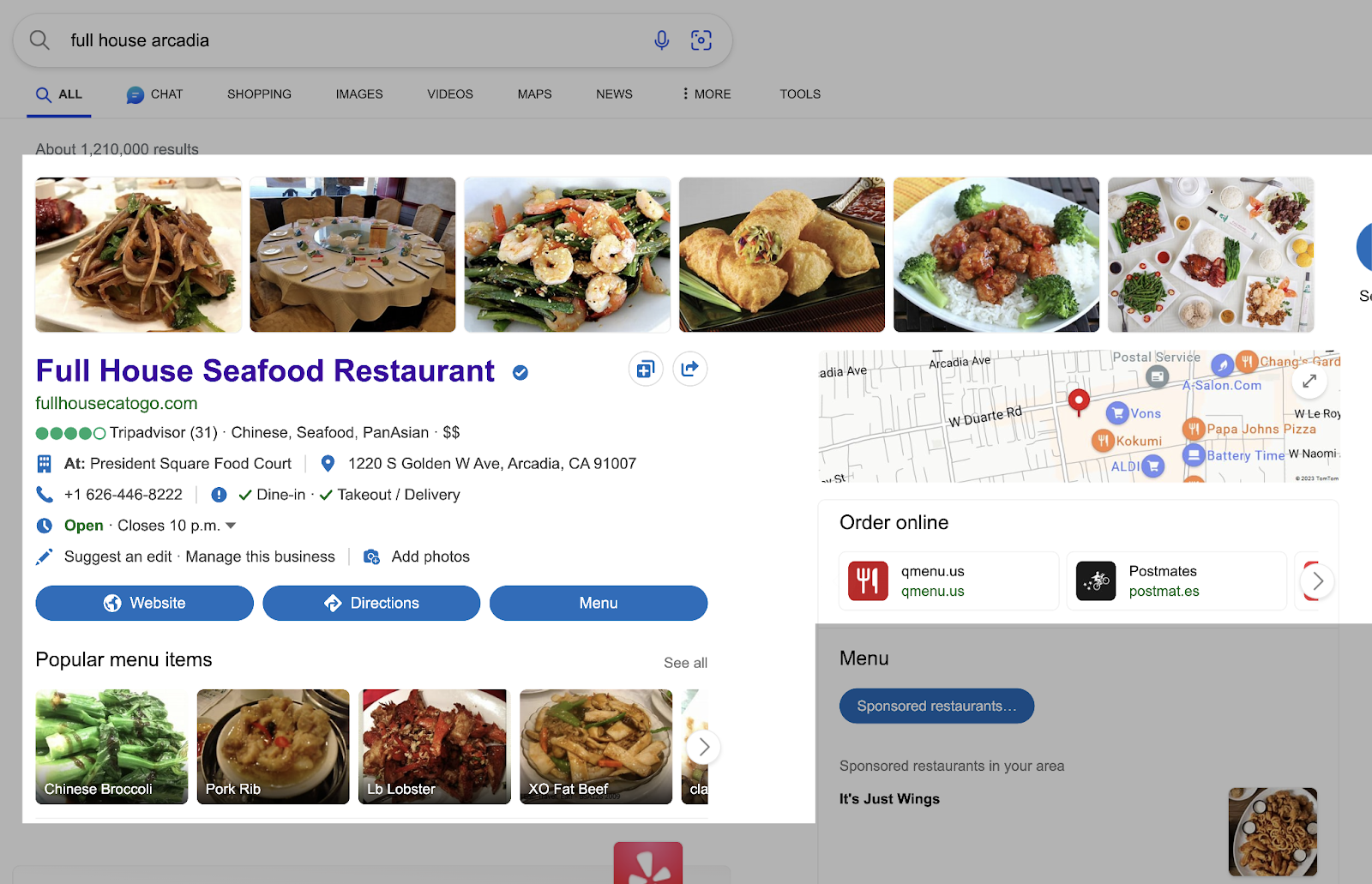
Learn more about restaurant SEO tips.
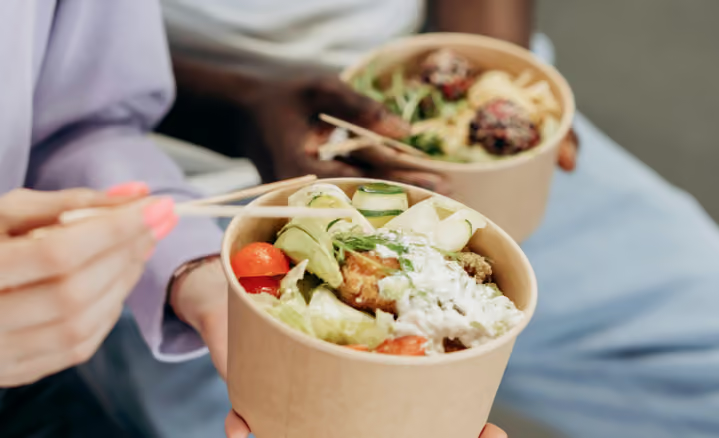
- Use high-quality, appetizing imagery: Upload clear, well-lit photos of popular menu items, either plated or packaged for delivery, to enhance user engagement and decision-making. Strong visuals make your food feel real, fresh, and worth trying.
- Incorporate location-based keywords naturally: Use phrases like “best burger delivery in Chicago” or “healthy lunch pickup in San Diego” in your descriptions, menu pages, and captions for search engines to understand what you offer and which local searches you should appear in.
2. Partner strategically with third-party delivery services
Did you know 56% of US customers use food delivery services such as DoorDash, Uber Eats, and Grubhub to discover new restaurants and reach more customers in addition to ordering from the ones they already know?
It’s no surprise since these delivery platforms are fast, convenient, and packed with deals that keep people scrolling for their next favorite meal.
However, for restaurants, this often means paying commissions that can reach as high as 30% per order—yes, that’s right!
How do you drive more sales without giving away your profits? Follow these steps:
- Leverage delivery apps to get found first: Delivery apps are top-of-funnel. Once customers have tried your food, invite them to place an order directly with you. Add a QR code to every delivery bag, linking to your ordering site and, for example, offer free delivery over $40. In fact, 79% of diners have used restaurant-specific apps to order food.
- Shorten your marketplace menu for clarity: List only high margin items that are delivery-friendly on the delivery app. Prioritize dishes that travel well and are easy to prepare quickly for off premises dining. This simple menu engineering approach reduces errors, preserves food quality, and maintains a stable kitchen pace, especially during busy hours.
Third-Party Delivery Apps vs. Direct Ordering Platforms
3. Run time-based offers and campaigns
Most restaurants experience the same pattern: busy weekends and slow weekdays.
Offering exclusive promotions through time-based campaigns helps shape demand, encouraging customers to order from you when there are fewer dine in customers and your kitchen has more capacity outside peak hours:
- Target low-traffic windows: Identify your slowest hour block (e.g., 3–5 PM or after 8 PM) and attach a recurring perk to it, such as 15% off or a complementary item, like garlic bread, fries, or a dessert. This way, you can boost sales by pulling a few orders into quieter periods without discounting the entire day.
- Bundle meals to increase order value: Create one or two pre-set meal bundles that are easy to understand and quick to order. Think “Family Feast Friday” or “Weekend Dinner for Two.” Price them slightly below the combined total so it feels like a good-value choice.
- Use weather- or event-based campaigns: Tie your offers to local context, such as rainy days, big game nights, local festivals, community events, neighborhood events, or promotions with local businesses. These triggers tap into what people are already experiencing, which makes ordering timely and relevant.
4. Glean customer data to personalize promotions
In an era where customers are bombarded with generic “10% off messages,” personalization is what helps cut through the noise. According to Quantum Group, it can increase ROI by 5–8X compared to one-size-fits-all campaigns.
For restaurants, that translates into more frequent reorders, higher average check sizes, stronger brand loyalty, and more repeat visits. When you understand who your best customers are, what they love ordering, and when they’re most active, you can design offers that feel relevant.
Here’s how to do it effectively:
- Segment your customer base intelligently: Use sales data to divide your audience into groups based on customer behavior, frequency (regulars, occasional buyers, one-time buyers), average spend, and customer preferences. Each of them can then receive custom messaging that matches their behavior.
Customer Segmentation Matrix
- Re-engage lapsed customers: Set up automated “We miss you!” campaigns through email marketing or SMS for customers who haven’t placed an order in 30 days or more. A personalized coupon, such as “Your favorite pasta, 20% off this weekend only,” can bring them back faster than a generic blast and drive repeat business. Automated SMS campaigns have a 98% open rate for promotions.
- Recommend smart-ons: Pair each best-selling main dish with one or two natural complements—for example, Chicken Alfredo Pasta with Garlic Bread. Display these suggestions at checkout with simple prompts, such as “Complete the meal?” for a quick, high-conversion upsell. Automated upsell prompts can increase average ticket size by 3% or more.
5. Create exclusive delivery-only menus and combos
Customers love discovering something they can’t get anywhere else. With an exclusive delivery-only menu, you can use smart menu design to highlight high margin dishes and profitable dishes, attract new customer segments, and increase the average spend per order, especially when promoted through delivery apps.
Here’s what to do:
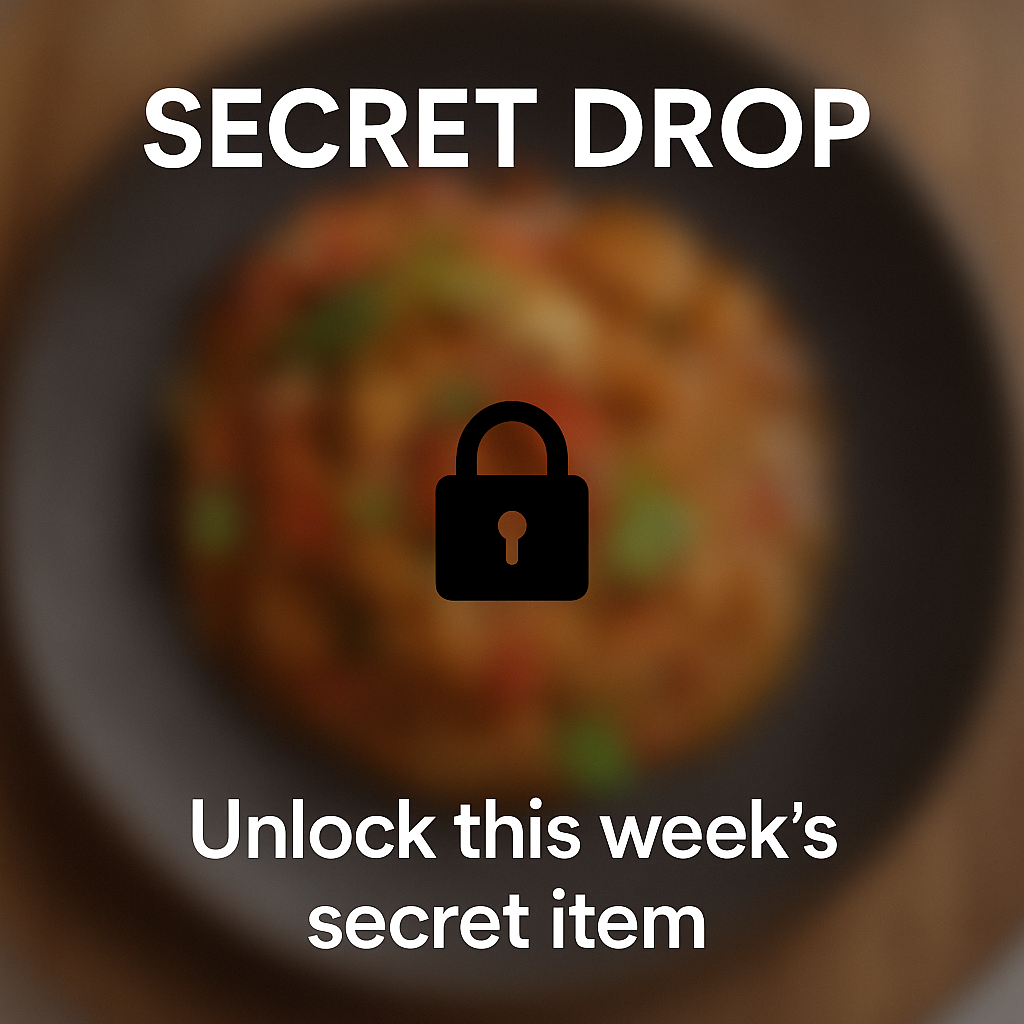
- Rotate “secret menus” drops: Introduce one “hidden” dish every week or month that’s only accessible through a special link or code shared with subscribers. This builds intrigue and repeat business as customers return to discover what’s new before it disappears.
- Design “Taste-Tester” editions: Release limited “Beta Bites” or experimental dishes and let customers vote on their favorites through social media or email polls. This customer feedback helps you understand consumer preferences. When you announce the winning dish publicly, highlight it as a “fan favorite.” Social proof will naturally drive curiosity.
- Offer a prix fixe experience at home: Curate a complete three-course set, comprising a starter, main, and dessert, at a single price point. Promote it as an at-home dining experience that takes the guesswork out of ordering.
Think of the delivery menu as a sales tool: the best combinations should make the choice easier and support higher-value orders.
6. Streamline delivery logistics for speed and accuracy
Customers value a reliable, on-time delivery process because it improves the customer experience and demonstrates that they can trust your restaurant to meet their expectations.
And when your delivery operations run efficiently, your team can fulfill more orders in less time, improve operational efficiency, and avoid sacrificing quality. Follow these tips:
- Implement smart order throttling: Limit the number of delivery orders that can be placed within a specific time window to prevent the kitchen from becoming overwhelmed during peak dine-in periods.
- Build predictable driver workflows: For in-house delivery, pre-assign routes or batches of nearby orders to reduce back-and-forth travel. Provide each driver with an insulated delivery bag and clear instructions to maintain food temperature, food safety, and food quality across every drop-off. Specialized packaging retains food quality during delivery.
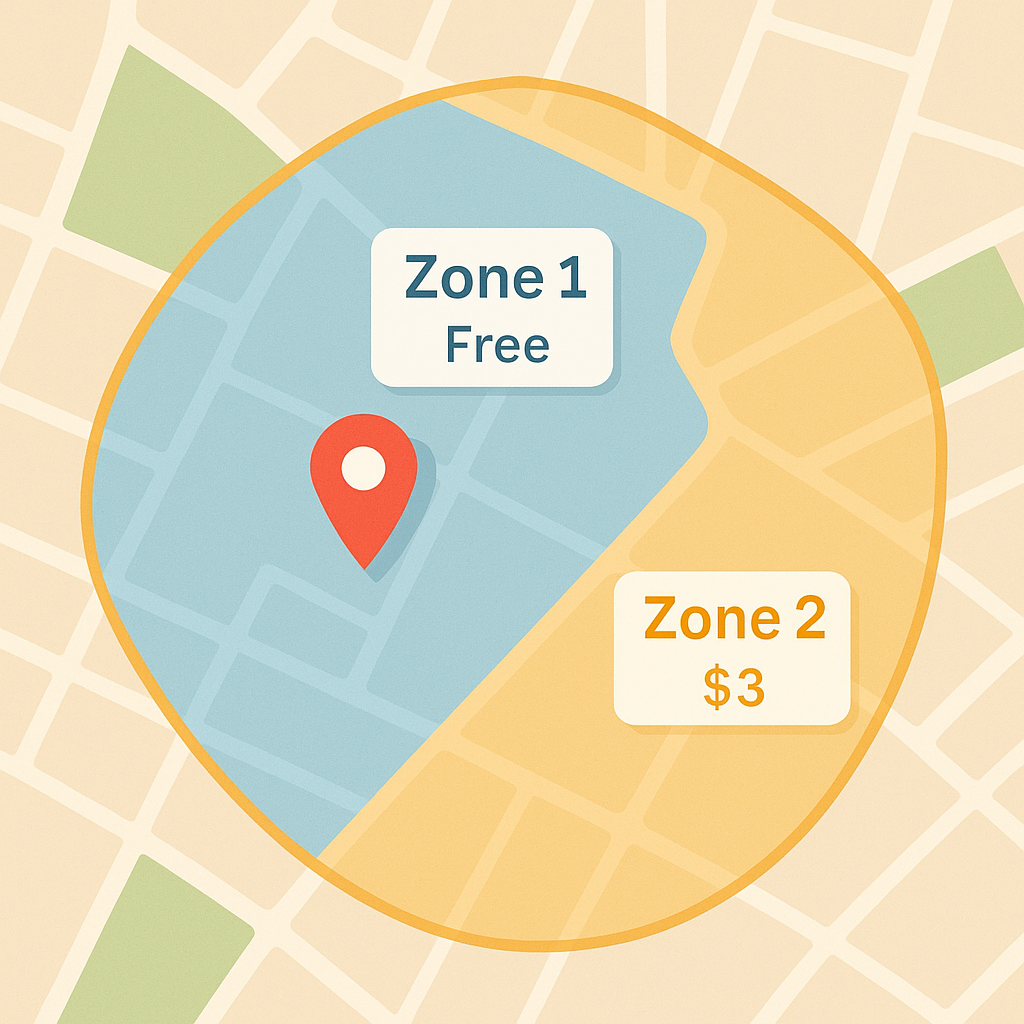
- Optimize delivery radius and zones: Identify your highest-order neighborhoods and prioritize them for marketing, promotions, or faster delivery batches. If there’s demand farther out, consider introducing tiered delivery zones with different fees, rather than offering a single flat rate.
Also Read: Why Every Restaurant Needs a Solid Business Plan
Bonus Strategy: Promote Curbside Pickup to Increase Profit per Sale
Delivery isn’t the only way to grow. Pickup can be just as powerful for restaurant owners looking to increase takeout sales.
It eliminates third-party commissions and delivery fees, while helping you build direct relationships with customers.
Restolabs is a high-margin channel that works well during busy hours, when guests want speed and convenience, such as morning coffee runs or quick lunch orders.
According to Restolabs' 2026 Online Ordering Behaviour Report, 60.1% of orders were fulfilled through pickup, compared with 39.9% through delivery.
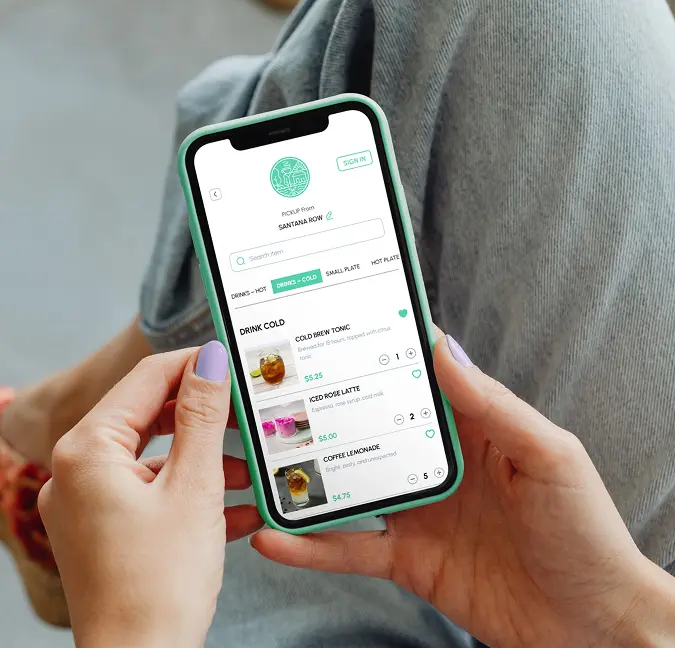
With Restolabs, you can easily promote and manage pickup orders right from your online ordering site. Offer “skip-the-line” pickup or free add-ons or loyalty points to encourage repeat orders.
Other capabilities include:
- Using Quick Reorder to let regulars place their favorite orders in seconds
- Accepting cash or online payments for pickup, keeping every dollar you earn
Also Read: How Online Ordering Transforms Takeaway Operations
How Can Restolabs Help Increase Restaurant Delivery Sales?
Here’s the deal: when your restaurant is visible online, listed accurately across search platforms, driven by timely offers, guided by customer data, and backed by efficient logistics, revenue growth follows naturally.
Each marketing strategy in this guide is connected to a single goal: stronger delivery and pickup performance, as well as higher profitability.
Restolabs provides the structure to make that happen. It’s an all-in-one online ordering system for restaurants that combines direct ordering, in-house and third-party delivery integrations, loyalty and coupon programs, and sales analytics.
It empowers you to manage pickup and delivery orders, run promotions, and track every sale, all while keeping full profits on direct orders and avoiding third-party marketplace commissions.
Aditya Raolji of Pizza Pirates says, “We saw a 25% month-on-month surge in online orders, with zero extra marketing. We're now processing triple-digit daily orders, saving our team significant time on manual phone entries.” You can read more Restolabs customer stories here.
Why wait? Restolabs offers a 30-day free trial, enabling you to risk-free explore its full suite of features. You can cancel anytime, and there are no contracts. Book a free demo today!

Sakthi Vignesh is a product and technology leader specializing in scalable solutions for the hospitality industry. As the force behind Restolabs, he focuses on building robust, user-centric platforms that help restaurants streamline operations and grow efficiently. With deep expertise in technology, product strategy, and system architecture, he drives innovation at the intersection of business and tech.
Frequently Asked Questions
Focus on strengthening your direct ordering channels. Ensure your website and menu are mobile-friendly and prominently feature high-margin signature dishes. Offer small incentives for ordering directly, such as free delivery or a discount on the first order. Utilize SMS, WhatsApp, and social media to remind customers to place orders directly with you.
Start by analyzing order frequency, favorite dishes, and past spend. Use this to segment your customers and send targeted offers tailored to their preferences. Automate re-engagement messages for customers who haven’t ordered recently. Track which promotions lead to repeat orders and refine accordingly. When your offers feel personal and timely, customers are more likely to return.
Simplify your menu to items that travel well and consistently perform. Utilize low-cost channels, such as social media, local influencers, referral programs, nearby community groups, and packaging inserts with QR codes, to drive direct orders. Offer small incentives for repeat customers. Invest in good packaging and presentation, as that improves perceived value without significantly increasing cost.
When delivery is consistently on time and food arrives fresh, customers trust you and reorder more often. Streamline your kitchen workflow by batching deliveries when possible and setting clear delivery zones to minimize delays. Monitor delivery times to identify bottlenecks. A smooth delivery experience strengthens customer loyalty and encourages repeat sales.
Track average order value (AOV), repeat order rate, customer acquisition cost (CAC), and delivery time. Compare revenue and profit margin between direct and third-party orders. Monitor customer satisfaction through ratings and reviews. These metrics indicate how efficiently you’re selling, where you may be losing profit, and the strength of your customer loyalty.