
.avif)
Key Takeaways
Analyzing sales data, demographics, and customer feedback helps tailor a focused wine menu that reduces decision fatigue and increases orders.
Regular tastings, wine education, storytelling, and confident upselling empower servers to guide guests and increase average wine spend.
Simplified categorization, approachable descriptions, strategic placement, and seasonal updates significantly influence purchasing behavior.
Suggested pairings, proper glassware, lighting, music, and visible wine displays encourage guests to order and upgrade wine selections.
Social media promotion, wine events, digital wine lists, online ordering, and data analytics help drive discovery, experimentation, and repeat sales.
Wine sales can significantly impact a restaurant's bottom line, with profit margins on wine typically ranging between 60-75% compared to the 30-40% margins on food. Despite this potential, many restaurant owners struggle to fully capitalize on their wine programs. Whether you're facing stagnant wine sales, staff who lack confidence in recommending bottles, or customers who default to the house wine, implementing strategic approaches can transform your wine program into a substantial revenue driver. This comprehensive guide explores proven techniques to increase wine sales in your restaurant, addressing everything from staff training to menu design and customer experience enhancement.
Understanding Your Customer Base
Identify Key Wine Preferences
Before revamping your wine program, it's essential to understand what your customers actually want. Research by the Wine Market Council shows that 38% of restaurant patrons feel intimidated when ordering wine, while 72% appreciate guidance from knowledgeable staff. Begin by analyzing your current wine sales data to identify patterns and preferences. Which wines sell consistently? Are there price points that perform particularly well? Additionally, consider implementing brief customer surveys or encouraging servers to gather informal feedback about wine preferences.
Different demographics have distinct wine preferences that can inform your selection. For instance, millennials tend to be more adventurous and value unique, sustainable options, while older patrons might prefer traditional varieties and established vineyards. Understanding these nuances allows you to stock wines that will resonate with your specific customer base.
Tailor the Wine Menu
Once you understand your customers' preferences, customize your wine menu accordingly. A common mistake restaurants make is creating overly extensive wine lists that overwhelm rather than entice customers. Studies show that when faced with too many choices, customers often default to the least expensive option or avoid ordering wine altogether.
Instead, curate a focused selection that reflects your restaurant's concept and your customers' preferences. If you operate a casual Italian eatery, emphasize approachable Italian wines that pair well with your dishes. For upscale establishments, consider a more diverse selection with premium options. The key to how to increase wine sales in a restaurant often lies in quality over quantity-a thoughtfully curated list of 20-30 wines typically outperforms an extensive but unfocused collection of 100+ options.
Training and Empowering Your Staff
Host Regular Wine Trainings
Your servers are the frontline ambassadors for your wine program, and their knowledge directly impacts sales. According to Cornell University research, restaurants that implement comprehensive wine training programs see an average increase of 23% in wine sales. Effective training should be ongoing rather than a one-time event and should include:
- Tastings: Allow staff to taste the wines they're selling. This firsthand experience enables them to speak authentically about flavors and characteristics.
- Basic wine education: Teach fundamental concepts about wine regions, varietals, and production methods.
- Food pairing principles: Educate staff on basic pairing guidelines so they can confidently recommend wines that complement menu items.
- Service standards: Proper wine service, including presentation, opening, pouring, and appropriate glassware.
Consider bringing in wine representatives or sommeliers for special training sessions. Many distributors offer complimentary staff training as part of their service, providing expert knowledge at no additional cost.
Encourage Storytelling and Upselling
Wine sales increase dramatically when servers can tell compelling stories about the wines they're recommending. Train your staff to share interesting narratives about the wineries, unique production methods, or the passionate people behind the bottles. These stories create emotional connections that motivate purchases.
Additionally, teach strategic upselling techniques. Rather than simply recommending the most expensive options, staff should suggest wines that represent good value while being a step up from the least expensive choices. For example, when a customer orders the house Cabernet, a server might say, "If you enjoy full-bodied reds, you might love this Malbec from Argentina. It's just $8 more per bottle but offers exceptional quality and pairs beautifully with our steak special."
Implement a recognition program that rewards staff for wine knowledge and sales performance. This could include financial incentives, such as a percentage of wine sales, or non-monetary rewards like first access to new wine tastings or educational opportunities.
Optimizing Wine List Presentation
Simplify and Categorize
The design and organization of your wine list significantly impact customer behavior and purchasing decisions. A well-designed wine list serves as a silent salesperson, guiding customers toward selections that benefit both their experience and your bottom line.
Organize wines in intuitive categories that help customers navigate options confidently. While traditional categorization by region (French, Italian, etc.) works for wine enthusiasts, many casual diners find style-based categories more accessible. Consider grouping wines by descriptors such as "Crisp & Refreshing Whites," "Bold & Spicy Reds," or "Elegant & Smooth Reds."
Use clear, approachable descriptions that focus on flavor profiles rather than technical details. For example, instead of "high acidity with notes of petrol," opt for "refreshing citrus flavors with a crisp finish." Include food pairing suggestions directly on the menu to help customers make confident choices.
Strategic placement matters too. Position your most profitable wines in the visual "sweet spots" of your menu-typically the upper right corner and center of the page. Research shows these areas receive the most visual attention from customers.
Regular Updates and Seasonal Promotions
A static wine list quickly becomes stale. Implement regular updates that keep your offerings fresh and exciting. Seasonal rotations align with changing menu items and customer preferences-lighter, crisper wines in summer and fuller-bodied options in winter.
Feature limited-time selections that create a sense of urgency. "Wine of the Month" programs or special seasonal offerings encourage customers to try something new before it's gone. This approach to how to increase wine sales in restaurant settings capitalizes on the psychology of scarcity and exclusivity.
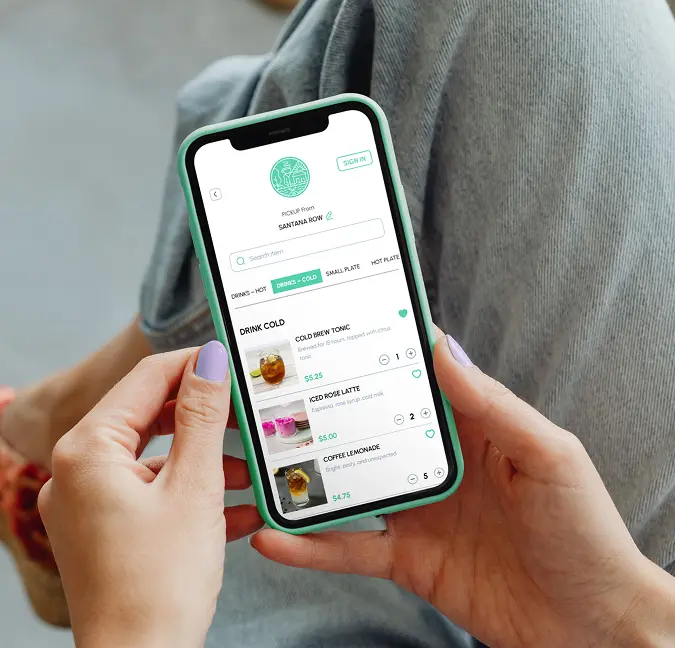
Consider implementing a digital wine list using tablets or QR codes that link to expanded information. This technology allows you to update offerings instantly and provide additional details, including vineyard stories, tasting notes, and even video content, without cluttering your physical menu.
Enhancing the Dining Experience
Food and Wine Pairings
Strategic food and wine pairings represent one of the most effective ways to boost wine sales while enhancing the overall dining experience. Research indicates that 85% of customers are more likely to order wine when specific pairing suggestions are offered.
Implement these pairing strategies throughout your restaurant:
- Menu integration: Include suggested wine pairings directly on your food menu, either alongside each dish or in a dedicated section.
- Pairing flights: Offer small pours of different wines paired with specific courses or tasting menus.
- Chef's recommendations: Feature special pairings created by your chef, lending authority and creating interest.
- Pairing events: Host special dinners that showcase thoughtful food and wine combinations.
Train servers to explain why specific pairings work, using accessible language that enhances the customer's appreciation. For example, "The acidity in this Sauvignon Blanc cuts through the richness of the creamy pasta, creating a balanced experience."
Creating a Memorable Ambiance
The physical environment of your restaurant significantly influences wine purchasing behavior. Research from Cornell University found that ambient elements like lighting, music, and decor can increase wine sales by up to 23% when thoughtfully implemented.
Consider these environmental factors:
- Lighting: Soft, warm lighting creates an intimate atmosphere that encourages lingering and additional wine orders.
- Music: Studies show that classical or jazz music can increase the average spend on wine compared to pop music or no music.
- Temperature: Ensure wines are served at proper temperatures-reds slightly cool (60-65°F) rather than room temperature, whites properly chilled (45-55°F).
- Glassware: Quality, appropriate glassware enhances the wine experience and signals your commitment to wine service.
- Visual cues: Visible wine displays, attractive bottle presentations, and wine-related decor elements all serve as subtle reminders that wine is an integral part of the dining experience.
Consider creating a dedicated wine area or visible wine cellar that showcases your selection. These visual elements spark interest and conversation about wine, naturally leading to increased orders.
Leveraging Marketing Strategies
Social Media and Online Presence
Effective digital marketing can significantly boost awareness of your wine program and drive customer interest. Develop a consistent social media strategy that highlights your wine offerings through visually appealing content.
Create Instagram-worthy presentations that customers will want to share, extending your reach organically. Feature "behind the scenes" content such as staff training sessions, new wine arrivals, or the stories behind specific bottles.
Use your website and email marketing to promote wine events, special offerings, and wine education content. Consider creating a blog that features wine information, pairing suggestions, or interviews with winemakers. This content positions your restaurant as a wine destination while improving your search engine visibility for wine-related queries.
Implement online ordering systems that prominently feature wine options, including detailed descriptions and pairing suggestions. This approach is particularly effective for takeout orders, where customers might not otherwise consider adding wine to their purchase.
Hosting Wine Events
Special events centered around wine create excitement, build community, and drive sales. Consider implementing regular events such as:
- Winemaker dinners: Partner with vineyards to create special menus paired with their wines, often with the winemaker present to discuss the selections.
- Tasting flights: Offer themed flights that allow customers to sample multiple wines in smaller portions.
- Wine education classes: Host casual learning sessions that demystify wine and build customer confidence.
- Special pricing nights: Consider implementing promotions like "Half-price Bottle Wednesdays" to drive traffic during slower periods.
Promote these events through multiple channels, including social media, email marketing, in-restaurant signage, and partnerships with local businesses or hotels. Create a sense of exclusivity by limiting attendance for certain events, encouraging early registration.
Follow up after events with personalized communications thanking attendees and offering incentives for their next visit. This approach builds loyalty while encouraging repeat business.
Implementing Technology Solutions
Digital Wine Lists and Ordering Systems
Technology offers powerful tools for enhancing wine sales through improved presentation, streamlined ordering, and data-driven decision making. Digital wine lists on tablets or accessible via QR codes provide several advantages over traditional printed lists:
- Real-time inventory updates that prevent disappointing customers with unavailable selections
- Rich content including images, vineyard information, and detailed tasting notes
- Filtering capabilities that help customers find wines matching their preferences
- Integration with POS systems for seamless ordering
Online ordering platforms should prominently feature wine options with detailed descriptions and pairing suggestions. This approach is particularly effective for takeout orders, where customers might not otherwise consider adding wine to their purchase.
Loyalty Programs and Data Analysis
Implement customer relationship management (CRM) systems that track wine preferences and purchasing patterns. This data enables personalized recommendations and targeted promotions based on individual customer history.
Consider wine-focused loyalty programs that reward customers for exploring your wine offerings. These might include point systems, access to special reserve wines, or invitations to exclusive tasting events.
Use analytics to identify trends, optimize inventory, and refine your wine program. Track key metrics such as:
- Wine sales by varietal, region, and price point
- Attachment rate (percentage of food orders that include wine)
- Average wine spend per table
- Most effective server recommendations
This data-driven approach allows you to continuously refine your wine program based on actual customer behavior rather than assumptions.
Structuring Prices and Pour Sizes for Higher Wine Sales
A wine list can be full of strong labels and still stall at the table if the pricing feels like a jump, not a choice. The smartest programs build a ladder: an easy entry point, a confident mid-tier option, and a premium pick that earns attention. Guests rarely want a lecture on margins. They want to feel that the next step up makes sense.
Pour sizes matter just as much. A guest who hesitates at a full bottle may happily start with a glass, while a table comparing options often responds to a carafe or half-bottle if available. That flexibility turns uncertainty into motion. It also gives staff a natural script: start here, pair this course, then trade up if the meal calls for it.
The same logic should carry into digital touchpoints. If featured pours, house favorites, and pairing notes vanish online, restaurants lose a quiet sales assistant before the order even begins. Restolabs helps operators present menus more clearly across direct ordering channels and keep promotions easy to update. Restaurants that want that consistency can Book a Demo.
Transform Your Wine Program for Increased Profitability
Increasing wine sales in your restaurant requires a multifaceted approach that addresses everything from staff knowledge to menu design, customer experience, and marketing strategies. By implementing the techniques outlined in this guide, you can transform your wine program from an afterthought into a significant profit center.
Remember that success comes from consistent implementation rather than sporadic efforts. Start with the strategies most relevant to your specific challenges, measure results, and continuously refine your approach based on what works for your unique establishment.
The most successful restaurant wine programs share common elements: knowledgeable, enthusiastic staff; thoughtfully designed, accessible wine lists; strategic food pairings; and an environment that encourages wine exploration. By focusing on these fundamentals while incorporating innovative approaches, you can significantly boost your wine sales and overall profitability.
Ready to take your restaurant operations to the next level? Book a Demo today to discover how our solutions can help streamline your processes, enhance customer experiences, and drive increased revenue across all aspects of your business.

Sruthi Sekar specializes in brand strategy, growth, and user experience in the hospitality industry. As the driving force behind Restolabs, she helps restaurants harness technology to scale and thrive. With a background in design, branding, and entrepreneurship, she brings a sharp focus on crafting digital experiences that drive real business impact.
Frequently Asked Questions
The most effective staff training combines regular tastings, fundamental wine education, food pairing principles, and service standards. Implement ongoing, consistent training rather than one-time sessions, and include role-playing scenarios where staff practice making recommendations. Bringing in wine representatives or sommeliers for special training sessions adds expertise, and many distributors offer this service complimentary. Finally, create incentive programs that reward wine knowledge and sales performance, motivating staff to continuously improve their skills.
Focus on quality over quantity by curating a focused selection of 20-30 wines rather than an overwhelming list. Organize wines by style or flavor profile (e.g., "Crisp & Refreshing Whites") rather than just region or varietal to make navigation easier for casual wine drinkers. Use clear, approachable descriptions that emphasize flavor profiles and include food pairing suggestions. Position your most profitable wines in menu "sweet spots" (upper right corner and center), and implement seasonal rotations to keep offerings fresh and aligned with changing menu items.
Ambiance significantly impacts wine purchasing behavior, with research showing properly designed environments can increase wine sales by up to 23%. Key elements include soft, warm lighting that creates an intimate atmosphere; background music (classical or jazz has been shown to increase wine spending); proper wine service temperatures; quality, appropriate glassware; and visual cues like wine displays or visible wine cellars. These environmental factors subtly encourage wine consumption while enhancing the overall dining experience, making customers more likely to order wine and potentially upgrade their selections.
Storytelling creates emotional connections that motivate wine purchases by transforming bottles from mere products into experiences with narrative value. Train staff to share compelling stories about wineries, unique production methods, or the passionate people behind the bottles. These narratives make recommendations more authentic and memorable while justifying premium prices. Effective wine stories should be concise (30-45 seconds), focus on unique elements that differentiate the wine, and connect to customer preferences. When customers understand the "why" behind a recommendation through storytelling, they're significantly more likely to order wine and report higher satisfaction with their selection.
Effective social media strategies for wine promotion include creating visually appealing content that showcases your wine offerings in attractive settings; developing Instagram-worthy presentations that customers will share, extending your reach organically; featuring "behind the scenes" content such as staff training or new wine arrivals; highlighting limited-time offerings or special wine events to create urgency; and sharing educational content about wine regions, varietals, or pairing suggestions. Consistency is key-maintain a regular posting schedule and develop a recognizable aesthetic that aligns with your restaurant's brand. Additionally, engage with customer content through resharing and responding to build community around your wine program.





.webp)

.svg)
.webp)