

.avif)
Key Takeaways
Smaller, focused menus with high-margin signature items, smart pricing, and seasonal offerings improve speed, margins, and sales volume.
POS systems, contactless payments, online ordering, and location tracking increase transaction speed, capture data, and reduce dependency on third-party platforms.
Choosing high-footfall locations, maintaining consistent schedules, and adapting to seasonal and weather conditions maximize revenue opportunities.
Social media, local partnerships, events, loyalty programs, and email marketing help food trucks stay visible and top-of-mind despite mobile operations.
Catering, private events, retail products, and virtual kitchen partnerships reduce sales volatility and unlock higher-margin revenue streams.
The food truck industry continues to thrive, with the market valued at approximately $2.8 billion and showing strong growth potential. Yet, many food truck owners struggle with inconsistent sales, fierce competition, and the challenge of standing out in a crowded marketplace. If you're looking to boost your food truck's performance and profitability, you've come to the right place. This comprehensive guide explores proven strategies to increase food truck sales through menu optimization, strategic marketing, technology integration, and customer engagement techniques.
Running a successful food truck requires more than just delicious food-it demands business savvy, marketing expertise, and operational efficiency. With Restolabs' specialized solutions for food trucks, you can streamline operations and focus on what matters most: growing your business and delighting your customers.
Understanding the Food Truck Market Landscape
The food truck industry has evolved significantly over the past decade, transforming from simple mobile canteens to sophisticated culinary experiences on wheels. Today's successful food trucks combine quality cuisine with strategic business practices to maximize profitability in an increasingly competitive market.
Food trucks enjoy several advantages over traditional restaurants, including lower overhead costs and the flexibility to relocate based on customer demand. However, they also face unique challenges such as weather dependencies, location restrictions, and limited space for inventory and preparation. Understanding these dynamics is crucial for developing effective sales strategies.
Analyzing Your Current Performance
Before implementing new strategies to increase food truck sales, it's essential to assess your current performance. Track key metrics such as daily sales, peak hours, popular menu items, average transaction value, and customer return rate. This data provides valuable insights into what's working and where improvements are needed.
Consider conducting a SWOT analysis (Strengths, Weaknesses, Opportunities, Threats) specific to your food truck operation. This exercise helps identify internal factors you can leverage or improve, as well as external factors that might impact your business. For example, your signature dish might be a strength, while limited storage capacity could be a weakness. An opportunity might be an upcoming food festival, while a threat could be new competitors entering your regular locations.
Strategic Menu Engineering for Maximum Profitability
Your menu is more than just a list of offerings-it's a strategic tool that directly impacts your food truck's profitability. Effective menu engineering involves analyzing food costs, pricing strategies, and customer preferences to create a profitable food truck menu that maximizes sales while controlling expenses.
Optimizing Menu Size and Variety
Most successful food trucks maintain deliberately limited menus, typically featuring between 4-12 core items. This focused approach offers several advantages: it reduces inventory complexity, minimizes food waste, enables staff to work efficiently during peak periods, and helps customers make quicker decisions-ultimately increasing transaction speed and volume.
When designing your menu, aim for a balanced mix of high-margin signature items alongside customer favorites that drive traffic. Consider the "stars, plow horses, puzzles, and dogs" framework:
• Stars: High-popularity, high-profit items that should be prominently featured
• Plow horses: High-popularity, lower-profit items that drive customer traffic
• Puzzles: Low-popularity, high-profit items that need better promotion
• Dogs: Low-popularity, low-profit items that should be reconsidered or removed
Strategic Pricing Techniques
Pricing strategy extends beyond simple cost-plus calculations. To maximize profitability, consider these approaches:
• Psychological pricing: Using prices that end in .99 or .95 to create the perception of better value
• Bundle pricing: Creating meal deals that increase average transaction value
• Premium positioning: Highlighting quality ingredients to justify higher price points
• Dynamic pricing: Adjusting prices based on demand, time of day, or location
For optimal pricing, use the gross profit margin formula: selling price = cost of goods sold ÷ (1 - desired profit margin). For example, if a signature burger costs $3.50 in ingredients and you want a 70% profit margin, you would price it at approximately $11.67.
Seasonal Menu Variations
Introducing seasonal menu items creates excitement and gives customers new reasons to visit your food truck. Seasonal offerings tied to local ingredients create a sense of urgency and novelty that encourages repeat visits while potentially lowering food costs through local sourcing.
Plan seasonal transitions well in advance, test new recipes thoroughly, and promote these limited-time offerings across all marketing channels. This approach keeps your menu fresh and exciting while demonstrating your commitment to quality and innovation.
Learn more about creating an effective menu strategy in our guide to maximizing online sales for food trucks.
Leveraging Technology to Drive Sales Growth
Technology has evolved from an optional amenity to an essential competitive necessity for food truck operations. Modern tech solutions address the unique constraints of food trucks while enhancing customer experience and operational efficiency.
Point-of-Sale Systems and Online Ordering
A robust point-of-sale (POS) system designed specifically for mobile food service does far more than process transactions. Today's systems integrate ordering, payment processing, inventory management, customer relationship management, and real-time analytics into unified platforms.
Food trucks implementing modern POS systems with contactless payment capabilities consistently report 15-20% higher transaction throughput during peak periods compared to cash-only operations. This improvement directly translates to increased sales capacity without requiring additional staff or space.
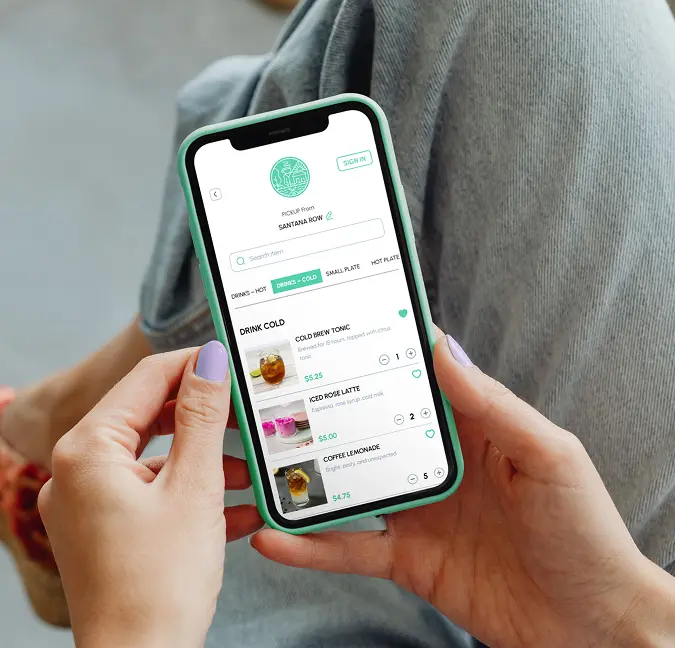
Online ordering capabilities have become particularly crucial for food truck success. By implementing a dedicated online ordering system, you can:
• Allow customers to pre-order and pay before arriving, reducing wait times
• Capture orders even when your truck is busy with in-person customers
• Collect valuable customer data for targeted marketing
• Avoid the high commission fees charged by third-party delivery platforms
Location Tracking and Social Media Integration
One of the biggest challenges for food truck customers is knowing where to find you. Location tracking apps and social media integration solve this problem by keeping customers informed about your current and upcoming locations.
Consider implementing:
• Real-time location updates on your website and social media
• Automated text or email notifications about location changes
• Integration with food truck finder apps in your area
• QR codes on your truck that link to your schedule and online ordering
For a deeper dive into technology solutions for food trucks, explore our guide to contactless ordering for food trucks.
Effective Marketing Strategies for Food Trucks
Marketing represents one of the most significant challenges for food truck owners. Unlike brick-and-mortar restaurants that benefit from consistent location visibility, food trucks must actively seek customers and build awareness through strategic marketing efforts.
Social Media Marketing for Food Trucks
Social media platforms-particularly Instagram, TikTok, and Facebook-provide cost-effective channels for showcasing your food truck's offerings and building authentic connections with potential customers.
To maximize social media impact:
• Post high-quality photos and videos of your food preparation, menu highlights, and satisfied customers
• Share your location schedule consistently and in advance
• Create branded hashtags and encourage customers to share their experiences
• Engage directly with followers through comments, polls, and contests
• Consider timing posts to coincide with meal decision times (11am-1pm for lunch, 5pm-7pm for dinner)
User-generated content is particularly valuable for food trucks. Encourage customers to share photos and tag your business by offering incentives such as discounts or free side items. This authentic social proof influences purchasing decisions more powerfully than traditional advertising.
Discover more free marketing ideas for food trucks on our blog.
Local Partnerships and Community Engagement
Building relationships within your local community creates sustainable customer acquisition channels while demonstrating your commitment to the areas you serve.
Effective partnership strategies include:
• Collaborating with local breweries, wineries, or businesses without food service
• Participating in farmers markets, festivals, and community events
• Sponsoring local sports teams or charity events
• Creating cross-promotional deals with complementary businesses
• Offering special menus or discounts for corporate lunch events
Email Marketing and Loyalty Programs
Email marketing provides a direct channel for communicating with interested customers. Build your email list through website signups, in-person transactions, and social media, then use it to announce locations, special offers, and seasonal menu changes.
Loyalty programs incentivize repeat visits and increase customer lifetime value. Consider implementing:
• Digital punch cards that reward customers after a certain number of purchases
• Points-based systems that allow customers to earn rewards based on spending
• Tiered programs that offer increasing benefits for your most loyal customers
• Referral bonuses for customers who bring friends to your food truck
Learn how to boost your online presence through creative social media strategies that can be adapted for food trucks.
Location Optimization and Strategic Scheduling
Location selection significantly impacts daily sales volume. The most successful food truck operators approach location planning strategically, analyzing foot traffic patterns, demographic alignment, and competitive landscape.
Identifying High-Potential Locations
When evaluating potential locations, consider these factors:
• Foot traffic volume: Areas with high pedestrian activity during your operating hours
• Demographic alignment: Locations frequented by your target customer base
• Competition: The presence of complementary or competing food options
• Parking and accessibility: Ease of access for both your truck and customers
• Permit requirements: Local regulations and associated costs
High-potential locations typically include business districts during lunch hours, entertainment venues, college campuses, office parks, and popular nightlife areas. However, the ideal mix will depend on your specific menu offerings and target audience.
Creating an Optimal Schedule
Consistency in your schedule helps customers know when and where to find you. Create a regular rotation of locations based on day of week and time of day, adjusting for seasonal factors and special events.
Track sales data by location, day, and time to identify patterns and optimize your schedule accordingly. Some locations might perform better on specific days or during particular meal periods. Use this information to maximize your presence in high-performing locations during peak times.
Seasonal Adjustments and Weather Contingencies
Food trucks are particularly vulnerable to seasonal changes and weather conditions. Develop strategies to maintain sales during challenging periods:
• Winter strategies: Focus on indoor food halls, covered markets, or office building lobbies
• Rainy day alternatives: Partner with businesses that can provide covered areas or temporary indoor space
• Seasonal events calendar: Plan participation in festivals, markets, and events that align with your offerings
• Catering focus: Shift emphasis to catering during slower seasons or inclement weather
Improving Order Throughput During Peak Hours
When a line stalls, demand does not disappear; it walks away. Food truck sales often rise or fall on how many tickets move through the window during a short lunch rush. Operators that map each step, from greeting to handoff, usually spot friction fast: too many modifiers, slow payment moments, or a pickup area that leaves the next guest guessing where to stand.
The fix is rarely a bigger menu or a louder promotion. A tighter prep station, a clear ordering lane, and a short list of high-velocity items can turn a rush into steady flow. Some trucks separate ordering from pickup with simple signs; others batch bestsellers before peak periods, so staff spends less time assembling each order and more time serving the next one.
Digital ordering can widen that lane even further. When customers order ahead, the service window stops doing every job at once, and staff can focus on timing, accuracy, and handoff. Food truck operators that want a direct ordering channel can look at Restolabs, which offers commission-free online ordering, menu sharing, and integrations that support smoother service. Book a Demo.
Building Community Connections and Brand Loyalty
Creating a loyal customer base is essential for sustainable food truck success. Beyond great food, building community connections and fostering brand loyalty requires intentional engagement strategies.
Creating Memorable Customer Experiences
Every interaction with your food truck should leave a positive impression. Focus on:
• Friendly, efficient service: Train staff to be welcoming and attentive even during busy periods
• Personalized interactions: Remember regular customers and their preferences
• Transparent operations: Allow customers to see food preparation when possible
• Attention to detail: Ensure consistent food quality, clean serving areas, and attractive presentation
• Problem resolution: Address any issues promptly and generously
Highlight Sustainability and Community Initiatives
Today's consumers increasingly support businesses that demonstrate social and environmental responsibility. Consider implementing and promoting:
• Local sourcing: Partnering with local farms and suppliers
• Eco-friendly packaging: Using compostable or recyclable containers
• Food waste reduction: Implementing systems to minimize waste
• Community giving: Donating excess food or a percentage of profits to local causes
Communicate these initiatives through signage on your truck, social media content, and conversations with customers. These efforts not only contribute positively to your community but also build emotional connections with values-driven customers.
Gathering and Implementing Customer Feedback
Continuous improvement based on customer feedback demonstrates that you value their input and are committed to providing the best possible experience.
Implement feedback systems such as:
• QR codes linking to quick surveys
• Comment cards or suggestion boxes
• Social media polls asking for menu suggestions
• Direct conversations with customers
When you receive feedback-especially constructive criticism-acknowledge it publicly, thank the customer, and explain how you'll address their concerns. Then follow through with visible improvements based on that feedback.
Diversifying Revenue Streams
Expanding beyond daily street service helps stabilize income and maximize your food truck's earning potential. Consider these revenue diversification strategies:
Catering and Private Events
Catering represents one of the most lucrative opportunities for food trucks. Private events, corporate functions, weddings, and celebrations often command premium pricing and provide guaranteed revenue regardless of weather or other variables.
To build your catering business:
• Create specific catering packages and pricing
• Develop relationships with event planners and corporate event coordinators
• Showcase your catering capabilities on your website and social media
• Consider offering both full-service and drop-off catering options
Retail Products and Merchandise
If you have signature items that customers love-such as sauces, spice blends, or desserts-consider packaging them for retail sale. Branded merchandise like t-shirts, hats, or reusable bags can also generate additional revenue while increasing brand visibility.
Virtual Kitchen Partnerships
During off-hours or slower seasons, consider partnering with commercial kitchens to offer delivery-only service through third-party platforms or your own ordering system. This approach leverages your brand and menu while reducing the weather and location dependencies of traditional food truck service.
Explore more ways to diversify your business in our guide to optimizing food truck operations.
Driving Growth with Restolabs' Solutions
Increasing food truck sales requires a multifaceted approach that combines menu optimization, strategic marketing, technology integration, location planning, and exceptional customer experience. By implementing the strategies outlined in this guide, you can build a more profitable and sustainable food truck business.
Restolabs offers specialized solutions designed specifically for food truck operations, including:
• Commission-free online ordering systems
• QR code ordering capabilities
• Customer data management for targeted marketing
• Inventory tracking and sales analytics
• Integration with social media and location services
Ready to take your food truck to the next level? Our team understands the unique challenges and opportunities in the mobile food industry and can help you implement technology solutions that drive real results.

Sruthi Sekar specializes in brand strategy, growth, and user experience in the hospitality industry. As the driving force behind Restolabs, she helps restaurants harness technology to scale and thrive. With a background in design, branding, and entrepreneurship, she brings a sharp focus on crafting digital experiences that drive real business impact.
Frequently Asked Questions
Social media is a powerful tool for food trucks when used strategically. Focus on visual platforms like Instagram and TikTok where food content performs exceptionally well. Post high-quality photos and videos of your food preparation, finished dishes, and happy customers. Share your location schedule consistently, engage with followers through comments and messages, and create branded hashtags to encourage user-generated content. Consider timing your posts to coincide with meal decision times (11am-1pm for lunch, 5pm-7pm for dinner). Collaborate with local influencers for expanded reach, and use features like Instagram Stories to provide behind-the-scenes glimpses of your operation. Most importantly, maintain a consistent posting schedule and authentic voice that reflects your brand personality.
Several cost-effective marketing strategies can help food trucks build visibility without significant investment. Start with local partnerships-collaborate with complementary businesses like breweries or offices without food service. Implement a referral program that rewards customers who bring friends. Create a simple loyalty program using digital punch cards or QR codes. Participate in community events and food truck rallies to reach new customers. Leverage email marketing to announce locations and specials to interested customers. Encourage user-generated content by creating Instagram-worthy presentation and branded hashtags. Network with other food truck owners for cross-promotion opportunities. Finally, ensure your Google Business Profile is complete and updated regularly with your changing locations.
Menu optimization begins with understanding your food costs and profit margins for each item. Calculate the exact cost of ingredients, including waste and portion control. Aim for a balanced menu with high-margin signature items alongside customer favorites that drive traffic. Limit your menu to 4-12 core items to reduce inventory complexity and increase operational efficiency. Use the "stars, plow horses, puzzles, and dogs" framework to analyze which items are high/low popularity and high/low profit, then adjust your menu accordingly. Implement strategic pricing techniques such as psychological pricing (prices ending in .99), bundle pricing, and premium positioning for signature items. Consider seasonal menu variations to create excitement while potentially lowering food costs through local sourcing. Finally, track sales data to identify trends and continuously refine your offerings based on customer preferences and profitability analysis.
The most impactful technology investments for food trucks include a robust point-of-sale (POS) system designed specifically for mobile food service. Look for systems that integrate ordering, payment processing, inventory management, and analytics. Implement online ordering capabilities through a commission-free platform that allows customers to pre-order and pay before arriving. Consider location tracking technology that automatically updates your website and social media with your current position. Invest in contactless payment options to increase transaction speed during peak periods. Customer relationship management (CRM) systems help track customer preferences and enable targeted marketing. Finally, consider kitchen display systems that streamline order fulfillment and reduce errors. When evaluating technology solutions, prioritize mobile-friendly interfaces, offline functionality for areas with poor connectivity, and systems designed specifically for the unique challenges of food truck operations.
Building customer loyalty requires consistent quality, memorable experiences, and strategic engagement. Start by ensuring exceptional food quality and friendly service with every interaction. Implement a digital loyalty program that rewards repeat visits and tracks customer preferences. Maintain a consistent schedule so customers know when and where to find you, and communicate any changes promptly through social media and email. Personalize interactions by remembering regular customers and their preferences. Gather and act on customer feedback to demonstrate that you value their input. Create a sense of community around your food truck through events, behind-the-scenes content, and storytelling about your journey and ingredients. Finally, consider exclusive offers for loyal customers, such as early access to new menu items or special event invitations. Remember that building loyalty is an ongoing process that requires genuine care for your customers and consistent delivery on your brand promise.





.webp)

.svg)
.webp)