

Key Takeaways
- Alabama offers six license types — restaurants, bars, breweries, retailers, caterers, and wholesalers each require a different permit, so choosing the right one early shapes the entire application.
- Restaurant license costs in Alabama typically range from $300–$1,500 annually, but final costs also include local municipality fees, inspections, and renewal charges.
- Applications can take 3–12 months, so restaurants should prepare documents, zoning approvals, inspections, and operational systems early.
- Compliance is an ongoing daily responsibility — violations including selling to minors or missing renewal deadlines can result in fines up to $50,000 or full license revocation.
Liquor License in Alabama: What Restaurant Owners Need to Know
Opening a restaurant in Alabama already comes with enough moving parts: lease terms, kitchen buildout, staffing, menu pricing, and alcohol licensing. If beer, wine, or spirits are part of the guest experience, the liquor license is not a final checkbox — it can shape opening timelines, service models, and cash flow before the first guest walks in.
Note: This guide is for general restaurant planning and is not legal advice. Alabama liquor license requirements can vary by license type, municipality, and business model.
Do You Need a Liquor License in Alabama?
Any restaurant, bar, catering operation, or event that sells or serves alcoholic beverages in Alabama generally requires an alcohol beverage license from the Alabama Alcoholic Beverage Control (ABC) Board. The type of license depends on the business model and how alcohol will be served or sold.
Restaurants serving beer, wine, or spirits on-premises need a restaurant or on-premises license. Businesses selling sealed containers for off-premises consumption — like package stores — need a retail license. Temporary or one-time events that serve alcohol typically require a special event or catering permit. Breweries, wineries, and distilleries that produce and sell their own beverages need a manufacturer license.
If any doubt exists about whether a license is required, the safest step is to contact the Alabama ABC Board directly and confirm requirements with the local city or county licensing office before investing in space, equipment, or staff.
Types of Alabama Liquor Licenses and Permits
The license type a restaurant chooses determines what can be served, when, and in what context. Getting this wrong can mean reapplying from scratch — which adds months to an opening timeline. Here are the main Alabama license categories and what they mean for restaurant operators:
Licensing is only one part of getting a restaurant ready to sell. While approval moves through state and local channels, operators can use that time to set up direct ordering, connect payment and delivery workflows, and prepare customer data systems before opening day.
Stop Losing 30% On Every Order. Take Back Control Of Your Margins.

.svg)
.svg)
.svg)


Noodle, New York

Per Year on Restolabs.

Growth in 3 Months.
.png)
How Much Does a Liquor License Cost in Alabama?
A restaurant owner budgeting for alcohol service needs more than a license fee estimate. The real question is whether the license cost, municipal requirements, inspections, and timeline still fit the opening plan. Here are current Alabama estimates — confirm exact fees with the Alabama ABC Board and your local municipality before filing.
Important: Final costs for Alabama restaurants typically include the state license fee, local municipality fees, inspection-related costs, and the annual local business license. Confirm exact current fees with the Alabama ABC Board and your city or county licensing office before budgeting.
Alabama Liquor License Application Checklist
Before submitting an application to the Alabama ABC Board, restaurants should confirm that every item below is in order. Missing a single document is one of the most common reasons approvals get delayed.
- ☐ Business entity registration (LLC, corporation, sole proprietor)
- ☐ Federal Employer Identification Number (EIN) / Tax ID
- ☐ Signed lease agreement or proof of property ownership
- ☐ Floor plan of the premises (may be required depending on license type)
- ☐ Background check authorization for all business owners and principals
- ☐ Local zoning approval confirming the address is zoned for alcohol service
- ☐ Local business license from the city or county where the restaurant operates
- ☐ Health and safety permits (fire, building, and sanitation)
- ☐ Completed Alabama ABC Board application form
- ☐ Application fee payment (state and local, as applicable)
- ☐ Public notice documentation if required by the local municipality or license type
Confirm the full document list with the Alabama ABC Board application page before starting — requirements can vary by license type and location.
How to Apply for an Alabama Liquor License Step by Step
Alabama liquor license applications should start with the Alabama ABC Board, but restaurants also need to account for local business licensing, zoning, inspections, and municipal approvals. Missing one requirement can slow the opening timeline significantly, so the safest move is to prepare the full document set before submitting anything.
Visit the Alabama ABC Board application page to access official forms and current requirements.
Step 1: Research Alabama and Local Requirements
Start with the Alabama ABC Board application page, then confirm local business license, zoning, inspection, and alcohol service rules with the city or county where the restaurant operates. Alabama is a local-option state — some counties and cities have specific dry/wet designations and Sunday sales rules that affect what permits are available.
Step 2: Confirm the Right License Type
Select the license category that matches the restaurant's service model. A full-service restaurant serving alcohol alongside food needs a different license than a bar or a catering operation. Applying for the wrong license type means starting the process over — costing time and money.
Step 3: Check Local Zoning and Municipal Approval
Before preparing documents, confirm that the restaurant's address is zoned for alcohol service and meets any Alabama ABC or municipal distance restrictions from schools, churches, or residential zones. Some municipalities require a separate local alcohol license in addition to the state permit.
Step 4: Gather Required Documents
Assemble the full document set using the checklist above. Incomplete submissions are a leading cause of application delays. Background checks for all owners and principals are typically required by the Alabama ABC Board.
Step 5: Submit the Application and Pay Fees
Submit the completed application and fee payment to the Alabama ABC Board. If a local municipality requires a separate application, submit that simultaneously. Keep copies of every document submitted.
Step 6: Complete Public Notice Requirements (if applicable)
Depending on the license type and municipality, the restaurant may be required to post a public notice on the premises or publish notice in a local newspaper. Requirements vary by license type and location — confirm with the local licensing office.
Step 7: Pass Inspections and Background Checks
Alabama ABC officials and local agencies may inspect the premises for health, fire, building, and operational compliance before issuing a license. Background checks on all principals are reviewed during this phase.
Step 8: Receive License Approval and Display the License
Once all requirements are satisfied, the license is issued. Alabama law requires the license to be displayed visibly on the premises at all times. Keep renewal dates on the restaurant calendar — a lapsed license means no alcohol service until renewal is processed.
What Happens After You Submit Your Application?
Submitting the application is not the finish line — it is the starting point of a review process that can take anywhere from 3 to 12 months. Understanding what happens next helps restaurants plan around the timeline rather than being surprised by it.
- Administrative Review: The Alabama ABC Board reviews the application for completeness and accuracy. Incomplete submissions are returned, restarting the clock.
- Background Checks: All owners and principals undergo background screening. Criminal history may affect eligibility depending on the violation type.
- Local Verification: The ABC Board may coordinate with local city or county offices to verify zoning, business licensing, and local permit compliance.
- Premises Inspection: A physical inspection of the restaurant or bar may be scheduled. Health, fire safety, and building code compliance are all reviewed.
- Public Notice or Hearing (if applicable): Some license types or municipalities require a posted public notice period or a community hearing before the license is granted.
- Request for Corrections: If the ABC Board identifies issues, the applicant will be notified and given an opportunity to correct them before a decision is made.
- Approval, Denial, or Appeal: The ABC Board issues a final decision. Denials can be appealed through the appropriate administrative process.
- License Issuance: Once approved, the license is issued and must be displayed at the licensed premises at all times.
What to Prepare While You Wait for License Approval
Liquor license approval can take months, but a restaurant's operational preparation cannot wait until the final stamp arrives. This window is the right time to finalize menu pricing, staff workflows, payment systems, POS connections, and direct ordering channels.
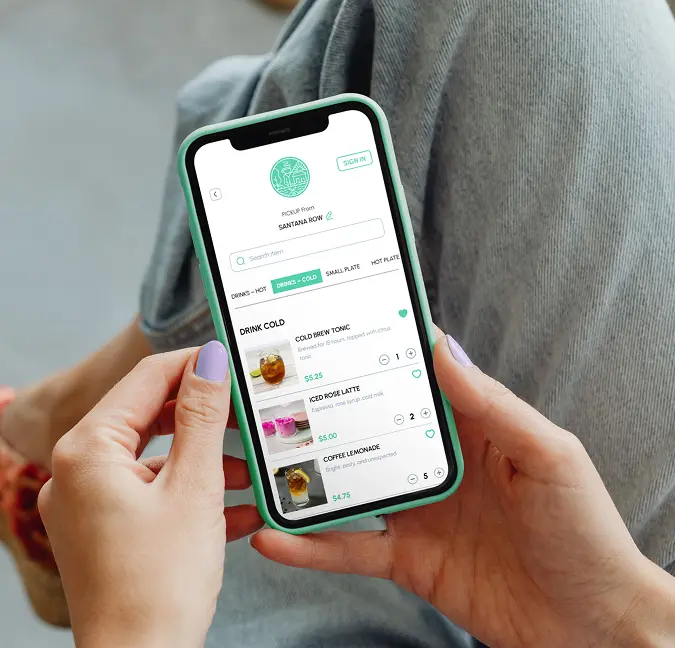
For restaurants planning takeout, delivery, or catering, Restolabs helps set up commission-free online ordering with menu sharing, payment integrations, POS connections, and customer data ownership. That means a restaurant can build its direct ordering engine while the licensing process moves forward — so launch day is ready the moment the license arrives.
Local Approval, Zoning, and Municipal Requirements
Getting an Alabama liquor license is not only a state-level process. Local city and county requirements can affect approval timelines, required documents, fees, and whether the license can be granted at all. Skipping the local step is one of the most common reasons restaurant openings get delayed.
Before submitting a state application, restaurants should confirm the following with the local city or county licensing office:
- Wet/Dry County Status: Alabama has both wet and dry jurisdictions. Some counties prohibit alcohol sales entirely or restrict specific license types. Confirm the county's current alcohol status before signing a lease for the restaurant space.
- Zoning Compliance: The restaurant's address must be zoned for alcohol service. Certain zones prohibit alcohol sales near schools, churches, or residential neighborhoods. Zoning approval is typically required before the state application is filed.
- Local Business License: Most Alabama cities and counties require a separate local business license in addition to the state alcohol permit. These are usually renewed annually.
- Building, Fire, and Health Permits: Local agencies inspect for compliance with building codes, fire safety standards, and sanitation requirements. These inspections may need to be scheduled and passed before or alongside the state licensing process.
- Sunday Sales and Special Ordinances: Some municipalities have specific rules about Sunday alcohol sales, extended hours, or permit types. Confirm local ordinances with the city or county clerk before finalizing service models.
Contact the local city hall or county licensing office in the municipality where the restaurant will operate to get the full list of local requirements. Processing times for local approvals vary and can add weeks to the overall timeline.
Special Event Liquor License Requirements in Alabama
Restaurants adding catering, pop-up dinners, or private event revenue often need a temporary or special event alcohol permit rather than a permanent license. These are different applications with different timelines — and applying too late is a common mistake.
Event size, location, and duration all affect the permit requirements. Restaurants should apply well in advance of any event where alcohol will be served and confirm specific requirements with the Alabama ABC Board and the local venue's municipality.
Alabama Liquor License Compliance Requirements
Compliance does not end once the license is approved. For restaurants, the bigger risk is usually operational: a rushed server, an unclear ID-checking process, or a missed renewal date can turn a profitable alcohol program into a costly liability. These are the key requirements Alabama restaurant operators need to build into daily workflows:
- Age Restrictions – Only sell or serve alcohol to individuals 21 years of age or older. Alabama law requires ID verification; train all servers and bartenders on proper age-checking procedures.
- Serving Hours – Alcohol service hours are governed by Alabama ABC rules and local municipality requirements. Confirm permitted hours for the specific city or county before finalizing staffing and service plans.
- Employee Training – Alabama encourages participation in responsible beverage service training programs. Confirm current training requirements with the Alabama ABC Board, as requirements may be updated periodically.
- Zoning Laws – Alabama ABC distance restrictions prohibit alcohol service near certain schools, churches, or residential zones. Confirm zoning compliance at the restaurant's address before applying.
- Health & Safety Codes – Maintain sanitary conditions for alcohol service. Health department and fire safety inspections are required and recurring.
- Tax Reporting – File Alabama alcohol sales taxes as required by the state Department of Revenue. Maintain accurate sales records for alcohol separately from food revenue.
- License Display – The Alabama ABC license must be displayed visibly on the licensed premises at all times.
- Prohibited Sales – Do not serve alcohol to visibly intoxicated persons. Alabama dram shop laws may hold a licensee liable for damages caused by an intoxicated patron who was served at the establishment.
- Renewal Reminders – Set calendar reminders for annual renewal dates well in advance. Late renewals can result in a lapse in service authority, fines, or penalties.
Liquor License Renewal & Penalties
Most Alabama liquor licenses require annual renewal with additional state and local fees. Restaurants should treat renewal as a recurring operational milestone — not an afterthought. Here is what can happen when compliance slips:
- License Suspension or Revocation – Selling alcohol to minors, violating Alabama serving hour rules, or exceeding permitted sales limits can lead to suspension or permanent revocation.
- Heavy Fines – Non-compliance can result in fines ranging from $500 to $50,000 depending on the violation type and enforcement authority.
- Criminal Charges – Severe offenses may result in criminal action against business owners or employees.
Annual Renewal Checklist for Alabama Restaurant Operators
- ☐ Confirm renewal deadline with the Alabama ABC Board (typically annually from license issue date)
- ☐ Verify that all owner and principal information is current and unchanged
- ☐ Confirm local business license renewal is also current
- ☐ Complete any required inspections before the renewal date
- ☐ Confirm alcohol sales tax filings are up to date
- ☐ Submit renewal application and fee payment before the expiration date
- ☐ Update the displayed license once the renewed license is received
.svg)
How much are you losing to commissions?
.svg)
Common Reasons Alabama Liquor License Applications Get Delayed or Denied
Most Alabama liquor license delays are avoidable — but only if restaurants know where the friction points are before they hit them. Here are the most common reasons applications stall or get denied, and how to stay ahead of each one:
- High Costs & Limited Availability – Alabama uses a quota system in some jurisdictions, limiting the number of licenses available. In high-demand cities, this can mean months of waiting or significantly higher costs.
- Lengthy Approval Process – Applications can take 3–12 months for approval. Starting the process well before the planned opening date is essential for any restaurant with an alcohol program.
- Community Objections – Some neighborhoods or local governments oppose new alcohol-serving businesses. Public notice periods give community members an opportunity to object, which can trigger hearings and further delays.
- Strict Zoning Regulations – Failure to confirm zoning compliance before applying is a leading cause of denials. Alabama distance restrictions from schools and churches can eliminate otherwise viable restaurant locations from consideration.
Common Application Mistakes to Avoid
- Incomplete documents: Submitting an application with missing items sends it back to the start of the queue.
- Zoning conflicts: Signing a lease before confirming zoning eligibility is one of the most costly mistakes a restaurant can make.
- Missing local approvals: Applying to the state without securing local business license and zoning approval first creates conflicts that delay the entire process.
- Wrong license type: Applying for a retail license when a restaurant license is needed, or vice versa, requires a full reapplication.
- Late renewal: Allowing a license to lapse means no alcohol service until the renewed license is issued — which can take weeks.
- Insufficient staff training: A single age-verification failure can result in fines, suspension, or loss of the license.
Where to Apply and Who to Contact
Alabama restaurant operators need to navigate both state and local licensing channels. Here are the primary resources:
- Alabama ABC Board (State): The primary state authority for all alcohol beverage licenses. Start here for application forms, license categories, fee schedules, and compliance requirements. Alabama ABC Board — How to Apply
- Alabama ABC Licensing and Compliance: For compliance rules, license types, and contact information. Alabama ABC Licensing and Compliance
- Local City or County Licensing Office: Contact the city hall or county licensing office in the municipality where the restaurant will operate. They handle local business licenses, zoning approvals, and local ordinance requirements that apply alongside the state license.
- Local Zoning Department: Confirm that the restaurant address is zoned for alcohol service and meets any distance restrictions before signing a lease or submitting a state application.
Requirements vary significantly by municipality. When in doubt, calling the local licensing office directly before starting the application saves time and prevents costly mistakes.
Conclusion
A liquor license can influence a restaurant's opening timeline, menu strategy, staffing plan, and early revenue. The safest path is to confirm Alabama ABC requirements, check local rules, prepare documents early, and leave enough time for inspections or community approvals.
While the application moves forward, restaurants can prepare the systems that support launch day. Restolabs helps restaurants set up commission-free direct online ordering, connect key tools, and keep ownership of customer data from the start.
Disclaimer:
This article provides general information and should not be considered legal advice. Liquor license laws vary by state and municipality. Consult your local Alcoholic Beverage Control (ABC) Board or a legal expert for specific guidance on licensing in Alabama.

Team Restolabs is a group of hospitality tech experts, strategists, and innovators dedicated to helping restaurants thrive in the digital age. With deep expertise in branding, growth, product development, and restaurant technology, we provide insights on scaling, streamlining operations, and enhancing customer experience.
Frequently Asked Questions
Yes. Any restaurant, bar, caterer, or event that sells or serves alcohol in Alabama must hold the appropriate license issued by the Alabama Alcoholic Beverage Control (ABC) Board. The specific license type depends on whether alcohol is served on-premises, sold in sealed containers for off-site consumption, or provided at a temporary event. Operating without the correct license can result in fines, closure, or criminal charges.
Liquor license costs in Alabama range from $150–$2,000 depending on the type of license and business model. Restaurant licenses typically cost $300–$1,500 annually, while bar/tavern licenses range from $500–$2,000. Final costs also include local municipality fees, inspection costs, and local business licensing fees. In some jurisdictions, a quota system limits available licenses, which can increase costs in high-demand markets.
Key documents include business entity registration, federal tax ID (EIN), signed lease or property deed, background check authorization for all owners and principals, local zoning approval, local business license, health and safety permits, a floor plan of the premises (if required), and the completed Alabama ABC Board application form. Gathering all documents before submitting avoids delays that restart the review timeline.
The Alabama liquor license approval process typically takes 3–12 months from application submission to final issuance. The timeline depends on application completeness, local zoning and municipal approval requirements, inspection scheduling, background check processing, and whether a public notice or community hearing is required. Starting the process well before the planned restaurant opening date is essential.
Common causes of delay include incomplete or missing documents, zoning conflicts that were not confirmed before applying, missing local business license or municipal approvals, applying for the wrong license type, background check issues, failed premises inspections, and public notice or community hearing requirements. Restaurants can minimize delays by completing the checklist above before submitting any application.
Yes. A restaurant that serves alcohol alongside food typically applies for a restaurant or on-premises dining license, while a bar or tavern where alcohol is the primary service requires a bar or tavern license. The distinction matters because the fee structures, quota restrictions, and compliance requirements differ. Applying for the wrong category can delay the entire process. Confirm the correct license type with the Alabama ABC Board before applying.
Key compliance requirements include only serving alcohol to individuals 21 and older, confirming permitted serving hours with the Alabama ABC Board and local municipality, maintaining health and safety standards, filing alcohol sales taxes, ensuring staff understand ID-checking procedures, displaying the license visibly on the premises, and renewing the license annually before it expires. Violations can result in fines up to $50,000 or license revocation.



.jpg)
.jpg)
.jpg)




.webp)

.svg)
.webp)