
Key Takeaways
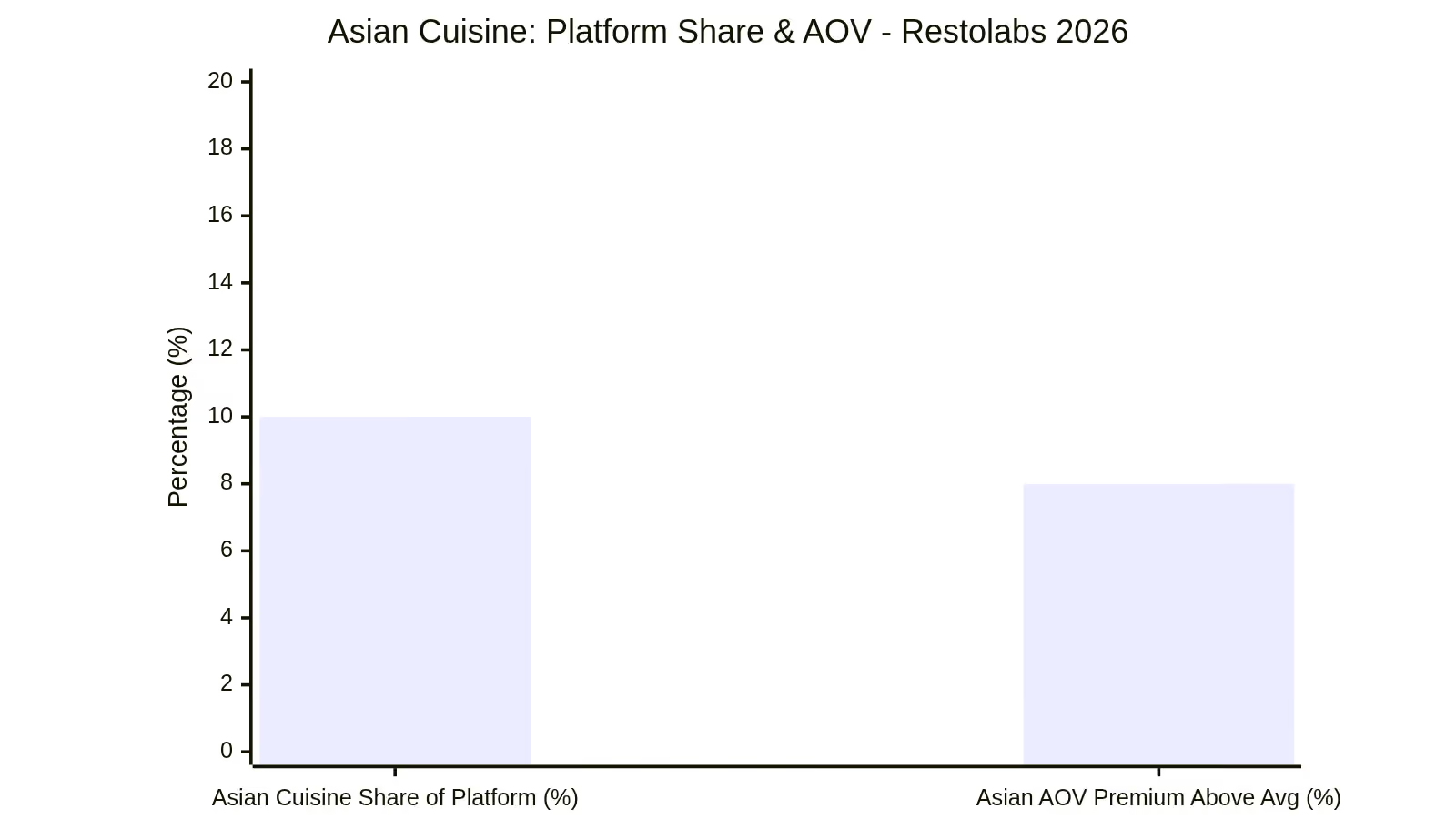
- Chinese restaurants on our platform run a $42+ average order value, roughly 8% above the platform average - meaning every promo dollar buys a richer cart than most cuisines.
- Friday is the highest-volume ordering day across the Restolabs 2026 Order Analytics Dataset; Monday is the lowest - so promote into Monday, not into Friday.
- The dinner peak window of 5:30 PM to 8:30 PM local time drives the bulk of daily order volume, but the promotional send window sits 60 to 90 minutes earlier.
- Pre-orders for Lunar New Year and Mid-Autumn need to open 14 to 28 days out - the operators who wait get scraps.
- A median reorder interval of 8.9 days between repeat orders means your timing engine should be triggering at the customer level, not just the calendar level.
Most Chinese restaurant marketing advice tells you what, never when.
Picture an owner who fires off a Lunar New Year campaign two days before the holiday, watches it underperform, then blames the discount. The problem wasn't the offer. The problem was the calendar. Pre-orders for that family banquet were locked in days earlier - at a competitor that opened bookings two weeks out.
According to the Restolabs 2026 Order Analytics Dataset, which covers more than 4 million orders processed across the Restolabs platform spanning 2,126 locations and 479 brands from March 2025 to March 2026, Asian cuisine accounts for approximately 10% of platform orders, with growing share across the US and UK. That share is concentrated in a handful of high-intent windows. Get the timing right and you ride the wave. Get it wrong and your ad spend funds someone else's bigger night.
This is a timing-first calendar built on what we actually see in operator order data - not generic advice.
Why timing beats tactics for Chinese restaurants
Cultural calendars create demand spikes that most generic restaurant marketing simply misses. Lunar New Year isn't Valentine's Day with red lanterns. Mid-Autumn corporate gifting starts six weeks before the festival in some markets. Qingming pulls a specific regional audience that no broad Google ad will surface.
The cost of mistiming is silent. You don't see the lost orders. You only see the campaign that "didn't lift" - when the truth is the demand was already gone.
Promotional windows also compound. A pre-order push that lands two weeks early seeds a holiday-week SMS that seeds a post-holiday loyalty trigger. Each step lifts the next.
In our 2026 order analytics data, Asian cuisine averaging $42+ per order, roughly 8% above the platform average, gives Chinese operators an unusually rich AOV to work with. That premium is what makes the timing decision so leveraged. A 15% lift on a $42 cart pays back differently than a 15% lift on a $19 coffee order.
The Chinese restaurant promotional calendar at a glance
A working calendar covers both the Chinese cultural calendar and the Western holidays that move serious online order volume in US, UK, and Singapore markets. Most operators only plan for one. The leaders plan for both.
Here's the month-by-month shape of a complete year:
- January - February: Lunar New Year peak + pre-order window opens 14-21 days early
- February: Lantern Festival (15 days after Lunar New Year), Valentine's Day couple meals
- April: Qingming Festival (regional pull)
- May: Mother's Day dim sum brunch
- Late May / Early June: Dragon Boat Festival, zongzi pre-orders
- August: Qixi Festival (Chinese Valentine's)
- September / October: Mid-Autumn Festival + mooncake pre-orders, corporate gifting peak
- October / November: Double Ninth Festival
- December: Winter Solstice, Christmas Eve and Christmas Day, New Year's Eve takeout
Each window needs a pre-promo phase, a peak phase, and a retention phase. Treat them as three-act campaigns, not single sends. A branded website with scheduled storefront banners makes that three-act structure visible to customers from the moment they land.
Peak promotional windows by holiday
Lunar New Year (late January - mid February)
Start promoting 14 to 21 days out. Open pre-orders for family banquets at Day -14. Lead with red and gold creative, lucky-number price points like $8.88 or $18.88 on bundles, and a clear cutoff date.
Push channel sequence that we see work consistently: email at Day -14, SMS at Day -7, push notification at Day -2 and again on the morning of New Year's Eve.
Across our platform, the median reorder interval of 8.9 days between repeat orders lines up almost exactly with the Lunar New Year pre-order window. That's not a coincidence - your regulars are already in a reorder rhythm. A pre-order pitch lands inside the natural cadence, not on top of it.
Lantern Festival (15 days after Lunar New Year)
Smaller spike, but a clean retention play. Tangyuan-focused promos work as a post-holiday "thank you" to the customers who ordered for the main event.
Qingming Festival (early April)
Quieter window, higher intent. Cold dishes and family-gathering meal sets perform well with regional Chinese-speaking audiences. This is an email and WeChat audience more than a paid social one.
Dragon Boat Festival (late May / early June)
Open zongzi pre-orders 10 days out. Bundle with weekday family meals to drag weekday lunch volume up while pre-orders fulfill. This is where a commission-free online ordering system earns its keep - every zongzi pre-order keeps full margin in your pocket instead of routing through an aggregator.
Qixi Festival (Chinese Valentine's, August)
Couple meal sets, romantic plating, pre-set menus. Underused window. Most operators forget it entirely, which is exactly why a small push can produce outsize lift against zero competition in customer inboxes.
Mid-Autumn Festival (September / October)
Mooncake pre-orders need to open 3 to 4 weeks before the festival. Corporate gifting orders need to start landing 5 to 6 weeks out. This is the biggest B2B window of the year for many Chinese restaurants - and the one most independents leave on the table because they don't have a gifting workflow.
The Mid-Autumn corporate buyer behaves differently. Larger basket, earlier purchase, less price-sensitive, more concerned with packaging and delivery reliability. Tier your pre-order pages: a consumer flow for individuals and a B2B flow for office gifting.
Double Ninth & Winter Solstice
Both are quieter but loyal-customer windows. Use them for retention pushes to your top tier, not for paid acquisition. A small "we remembered" message to repeat customers usually outperforms a discount.
Western holidays that move the needle for Chinese restaurants
The Chinese-food-on-Christmas tradition in the US is not a meme - it's a top-three revenue day for many independents. Christmas Eve, Christmas Day, and New Year's Eve form a three-day takeout supercycle.
Add Mother's Day dim sum brunch and Valentine's Day couple sets and you've got four Western windows that often equal or exceed the cultural festival days in pure online order volume.
The global Chinese restaurant market reached USD 56.3 billion in 2024, according to Growth Market Reports, and the Chinese restaurants market in the United States grew at a 1.8% compound annual growth rate between 2019 and 2024, per IBISWorld. The expansion isn't coming from the same nights - it's coming from operators who finally treat Christmas and Mother's Day as serious online order events.
Best days to promote your Chinese restaurant online
This is where most operators get the day-of-week question backwards.
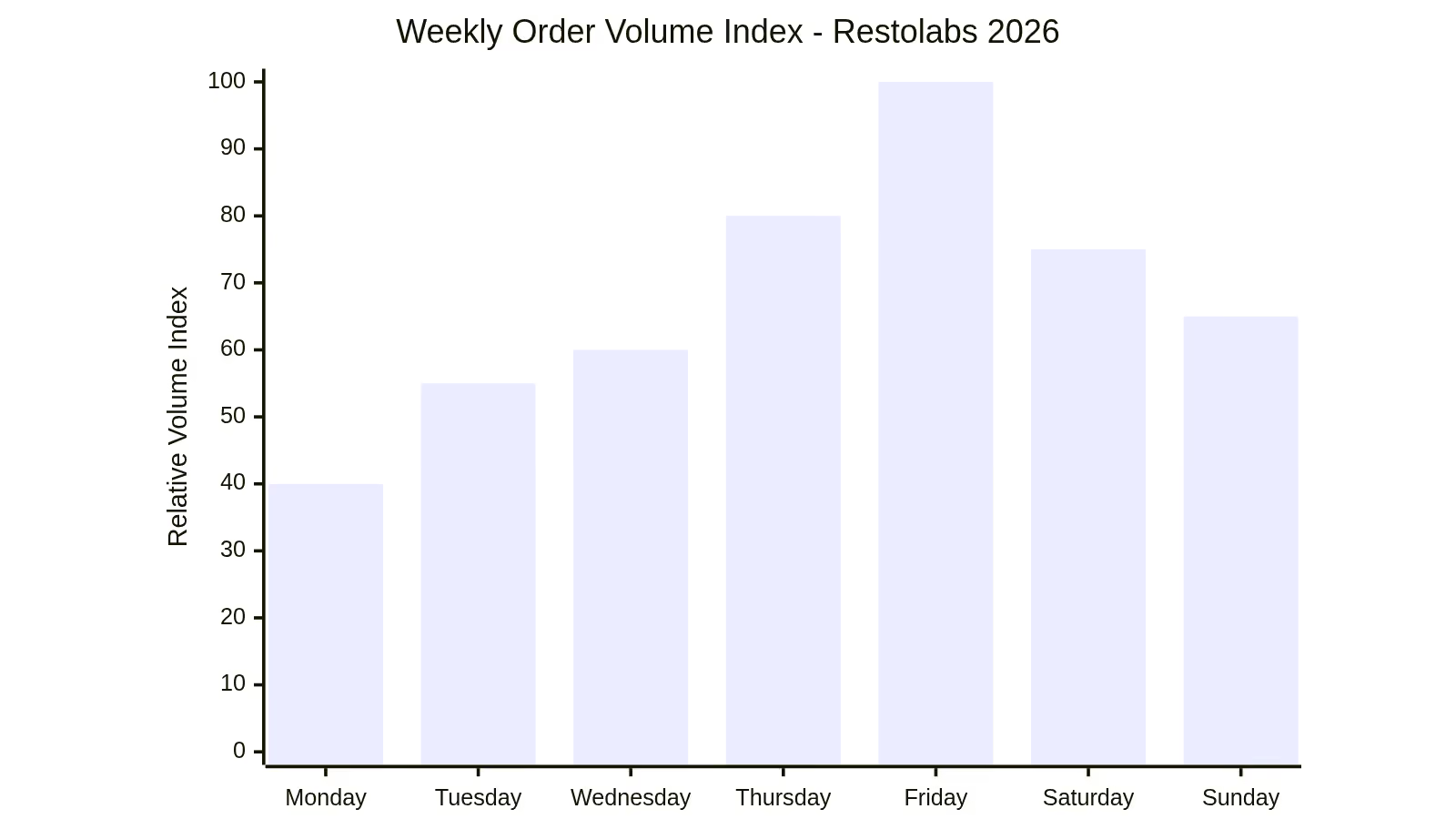
Our 2026 dataset shows Friday as the highest-volume ordering day platform-wide, followed by Thursday and Saturday. Monday is consistently the lowest-volume ordering day, making it ideal for win-back campaigns and loyalty incentives.
So here's the counterintuitive piece. Friday demand is already there. Discounting into Friday cannibalizes orders you would have captured at full price. Discounting into Monday creates orders that wouldn't have happened.
Run your weekday-recovery promo Monday morning. Run your weekend family-dinner push Thursday afternoon for Friday fulfillment. Save Saturday for content, not coupons.
Best hours to send promotions
Two clean peaks dominate the order-volume curve for Chinese restaurants: the lunch rush of 11 AM to 1 PM local time and the dinner peak window of 5:30 PM to 8:30 PM local time driving the bulk of daily order volume. A meaningful late-night tail runs 9 PM to 11 PM in urban markets.
The promotional send window sits before each peak. Lunch promos go out 10:30 to 11:15 AM. Dinner promos go out 4:30 to 5:30 PM. The decision happens 30 to 60 minutes before the order - send into the decision, not into the cart.
In our 2026 order analytics data, 97.4% of orders were timezone-matched for time-of-day analysis, so these windows are local-clock accurate, not server-clock guesses. For multi-location operators, that distinction matters - a single 5 PM ET blast misses three earlier dinner peaks across the rest of the country.
Pair this with proper restaurant analytics and you can A/B the exact send minute for each location, not just each region.
Promotion lead times - how far in advance to launch
Different campaign types need different lead times. Most operators run everything on a one-week sprint and wonder why pre-orders don't fill.
- Pre-order campaigns: 14 to 28 days out (festivals, banquets, mooncakes)
- Flash promos: 24 to 72 hours out (rainy day, slow Tuesday, inventory clear)
- Loyalty reactivations: rolling, triggered at Day 7-10 post-purchase as the win-back window, then again at Day 14+, then a deeper recovery offer at Day 30+
- Corporate gifting outreach: 5 to 6 weeks before the gifting holiday
The loyalty cadence matters because of repeat-order math. With a repeat rate of 38.2% and 20% new / 80% returning customer mix in our dataset, your existing customer file is doing more work than acquisition ever will. A restaurant loyalty software layer turns those lead-time windows into automated triggers instead of hand-built campaigns.
Channel-by-channel timing recommendations
Channels don't substitute for each other. They sequence.
Email marketing
Best day: Thursday. Best hour: 10 AM local. Email is your storytelling and corporate-gifting workhorse - long-form, image-rich, lower urgency. Keep it for the lead-in phase of any promotion.
SMS
Best windows: 11 AM to 12 PM and 4 PM to 5 PM. SMS is the time-sensitive layer. Use it for Day -7 to Day -1 holiday reminders, last-call pre-order cutoffs, and same-day pickup nudges.
Push notifications via branded app
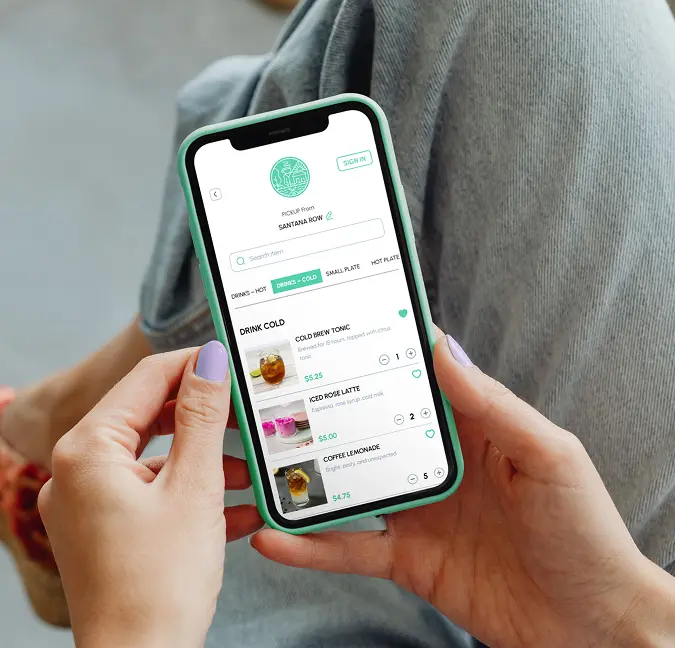
Push is the same-day weapon. A branded mobile app with push notifications gives you a sub-one-hour conversion window from send to order. Send into the pre-peak decision window - 4:45 PM, not 6:30 PM. By 6:30 PM, the order is already placed somewhere else.
Google Business Profile posts
Weekly cadence in normal weeks. Daily during festival weeks. GBP posts catch the searcher who's deciding between three local options at the moment of intent - don't leave it stale.
Instagram and Facebook organic & paid
Friday 5 PM to 7 PM hits weekend-dinner intent. Sunday evening hits next-week meal planning. Skip Monday and Tuesday social spend - the audience isn't in restaurant mode.
Building an always-on timing engine
A calendar without automation is a wish list.
The operators in our dataset who consistently outperform aren't running more campaigns. They're running the same campaigns on schedule, every year, with triggered loyalty layers underneath. Scheduled holiday promos. Pre-order pages that open and close automatically. Loyalty offers that fire at Day 5-6 and Day 8-10 post-purchase without anyone touching a console.
That layer is also what protects your customer data. If aggregators own your customer file, you can't time anything to individual behavior - only to the calendar. Direct ordering through a commission-free online ordering system (already linked above - use plain text on the second mention) plus a loyalty layer means you can finally promote to this customer at their 8.9-day reorder mark, not just to everyone on Lunar New Year minus seven.
For aggregator-heavy operators, layering in delivery management on your direct channel is how you stop bleeding margin while still meeting demand on the peak nights.
That's the full picture. Calendar discipline on top, automation underneath, customer data in the middle. The operators who get all three working are the ones whose Lunar New Year and Mid-Autumn numbers compound year over year - not the ones running ad spend two days before the holiday and hoping.
Want to see how the Restolabs platform schedules these campaigns automatically across pre-orders, SMS, push, and loyalty? Book a Demo.

Sruthi Sekar specializes in brand strategy, growth, and user experience in the hospitality industry. As the driving force behind Restolabs, she helps restaurants harness technology to scale and thrive. With a background in design, branding, and entrepreneurship, she brings a sharp focus on crafting digital experiences that drive real business impact.
Frequently Asked Questions
Open pre-orders 14 to 21 days before the date. Send email at Day -14, SMS at Day -7, and push notifications at Day -2 and on New Year's Eve morning. Waiting until the final week leaves the family-banquet bookings to competitors who opened earlier.
In US markets, Christmas Day is typically the busiest day for Chinese restaurants, followed by Lunar New Year's Eve and New Year's Eve. The Chinese-food-on-Christmas tradition consistently produces one of the highest online order volumes of the year for independents.
Two clear peaks dominate: the lunch rush of 11 AM to 1 PM local time and the dinner peak window of 5:30 PM to 8:30 PM local time, with a strong late-night tail from 9 PM to 11 PM in urban markets. Send promos 30 to 60 minutes before each peak begins.
Two to four per month is the sweet spot. Plan one cultural or seasonal promo, one weekday-recovery push aimed at Monday or Tuesday, one loyalty or retention trigger, and optionally one flash promo. Beyond that, you're training customers to wait for discounts.
Promote on owned channels for repeat customers, on aggregators for net-new discovery. Direct ordering protects margin and customer data - and our dataset shows 80% of orders come from returning customers, which is precisely the audience aggregators don't help you keep.
Use all three at different stages. Email for storytelling and corporate gifting at Day -14, SMS for time-sensitive holiday reminders at Day -7 to Day -1, and push notifications for same-day, pre-peak conversion windows. They sequence, they don't compete.
Yes - Christmas Day, Christmas Eve, New Year's Eve, Mother's Day, and Valentine's Day are top-tier revenue days for Chinese restaurants in US markets. In many independents, Christmas Day alone equals or exceeds the volume of any single Chinese cultural festival day.




.webp)

.svg)
.webp)