
Key Takeaways
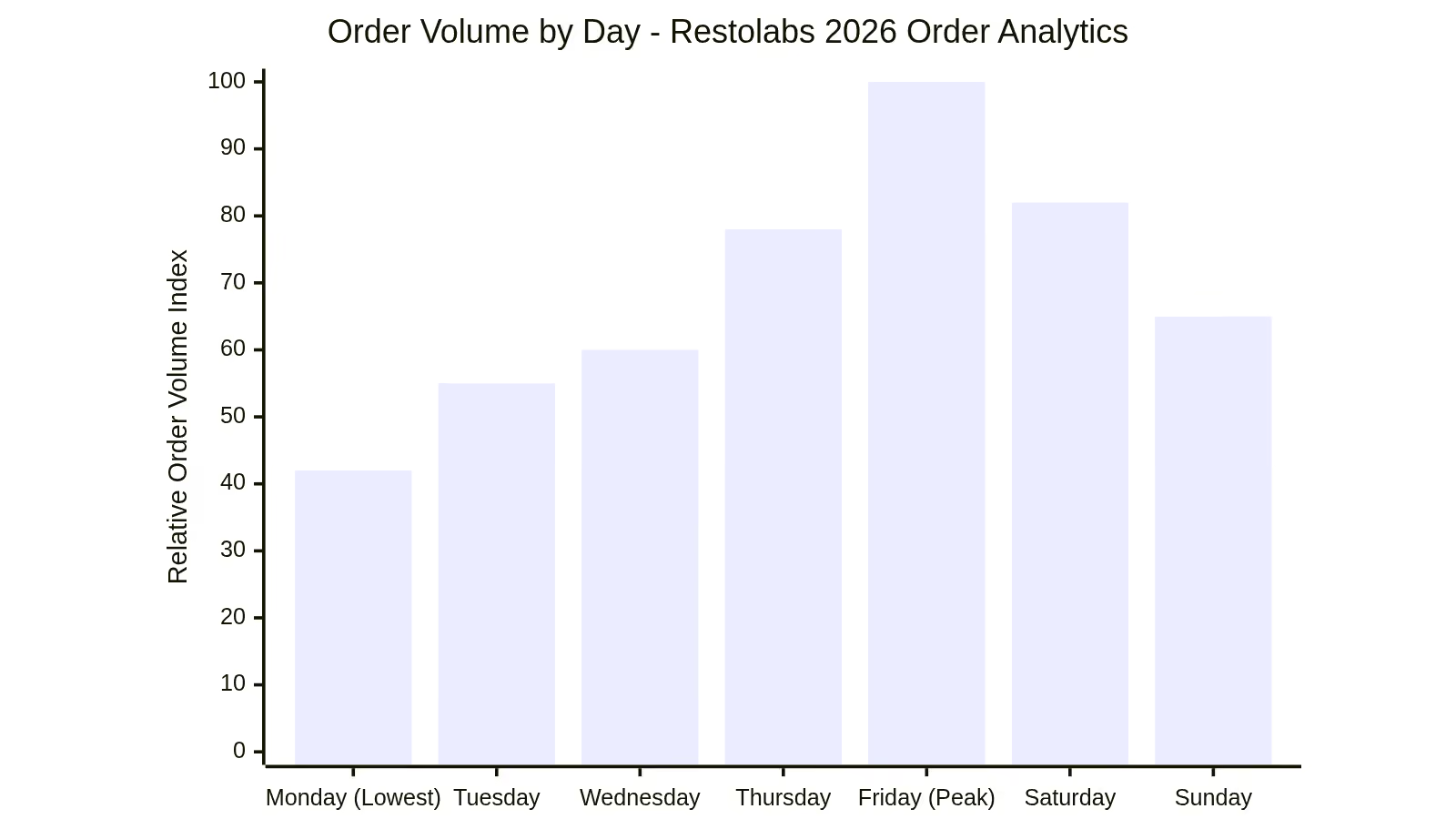
- Friday is the highest-volume ordering day platform-wide; Monday is the lowest, making it your win-back day, not your promo day.
- The 5:30 PM to 8:30 PM dinner peak is the gravitational center of online dessert demand - schedule pushes against it, not before it.
- Bakery and donut concepts run more than 80% pickup, which changes how and when you should promote.
- Weekend mornings (7 AM to 10 AM) are a sleeper window where coffee and bakery orders surge - most operators ignore it.
- 97.4% of orders in our 2026 dataset are timezone-matched, so the patterns hold locally - not just on a national average.
- Bakery AOV sits at $12-$18, so promotions should defend frequency and attach rate, not chase basket size with deep discounts.
Most dessert promotions fail because the timing is wrong.
The offer is fine. The creative is fine. The audience is fine. But the push hits inboxes at 10am on a Tuesday - when nobody is thinking about cheesecake - and the campaign quietly underperforms.
According to the Restolabs 2026 Order Analytics Dataset, which covers more than 4 million orders processed across the Restolabs platform from 2,126 locations and 479 brands between March 2025 and March 2026, dessert-leaning concepts like bakeries and donut shops cluster their order volume around very specific windows. Get those windows right and a modest promo can outperform a generous one sent at the wrong hour. This is a timing playbook, not a creative one - built from what we actually see across the platform.
What "promote at the right time" actually means
Promotion timing isn't one decision. It's three layered decisions stacked on top of each other.
Hour-of-day determines whether you catch someone in a buying mindset. Day-of-week determines how much competition you have for that mindset. Season-of-year determines what dessert they actually want.
Miss any one of these layers and the other two get wasted. A perfectly-timed Thursday-evening push that promotes hot apple crumble in July will still flop. A flawless seasonal campaign sent on a Monday at 10am will still flop. The framework below is built to give you all three layers at once.
Why timing matters more than the promo itself
We've watched the same 15%-off code, sent to the same list, perform very differently depending on send window. The variable wasn't the offer - it was the moment.
Think about what a dessert is, behaviorally. It's a low-friction add-on tied to a meal decision that's already been made, or an indulgence triggered by a specific emotional state - finishing dinner, surviving a Friday, celebrating a weekend morning with a coffee. None of those states peak at 10am on a Tuesday.
According to the National Restaurant Association, roughly 48% of consumers say they're more likely to order dessert when they see a tempting image or promotion online before visiting a restaurant. The promotion itself works. The question is whether it's in front of them at the moment the craving lands.
The 7 best times to promote desserts in your restaurant online
This framework moves from highest-frequency windows (every day) down to event-triggered windows (weather, paydays). Pick the three or four that match your concept and ignore the rest.
1. The 5:30 PM to 8:30 PM dinner window (daily)
Our 2026 order analytics data identifies the dinner peak window of 5:30 PM to 8:30 PM local time as driving the bulk of daily order volume across the platform. For dessert, this is the moment.
People aren't ordering dessert in isolation. They're closing out a dinner decision, and dessert is the upsell that piggybacks on it. If your push notification lands at 4:45 PM, you're early. If it lands at 9:30 PM, you've missed the main act and you're chasing the late-night 9 PM to 11 PM window - which is real, but skews toward delivery-heavy categories like pizza, not bakeries.
Schedule email drops at roughly 4:30 PM. Schedule push notifications at 5:45 PM. Stage social posts to publish between 5 PM and 7 PM. The intent is already there - you're just nudging it.
2. Thursday night through Sunday afternoon (weekly)
Our 2026 dataset shows Friday as the highest-volume ordering day platform-wide, followed by Thursday and Saturday. Monday consistently ranks lowest.
That order - Friday, Thursday, Saturday, Sunday at the top; Monday at the bottom - is the most important calendar you'll plan around. Most operators run promos uniformly across the week. That's wasted spend.
Push your biggest creative and your richest offers into the Thursday-evening through Sunday-afternoon corridor. Use Monday for win-back campaigns aimed at lapsed customers, not new acquisition. Tuesday and Wednesday are fine for content-led posts that build awareness without burning discount margin.
3. The 48 hours before a major holiday
Mother's Day, Valentine's Day, Thanksgiving, Christmas Eve. These aren't day-of moments for online dessert orders - they're day-before moments.
The day-of crowd buys in-store. The online customer is the planner. They're sitting on a Saturday afternoon scrolling, realizing tomorrow is the day, and pre-ordering a cake or a dessert box. That's your audience.
According to ChowNow, restaurant marketers are advised to begin promoting major holiday specials six to eight weeks in advance to capture early planners and build momentum leading into peak dining days. Use that long lead for awareness. Use the final 48-to-72 hours for the conversion push.
4. National dessert-themed days (month-by-month calendar)
Themed days are oxygen for dessert content. The trick is picking the few that fit your brand, not all of them.
Pick three or four anchor days a year. Build proper campaigns around them with visual creative - strong food photography is what carries dessert promos, and our online ordering for cafes and bakeries customers consistently see better conversion when product photos are clean, bright, and current.
5. Hot months for frozen desserts, cold months for comfort
Seasonal rotation isn't a menu decision. It's a promotion decision.
Frozen desserts - ice cream, sorbet, frozen yogurt, semifreddo - should be teased starting late April and pushed heavily May through September. Warm and comfort desserts - cobblers, bread pudding, hot cookies, chocolate lava cakes - should be staged in early October and pushed through February.
Start teasing the new season two to three weeks before the calendar pivot. People want permission to crave. Give it to them early and you'll own the seasonal share before competitors have changed their menu photos.
6. Payday weekends (around the 1st and 15th)
There's a predictable lift in restaurant ordering around paydays. People treat themselves on the weekends closest to a paycheck landing - and dessert attach rates follow the same curve.
Time your richer bundles (cake-and-coffee combos, dessert flights, gift boxes) to the payday weekend. Time your loyalty-redemption pushes to the mid-cycle weekend, when discretionary spend is tighter. A well-structured restaurant loyalty program lets you segment campaigns this way without lifting a finger week to week.
The point isn't to discount more on paydays - it's to upsell more.
7. Right after a weather event
Heat waves drive frozen dessert orders. First snow drives hot chocolate and cookie orders. Rainy weekends drive comfort-food attach rates across the board.
Set up reactive automations. A simple rule - "if local high temperature exceeds X, trigger frozen dessert email at 2pm" - costs almost nothing to build and consistently outperforms scheduled-only campaigns. The same goes for snow alerts in northern markets and rainy-Saturday SMS triggers in coastal markets.
Weather is the cheapest signal in marketing and the most under-used.
Channel-specific timing: when to push on each platform
The seven windows above tell you when. Channel choice tells you how.
Instagram and TikTok
According to BestPOS summarizing industry social data, food and restaurant brands see the strongest social engagement when posting around 11 AM to 1 PM and 5 PM to 7 PM on weekdays - aligning with lunch and early dinner decision windows. Comscore reaches a similar conclusion, identifying weekday afternoons as the strongest engagement window for food and grocery brands.
For dessert specifically, lean into the 5 PM to 7 PM slot. That's when your content is competing for the dinner-decision mindshare.
Email gets a structural advantage that social doesn't: you control the inbox time. Send promotional dessert emails at 4:30 PM on Thursdays and Fridays - your subscribers open them while thinking about the evening. Send weekend pre-order emails at 9 AM on Saturday mornings.
Avoid Monday morning sends. The open rates look fine. The conversion rates don't.
SMS
SMS is expensive per message and intrusive by nature. Reserve it for the highest-converting moments - Friday 4 PM, Sunday 1 PM, the 48 hours before a major holiday - and never for general awareness.
A branded mobile app for push notifications does most of what SMS does at a fraction of the cost, and your existing customers are the ones who installed it. Use SMS for time-sensitive triggers only.
Your own branded online ordering channel
Our 2026 dataset shows Bakery and Donuts running more than 80% pickup orders, reflecting strong in-store experience and a clear preference for branded ordering over third-party delivery.
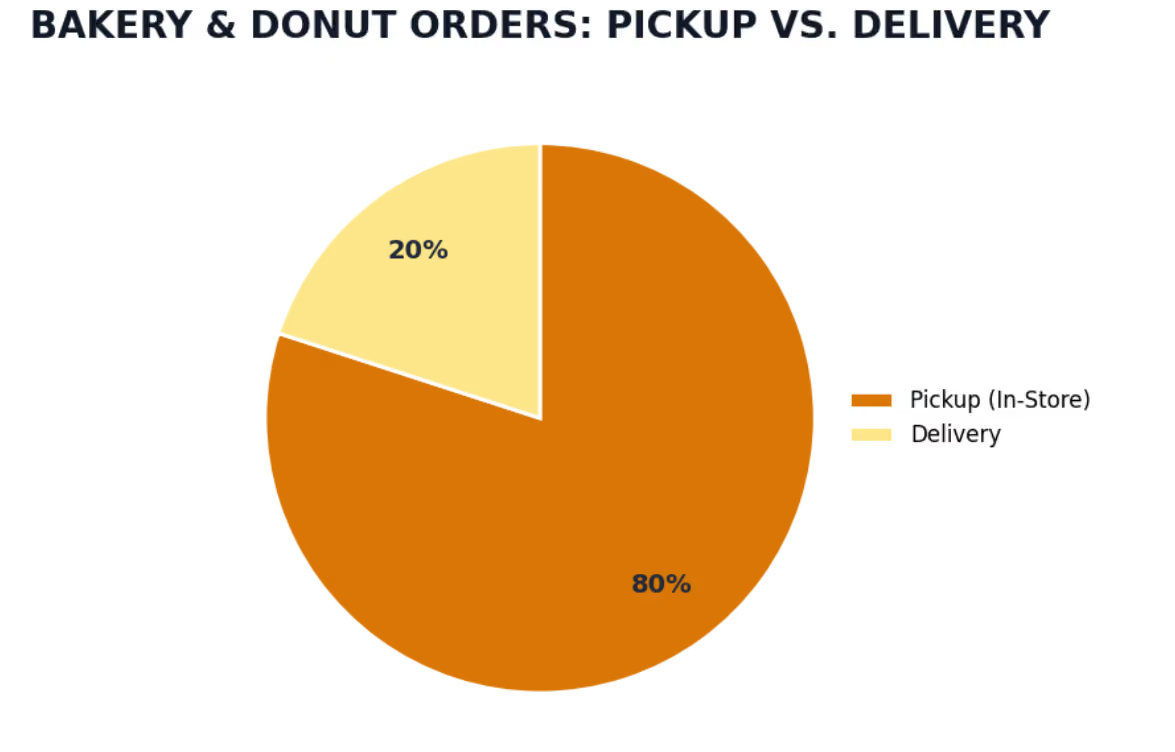
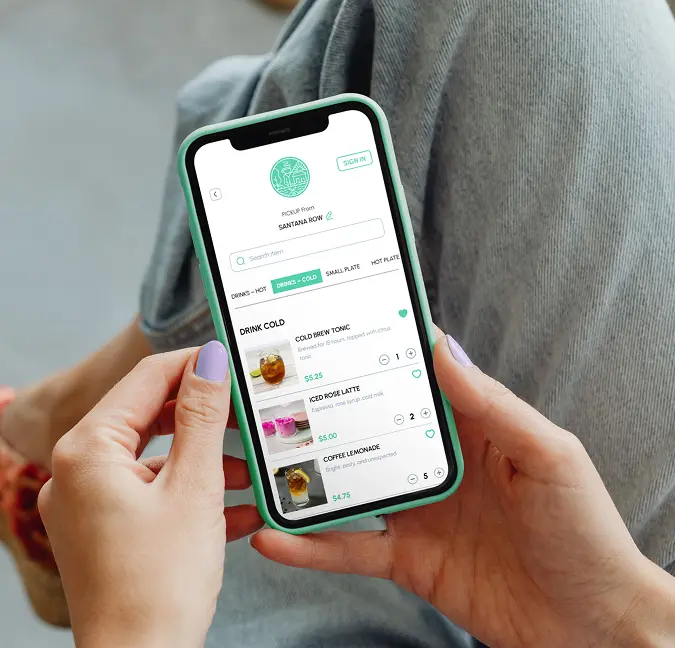
That changes the playbook. If your dessert concept is pickup-heavy, your branded website and storefront banners are doing more work than third-party apps. Run banner promotions tied to the weekend morning window of 7 AM to 10 AM, when coffee and bakery orders surge. Activate checkout cross-sells during the 5:30 PM to 8:30 PM dinner window for evening pickup.
How to build a dessert promotion calendar that compounds
The mistake most operators make is planning quarter-to-quarter. The teams that compound plan 90 days forward and 90 days backward at the same time.
Backward, you're reading your own data - which windows lifted last year, which ones flopped, what your repeat-customer cycle actually looks like. Forward, you're staging the next three months against the seven-window framework. Both halves feed each other.
Solid restaurant order analytics make this loop possible without spreadsheets. You see what worked, you copy what worked, you cut what didn't, and you ship the next campaign with sharper assumptions than the last one.
Common dessert promotion timing mistakes to avoid
Pushing promos at lunch when dessert intent is low. The lunch rush is a sandwich-and-salad window, not a dessert window.
Discounting on already-peak days. Friday at 6 PM doesn't need a coupon. Save the coupon for Tuesday at 6 PM.
Promoting frozen desserts in February or comfort desserts in July. Seasonal mismatch kills conversion before the customer even reads the offer.
Ignoring repeat-customer cycles. Dessert categories live on repeat frequency, not new acquisition - bakery AOV in our 2026 dataset sits at $12-$18 per order with value concentrated in repeat frequency and loyal regulars.
Skipping the 48-to-72-hour pre-warm before a holiday. You can't generate planning intent the morning of Mother's Day.
Your first 30-day action plan
Week 1 - Audit. Pull the last 90 days of your promo sends. Tag each one by day-of-week, hour-of-day, and channel. Find the bottom quartile by conversion rate. That's your stop-doing list.
Week 2 - Pick three windows. From the seven above, choose the three that match your concept. A cookie shop is going to pick the evening window, Thursday-Sunday, and payday weekends. An ice cream shop is going to pick the evening window, weather-triggered, and the summer seasonal block.
Week 3 - Schedule. Load 30 days of campaigns into your tools - email, SMS, push, social. One promotion per active window. No more.
Week 4 - Measure. Compare conversion rate, AOV, and repeat-order rate against the prior 30 days. Cut the bottom performer. Double down on the top one. Repeat next month.
If you want this kind of timing intelligence built into your online ordering setup - and you'd rather see it in your own data than read about ours - Book a Demo with us. We'll also walk you through our pricing so you know what you're getting into before you commit.

Sruthi Sekar specializes in brand strategy, growth, and user experience in the hospitality industry. As the driving force behind Restolabs, she helps restaurants harness technology to scale and thrive. With a background in design, branding, and entrepreneurship, she brings a sharp focus on crafting digital experiences that drive real business impact.
Frequently Asked Questions
The 5:30 PM to 8:30 PM dinner peak window, based on our 2026 dataset. Dessert orders piggyback on dinner decisions, so promotions sent in the late afternoon hit while intent is forming, not after it's decided.
Our 2026 dataset shows Friday as the highest-volume ordering day platform-wide, followed by Thursday and Saturday. Push your richest campaigns into the Thursday-evening-through-Sunday-afternoon corridor and reserve Monday for win-back, not new acquisition.
Six to eight weeks for awareness and pre-order campaigns, according to ChowNow. The final 48 to 72 hours is where the conversion push lives - that's when planners convert.
Yes. Seasonal rotation paired with timed promotion drives both AOV and repeat-order rate, particularly for frozen-heavy concepts in summer and comfort-heavy concepts in winter. Start teasing the new season two to three weeks before the calendar pivot.
Your branded online ordering channel and email for highest-margin orders, since bakery and donut concepts in our 2026 dataset run more than 80% pickup. Use Instagram and TikTok for top-of-funnel awareness during the 5 PM to 7 PM window.
Two to four timed campaigns per month, anchored to the seven windows in the framework above. Daily discounting erodes margin without lifting volume, especially in a category where bakery AOV sits at $12-$18 and repeat frequency does the heavy lifting.
Yes, especially when offered as checkout cross-sells during the 5:30 PM to 8:30 PM dinner peak and on payday weekends. According to the National Restaurant Association, about 48% of consumers say they're more likely to order dessert when they see a tempting promotion online - the lift comes from showing the right offer at the right moment, not from cutting price.




.webp)

.svg)
.webp)