
.avif)
Key Takeaways
- Platform-smart strategy: Different platforms influence diners in different ways — Instagram for visuals, TikTok for trends, and Facebook for local engagement.
- Visual storytelling wins: High-quality photos, Reels, and behind-the-scenes clips drive appetite and boost discovery.
- Consistency builds trust: A planned posting rhythm keeps your restaurant visible during peak decision-making moments.
- UGC as social proof: User-generated content and reviews amplify credibility and expand reach with minimal effort.
- Engagement-to-order path: Direct ordering links in bios and posts turn attention into instant conversions.
- Real-time menu sync: Keeping menus updated across channels prevents mismatches between social promotion and availability.
- Marketing and operations alignment: Coordinated promotions, menu updates, and staff awareness ensure smooth execution and better customer experienc
- Restolabs as the connector: Restolabs ties social engagement to real revenue with direct ordering links, menu sync, and unified customer data.
Most restaurants still treat social media as an announcement board: posting promos, specials, or event photos and hoping for engagement. But in a world where diners scroll before they stroll, that approach falls short.
The real opportunity lies in using social as a two-way channel for storytelling, trust, and sales. A structured social strategy creates alignment across the team:
- Owners gain visibility into ROI and campaign impact
- Managers coordinate offers with menu or inventory changes
- Front-of-house staff build stronger connections through reviews and user-generated content
In this guide, you'll learn how to build a high-performing restaurant social strategy, identify the right platforms, craft content that drives action, and turn visibility into sales with Restolabs.
Why Restaurant Social Media Marketing Matters
For most diners, the first impression of a restaurant is no longer at the host stand.
It happens online, where customers browse Instagram feeds, scan TikTok videos, or read Facebook reviews before choosing where to eat. Restaurants that fail to show up in these spaces risk being overlooked, even if they offer excellent food and service.
Recent studies show that more than 70% of consumers discover restaurants through social media before visiting in person. This shift means social channels are not just marketing add-ons; they are central to growth.
A strong presence builds trust, drives online orders, and turns curiosity into paying customers. But to do it well, you need to know who you're speaking to—and which platforms they use.
Understanding Your Target Audience on Social Platforms
Not every diner uses social media the same way. The key is knowing where your target audience spends time and what kind of content makes them stop scrolling:
- Gen Z: They live on TikTok and Snapchat. Short, funny clips or quick “how-it’s-made” videos are what get shared. For restaurants, this means highlighting menu items through quick trends or behind-the-scenes prep videos that feel authentic, not polished.
- Millennials: They’re loyal to Instagram. Clean food photos, quick reels, and short chef stories work best here. Think of your feed as a visual menu: each post should tell a small story that builds anticipation to order.
- Families and local diners: Meta is their go-to. They check it for event updates, reviews, and family-friendly promos. This is where restaurants should focus on local engagement such as community posts, contests, and special-occasion menus.
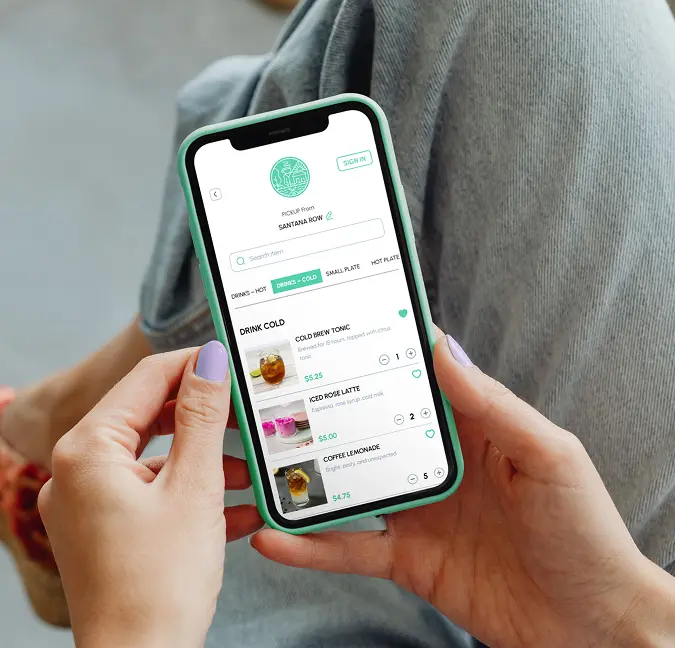
Restolabs allows you to generate direct ordering URLs for your menu, categories, or individual items, which you can embed inside Instagram, Facebook, or TikTok posts. You can copy these URLs from your Restolabs dashboard and attach them to social content so diners land on the exact menu section you want them to view.
Best Social Media Platforms for Restaurants
Not all platforms deliver the same results. A restaurant’s strategy should match the strengths of each channel with where diners spend their time. Here are top three social media platforms restaurants can use:
1. Instagram: Your digital menu
Instagram remains the go-to platform for restaurant marketing because it is built for visual storytelling. Food, ambiance, and experience translate perfectly through images and short videos.
- Post high-quality photos of signature dishes. Well-lit, appetizing images create instant desire. Diners should be able to imagine tasting the food just by looking at it.
- Use Stories for daily specials or behind-the-scenes moments. Their short-lived nature triggers FOMO and encourages quicker action.
- Add location tags and custom hashtags. These work as digital breadcrumbs, helping nearby diners find you when searching for places to eat.
- Leverage Reels. Quick plating shots, sizzling pans, or 10-second prep clips grab attention better than static photos.
- Engage publicly. Repost customer content and reply to comments. It shows authenticity and strengthens loyalty.
Every post should serve a purpose: to turn attention into anticipation, and anticipation into an order.
2. Meta (Facebook): Build a local community
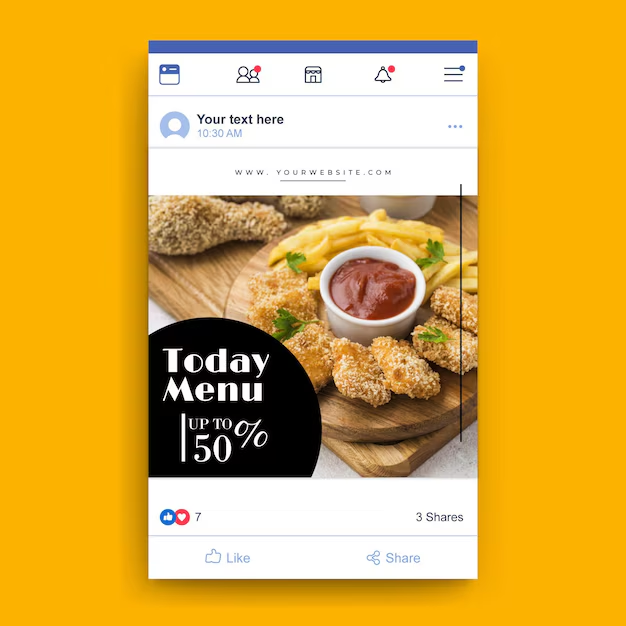
Facebook now Meta is less about polished visuals and more about building connections. It remains one of the strongest platforms for community engagement, especially among families, regulars, and local diners who rely on it for updates and recommendations:
- Keep your page updated. Accurate hours, menus, and contact details build trust before guests even visit. An outdated page can instantly create doubt.
- Use Events to promote specials and celebrations. Themed nights, live music, or seasonal offers give people a reason to plan ahead — and reminders bring them back when it’s time to dine out.
- Join local food or neighborhood groups. These communities act like digital word of mouth, keeping your restaurant in daily local conversations.
- Enable Facebook ordering. Let diners place orders directly within the app. Reducing steps from discovery to checkout captures intent while it’s strongest.
- Share longer-form stories. Chef interviews, recipes, or brand milestones add depth and make your restaurant feel more personal and relatable.
The goal with Facebook is simple: create belonging. When your brand becomes part of someone’s daily feed and community groups, loyalty grows naturally, both online and at the table.
3. TikTok: Where Food Trends Go Viral
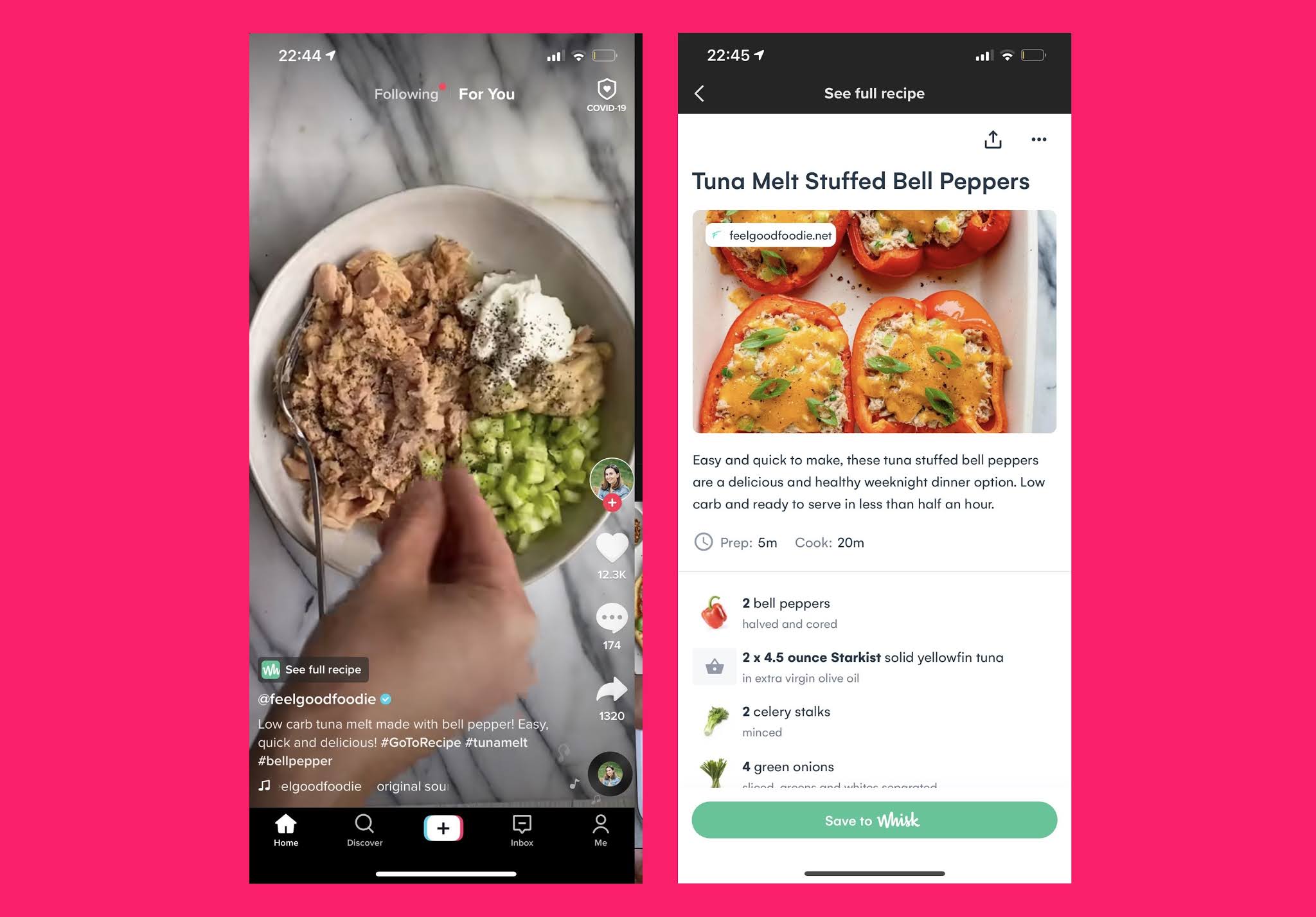
TikTok is where food culture and trends spread quickly. Its algorithm favors creativity over size, which gives even small or independent restaurants a fair chance to be discovered.
- Post short, eye-catching videos. Quick clips of chopping, sizzling, or plating often hold attention better than finished-dish photos.
- Join trending challenges. Add a food twist to popular trends or sounds — it positions your restaurant within cultural moments people are already watching.
- Show your team’s personality. Authentic, lighthearted clips of your staff resonate more than polished ads and make your brand feel human.
- Share quick recipes or kitchen hacks. Educational content builds credibility and gets shared widely, increasing your reach without extra spend.
- Use trending sounds and effects. Music drives discovery on TikTok. Pairing your videos with current audio helps them surface on more feeds.
TikTok works best when it feels like entertainment, not advertising.. Lean into creativity and authenticity—that’s what turns casual scrollers into visitors and enthusiastic advocates.
Essential Content Types That Drive Engagement
Successful restaurant marketing on social media depends on variety. A page filled only with promotions feels transactional, while a thoughtful mix of content types keeps diners curious, connected, and loyal.
Each post should serve a clear purpose, whether it’s sparking appetite, showing authenticity, or reinforcing trust.
Mixing these formats helps a restaurant stay visible while building relationships with diners that last beyond a single visit.
Restolabs automatically publishes menu changes—such as prices, item availability, and photos—across your online ordering site in real time. You can update items or modifiers in the backend and share the corresponding ordering link on social posts so customers always see the most current menu version.
Social Media Content Calendar for Restaurants
Posting without a plan often leaves restaurants invisible during key dining hours and overwhelming diners at random. A content calendar gives structure and ensures the right content appears when customers are most likely to engage.
A well-planned calendar helps restaurants:
- Stay consistent: Post regularly to build recognition: three to four times a week on Instagram, one or two TikToks, and daily Stories.
- Time posts strategically: Schedule content just before meal hours or weekend brunch when diners are deciding where to eat.
- Plan around events: Holidays and local celebrations create natural engagement spikes; plan early so promotions feel relevant.
- Balance your mix: Alternate between offers, behind-the-scenes clips, and diner stories to keep your feed human and dynamic.
- Reinforce what works: Repurpose top-performing content as Stories, Reels, or ads to extend reach and ROI.
Your content calendar is your brand rhythm. Consistent, thoughtful updates signal reliability and build lasting trust.
Restolabs lets you schedule and update menu items, day-part availability, and promotional pricing from one dashboard. You can bulk-edit items or activate limited-time offers so that any dish you feature in a scheduled post becomes immediately available for online ordering.
User-Generated Content and Reviews for Restaurants
Diners trust other diners more than they trust ads. That’s why user-generated content (UGC) and reviews are some of the most powerful tools in restaurant marketing. When guests share their photos, tag your restaurant, or leave positive reviews, they’re creating authentic endorsements that carry more weight than anything you post yourself.
Here’s how restaurants can make the most of them:
- Encourage diners to share. Subtle prompts: table cards with hashtags or reminders on receipts, nudge guests to post their experiences.
- Repost customer content. Featuring a diner’s photo or story shows appreciation and motivates others to do the same. It also signals that your restaurant values community voices.
- Highlight great reviews. Share short snippets from Google, Yelp, or Meta (Facebook) to reassure first-time visitors and strengthen your reputation.
Together, UGC and reviews create a steady stream of authentic content that builds credibility and expands reach, without increasing your workload.
Restolabs stores customer information, such as previous orders, contact details, and order frequency, inside your dashboard. You can export this customer data to external tools like Mailchimp to follow up on reviews, send thank-you messages, or request user-generated content from repeat diners.
Turning Social Engagement Into Measurable Sales
Likes and comments are valuable, but without a clear next step, engagement rarely becomes revenue. The key is to make it easy for diners to act the moment their interest peaks. Restaurants can turn attention into orders by:
- Adding direct ordering links. Every post should lead somewhere, ideally your menu, not your homepage.
- Promoting redeemable offers. Discounts or loyalty rewards work best when they can be applied instantly at checkout.
- Keeping menus synced. If a featured dish sells out, your online menu should update automatically to avoid disappointment.
- Tracking engagement-to-order data metrics. Monitor which posts generate clicks, orders, and repeat customers to identify what actually drives sales.
Restolabs converts social interest into transactions by providing direct ordering links and real-time menu status. You can attach ordering URLs to your social posts, enable coupon codes for specific campaigns, and use Restolabs’ sales and order reports to monitor which promotions or links resulted in completed orders.
Integration of Social Media with Restaurant Operations
Social media works best when it reflects what’s actually happening inside the restaurant. A post about a new dish loses its impact if the kitchen isn’t ready to serve it. Aligning marketing with operations ensures every promise made online matches the guest experience in person.
Here’s how to keep both sides in sync:
- Update menus alongside promotions. If you post a seasonal special on Instagram, make sure it’s live on your online ordering system too.
- Brief front-of-house staff. Teams should know which offers are running so they can respond confidently to guest inquiries.
- Manage updates from one dashboard. With Restolabs, managers can adjust menus, pricing, and promotions in real time, with changes reflected instantly across ordering links and social media.
When marketing and operations speak the same language, social posts become reliable entry points that lead smoothly to the dining table or an online order.
Restolabs consolidates operational updates in a single dashboard. You can modify menu items, adjust pricing, update stock availability, and manage store-level settings, with all changes reflected instantly on your online ordering pages linked from social media.
Restolabs: Connects Social Visibility with Real Sales
Social media brings attention, but attention doesn’t pay the bills. To turn engagement into revenue, restaurants need an ordering system that connects directly to their campaigns.
Restolabs provides the infrastructure to turn social engagement into completed orders.
You can generate deep-linked ordering URLs, configure time-based or category-based promotions, sync menu updates in real time, and manage all online ordering activity from a single multi-location dashboard.
Restolabs supports commission-free ordering, branded apps, multilingual menus, and integrations with delivery providers, making it the technical bridge between social outreach and your restaurant’s digital operations.
Diners see your food, interact with your brand, and order in seconds.
Ready to turn engagement into growth?

Sruthi Sekar specializes in brand strategy, growth, and user experience in the hospitality industry. As the driving force behind Restolabs, she helps restaurants harness technology to scale and thrive. With a background in design, branding, and entrepreneurship, she brings a sharp focus on crafting digital experiences that drive real business impact.
Frequently Asked Questions
It is the use of platforms like Instagram, Facebook, and TikTok to promote a restaurant, build community, and drive orders. Done strategically, it goes beyond posting photos and creates consistent customer engagement that leads to repeat visits and sales.
Instagram and TikTok work best for visuals and trends, while Facebook is effective for events, reviews, and local reach. The choice depends on your audience, but most restaurants benefit from a mix of two to three platforms managed consistently.
Three to four posts a week on Instagram, one or two on TikTok, and daily Stories is a good rhythm. The goal is to stay visible without overwhelming followers. Timing posts before meal hours also helps capture attention when diners are deciding where to eat.
Engaging photos of dishes, behind-the-scenes videos, seasonal promotions, and user-generated content from happy diners tend to perform best. Balance is key — mixing promotional posts with authentic, community-driven stories keeps followers engaged.
Look beyond likes. Track clicks on links, orders placed, and repeat customers tied to campaigns. With Restolabs, these metrics appear in one dashboard, helping managers connect specific posts to revenue and customer retention.




.webp)

.svg)
.webp)