

Key Takeaways
- Excellent customer service depends on consistency: staff behavior, ordering workflows, communication, and service standards should feel reliable across every visit.
- Clear menus, simple ordering, and a frictionless payment process reduce delays and make the restaurant experience easier for guests and employees.
- Personalization, customer loyalty programs, and thoughtful recognition help turn first-time visitors into loyal customers.
- Feedback, reviews, and behavioral data provide valuable insights into where the guest experience is breaking down and what to improve first.
- Strong delivery, takeout, and multi-location systems protect operational efficiency as order volume and customer expectations grow.
- Restolabs centralizes menus, customer data, ordering modes, delivery workflows, and multi-location settings so restaurants can manage more of the experience from one digital platform.
Restolabs’ 2026 Online Ordering Behaviour Report found that 38.2% of customers placed more than one order within a six-month lookback window.
That repeat behavior is shaped by more than good food: customers expect attentive service, fast ordering, clear communication, and a seamless experience across dine-in, pickup, delivery, and digital channels.
You see, running a restaurant is no longer just about what reaches the table.
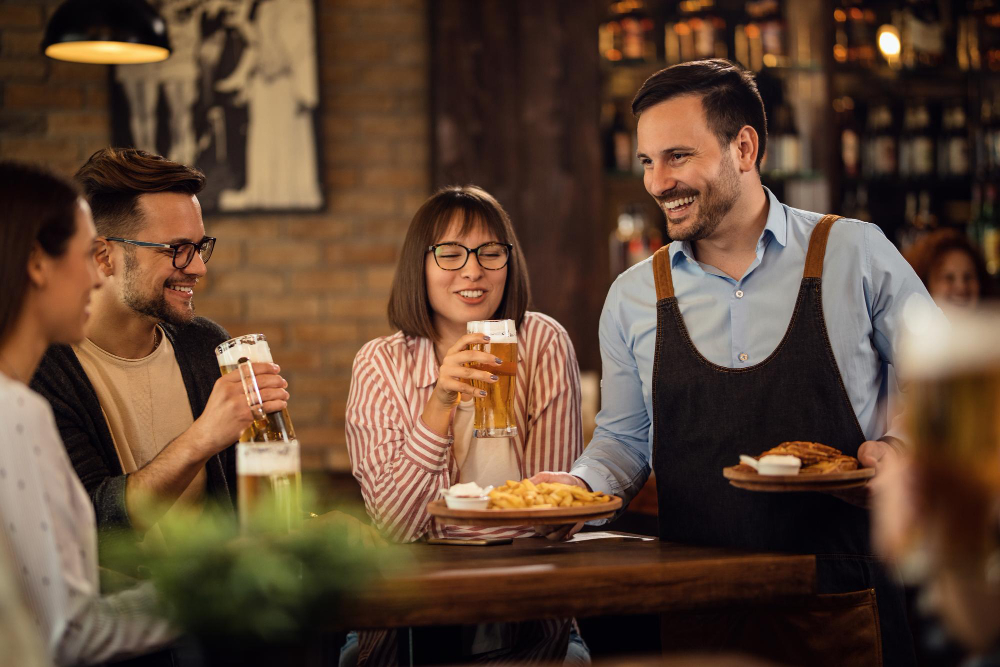
A great restaurant customer experience is the sum of every interaction a guest has with your restaurant, from choosing menu items and completing the payment process to receiving an order, resolving a problem, or deciding whether to return.
In fact, 74% of restaurant patrons value positive customer experience. So when any part of that journey breaks – long waits, confusing food choices, missed updates, inconsistent restaurant customer service – trust can erode quickly.
For a restaurant business, those small failures can eventually show up as poor reviews, lost customer loyalty, and fewer repeat customers. The good news is that improving the customer experience doesn’t require reinventing every process at once.
The 12 strategies below show you how to improve customer experience in a restaurant, reduce friction, create memorable guest experiences, and build systems that keep everyone coming back for more. But first, let’s start with a basic question:
What Shapes the Restaurant Customer Experience?
A restaurant customer experience isn’t created by one impressive interaction. It’s built across the full guest journey, and a problem at any stage can influence whether someone returns, recommends you through word of mouth, or leaves with a negative experience.
That’s why good customer service and good technology shouldn’t operate separately. The best systems remove friction in the background so staff can focus on the human moments guests actually remember.
How Can Restaurants Improve Customer Experience?
The most effective improvements usually address one of four things: inconsistency, friction, lack of recognition, or lack of visibility into what customers are experiencing.
The following 12 strategies cover the biggest opportunities to improve the customer experience without losing the human side of hospitality.
1. Staff training and service excellence
Your staff defines your restaurant’s reputation before the food even arrives. When service feels inconsistent — polite one day and rushed the next — customers notice, and an otherwise good meal can turn into a maybe-next-time experience.
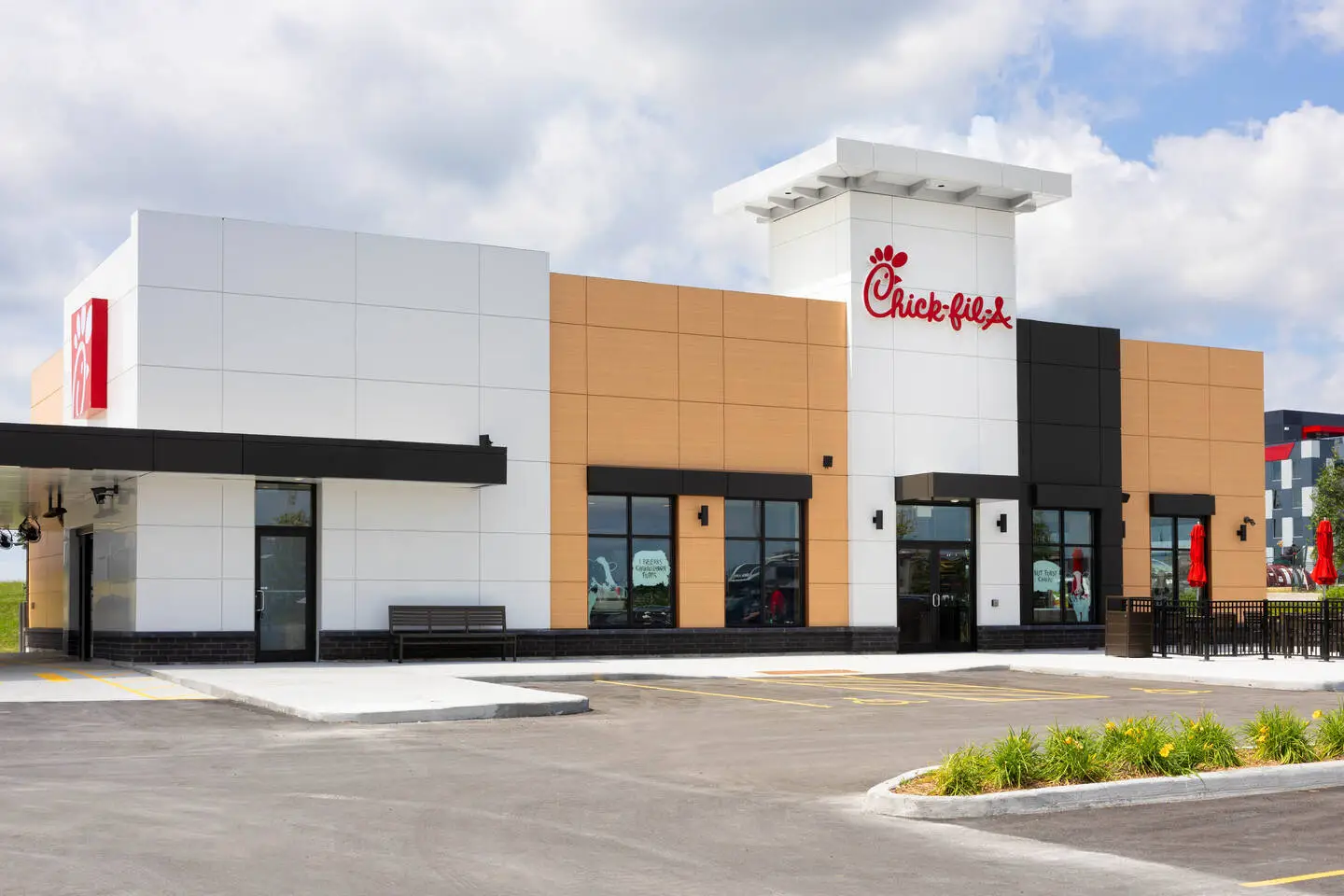
Chick-fil-A is known for repeatable service habits such as warm greetings, prompt assistance, and attention to detail. These small behaviors show why delivering excellent customer service is less about occasional grand gestures and more about creating a standard guests can trust.
High employee engagement leads to 21% higher profitability.
For restaurant managers, employee engagement matters because engaged teams are more likely to stay aligned, communicate well, and deliver exceptional service during stressful shifts. High turnover increases training pressure and makes consistency harder to maintain.
To cultivate that culture in your restaurant:
- Use short role-play drills before each shift so staff can practice real customer scenarios with confidence.
- Create a service cheat sheet with reminders for tone, phrasing, and guest priorities during busy hours.
- Encourage staff to go the extra mile when the situation genuinely calls for it, rather than relying on scripted gestures.
- Invite team members to shadow top performers for a few minutes each shift to absorb strong communication habits naturally.
- Review one customer interaction per week as a team — good or bad — to build shared awareness around what elevates the guest experience.
Restolabs centralizes direct online orders in a Smart Order Management Dashboard, where incoming orders, prep times, order modes, and status updates can be viewed in real time.
You can configure prep-time settings for each order mode, enable peak-hour throttling, and manage notification preferences so kitchen and front-of-house teams stay on the same page without relying on manual communication.
2. Simplify menus and make ordering intuitive
Overly detailed menus slow customers down and overwhelm staff. When diners take time to place an order, lines grow, order accuracy can suffer, and the experience becomes more complicated than it needs to be.
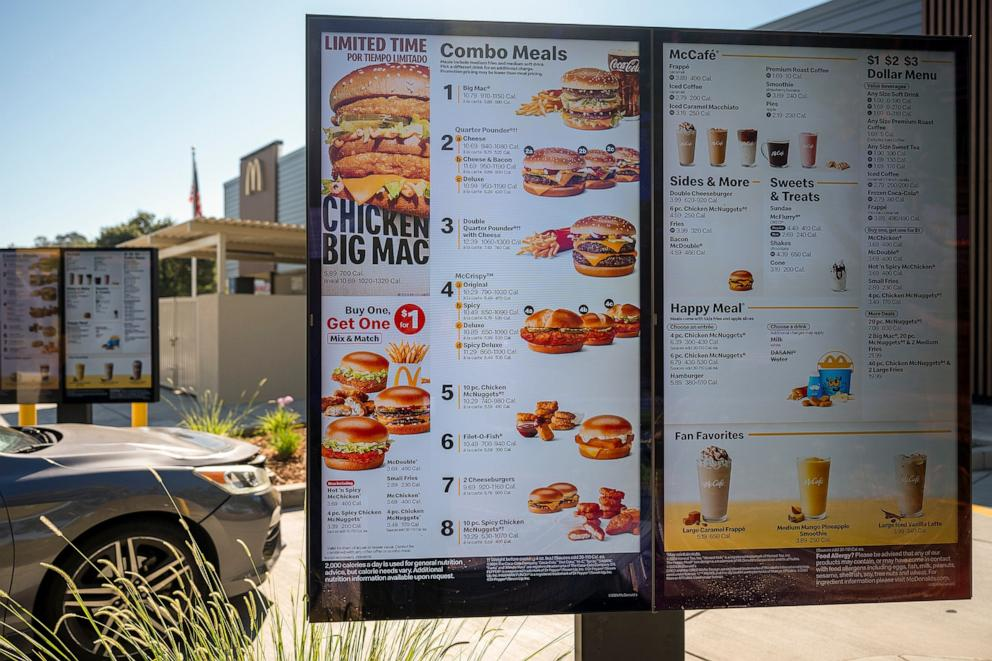
McDonald’s has repeatedly refined its menu presentation and digital displays around speed and ease of choice. The principle is useful for any restaurant: menu clarity should make food choices easier without stripping away the items customers actually value.
Here’s how to apply that principle:
- Limit upsell prompts one or two relevant items so checkout stays distraction-free.
- Use consistent naming conventions so similar dishes feel familiar and easy to compare.
- Test your menu flow with a first-time customer to spot points where decision-making slows down.
- Place top sellers prominently within each category so diners can choose confidently without overthinking.
- Use seasonal produce and limited-time dishes to refresh the menu without permanently expanding every category.
Restolabs synchronizes menu data across your website, mobile app, and QR ordering channels.
Items, pricing, availability, modifiers, and category structures can be managed from a single backend. You can also enable or disable menu items in real time and apply bulk price changes, helping every channel display the same menu configuration without separate updates.
3. Personalize every guest interaction
Restaurant guests want to feel recognized, not processed. A generic interaction is easy to forget, while small signs that you remember a guest’s specific preferences can turn an ordinary visit into a positive experience.
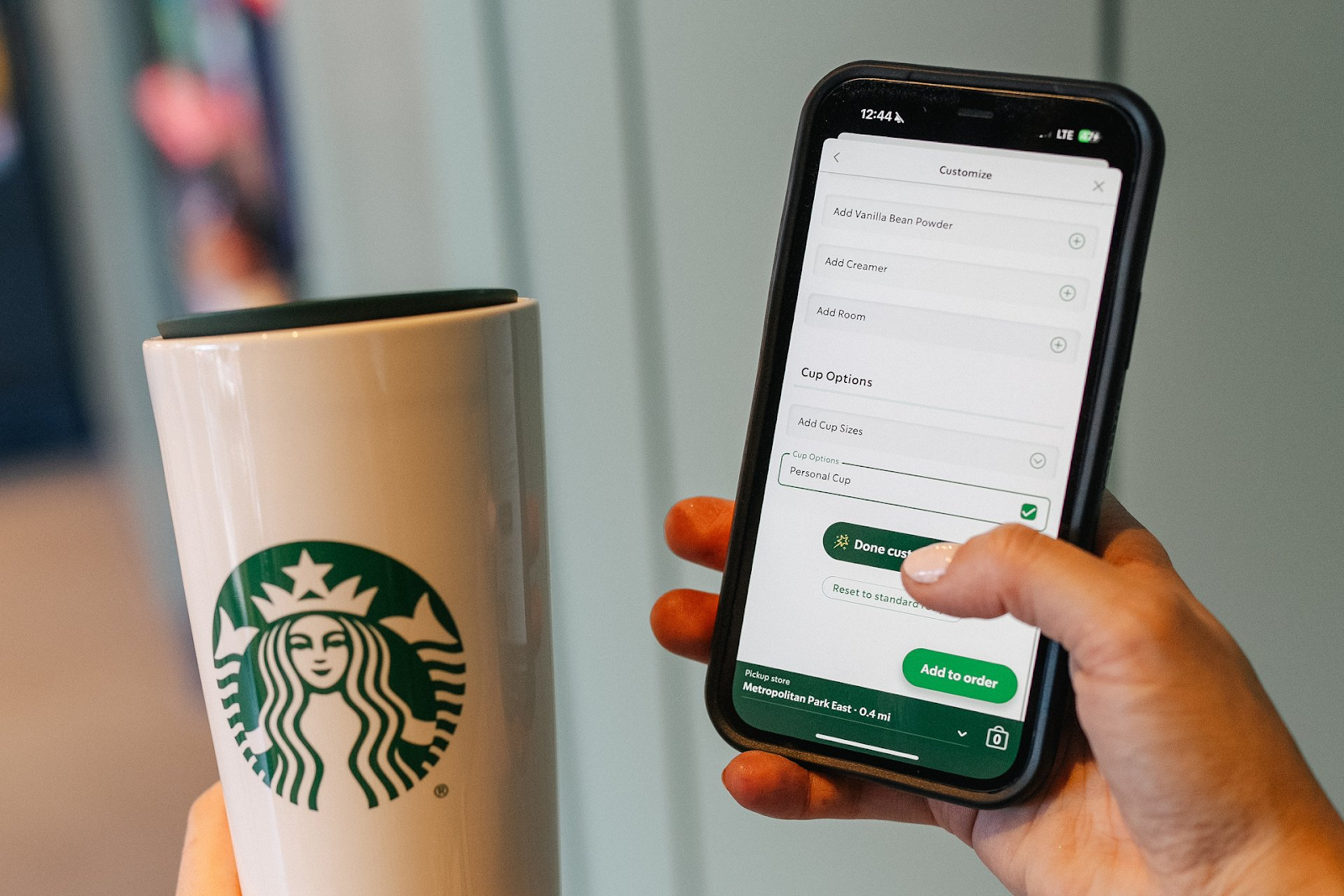
Starbucks uses app and order data to remember favorite drinks, suggest relevant add-ons, and personalize communication.
The lesson isn’t that every restaurant needs the same technology stack; it’s that recognition becomes more useful when it’s based on actual behavior rather than guesswork. You can apply similar tactics:
- Use customer data carefully so personalization feels helpful rather than intrusive.
- Track repeat visit intervals so returning customers can receive a timely, relevant offer.
- Use subtle notes in your POS or customer profile to surface specific preferences during service.
- Create simple customer tags such as “spicy lover” or “quick lunch regular” so staff can personalize service quickly.
- Remember small details, such as a preferred table or common order, when they help staff create memorable moments.
Restolabs stores customer profiles that include past orders, contact information, and saved preferences, giving you a unified record for returning guests.
You can use this data to review order history, surface repeat items, and export customer segments for targeted outreach through external tools. Over time, that creates a clearer view of your customer base and makes personalization easier to scale.
4. Build loyalty through rewards and recognition
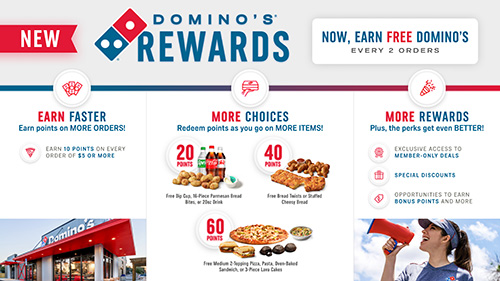
Repeat business is built on appreciation. When customers feel recognized and rewarded, they have another reason to return, and customer loyalty becomes more than a discount strategy.
Domino’s uses a clear points-based rewards system to reinforce repeat ordering. Every purchase adds progress toward a reward, making the loyalty program easy to understand and giving customers immediate value.
There’s a simple principle behind strong customer loyalty programs: it’s human nature to value experiences that make us feel recognized. You can strengthen your own loyalty program by:
- Giving new customers a small welcome perk that encourages their first return visit while your brand is still top of mind.
- Connecting rewards to behavior you genuinely want to encourage, such as direct ordering or repeat visits.
- Highlighting milestone rewards, such as a 10th purchase bonus, to create momentum.
- Using loyalty data to recognize loyal customers and personalize future offers.
- Designing rewards that deliver value early enough to prevent point fatigue.
Restolabs supports loyalty through its built-in coupon engine, points-based loyalty system, and integrations with third-party loyalty and gift-card platforms.
You can configure point-earning rules, coupon parameters, integrations, and reward eligibility so applicable points, gift-card balances, or promotions can be reflected during checkout.
5. Streamline delivery and takeout
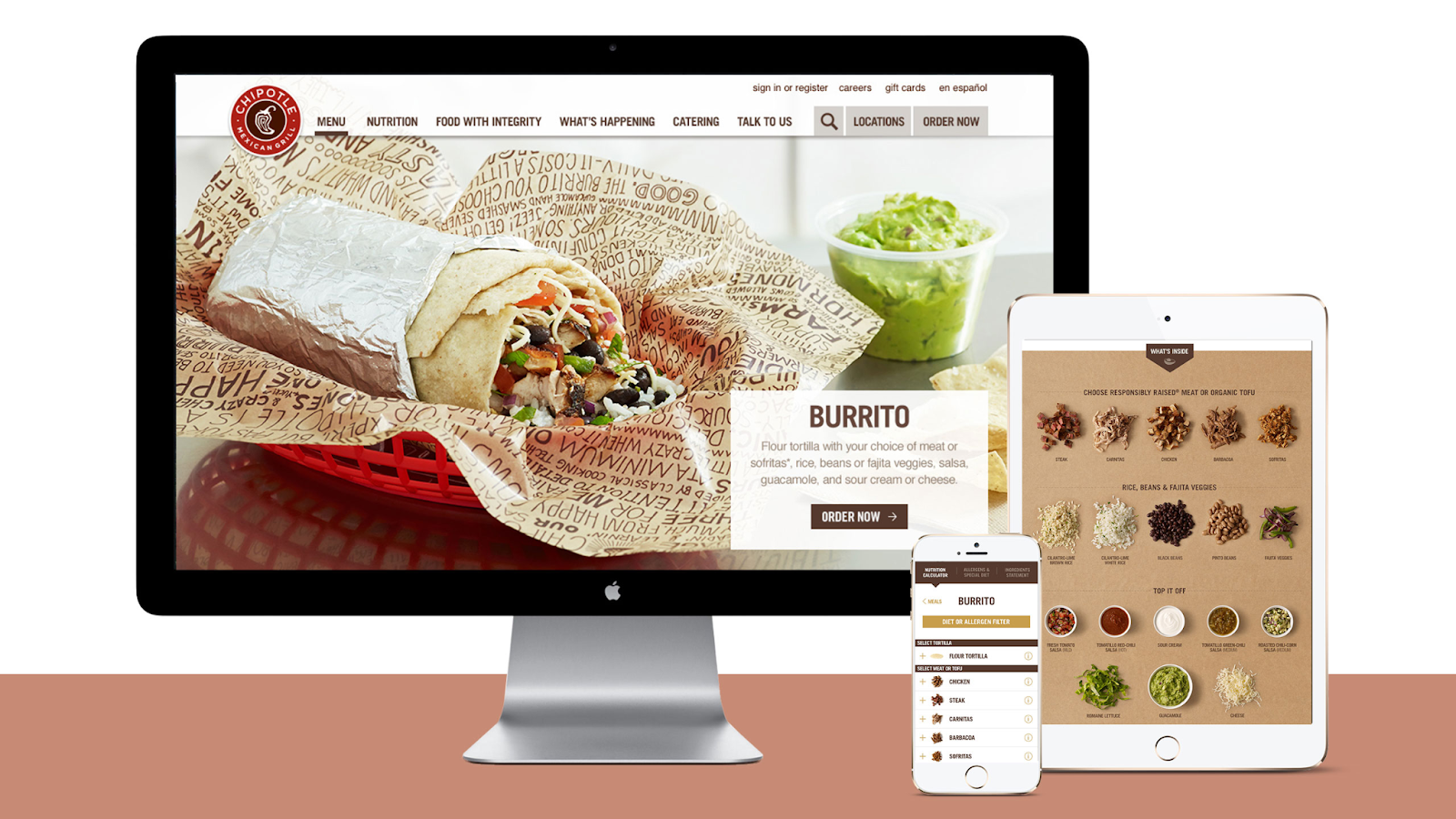
Delivery and takeout are important revenue streams, but they can also expose operational weaknesses quickly. When tickets get mixed up, prep times slip, or orders wait too long for pickup, customers feel the failure even if the food itself is good.
Chipotle improved digital-order fulfillment by separating parts of the kitchen flow for off-premise orders and using real-time order tracking. That kind of operational design helps protect both food quality and operational efficiency during rush periods.
To streamline your own process:
- Create a separate staging area for completed orders to reduce crowding and mix-ups at pickup.
- Set visual prep-time benchmarks so teams can anticipate rush-hour pressure.
- Cross-check packaging for heat retention, durability, and accuracy.
- Align delivery zones with actual kitchen capacity instead of relying only on radius defaults.
- Review where delays happen between kitchen completion, courier arrival, and customer handoff.
Restolabs integrates with delivery management partners including DoorDash, Uber Eats, Shipday, and Relay, allowing restaurants to configure how orders are dispatched.
You can set delivery zones, manage providers from the backend, and enable real-time status updates so the ordering system communicates with the selected dispatch workflow.
6. Create a memorable in-house dining experience
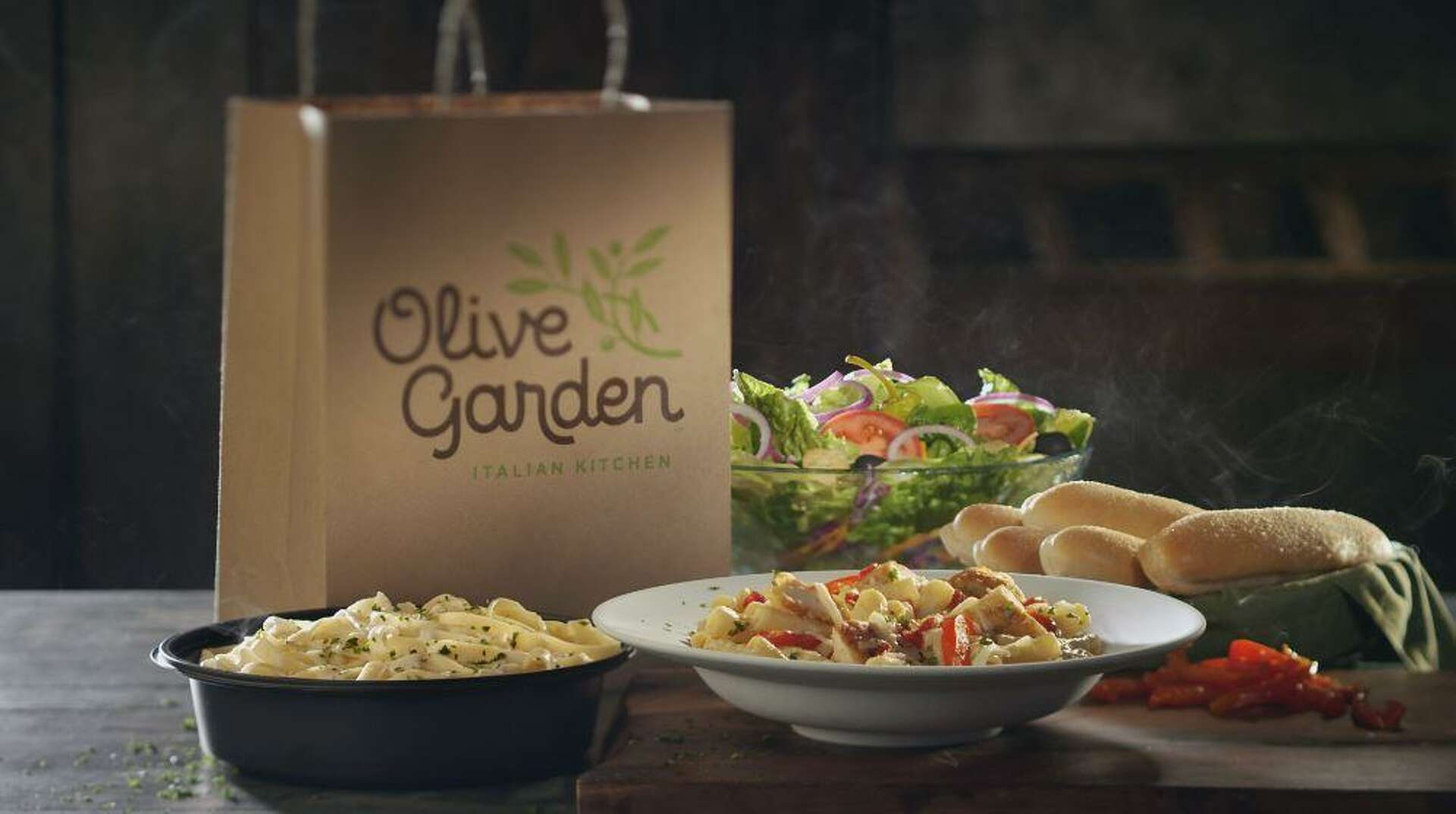
Even as online ordering grows, the in-house restaurant experience still shapes how many guests remember your brand. Attentive service, pacing, atmosphere, and comfort can turn a meal into one of the memorable guest experiences that customers talk about afterward.
Olive Garden’s continued appeal is closely tied to consistency, value, and a family-friendly atmosphere. Its familiar experience shows that creating memorable moments doesn’t always mean spending more money on décor or constant novelty.
To strengthen the dine-in experience:
- Train staff to scan tables discreetly so guests receive attentive service without feeling watched.
- Rotate small décor elements seasonally so regular customers notice freshness without requiring a redesign.
- Use subtle changes in music or lighting to signal different meal stages and keep the atmosphere dynamic.
- Keep the payment process simple so the final minutes of the meal do not undo an otherwise positive experience.
- Place service cues, such as water refill stations or silverware setups, where staff can access them without interrupting guests.
Restolabs enables QR-based dine-in ordering, allowing customers to access the menu, place incremental orders, and submit payments through table-specific codes.
You can assign QR codes to tables, map them to ordering modes, and configure mid-order add-on permissions so guests can request additional items without unnecessary waiting.
7. Collect and act on customer feedback
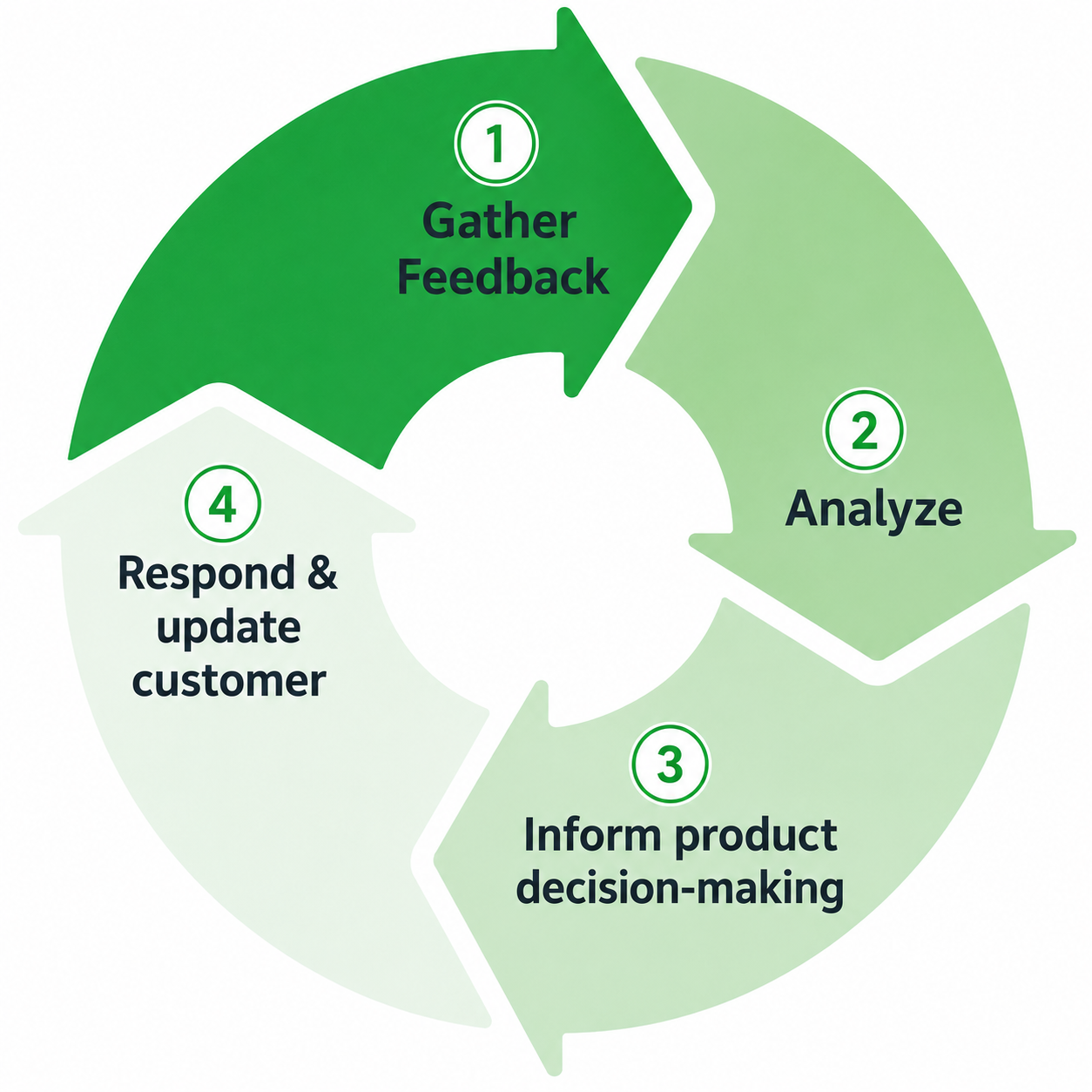
Feedback gives you a direct view into what restaurant guests notice, but it only becomes useful when somebody acts on it. Ignoring recurring comments means missing valuable insights that could improve service, menu clarity, delivery, or staff workflows.
Practical ways to use feedback include:
- Ask one strategic question at a time instead of sending long surveys that few guests finish.
- Compare feedback across dine-in, pickup, and delivery to identify channel-specific problems.
- Use simple reason codes so staff can log customer comments that never become online reviews.
- Close the loop internally by telling teams what changed because of guest feedback.
- Look for repeated themes instead of reacting to one isolated opinion.
When customers see their input leading to visible change, it can help build trust and keep customers happy without requiring constant promotions.
Restolabs captures customer information and order-level data in the same system where transactions occur. Order histories, customer metadata, and channel-specific records can then be reviewed together to identify patterns associated with recurring issues.
8. Handle negative reviews with empathy
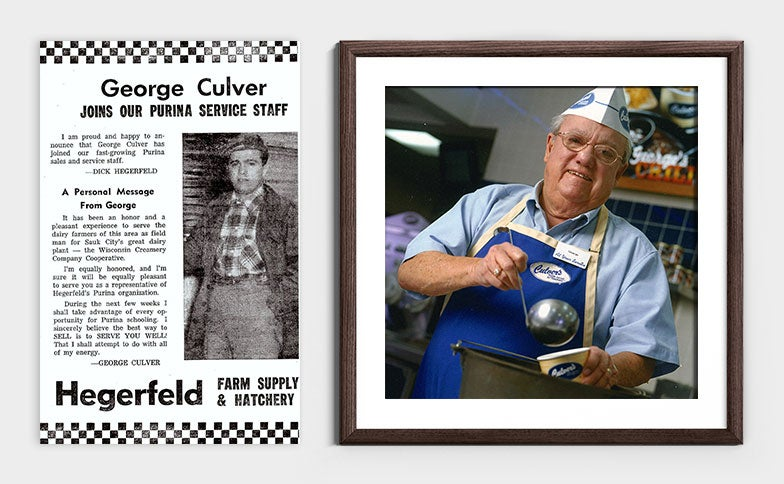
Negative feedback can sting, but silence or defensiveness often does more damage. A strong recovery process acknowledges what happened, responds with empathy, and gives the customer a clear path toward resolution.
Pwc reports that 32% of customers would walk away after one negative experience. Online reviews also influence people who have never visited your restaurant – 88% of customers trust online reviews as much as personal recommendations.
That makes review management part of both restaurant customer service and reputation management. Positive reviews can reinforce word of mouth, appear in social media posts, and help attract customers who are comparing nearby options.
For independent restaurants, the commercial effect of ratings can be especially important. Research by Michael Luca at Harvard Business School found a measurable relationship between Yelp ratings and revenue for independent restaurants.
Improving a Yelp rating by one star increases revenue by 5-9%.
The study found that the effect was driven by independent restaurants rather than chains, so the statistic should not be generalized to every restaurant brand. When responding to negative reviews:
- Acknowledge the customer’s experience before offering a solution.
- Keep a library of approved goodwill gestures so staff know what they can offer without waiting for manager approval.
- Respond publicly where appropriate, then move detailed follow-up to a private channel.
- Review negative feedback monthly to identify whether operational or communication gaps are repeating.
- Avoid defensive language, even when the restaurant has additional context that the reviewer did not mention.
Restolabs records order details including items, timestamps, modifications, and fulfillment mode. When a complaint relates to an order, teams can review the transaction history and cross-check preparation or dispatch details before responding.
9. Use data to improve service and retention
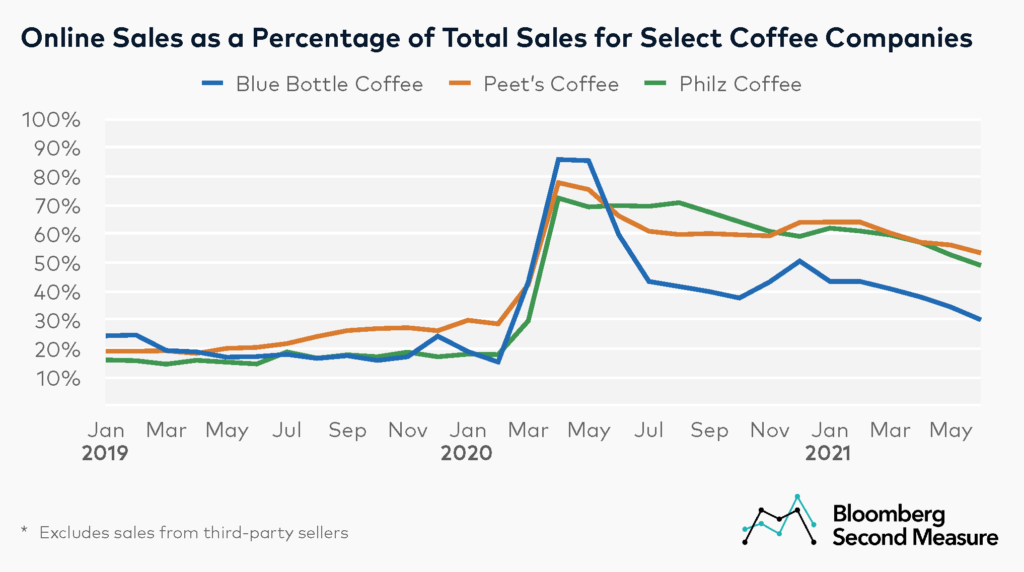
Data does more than measure performance. Used well, it helps restaurants identify what customers repeatedly choose, where they drop off, and which operational changes are improving retention.
Restaurant brands with strong digital ordering and loyalty programs increasingly use order frequency, basket patterns, and customer behavior to make decisions rather than relying only on intuition. You can apply the same principle by:
- Identifying abandoned-cart patterns that point to confusing modifiers, pricing, or menu layout.
- Comparing prep-time accuracy across shifts to uncover training or staffing gaps.
- Using cohort analysis to see which guest groups return most reliably and where others drop off.
- Tracking which promotions convert so weak offers can be retired.
- Looking at changes in order behavior before and after an operational improvement.
Restolabs includes analytics on product performance, repeat orders, customer behavior, and sales patterns. Reports can be filtered by timeframe, customer segment, or order channel to identify SKU trends, order-frequency cycles, and peak-hour load distribution.
10. Measure customer satisfaction with key metrics
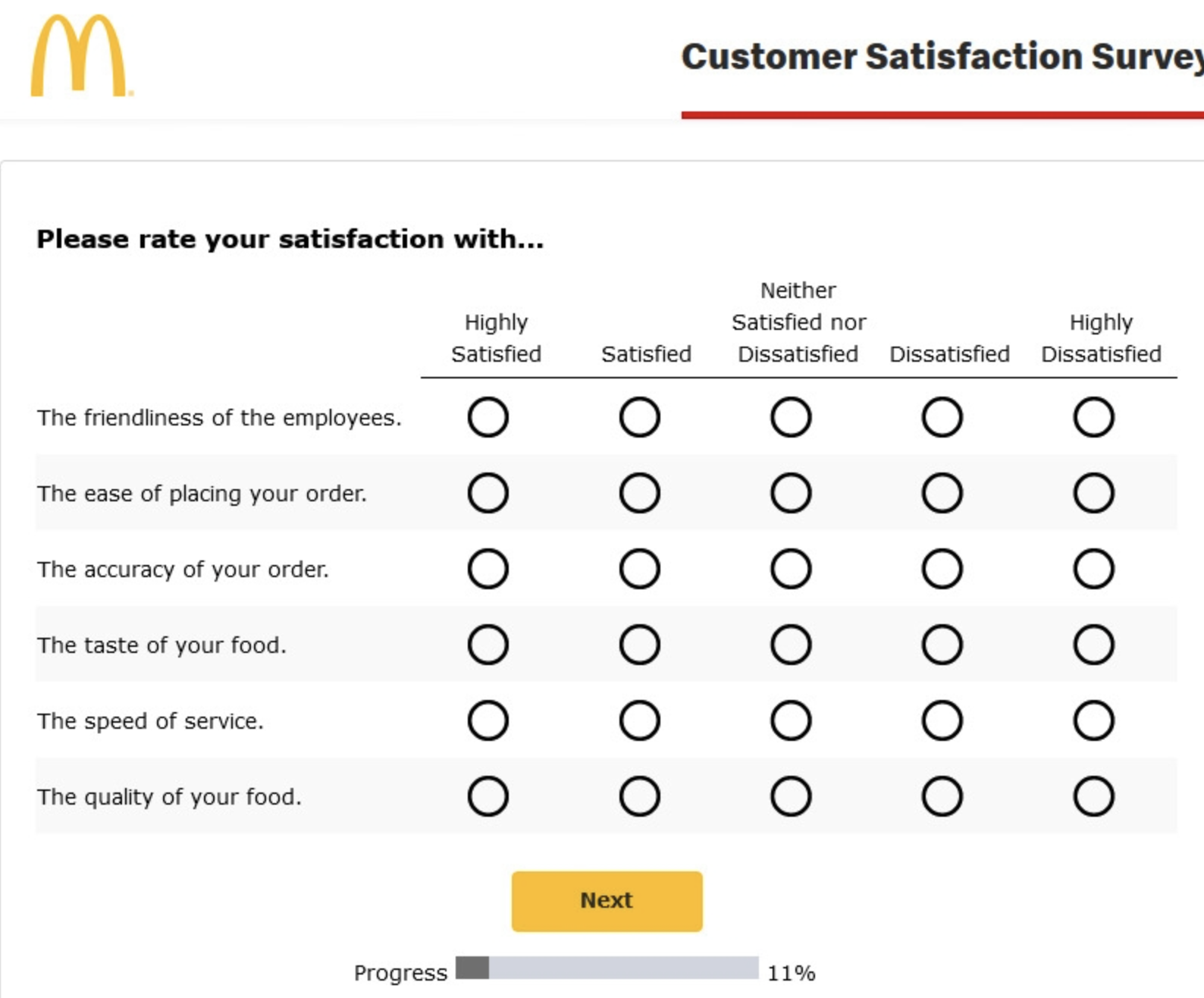
Without measurement, even good service can feel directionless. Metrics help restaurant managers understand where to focus and whether changes are actually improving the customer experience.
Starbucks, for example, has used customer-connection measures alongside operational indicators such as speed and accuracy to guide service improvement. Useful ways to measure your own performance include:
- Pairing an NPS or satisfaction score with a short “why?” question so the number has context.
- Segmenting satisfaction by daypart to uncover patterns specific to breakfast, lunch, or dinner rushes.
- Reviewing delivery satisfaction separately because courier delays can mask strong in-house performance.
- Setting quarterly improvement targets so metrics become actionable rather than observational.
- Comparing satisfaction trends with repeat-order behavior instead of treating each metric in isolation.
Restolabs tracks operational metrics including order accuracy, repeat-visit counts, and average order value across customer types.
Restaurants can compare metrics by order mode, review customer cohorts, and use transactional histories to evaluate how changes affect returning behavior.
11. Overcome common service bottlenecks
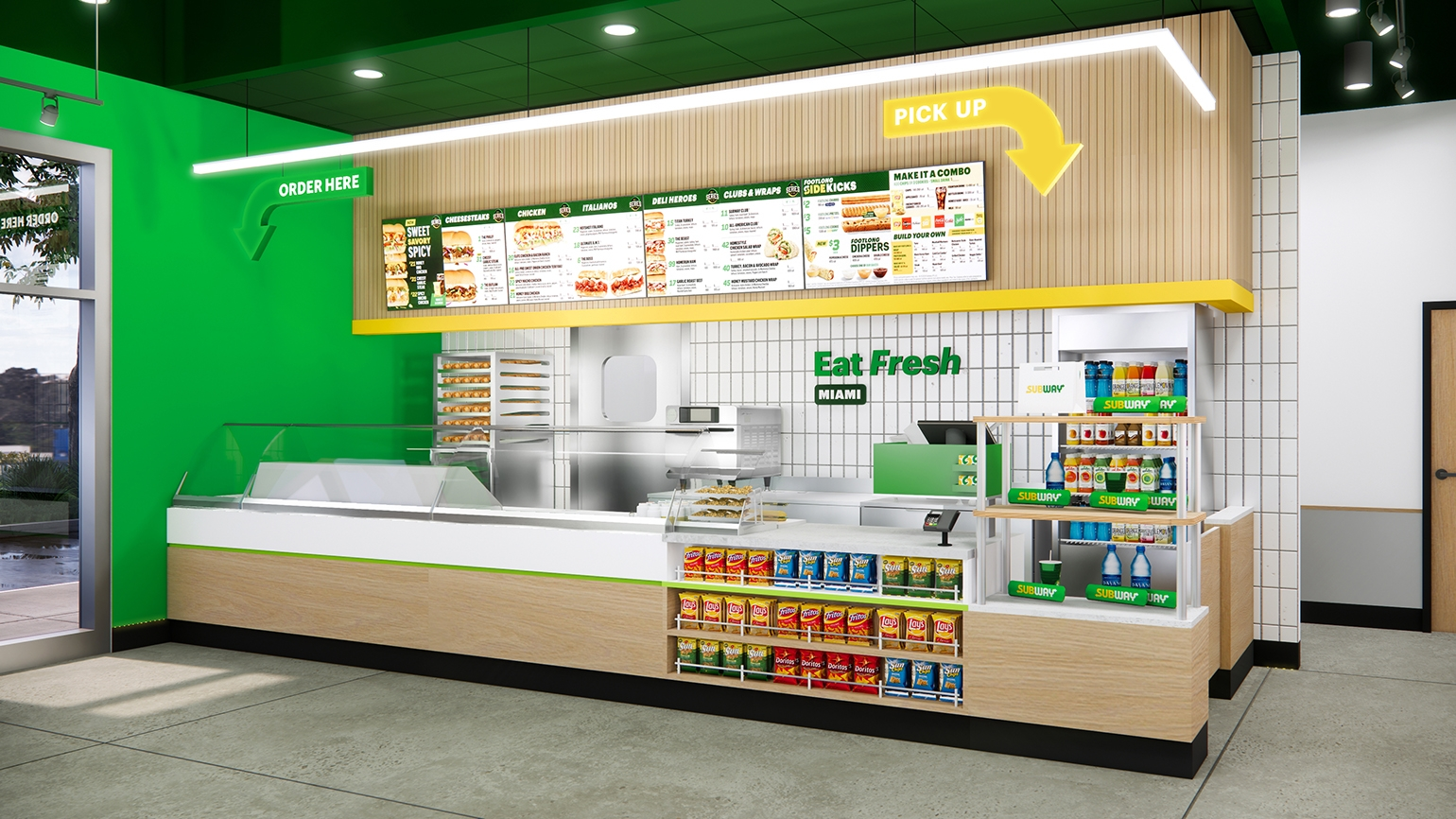
Bottlenecks can appear at the counter, in the kitchen, during handoff, or at payment. Each small delay chips away at satisfaction, and the impact becomes more visible during peak periods.
For a quick service restaurant, even a few seconds of repeated friction can compound across dozens of orders. Subway has redesigned prep stations and digital ordering flows over time to simplify order movement and reduce unnecessary friction.
You can address bottlenecks by:
- Running time-and-motion reviews during peak hours to identify friction that is invisible during slower shifts.
- Keeping high-demand items and tools within easy reach to reduce micro-delays.
- Labeling back-of-house zones clearly to prevent servers and kitchen teams from crossing unnecessarily.
- Running short bottleneck drills so front- and back-of-house teams practice smoother handoffs.
- Reviewing whether technology is removing steps or simply moving the same manual work somewhere else.
Restolabs reduces manual slow points by syncing orders across channels and allowing prep-time settings and bulk menu updates to be managed centrally.
You can adjust prep-time values by mode, activate peak-hour throttling, and update larger menu sections together to keep workflows aligned during volume spikes.
12. Use technology to deliver consistency at scale
As restaurants expand, maintaining the same quality and service across every outlet becomes harder. Technology is most valuable when it helps replicate good processes without making hospitality feel robotic.
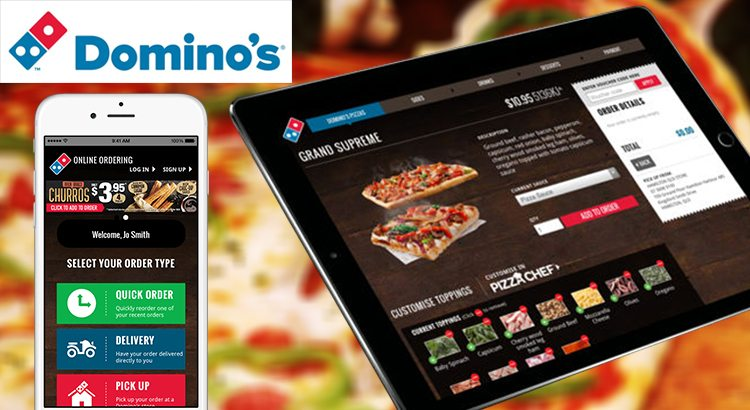
Large restaurant brands such as Domino’s have built digital ordering around systemized processes that help standardize the experience across channels and locations. To create that consistency:
- Standardize digital checklists so every store follows the same opening, mid-shift, and closing routines.
- Review multi-location performance to identify outliers that need support or retraining.
- Use automated reminders for menu or operating-hour changes to reduce location-by-location inconsistency.
- Adopt uniform naming for items and modifiers so cross-location reporting stays clean.
- Give local teams enough flexibility to respond to guests while keeping core service standards consistent.
Restolabs centralizes multi-location management in one dashboard where restaurants can control menus, settings, reporting, and store-specific configurations.
Permissions can be assigned by location, unified menu changes can be pushed system-wide, and store-level variations can be maintained without creating completely separate configurations for every branch.
Which Improvements Should You Prioritize First?
Look, trying to fix all 12 areas at once usually creates more work than progress. Start with the problem customers feel most clearly, then fix the operational cause behind it.
This keeps improvement practical. The goal isn’t to add more initiatives; it is to identify the few changes that will make the biggest difference to customers and operational efficiency.
How Does Restolabs Support Better Customer Experiences?
Improving customer experience requires consistency across digital and in-store operations. The systems behind menus, ordering, delivery, customer data, and store settings determine how reliably those experiences can be delivered.
Restolabs gives restaurants a single digital platform to configure online ordering, menu structures, store settings, customer data, ordering modes, and delivery workflows without maintaining a separate process for every channel.
Menus can be uploaded in bulk, ordering modes adjusted, test orders run, and customer data exported for use in external platforms such as Mailchimp.
As service workflows and multi-location operations become more complex, Restolabs also gives restaurants central control over dispatch partners, store-level permissions, and configuration updates. One customer rightfully puts it:
“Overall, we’ve had a very positive experience with Restolabs. Their ability to integrate easily with our POS and Loyalty platforms and process a high number of orders without issues has made it a productive relationship. When issues arise, their customer support quickly resolves problems.” — Weston B, Eli's Coffee Shop, Illinois
A great restaurant customer experience still depends on people, judgment, and hospitality. Technology simply makes it easier to remove friction, maintain consistency, and give teams more room to focus on customers.
Schedule a demo with Restolabs to see how the platform can support a smoother experience from the first click to the final checkout.

Sruthi Sekar specializes in brand strategy, growth, and user experience in the hospitality industry. As the driving force behind Restolabs, she helps restaurants harness technology to scale and thrive. With a background in design, branding, and entrepreneurship, she brings a sharp focus on crafting digital experiences that drive real business impact.
Frequently Asked Questions
Use digital tools to simplify operations, not replace human interaction. When technology handles routine tasks, your staff can focus on delivering warmer, more personal service.
Place QR codes on receipts or tables for quick feedback. This allows guests to share their experience instantly while it’s still fresh.
Smaller restaurants can win with agility—faster updates, personalized service, and community-focused engagement that big brands often can’t match.
Yes. Tracking preferences and purchase history helps you send relevant offers and reminders, increasing the chances of repeat orders.
Restolabs gives restaurants complete data ownership, enabling direct communication, tailored promotions, and a consistent experience across online and dine-in orders, without paying third-party commissions.





.webp)

.svg)
.webp)