
.avif)
Key Takeaways
1.Know your customers using POS data, surveys, and demographic insights to shape your beverage strategy.
2.Engineer your menu to spotlight high-margin drinks, introduce seasonal items, and create signature cocktails/mocktails.
3,Market aggressively through happy hours, themed events, social media visuals, and community partnerships.
4.Train staff on suggestive selling, pairing recommendations, and product knowledge to maximize upsells.
5.Enhance the experience with great presentation, ambiance, tasting events, and memorable moments.
6.Use technology like POS, digital menus, upselling prompts, and analytics to drive smarter beverage decisions.
7.Leverage Restolabs features for digital menus, upselling, data insights, and seamless ordering to boost beverage revenue.
Beverage sales represent one of the most significant revenue opportunities for restaurants, with drinks often generating substantially higher profit margins than food items alone. Successfully increasing beverage sales requires a sophisticated, multi-faceted approach that combines strategic menu development, effective staff training, technology integration, and customer experience optimization. This comprehensive guide explores evidence-based strategies and best practices for restaurant operators seeking to maximize their beverage revenue while simultaneously enhancing overall customer satisfaction.
Understanding Your Market
Before implementing strategies on how to increase beverage sales in restaurant operations, it's essential to understand the fundamental economics and current market trends driving consumer behavior. Beverages consistently demonstrate profit margin characteristics that far exceed typical food offerings. While the average food cost for restaurants typically ranges between 28-35%, leaving a gross profit margin of 65-72%, beverage costs generally account for only 15-25% of beverage revenue, potentially yielding gross profit margins as high as 75-85%.
The modern restaurant consumer demonstrates increasingly sophisticated beverage expectations, with preferences ranging from traditional alcoholic beverages to innovative non-alcoholic alternatives, locally sourced craft products, and health-conscious functional drinks. Recent research reveals that among full-service operators serving alcohol, 54% plan to add new mixed cocktail offerings, 51% intend to increase beer selections, and 48% plan to expand wine options.
Identifying Customer Preferences
Understanding your specific customer base is crucial for developing effective beverage strategies. Consider these approaches:
- Analyze your POS data to identify current bestsellers and underperforming items
- Conduct customer surveys or feedback cards specifically about beverage preferences
- Study demographic patterns in your restaurant (age groups, occasion types, time of day)
- Research local competitors' beverage offerings and pricing strategies
Analyzing Current Beverage Sales Trends
The beverage market has experienced significant segmentation, with distinct consumer cohorts expressing divergent preferences:
- Generation Z and millennials demonstrate pronounced preferences for locally sourced craft beverages, non-alcoholic options, and experiences emphasizing sustainability
- Non-alcoholic innovation is booming, with 39% of adult consumers indicating they would order non-alcoholic versions of alcoholic beverages if offered
- Nostalgic cocktails with modern twists like innovative Old Fashioneds, creative spritzes, and espresso martinis are attracting increased attention
- Functional beverages with health benefits, including adaptogenic drinks, kombucha, and CBD-infused options are gaining popularity
Enhancing Your Beverage Menu
Effective beverage menu development requires systematic analysis of historical sales data combined with strategic positioning of high-margin products. If you're wondering how to increase my beverage sale in my restaurant, start by implementing menu engineering principles.
Menu Engineering for Maximum Profitability
Menu engineering involves categorizing beverage menu items into four distinct categories based on profitability and popularity metrics:
- Stars: High-profitability, high-popularity items that should be prominently featured
- Puzzles: High-profitability beverages with low popularity that require strategic marketing intervention
- Plowhorses: Popular beverages with lower profitability that may benefit from recipe optimization
- Dogs: Low-profitability, low-popularity items that generally warrant removal unless they serve important brand identity functions
The strategic placement of menu items significantly influences customer purchasing decisions. Research demonstrates that customers typically direct their visual attention to the center of a menu page first, then to the upper right corner, making these locations optimal for featuring high-margin items.
Seasonal and Limited-Time Offers
Seasonal beverage trends create opportunities for limited-time offerings that generate excitement and urgency among customers:
- Winter: Warming beverages such as hot chocolate variations, spiced cocktails, and robust red wines
- Spring: Fresh fruit spritzers, floral-infused beverages, and lighter white wines
- Summer: Cold brew coffee, fruity iced teas, refreshing cocktails, and rosé wines
- Fall: Pumpkin spice lattes, apple cider variations, and harvest-inspired cocktails
Limited-time offers create FOMO (fear of missing out) that drives customers to visit specifically to try seasonal items before they disappear, increasing both visit frequency and average check size.
Signature Drinks and Mocktails
Signature cocktails and bartender-created specialties serve multiple strategic functions within comprehensive beverage programs:
- Provide differentiation opportunities that competitors cannot easily replicate
- Create talking points and social media sharing opportunities
- Allow for higher price points due to perceived exclusivity and creativity
- Build staff engagement when bartenders can showcase their expertise
With the growing demand for non-alcoholic options, developing a robust mocktail program is increasingly important. Creative, well-crafted non-alcoholic beverages can command premium prices while satisfying the needs of designated drivers, pregnant women, and those abstaining from alcohol for health or personal reasons.
Food and Beverage Pairings
Food and beverage pairing recommendations represent powerful upselling mechanisms that enhance dining experiences while increasing average check sizes. Rather than suggesting random beverage additions, train staff to educate customers about intentional pairings:
- Light white wines with delicate seafood
- Full-bodied reds with rich red sauces and grilled meats
- Pale ales with spicy foods
- Lagers with fried items
- Wheat beers with salads
Consider featuring suggested drink pairings directly on menus under each food item, effectively prompting customers to consider beverage additions while reducing staff recommendation burden.
Pricing and Bundling Tactics That Raise Beverage Attach Rate
If every drink is sold as a stand-alone decision, many guests skip it. A better move is to make the beverage feel like the natural companion to the meal. Combo framing, simple upgrades, and clearly named pairings reduce hesitation because customers are choosing between complete options, not adding one more item at the end.
Price ladders matter just as much. When entry-level, mid-tier, and premium drinks sit close together without a clear difference, the middle option becomes a default. Descriptive distinctions change that pattern. A house iced tea, a flavored version, and a sharable carafe each serve a different moment, which makes higher-value choices feel purposeful rather than forced.
Bundles work best when the value is easy to read and the format matches the occasion. Lunch specials can emphasize speed, while family meals can highlight pitchers, bottled drinks, or kid-friendly add-ons. Once beverages are built into familiar order paths, the restaurant stops chasing impulse buys and starts guiding guests toward a more complete purchase.
Implementing Effective Marketing Strategies
Strategic marketing initiatives significantly amplify beverage sales by building customer awareness, generating excitement around new offerings, and encouraging visit frequency.
Happy Hour and Promotional Events
Happy hour promotions represent particularly effective revenue drivers. Data indicates that bars with structured happy hour programs generate approximately 26% higher revenue during those hours compared to normal operations and receive 24% more transactions. Additionally, happy hour customers spend an average of approximately $69 per visit, roughly $8 more than typical off-peak hour spending.
Beyond simple price reductions, consider these happy hour innovations:
- Themed events: Wine Wednesday, Throwback Thursday featuring music from specific decades
- Local spotlights: Featuring rotating local breweries, distilleries, or wineries
- Activity-based promotions: Trivia nights, live acoustic music, or game tournaments
- Food and beverage bundles: Discounted appetizer and drink combinations
Leveraging Social Media
Social media marketing represents a contemporary necessity for beverage program promotion. Visual food and beverage content performs exceptionally well on platforms like Instagram, Facebook, and TikTok.
Effective social media strategies include:
- High-quality photography showcasing signature cocktails and seasonal beverages
- Behind-the-scenes content revealing bartender cocktail preparation techniques
- User-generated content campaigns encouraging customers to photograph and share beverages using restaurant-specific hashtags
- Strategic influencer partnerships with local food bloggers and lifestyle accounts
- Live streaming of special events or cocktail demonstrations
For more insights on effective restaurant marketing, check out our guide on building a marketing strategy for restaurant growth.
Engaging with Local Communities
Community engagement creates authentic connections while generating positive word-of-mouth marketing:
- Partner with local suppliers and prominently feature their products in your beverages
- Host fundraising events where a percentage of beverage sales benefits local charities
- Collaborate with nearby businesses for cross-promotional opportunities
- Participate in local food and beverage festivals to showcase signature drinks
Learn more about putting your business on the map with our restaurant marketing tactics.
Optimizing Customer Experience
The contemporary beverage market increasingly emphasizes experience-based value propositions extending beyond simple product consumption to encompass social interaction, entertainment, education, and memorable moments.
Staff Training for Suggestive Selling
Comprehensive staff training represents a critical success factor for beverage sales performance. Effective training programs should include:
- Product knowledge about ingredients, preparation methods, and flavor profiles
- Food pairing principles to make informed recommendations
- Suggestive selling techniques that emphasize customer benefit rather than purely transactional objectives
- Pre-service tastings where servers sample special offerings to enable authentic enthusiasm
Effective servers avoid simple yes-or-no questions such as "Would you like an appetizer?" or "Can I put your drink order in?" Instead, they make positive assumptions and provide specific recommendations: "Let me start you with one of our seasonal craft cocktails," or "Our new Rosé pairs beautifully with your salmon selection."
Creating Memorable Experiences
Specialized tasting events and educational programming establish your restaurant as an authoritative voice in beverage culture while creating premium experiences:
- Wine tasting events featuring sommelier-led education
- Beer tasting events featuring brewery representatives
- Cocktail-making classes where customers learn mixology basics
- Pairing dinners highlighting complementary food and beverage combinations
These educational experiences create insider status, foster community among participants, and generate word-of-mouth marketing from satisfied attendees.
Atmosphere and Presentation
The physical environment significantly impacts beverage consumption patterns:
- Invest in quality glassware appropriate for different beverage types
- Create Instagram-worthy presentation with garnishes, unique vessels, or dramatic serving methods
- Design lighting that highlights the bar area and makes beverages look appealing
- Consider background music that encourages a relaxed atmosphere conducive to longer stays
For more insights on keeping customers happy while maintaining profitability, read our restaurant guide on balancing customer satisfaction and bottom line.
Utilizing Technology Solutions
Modern point-of-sale systems and integrated restaurant management platforms provide essential infrastructure for comprehensive data collection, analysis, and optimization.
POS and Inventory Management
Technology solutions enable data-driven decision making through:
- Real-time sales reporting identifying top-performing beverages and trends
- Comparative analysis tracking beverage sales by time of day and day of week
- Server-level sales data tracking individual employee beverage sales volumes
- Inventory management systems reducing waste and ensuring product availability
Discover how technology can drive traffic and increase sales in your restaurant with our comprehensive guide.
Online Ordering and Digital Menus
Digital ordering platforms create additional opportunities for beverage sales:
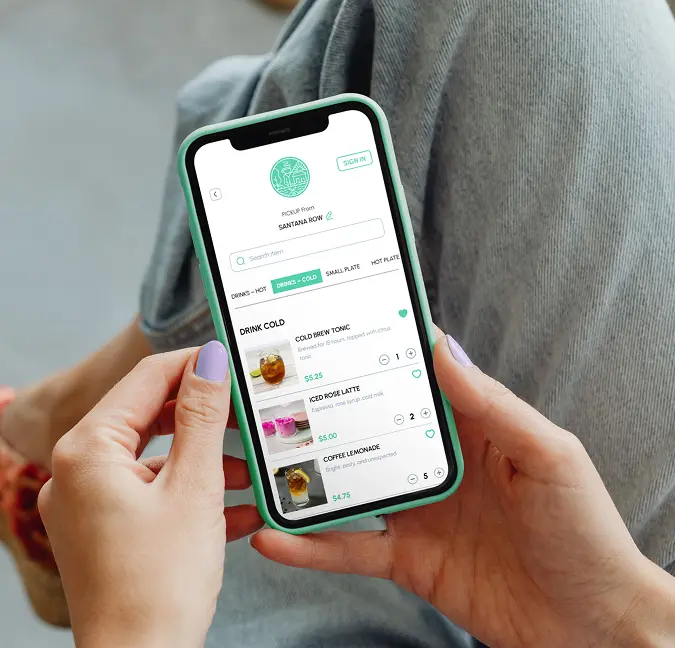
- Interactive digital menus with beverage images and descriptions
- Automated upselling prompts suggesting beverage additions to food orders
- QR code menus enabling tableside ordering without server intervention
- Mobile apps with loyalty programs incentivizing beverage purchases
Learn how to increase revenue using restaurant ordering apps with our detailed strategies.
Benefits of Using Restolabs for Beverage Sales
Restolabs offers specialized solutions for restaurants looking to optimize their beverage sales:
- Customizable digital menus highlighting high-margin beverages
- Integrated upselling features suggesting beverage pairings with food items
- Data analytics providing insights into beverage purchasing patterns
- Streamlined ordering processes reducing wait times and increasing table turnover
- Loyalty program integration encouraging repeat visits and increased spending
Explore how to leverage the off-premise dining boom to boost beverage sales with takeout and delivery orders.
Growing Beverage Sales Beyond the Dining Room
Beverage demand often drops the moment a guest switches from dine-in to takeout. The problem is usually not preference. It is friction. When drinks are buried low on an online menu or shown without context, customers head straight to checkout. Restaurants that place beverages near entrees, combos, and family meals give those items a real chance to travel with the order.
The strongest off-premise beverage offers are built for convenience, not just variety. Sealed packaging, clearly labeled sizes, and options designed for group orders make the choice feel practical. A single soda can look optional; a bundle with drinks for the table looks planned. That difference matters because online customers scan fast, and practical choices win faster than aspirational ones.
Digital ordering tools can reinforce those moments without making the menu feel crowded. Restolabs helps restaurants surface beverages where buying intent is already high, from shared menu links to streamlined ordering flows. When operators want a cleaner path from food selection to drink add-ons, Restolabs gives them a simpler setup to test and refine. Book a Demo
Conclusion: Transform Your Beverage Program for Increased Profitability
Increasing beverage sales in your restaurant requires a comprehensive approach that combines menu engineering, staff training, marketing innovation, experience creation, and technology integration. By implementing the strategies outlined in this guide, you can significantly enhance your beverage revenue while simultaneously improving customer satisfaction and building competitive advantages.
Remember these key takeaways:
- Understand your market and customer preferences to create targeted beverage offerings
- Engineer your menu to highlight high-margin items and create seasonal excitement
- Implement effective marketing strategies including happy hours and social media campaigns
- Train staff in suggestive selling techniques and product knowledge
- Create memorable experiences through events, presentation, and atmosphere
- Leverage technology to streamline operations and gather actionable data
Ready to take your restaurant's beverage sales to the next level? Book a Demo with Restolabs today to discover how our comprehensive restaurant technology solutions can help you implement these strategies efficiently and effectively.
For more restaurant promotion tactics that keep customers coming back, check out our detailed guide.

Sruthi Sekar specializes in brand strategy, growth, and user experience in the hospitality industry. As the driving force behind Restolabs, she helps restaurants harness technology to scale and thrive. With a background in design, branding, and entrepreneurship, she brings a sharp focus on crafting digital experiences that drive real business impact.
Frequently Asked Questions
During peak hours, focus on efficiency and visibility. Train servers to suggest signature cocktails or house wines as soon as guests are seated. Place table tents highlighting high-margin beverages on each table. Prepare batched cocktails in advance to speed up service. Create a separate service station for drinks only to reduce wait times. Also, implement a "drink of the night" special that servers can quickly suggest to indecisive customers.
Create visually appealing content showcasing your beverages with professional photography or short videos demonstrating preparation. Use Instagram Stories and Reels to highlight limited-time offers and behind-the-scenes content. Implement hashtag campaigns encouraging customers to share photos of your signature drinks. Partner with local influencers for wider reach. Schedule posts during peak hunger/thirst hours (lunch, happy hour, dinner) when people are most receptive to food and beverage content. Use targeted ads to reach potential customers within your geographic area.
Staff training is crucial for beverage sales success. Well-trained staff can confidently describe flavors, ingredients, and preparation methods, making recommendations more persuasive. Training should include product knowledge, tasting sessions, pairing principles, and suggestive selling techniques. Staff should understand the profit margins of different beverages to prioritize high-margin items. Regular pre-shift meetings to discuss featured beverages and sales goals keep the team focused. Implementing incentive programs for top beverage sellers can further motivate staff to actively promote drinks.
Technology solutions provide valuable data insights and streamline operations. POS systems track beverage sales patterns, identifying bestsellers and underperforming items. Inventory management software reduces waste and ensures popular items remain in stock. Digital menus with appealing images increase beverage visibility. Online ordering platforms can be programmed to suggest beverage pairings with food items. Customer relationship management (CRM) systems track individual preferences, enabling personalized recommendations. Mobile apps with loyalty programs incentivize repeat beverage purchases and provide direct marketing channels.
Seasonal and limited-time beverages create multiple benefits for restaurants. They generate excitement and urgency, encouraging customers to visit before offerings disappear. These special items provide fresh content for social media and marketing campaigns. Seasonal ingredients are often at peak flavor and lower cost when in season. Limited-time offers allow for testing new concepts without long-term commitment. They also attract media attention and differentiate your restaurant from competitors. Additionally, seasonal beverages align with customer expectations and environmental conditions, such as refreshing drinks in summer and warming options in winter.




.webp)

.svg)
.webp)