
Key Takeaways
- Contactless Ordering: QR code menus offer a hygienic, contactless ordering experience, eliminating the need for physical menus and reducing the risk of spreading germs.
- Instant Menu Updates: Digital menus can be updated in real-time, allowing restaurants to quickly change prices, add new items, or remove out-of-stock dishes without printing new menus.
- Increased Efficiency: Customers can browse, order, and pay directly from their smartphones, reducing wait times and increasing table turnover, leading to higher revenue.
- Upselling Opportunities: QR menus make upselling easy by suggesting complementary items or upgrades based on the customer's selections, potentially increasing average order value.
- Cost Savings and Sustainability: QR code menus eliminate the need for printed menus, saving money on printing and promoting sustainability by reducing paper waste.
Contactless dining has become an integral part of the restaurant industry today. As technology trends come and go, contactless dining looks like it’s going to change the restaurant experience as we know it.
While it might have seemed futuristic in the past, QR menu ordering is being embraced by cafes, restaurants, and bars all over the world today. A Quick Response Code or a QR code allows customers to access your digital menu in one split second. Forget servers rushing about to hand menus to walk-in customers, QR menus make the ordering process much more optimized.
What is a QR Code Menu?
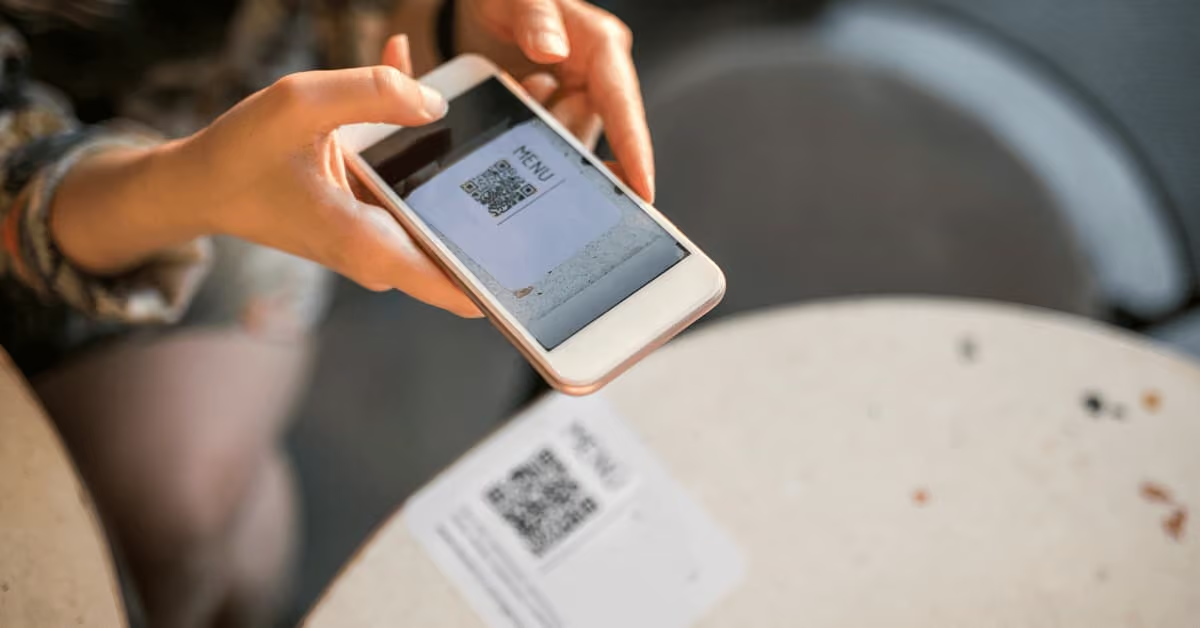
A QR code menu is a digital restaurant menu that customers access by scanning a square-shaped barcode (Quick Response code) with their smartphone camera. When scanned, this code instantly directs diners to your online menu page, eliminating the need for physical paper menus.
The shift from traditional printed menus to these digital systems represents a significant evolution in dining technology. Instead of handing guests paper menus that require constant handling and sanitization, restaurants now display QR codes at tables or counters. When customers scan the code using their smartphone's built-in camera, your complete menu appears instantly on their device.
QR code menus serve multiple purposes: they provide easy access to digital menus, enable contactless ordering experiences, and allow you to make instant updates to menu items, prices, and promotions. Many QR menu systems also integrate with ordering and payment platforms, allowing customers to browse, order, and pay directly from their smartphones.

How QR Code Menus Work: A Step-by-Step Guide
Setting up a QR code menu system for your restaurant is simpler than you might think. Here's a comprehensive guide to get you started:
Step 1: Create a Digital Menu
The foundation of your QR code menu system begins with creating a customizable digital menu. This digital version should include high-quality images, detailed descriptions, and accurate prices to enhance the dining experience. Unlike static printed menus, digital menus can feature multiple formats-promotional menus offering discounts and loyalty rewards, specialty menus for brunch or cocktails, or contactless ordering menus integrated with payment systems.
Step 2: Generate a QR Code
Once your digital menu is created, you'll need to generate a unique QR code that links to it. Tools like Restolabs, MenuTiger, or Square can create these codes easily. The QR code essentially serves as a digital bridge between your physical restaurant space and the online menu. Most restaurant ordering systems offer built-in QR code generation as part of their service package.
Step 3: Print and Display the QR Code
Print your QR code and display it at strategic locations throughout your restaurant-on table tents, menu stands, at the entrance, or counters where customers can easily access it. The code remains permanent while your digital content updates in real-time behind the scenes. For best results, ensure the code is at least 2x2 inches in size and includes clear instructions like "Scan for Menu."
Step 4: Customer Scans the Code
Customers use their smartphone camera to scan the QR code at their table or your restaurant entrance. The built-in camera app on most modern phones automatically recognizes the code without requiring a separate app. This contactless interaction eliminates the need to handle physical menus that have been touched by multiple customers.
Step 5: Menu Loads Instantly
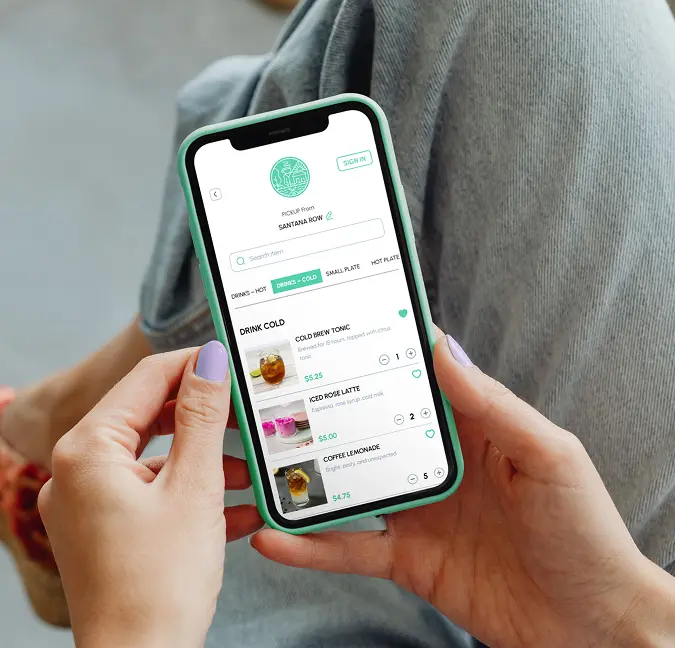
The menu displays immediately on the customer's phone screen. This instant loading provides quick and efficient menu browsing using the customer's own device. Your digital menu should be mobile-responsive, ensuring it displays properly regardless of the device used to view it.
Step 6: Order and Pay (Optional Integration)
If your QR code menu integrates with an ordering and payment system like Restolabs' QR code ordering system, customers can place orders and pay directly from their smartphones. Orders send automatically to the kitchen, reducing miscommunication and speeding up service. This streamlined process means customers can order as soon as they're seated, without waiting for a server, creating a more efficient dining experience overall.
In this article, we’re going to look at the top 10 reasons you need to implement QR Menu ordering in your restaurant:
High Order Value
Upselling is one of the most effective ways to increase average order values, and this is a well-known fact in the hospitality industry. However, when it comes to upselling face to face with a customer, things can get a little awkward. Sometimes, it might lead to a customer feeling pressured or even overwhelmed. But this is where QR Menu Ordering comes in- for starters, upselling is extremely easy online and the customer doesn't feel any kind of stress about opting for it or not. Next, you also have the option of offering upsells based on a customers' order history. Naturally, this increases the probability of a higher order value. Combining upselling with thoughtful menu engineering techniques, such as strategically placed combo meals and bundled offers, can further increase average check sizes while making ordering easier for customers.
Digital menus can automatically suggest complementary items like drinks or desserts, or offer meal upgrades based on what the customer has already selected. Some restaurants report up to 60% higher average order value (AOV) with digital ordering and upselling prompts. For example, a burger restaurant might automatically suggest adding cheese, bacon, or upgrading to a combo meal when a customer selects a basic burger.
Additionally, QR menus can implement strategic pricing psychology techniques more effectively than servers can. Placing premium items at the beginning of digital categories creates an anchor effect that makes other items seem more reasonably priced by comparison, subtly encouraging higher spending without pressure.
Minimal Contact for Employees
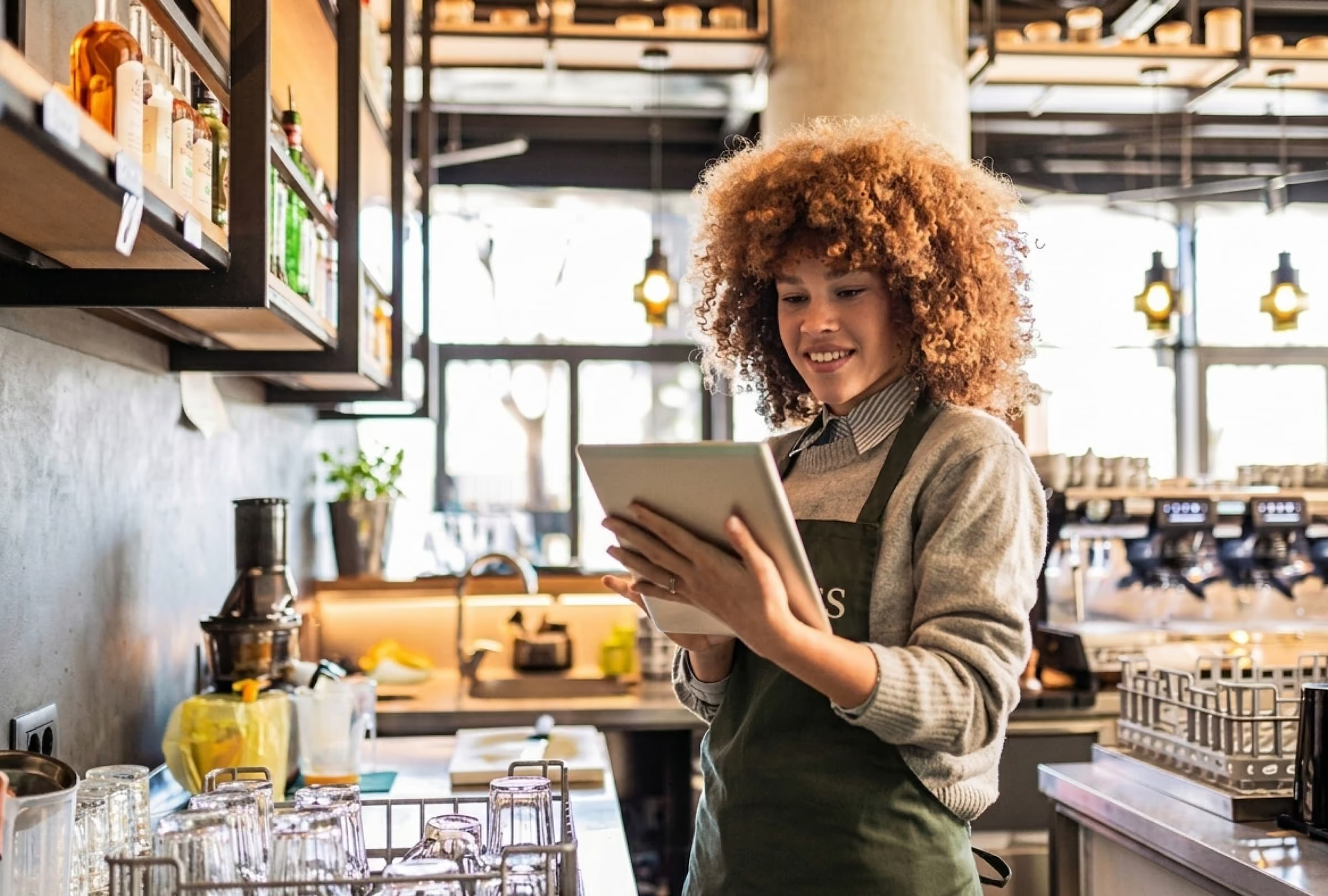
In light of the pandemic, it's become clear that employee safety is of utmost concern. With QR menu ordering, you get to minimize human contact between customers and employees to a large extent. Instead of running from table to table and jotting down orders, they're free to focus on other restaurant activities as customers order through their phones. If you want to go one step further, you could also set up a collection point or order pickup zone where customers can collect their orders on their own, instead of servers taking food to them.
This reduced contact not only promotes better hygiene in restaurants by minimizing shared surface contact, but also creates a safer working environment for your staff. Employees appreciate these safety measures, which can lead to higher staff retention rates-a significant advantage during industry-wide labor shortages.
Many restaurants have found that contactless ordering actually enhances hospitality rather than diminishing it. When servers aren't busy taking orders and processing payments, they can focus on creating meaningful guest interactions, answering questions about menu items, and ensuring overall satisfaction.
Effective Imagery
Enticing images of food that can make your mouth water instantly serve as great marketing tools. Physical menus are limited in space and it's not feasible to have images of every food item. But with a digital menu, you're free to include beautiful pictures of as many food items as you like. Naturally, these pictures are bound to look even more appetizing on a screen as opposed to on paper.
Research shows that menu items with images sell up to 30% more than those without visual representation. Digital menus allow you to showcase high-resolution, professionally shot photos of every dish, highlighting texture, presentation, and portion size. This visual merchandising helps customers make decisions more confidently and increases their likelihood of trying new items.
Beyond static images, advanced QR menu systems can incorporate video content showing food preparation or 360° views of signature dishes. This multimedia approach to menu presentation creates a more immersive dining experience that traditional paper menus simply cannot match, driving both customer engagement and sales.
Highly Economical
Using printed menus is synonymous with high printing costs. This includes different kinds of ink, lamination, printing charges, and so on. And in the scenario that you want to edit prices, add or drop items, it can be quite a nightmare to print more menus. This is expensive but also far from eco-friendly. With QR menu ordering, updating your menu is a breeze and can be done free of cost, as frequently as you like.
The cost savings extend beyond just printing expenses. For multi-location restaurants, QR menus eliminate the logistical challenges of distributing updated physical menus across all establishments. When price changes or menu updates are needed, they can be implemented instantly across all locations with just a few clicks, ensuring pricing consistency and current offerings everywhere.
Consider the environmental impact as well: a medium-sized restaurant with 20 tables might print 500+ menus annually when accounting for replacements and seasonal updates. QR code menus eliminate this paper waste entirely, supporting sustainability initiatives and appealing to environmentally conscious consumers. Many restaurants highlight this eco-friendly aspect in their marketing materials to strengthen their brand image.
Quicker Table Turnover
One of the prime difficulties faced by restaurants is serving the maximum number of customers as quickly as possible, without making the dining experience feel rushed. QR Menu Ordering makes this much easier. Customers no longer have to wait for extended periods of time, trying to catch a server's eye to place their order. Instead, ordering can be done as soon as they're seated.
Studies show that QR ordering can reduce average table occupancy time by 15-20 minutes per party. This efficiency comes from eliminating several time-consuming steps in the traditional dining process: waiting for menus, waiting for servers to take orders, waiting for the bill, and waiting for payment processing. With digital ordering and payment, these delays disappear.
For high-volume restaurants, especially during peak hours, this increased table turnover directly translates to higher revenue. A restaurant that can serve just two additional parties per table each day could see revenue increases of 15-25% without any change in menu pricing or additional marketing expenses. The efficiency of QR menus creates a win-win situation where customers enjoy faster service while restaurants maximize their seating capacity.
Data Collection
When a customer uses QR Menu Ordering, he has to submit his phone number or email address as part of the process. This data can be recorded in your online ordering system and can be used for any future marketing. Additionally, you can build a more accurate customer profile with more and more orders based on customer data that you've collected, such as order timings, preferences, and so on. In the long run, this can help you increase sales.
The analytics capabilities of QR menu systems go far beyond basic contact information. Advanced platforms provide insights into which menu items are most frequently viewed versus purchased, how long customers spend reviewing different menu categories, and which promotions drive the most conversions. This behavioral data helps optimize menu design and pricing strategy based on actual customer interactions.
With proper integration, QR systems can also enable sophisticated loyalty programs that track customer visits and purchases automatically. For example, a coffee shop might automatically apply a discount after a customer's tenth purchase, or a restaurant could send personalized birthday offers based on collected data. This data-driven approach to customer relationship management builds loyalty while providing valuable marketing intelligence that paper menus simply cannot generate.
Easy Ordering
In the traditional dining experience, it's common for customers to share the same physical menus, discuss what they'd like to eat while flipping every page, and then finally place their order. The main disadvantage here is that as menus are passed around a table, there's a lot more contact than necessary. QR codes allow customers to skip this physical contact entirely and place orders in a span of seconds from their own phones.
The convenience extends beyond just hygiene benefits. With individual access to the menu on their personal devices, each diner at a table can browse at their own pace without feeling rushed. Large groups particularly benefit, as everyone can view the menu simultaneously rather than waiting for physical menus to be passed around.
Digital menus also eliminate language barriers through built-in translation features. International tourists or non-native speakers can instantly view your menu in their preferred language, making ordering accessible to a broader customer base. This inclusivity improves the dining experience for international visitors and can significantly increase ordering confidence for those who might otherwise struggle with menu terminology.
A More Efficient Menu
With digital ordering, you can play around with your menu and find the most user-friendly theme and layout possible. If you want to promote a certain new menu item or a seasonal beverage, you can place it front and center in the menu with just a couple of clicks. When you're running low on certain foods, you can easily remove them from the menu as well. It's also much easier to highlight separate breakfast and lunch menus.
Menu efficiency goes beyond just layout flexibility. Digital menus allow for dynamic pricing strategies that would be impractical with printed menus. For instance, you can implement automatic happy hour pricing that activates and deactivates at specific times, or create special weekend brunch menus that only appear during relevant hours. This automation ensures pricing accuracy and eliminates the need for servers to remember complex promotional rules.
QR menus also enable A/B testing of different menu designs and item placements to determine which configuration generates the highest sales. By analyzing which layouts drive more orders of high-margin items, you can continuously optimize your menu for profitability. This data-driven approach to menu engineering represents a significant competitive advantage over restaurants using static printed menus.
Seamless Customer Experience
QR Menu Ordering is a relatively simple concept but you'd be amazed at how much it ramps up the customer experience. It simplifies the dining process greatly-all the way from ordering to payment. And the best part? There's hardly any scope of error. Your staff also gets the liberty to devote their time and energy to other restaurant processes.
The seamless experience begins the moment customers sit down. Instead of waiting for service, they can immediately browse the menu, place orders, and even pay-all on their own schedule. This self-directed dining experience appeals particularly to younger demographics who prefer digital interactions and minimal wait times.
For regular customers, QR systems can remember previous orders and preferences, allowing for one-click reordering of favorite items. Some advanced systems even integrate with reservation platforms to recognize returning guests and personalize their experience with custom welcome messages or special offers. This level of personalization creates memorable dining experiences that drive customer loyalty and positive reviews.
Higher Scope for Promotion
Whether you're putting a sticker of the QR code on a restaurant table, or printing out a flyer, you could always put forward a prompt to download your restaurant's app as well. Given that a customer will already have his or her phone in hand, downloading the app is much more likely. You could also include links to your social media profiles, or snippets of your Instagram grid. In this way, it becomes easy to promote your restaurant on different platforms.
Digital menus create powerful cross-promotion opportunities that printed menus cannot match. You can embed links to upcoming events, catering services, or merchandise sales directly within the menu interface. For restaurant groups, QR menus can promote sister locations or highlight chef specialties across different venues, encouraging customers to explore your broader brand ecosystem.
The promotional capabilities extend to partnerships as well. Many restaurants use their digital menu platform to promote local suppliers, feature the stories behind signature ingredients, or highlight sustainability initiatives. This storytelling aspect creates emotional connections with customers while differentiating your brand in a competitive market. With contactless ordering and delivery options, your promotional reach extends well beyond your physical location.
At Restolabs, we can set up a seamless and effective QR Menu Ordering process for your restaurant. Our contactless dining solution features can be enabled easily and are sure to impress all your customers with an elevated dining experience. Book a demo

Bharti Batra has extensive experience in restaurant technology and business operations. She writes about digital transformation in the hospitality industry, helping restaurants streamline processes and enhance efficiency. With a deep understanding of scaling and optimizing restaurant tech, she shares insights to help businesses grow.
Frequently Asked Questions
Yes, QR code menus from reputable providers are secure. However, it's important to use trusted QR code generators and menu platforms. Static QR codes that simply link to a menu webpage are generally very safe. For added security, restaurants should generate codes through established restaurant technology providers rather than free online generators, and regularly check that their QR codes haven't been tampered with or replaced.
While customers can use their own mobile data to access QR code menus, providing reliable WiFi significantly improves the experience. Many customers prefer not to use their data plans while dining, and some may have limited data. A strong WiFi network ensures all customers can access your menu quickly and without frustration. For restaurants implementing ordering and payment through QR codes, reliable WiFi becomes even more essential to prevent order failures or payment processing issues.
Always maintain a small supply of traditional printed menus for customers who prefer them or don't have smartphones. Train your staff to politely offer assistance with scanning QR codes when they notice customers struggling. Consider adding simple, visual instructions next to your QR codes showing the basic steps to scan. Some restaurants also provide tablets pre-loaded with the digital menu that servers can offer to customers who need assistance, combining the benefits of digital menus with a familiar device interface.
Yes, many QR code menu systems offer integration with popular POS systems. The level of integration varies by provider, ranging from basic menu synchronization to full order and payment processing. When selecting a QR menu solution, verify compatibility with your specific POS system and determine which features are supported. Full integration allows orders placed through QR codes to appear directly in your POS, streamlining operations and reducing the need for staff to manually enter orders. Restolabs offers integration with many popular POS systems, creating a seamless workflow between digital ordering and your existing operations.

.jpg)
.jpg)
.jpg)




.webp)

.svg)
.webp)