

.avif)
Key Takeaways
Guests search for ambiance, chef expertise, tasting menus, and special occasions—not just food—requiring premium keyword strategies.
Optimizing Google Business Profile, reviews, and location-based keywords helps fine dining restaurants capture high-intent diners.
Professional imagery, refined content, and consistent listings reinforce exclusivity and trust in search results.
Menu descriptions, chef stories, wine programs, and private dining pages improve visibility while matching guest expectations.
Seamless mobile experiences for reservations and browsing are critical, as most fine dining discovery starts on smartphones.
In today's competitive food industry, specialty food trucks face unique challenges when it comes to attracting customers. While your gourmet offerings might be exceptional, without proper online visibility, potential customers may never discover your culinary creations. This comprehensive guide explores effective SEO strategies specifically tailored for specialty food trucks, helping you enhance your digital presence and drive more foot traffic to your mobile business.
Understanding the Importance of SEO for Specialty Food Trucks
Why SEO Matters in the Food Truck Industry
The food truck industry has experienced remarkable growth in recent years, with specialty food trucks offering unique cuisines and gourmet experiences gaining particular popularity. However, this growth has also led to increased competition, making it essential for specialty food truck owners to leverage digital marketing strategies like SEO to stand out.
Search Engine Optimization (SEO) is crucial for specialty food trucks because it helps your business appear in local search results when potential customers are actively looking for dining options. According to recent studies, 76% of people who search for something nearby on their smartphone visit a related business within a day, and 28% of these searches result in a purchase. For food trucks with changing locations, strong SEO is particularly important as it helps maintain visibility regardless of where you're parked.
Unique SEO Challenges for Specialty Food Trucks
Specialty food trucks face distinct SEO challenges compared to traditional restaurants:
Mobile locations: Unlike brick-and-mortar establishments, food trucks change locations regularly, making it difficult to maintain consistent local SEO signals.
Limited resources: Many specialty food truck operators have constrained marketing budgets and limited time to dedicate to SEO efforts.
Specialty focus: While your unique cuisine is a differentiator, it may mean competing for niche keywords with lower search volume.
Seasonal fluctuations: Many food trucks experience seasonal business changes, requiring adaptive SEO strategies throughout the year.
Optimize Your Google Business Profile
Setting Up and Verifying Your Profile
Your Google Business Profile (formerly Google My Business) serves as the foundation of your local SEO strategy. For specialty food trucks, this profile is particularly valuable as it helps customers find you regardless of your changing locations.
To set up an effective Google Business Profile:
Choose the right business category: Select "Food Truck" as your primary category, but also consider adding a secondary category that reflects your specialty (e.g., "Mexican Restaurant" for a Mexican fusion food truck).
Add service areas: Since food trucks operate in multiple locations, add all neighborhoods and areas you regularly serve.
Upload high-quality images: Include photos of your food truck, signature dishes, and happy customers. Food trucks with compelling images receive significantly more engagement.
Create posts regularly: Use the posts feature to share your weekly schedule, special menu items, and promotions. This keeps your profile active and informs customers about your current location.
Add attributes: Highlight special features like "outdoor seating," "vegetarian options," or "accepts credit cards" to help your profile stand out.
Leveraging Customer Reviews for Better Visibility
Reviews play a crucial role in both your search rankings and customer decision-making. For specialty food trucks, positive reviews can significantly impact your visibility and credibility.
To maximize the impact of reviews:
Actively request reviews: Create a simple process for satisfied customers to leave reviews, such as including a QR code on receipts or napkins that links directly to your review page.
Respond to all reviews: Whether positive or negative, responding to reviews shows that you value customer feedback and are actively engaged with your audience.
Highlight specialty offerings: Encourage customers to mention specific dishes or unique aspects of your food truck in their reviews, as this creates valuable keyword-rich content.
Address negative feedback: If you receive a negative review, respond professionally and outline steps you're taking to address the concern. This demonstrates your commitment to customer satisfaction.
Keyword Strategy for Specialty Food Trucks
Identifying Niche Keywords
Effective SEO for specialty food trucks begins with identifying the right keywords-terms that potential customers use when searching for your unique offerings. While general terms like "food truck" have high search volume, they also face intense competition. Instead, focus on niche keywords that reflect your specialty and location.
Start by brainstorming keywords related to:
Your cuisine specialty: "Korean fusion food truck," "gourmet grilled cheese truck," "vegan taco truck"
Your location(s): Include neighborhoods, districts, and landmarks where you regularly park
Special dietary options: "gluten-free food truck," "organic food truck," "keto-friendly meals"
Signature dishes: "best lobster roll food truck," "authentic pho food truck"
Examples of Long-Tail Keywords for Specialty Foods
Long-tail keywords-longer, more specific phrases-often convert better because they capture users with specific intent. For specialty food trucks, consider long-tail keywords like:
"Korean fusion food truck downtown Seattle"
"Organic vegan food truck near farmers market"
"Gluten-free Mediterranean food truck catering"
"Authentic Thai street food truck events"
"Gourmet grilled cheese food truck for private parties"
Implementing Keywords on Your Website
Once you've identified your target keywords, strategically implement them across your website:
Best Practices for Keyword Placement
Page titles: Include your primary keyword in the title of each page (e.g., "Award-Winning Korean Fusion Food Truck | Seattle")
Headers: Use H1, H2, and H3 tags with relevant keywords to structure your content
URL structure: Create clean URLs that include keywords (e.g., yourfoodtruck.com/korean-fusion-menu)
Meta descriptions: Write compelling meta descriptions that include keywords and encourage clicks
Image alt text: Add descriptive alt text to images that includes relevant keywords
Content: Naturally incorporate keywords throughout your website content, especially in the first 100 words of important pages
Remember that keyword stuffing-the practice of excessively using keywords-can harm your rankings. Always prioritize creating valuable, readable content for your visitors.
Content Marketing: Engaging Your Audience
Blogging for Specialty Food Trucks
A blog is a powerful tool for specialty food trucks to improve SEO while engaging with customers. Regular blog posts create fresh content for search engines to index and provide opportunities to rank for additional keywords.
Effective blog topics for specialty food trucks include:
Behind-the-scenes stories: Share the inspiration behind your specialty cuisine or how you source unique ingredients
Chef profiles: Highlight the expertise and passion of your culinary team
Recipe adaptations: Offer simplified versions of your signature dishes that customers can try at home
Food truck journey: Document your experiences at different locations and events
Seasonal specials: Announce and explain new menu items or limited-time offerings
When creating blog content, aim for posts that are at least 500 words and include relevant keywords naturally throughout the text. Include high-quality images with proper alt text, and end each post with a call-to-action that encourages readers to visit your food truck or follow your schedule.
Social Media Strategies
Promoting Content on Social Platforms
Social media is essential for specialty food trucks to amplify their SEO efforts and build community. While social signals aren't direct ranking factors, they increase brand visibility and drive traffic to your website.
For effective social media marketing:
Choose the right platforms: Focus on visual platforms like Instagram and TikTok for food content, and use Facebook for community engagement and event announcements
Maintain consistent branding: Use your specialty food truck's unique visual identity across all platforms
Share location updates: Post your schedule regularly so followers know where to find you
Highlight your specialty: Showcase what makes your food truck unique through high-quality photos and videos
Use hashtags strategically: Research and use relevant hashtags that combine your specialty cuisine with local terms
Encouraging User-Generated Content
User-generated content (UGC) is particularly valuable for specialty food trucks as it creates authentic social proof and expands your digital footprint.
To encourage UGC:
Create a branded hashtag: Develop a unique hashtag for your food truck and encourage customers to use it when posting photos
Run photo contests: Offer incentives for customers who share creative photos of your food
Feature customer content: Regularly repost customer photos and testimonials (with permission)
Create Instagram-worthy moments: Design your food presentation and truck aesthetics to be photogenic and shareable
User-generated content not only improves your social media presence but also creates valuable backlinks and mentions that can positively impact your SEO.
Local SEO Tactics for Specialty Food Trucks
Listing on Local Directories
For specialty food trucks, being listed in relevant directories is crucial for digital marketing success. These listings create citations-mentions of your business name, address, and phone number (NAP)-that strengthen your local SEO.
Key directories for specialty food trucks include:
General business directories: Yelp, Yellow Pages, and Foursquare
Food-specific platforms: TripAdvisor, Zomato, and OpenTable
Food truck-specific directories: Roaming Hunger, Street Food Finder, and Food Truck Finder
Local business associations: Chamber of Commerce and neighborhood business groups
When creating directory listings, ensure your NAP information is consistent across all platforms. For food trucks, also include information about your regular locations, service areas, and how customers can find your current location (e.g., through social media or a tracking app).
Optimizing for Google Maps
Google Maps visibility is particularly important for specialty food trucks since customers often search for nearby dining options while on the go.
To optimize for Google Maps:
Verify your Google Business Profile: This is the foundation of your Maps presence
Add photos with geotags: Upload images from different locations where you operate
Update your location regularly: Use Google Posts to share your current location and schedule
Encourage check-ins: Ask customers to check in on Google Maps when they visit your food truck
Respond to Q&A: Monitor and answer questions in the Google Maps Q&A section
Gaining Local Backlinks
Backlinks from local websites signal to search engines that your specialty food truck is an established part of the community. These links improve your domain authority and help you rank higher in local searches.
Effective strategies for gaining local backlinks include:
Participate in local events: Food festivals, farmers markets, and community gatherings often list participating vendors on their websites
Partner with local businesses: Create collaborations with breweries, coffee shops, or offices where you regularly park
Engage with food bloggers: Invite local food bloggers to try your specialty offerings in exchange for honest reviews
Support community causes: Sponsor local events or charities to earn mentions on their websites
Create newsworthy content: Develop unique stories about your specialty food truck that local news outlets might cover
Mobile Optimization
Ensuring a Mobile-Friendly Website
For specialty food trucks, having a mobile-optimized website is non-negotiable. Most of your potential customers will search for food options on their smartphones, especially when looking for nearby dining options.
Key elements of mobile optimization include:
Responsive design: Ensure your website automatically adjusts to different screen sizes
Fast loading speed: Optimize images and minimize code to ensure quick loading on mobile networks
Simplified navigation: Create easy-to-use menus that work well on touchscreens
Prominent contact information: Make your phone number clickable for easy calling
Location information: Include an embedded Google Map that shows your current or regular locations
Google's Mobile-Friendly Test tool can help you identify areas for improvement on your website. Mobile optimization not only improves user experience but is also a direct ranking factor for search engines.
Enhancing User Experience on Mobile Devices
Beyond basic mobile optimization, specialty food trucks should focus on creating an exceptional mobile user experience that converts visitors into customers.
Consider implementing:
Click-to-call buttons: Allow customers to contact you with one tap
Online ordering capability: If applicable, enable mobile ordering for pickup
Location tracker: Integrate a real-time tracker so customers can find your current location
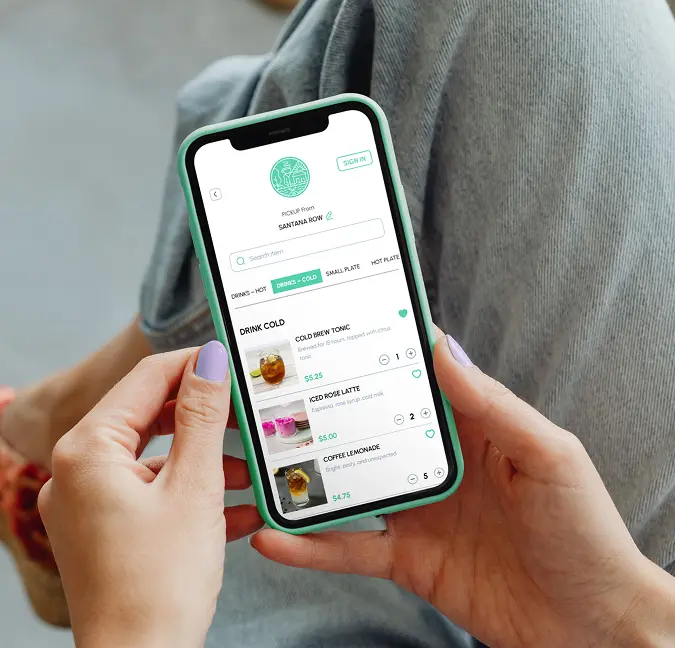
Mobile-friendly menu: Create a menu that's easy to read and navigate on small screens
Quick-loading gallery: Showcase your specialty dishes with an optimized photo gallery
Remember that mobile users often have different intentions than desktop users-they're frequently looking for immediate information about location, hours, and menu options. Prioritize this information in your mobile design.
Advanced SEO Techniques
Schema Markup for Specialty Foods
Schema markup is a type of structured data that helps search engines understand the content of your website. For specialty food trucks, implementing schema markup can improve how your business appears in search results and potentially earn rich snippets.
Relevant schema types for specialty food trucks include:
FoodEstablishment and FoodTruck: Identifies your business as a food service provider
Menu: Structures your menu items, descriptions, and prices
OpeningHoursSpecification: Communicates your operating hours at different locations
Event: Highlights special events or regular appearances
Review: Showcases customer testimonials and ratings
Implementing schema markup requires some technical knowledge, but the benefits are substantial. Rich results with star ratings, price ranges, and availability information can significantly improve your click-through rates from search results.
Voice Search Optimization
As voice search continues to grow in popularity, optimizing for voice queries is increasingly important for specialty food trucks. Voice searches tend to be more conversational and question-based than typed searches.
To optimize for voice search:
Target conversational keywords: Focus on natural language phrases like "Where can I find Korean fusion food near me?"
Create FAQ content: Answer common questions about your specialty food truck, hours, and offerings
Optimize for local searches: Voice searches often include "near me" or specific neighborhood names
Improve page speed: Voice search results typically come from fast-loading pages
Use structured data: Implement schema markup to help voice assistants understand your content
Voice search optimization is particularly valuable for capturing customers who are searching while driving or walking-exactly the type of on-the-go customers that food trucks serve.
Measuring SEO Success
Tracking Metrics and Analytics
To ensure your SEO efforts are effective, it's essential to track relevant metrics that indicate progress. For specialty food trucks, focus on metrics that directly relate to your business goals.
Key metrics to monitor include:
Local search rankings: Track how your food truck ranks for target keywords in your service areas
Website traffic: Monitor overall traffic as well as traffic from organic search
Conversion actions: Track actions like menu views, direction requests, phone calls, and online orders
Customer acquisition cost: Calculate how much you're spending on SEO relative to new customers gained
Review quantity and quality: Monitor the number and sentiment of reviews across platforms
Establish baseline measurements before implementing new SEO strategies, then track changes over time to identify what's working and what needs adjustment.
Using Tools Like Google Analytics
Several tools can help specialty food truck owners monitor and improve their SEO performance:
Google Analytics: Track website traffic, user behavior, and conversion actions
Google Search Console: Monitor search performance, identify technical issues, and understand how Google sees your site
Google Business Profile Insights: See how customers find your profile and what actions they take
Local SEO tools: Services like Moz Local or BrightLocal can help track local rankings and citations
Social media analytics: Most platforms offer insights into post performance and audience engagement
For specialty food trucks with limited resources, focus on the free tools first (Google Analytics, Search Console, and Business Profile Insights) before investing in paid solutions. Even basic analytics can provide valuable insights to guide your SEO strategy.
Conclusion: Elevate Your Specialty Food Truck with Restolabs
How Restolabs Can Help Improve Your SEO
Implementing effective SEO strategies is essential for specialty food trucks looking to stand out in a competitive market. By optimizing your Google Business Profile, targeting niche keywords, creating engaging content, implementing local SEO tactics, ensuring mobile-friendliness, and tracking your results, you can significantly enhance your online visibility and attract more customers to your unique culinary offerings.
Restolabs offers specialized solutions for food service businesses, including specialty food trucks, that can complement your SEO efforts. Our platform helps you create a seamless online ordering experience, manage customer data effectively, and build a stronger digital presence-all of which contribute to better search engine rankings and increased customer engagement.
With Restolabs, you can:
Create a mobile-optimized ordering system that integrates with your website
Collect valuable customer data to inform your marketing strategies
Implement structured menu data that improves your SEO
Streamline operations so you can focus more on marketing your specialty food truck
Book a Demo to Discover More
Ready to take your specialty food truck's online presence to the next level? Book a Demo with Restolabs today to discover how our restaurant technology solutions can help you attract more customers, streamline operations, and increase profits.
By combining effective SEO strategies with Restolabs' innovative technology solutions, your specialty food truck can achieve greater visibility, attract more customers, and build a loyal following that appreciates your unique culinary offerings.

Sruthi Sekar specializes in brand strategy, growth, and user experience in the hospitality industry. As the driving force behind Restolabs, she helps restaurants harness technology to scale and thrive. With a background in design, branding, and entrepreneurship, she brings a sharp focus on crafting digital experiences that drive real business impact.
Frequently Asked Questions
The most effective SEO strategies for specialty food trucks include optimizing your Google Business Profile with accurate information and regular updates about your changing locations, implementing local SEO tactics like citation building and local keyword targeting, creating mobile-friendly websites with structured data, developing content that highlights your unique offerings, and actively managing your online reputation through reviews. Since specialty food trucks operate in specific geographic areas and offer unique cuisines, focusing on niche, location-specific keywords and building a strong presence in local search results typically yields the best results. Consistency across all online platforms and regular updates about your location and menu are particularly important for mobile food businesses.
Specialty food trucks can optimize their Google Business Profile by selecting appropriate primary and secondary categories (e.g., "Food Truck" and your cuisine specialty), adding all service areas where you regularly operate, uploading high-quality photos of your truck and signature dishes, creating weekly posts with your schedule and current locations, responding promptly to all reviews, and using the Q&A section to address common customer questions. For food trucks with changing locations, it's crucial to regularly update your profile with current information and use the posts feature to announce where you'll be parked each day. Additionally, encourage customers to leave reviews that mention specific dishes and locations, as this creates valuable keyword-rich content that improves your local search visibility.
Content marketing plays a crucial role in building a compelling online presence and improving SEO for specialty food trucks by creating opportunities to rank for additional keywords, establishing expertise in your culinary niche, and providing valuable information that attracts and engages potential customers. Effective content strategies include maintaining a blog with posts about your specialty cuisine, ingredient sourcing, chef stories, and food truck journey; creating video content showcasing your food preparation; developing location-specific content about the neighborhoods you serve; and encouraging user-generated content through social media engagement. Content marketing also creates opportunities for earning backlinks when other websites reference your unique content, which significantly improves domain authority and search rankings.
You can measure the success of your SEO efforts by tracking several key metrics: organic search traffic to your website (using Google Analytics), local search rankings for your target keywords, the number of "Get Directions" clicks and phone calls from your Google Business Profile, review quantity and quality across platforms, social media engagement and referral traffic, and ultimately, increases in foot traffic and sales at your food truck locations. For specialty food trucks, it's particularly important to track location-specific metrics to understand which service areas are generating the most online interest. Set up conversion tracking for actions like menu views, online orders (if applicable), and contact form submissions to understand how online visibility translates to customer actions.
For small specialty food truck businesses with limited resources, focus on these essential and cost-effective SEO tools: Google Business Profile Manager to maintain your local presence, Google Analytics and Search Console for website performance tracking, Google Keyword Planner for keyword research, Ubersuggest or AnswerThePublic for content ideas, Yext or Moz Local for citation management (if budget allows), Canva for creating engaging visual content, and social media native analytics tools to track engagement. Free tools like PageSpeed Insights can help optimize your website performance, while BrightLocal's free local search results checker can help monitor your visibility in different locations. As your business grows, you might consider investing in more comprehensive tools like SEMrush or Ahrefs, but the free and low-cost options can provide significant value for specialty food trucks just beginning their SEO journey.





.webp)

.svg)
.webp)