

%2520(1).avif)
Key Takeaways
Most buffet searches are location- and value-driven, making search visibility critical at the decision stage.
Google Business Profile optimization, local listings, and reviews strongly influence foot traffic.
Diners search for variety, affordability, family-friendly options, and cuisine-specific buffets—SEO must reflect this.
Clear menus, fast mobile performance, visual content, and buffet-focused pages improve discoverability and engagement.
Accurate business information, ongoing review management, and locally relevant content build sustained visibility.
In today's digital-first dining landscape, buffet restaurants face unique challenges in attracting local customers and standing out in a competitive market. While buffet establishments offer exceptional value through variety and volume, many struggle to effectively communicate this value proposition online. Search engine optimization (SEO) represents one of the most cost-effective marketing strategies available to buffet restaurants, allowing them to capture customers at their highest moment of intent-when they're actively searching for dining options. This comprehensive guide explores how buffet restaurants can leverage SEO to increase visibility, drive foot traffic, and ultimately boost revenue.
Introduction to SEO for Buffet Restaurants
Search engine optimization for buffet restaurants involves optimizing your online presence to attract more local customers through search engines like Google. When potential diners search for terms like "all-you-can-eat buffet near me" or "affordable family dining options," your restaurant should appear prominently in those results. The fundamental goal of SEO for buffet restaurants is to convert online search intent into actual foot traffic and dining revenue.
Research shows that 98% of consumers use online platforms to find information about local businesses, with 87% specifically checking reviews for restaurants before making dining decisions. For buffet restaurants, which rely heavily on high customer volume to maintain profitability, this statistic is particularly significant. A buffet that fails to optimize its online presence essentially becomes invisible to vast segments of potential customers who make dining decisions based on what they discover online.
Why Buffet Restaurants Need SEO
Buffet restaurants operate under fundamentally different business models compared to traditional full-service or quick-service restaurants, creating both challenges and unique opportunities within the SEO landscape:
Unique Value Proposition: Buffets compete primarily on variety, unlimited portions, and typically lower per-plate costs than traditional dining establishments. This value proposition must be clearly communicated through every element of your online presence.
Specific Customer Demographics: Buffet restaurants attract price-conscious diners, families with children, large groups seeking economical dining options, and individuals who value variety. Understanding this specific audience and optimizing for the keywords they actually use is fundamental to buffet SEO success.
Menu Communication Challenges: Unlike traditional restaurants that might emphasize signature dishes, buffet establishments must communicate the breadth and variety of their offerings to justify the all-you-can-eat model. This requires different SEO strategies focused on variety and value rather than culinary sophistication.
Price-Driven Decision Making: Research on buffet restaurant search behavior reveals that customers often compare "cheap buffet," "affordable buffet," or "kids eat free buffet" options before making dining decisions. Buffet SEO strategies must address these price-driven search queries effectively.
Understanding Customer Search Intent for Buffets
Successful SEO for buffet restaurants begins with understanding exactly what customers are searching for when making dining decisions. Customer search intent typically falls into several distinct categories:
Proximity-Based Searches: The most common search intent centers on convenience and proximity, with searches like "buffet near me," "all-you-can-eat restaurants nearby," or "[cuisine type] buffet close to [location]." These searches represent customers who have already decided they want buffet dining and are simply looking for the closest option.
Value-Based Searches: Many potential customers search for "cheap buffet near me," "affordable all-you-can-eat," "kids eat free buffet," or similar price-conscious variations. These searchers are particularly valuable to buffet restaurants because they represent customers with explicit interest in the buffet value model.
Cuisine-Specific Searches: Searches like "all-you-can-eat sushi," "Korean BBQ buffet," "Indian buffet," or "Chinese food buffet" indicate customers interested in particular cuisines offered in a buffet format. For buffet restaurants that specialize in specific cuisines, optimizing for these searches becomes critical.
Understanding these distinct search intents allows buffet restaurants to create targeted SEO strategies that align with how their customers actually search for dining options. Rather than trying to rank for generic restaurant keywords, buffet establishments should focus on keywords that reflect their specific value proposition and appeal to customers actively seeking the buffet dining experience.
Local SEO Strategies for Buffet Restaurants
Local search optimization represents the foundation of effective SEO for buffet restaurants, given that the overwhelming majority of buffet dining decisions involve geographic considerations. Successfully optimizing for local search requires attention to multiple components working together to establish the buffet's relevance and prominence for local queries.
Optimizing Your Google Business Profile
The Google Business Profile (formerly Google My Business) functions as the cornerstone of local SEO for buffet restaurants. When potential customers search for buffet options in a specific location, Google prominently displays a local pack of three highly relevant businesses, drawing information almost entirely from their Google Business Profiles.
To optimize your Google Business Profile:
Complete All Information: Ensure your profile includes the exact name, address, and phone number (NAP) of your buffet restaurant, formatted consistently with how this information appears elsewhere online. For buffet restaurants with multiple locations, each location must have its own separate, fully optimized profile.
Add Comprehensive Details: Include business hours (including special holiday hours), website URL, cuisine types, price range, attributes like "all-you-can-eat," "family-friendly," or "kids menu available," and a detailed business description that communicates your buffet's unique value proposition.
Upload High-Quality Visual Content: Regularly update your profile with high-quality images of your buffet spread, signature dishes, dining area, staff members, and customers enjoying meals. For buffet restaurants specifically, visual content should emphasize variety and abundance, showcasing the breadth of offerings that justify the buffet value proposition.
Optimize Your Menu: Ensure your menu is searchable and accessible through your Google Business Profile. When diners search for specific dishes like "vegetarian options at buffet" or "seafood buffet," Google uses menu information to determine which buffet restaurants best match the search query.
Post Regularly: Use Google Business Profile posts to promote daily specials, new menu items, limited-time offers, upcoming events, and other timely information. For buffet restaurants, effective posts might highlight special cuisines rotating through the buffet that week, promote all-you-can-eat drink specials, or announce holiday buffet menus.
Leveraging Local Listings and Directories
Local citations-mentions of your buffet's name, address, and phone number across business directories, review sites, and local listings-significantly impact local search rankings. Each citation functions as a local relevance signal, telling Google and other search engines that your buffet operates in a specific geographic location and is trusted enough to be listed on multiple authoritative platforms.
To effectively leverage local listings:
Establish Core Citations: Ensure your buffet restaurant is listed on major platforms including Yelp, TripAdvisor, Apple Maps, Bing Places for Business, and Facebook. Beyond these high-authority platforms, also establish listings on relevant local directories, niche restaurant directories, and food delivery platforms that operate in your geographic area.
Maintain Consistency: Your restaurant's name, address, and phone number must be identical across every platform where the restaurant is listed, as even minor variations can create confusion in search engine algorithms.
Regularly Update Information: Changes to restaurant hours, phone numbers, or locations must be updated simultaneously across all citation sources. For buffet restaurants with multiple locations, each location must be listed separately with its own unique information on relevant platforms.
Encouraging and Managing Customer Reviews
Customer reviews represent one of the most powerful local ranking factors for buffet restaurants, with Google and other search engines weighting review quantity, quality, and recency heavily in local search algorithms.
To effectively manage your online reputation:
Implement Systematic Review Generation: Create processes for requesting reviews from satisfied customers at the moment when satisfaction is highest-typically near the end of the meal or during payment. Many successful buffets provide QR codes on table tents, receipts, or business cards that allow customers to leave reviews with a single scan.
Focus on Review Quality: Reviews containing specific keywords related to your buffet's value proposition, cuisine, or specific offerings help Google understand what your restaurant offers and improve local search rankings. When customers mention "unlimited portions," "variety of Asian dishes," or "affordable family dining," these keyword-rich reviews improve your visibility for related searches.
Respond to All Reviews: Responding to all customer reviews-both positive and negative-signals to Google and to potential customers that your buffet actively manages its reputation and values customer feedback. For positive reviews, express gratitude and mention specific positive feedback. For negative reviews, respond professionally, empathetically, and focus on problem-solving.
On-Page SEO for Buffet Restaurants
While local SEO forms the foundation of visibility for buffet restaurants, on-page SEO-optimization of the actual website and its content-plays an equally important role in driving qualified traffic and converting visitors into customers.
Developing Buffet-Specific Keyword Clusters
Successful on-page SEO for buffet restaurants begins with comprehensive keyword research that identifies the specific terms and phrases used by customers actively seeking buffet dining options. Effective buffet SEO focuses on keywords that reflect specific customer intent and the buffet's particular offerings.
Key keyword categories to target include:
Location-Based Keywords: "[Cuisine] buffet in [city]," "[cuisine] all-you-can-eat in [neighborhood]," "buffet restaurants near [landmark]," and "all-you-can-eat near me." These keywords directly indicate customer purchase intent and geographic relevance.
Cuisine-Based Keywords: "Chinese all-you-can-eat," "Chinese buffet with seafood," "unlimited portions Chinese food," "Brazilian steakhouse," "churrascaria buffet," or "all-you-can-eat Brazilian meat." These keywords help search engines understand your specific cuisine offerings.
Experience and Value-Based Keywords: "All-you-can-eat Asian food," "unlimited sushi and hibachi," "affordable family dining," "cheap buffet near me," "kids eat free buffet," or "large party buffet." For buffet restaurants specifically, price-driven keywords often carry particular importance.
Once you've identified your target keywords, incorporate them strategically throughout your website while maintaining natural, readable content that appeals to actual human visitors as much as to search engines.
Crafting Dedicated Buffet Landing Pages
Optimize Headings and Content for SEO
Title tags and meta descriptions represent two of the most important on-page SEO elements, as they appear directly in search engine results and significantly influence whether customers click through to your website.
For buffet restaurants, title tags should clearly communicate what your establishment offers while incorporating relevant keywords. An effective title tag might read "All-You-Can-Eat Asian Buffet in Denver | Unlimited Sushi & Hibachi | [Restaurant Name]." This communicates the specific cuisine type, geographic location, key offerings, and the restaurant name.
Every page on your buffet's website should have a unique title tag that reflects the specific content of that page and incorporates relevant keywords. Similarly, meta descriptions should compel readers to click through to your website by communicating your value proposition, creating urgency, and including a call-to-action.
Heading tags (H1, H2, H3, etc.) help search engines understand the hierarchical structure and primary focus of page content. Each page should have a single H1 tag that reflects the page's primary topic, with subheadings organized logically to break content into scannable sections while naturally incorporating relevant keywords.
Use Visual Content with SEO Best Practices
Visual content is particularly important for buffet restaurants, as images of food variety and abundance directly communicate the buffet value proposition. To optimize images for SEO:
Use Descriptive File Names: Before uploading images, rename files to include relevant keywords (e.g., "chinese-buffet-denver-seafood-station.jpg" rather than "IMG12345.jpg").
Add Alt Text: Include descriptive alternative text for all images that incorporates relevant keywords while accurately describing the image content. This helps search engines understand image content and improves accessibility.
Optimize Image Size: Compress images to reduce file size without sacrificing quality, improving page load speed and user experience.
Consider Structured Data: Implement schema markup for images to provide additional context to search engines and potentially earn rich results in search.
Implement Schema Markup for Buffets
Schema markup (structured data) helps search engines understand the specific content and context of your website, potentially earning rich results in search that increase visibility and click-through rates.
For buffet restaurants, important schema types include:
Restaurant Schema: Communicates basic information about your restaurant, including name, address, phone number, hours, and cuisine type.
Menu Schema: Details your buffet offerings, including sections, items, descriptions, and prices.
Review Schema: Highlights customer reviews and ratings directly in search results.
Event Schema: Promotes special buffet events, holiday menus, or themed nights.
Offer Schema: Highlights special promotions, discounts, or deals.
Effective Internal Linking and Calls-to-Action
Internal linking helps search engines discover and understand the relationship between different pages on your website, distributes page authority throughout your site, and guides visitors toward conversion actions.
For buffet restaurants, effective internal linking strategies include:
Link to Key Conversion Pages: Ensure prominent links to reservation pages, contact information, and special offers throughout your site.
Create Topic Clusters: Develop content clusters around key topics (e.g., a main page about your seafood buffet with links to related pages about specific seafood offerings, seafood events, or seafood buffet pricing).
Use Descriptive Anchor Text: Rather than generic "click here" links, use descriptive anchor text that includes relevant keywords (e.g., "explore our weekend brunch buffet").
Include Strategic CTAs: Place clear calls-to-action throughout your site encouraging visitors to make reservations, join loyalty programs, or sign up for special event notifications.
Build Pages for Group Dining, Parties, and Special Buffet Occasions
A buffet search does not always start with "near me." Sometimes it starts with a problem: where to host a birthday lunch, feed a youth team, or plan a casual office gathering. When those high-intent searches land on a generic homepage, the restaurant looks less relevant than a competitor with a page built around the occasion.
Dedicated group dining or event pages give search engines sharper context and visitors fewer reasons to bounce. A strong page can cover the type of gathering, cuisine style, party-size guidance, reservation steps, and what makes the buffet format practical for larger groups. That specificity helps long-tail queries match the page instead of slipping away to directory listings.
These pages also create clean internal linking opportunities. A location page can point to private dining details, while blog content can support seasonal occasions such as holiday buffets or graduation meals. The result is a tighter site structure—one that speaks to how people actually search when the meal is tied to an event, not just hunger.
Content Marketing Strategies for Buffet Restaurants
Content marketing represents a powerful opportunity for buffet restaurants to attract organic traffic, build authority, and communicate their unique value proposition. Effective content marketing for buffet restaurants goes beyond basic menu information to create engaging, shareable content that addresses customer questions and interests.
Effective content strategies for buffet restaurants include:
Behind-the-Scenes Content: Share stories about your chefs, food preparation processes, or how you source ingredients. This humanizes your brand and builds trust with potential customers.
Themed Buffet Spotlights: Create dedicated content around special themed buffets, seasonal offerings, or signature stations. This content can target specific keywords related to those themes (e.g., "seafood buffet Friday," "holiday brunch buffet," or "Asian fusion all-you-can-eat").
Value-Focused Content: Develop content that explicitly addresses the value proposition of your buffet, such as "How to Get the Most Value from Your Buffet Experience" or "Family Dining: Why Buffets Offer the Best Value for Families."
Local Area Guides: Create content connecting your buffet to local attractions, events, or activities. This content can capture searches from tourists or locals looking for dining options near specific locations or activities.
Recipe Sharing: Share simplified versions of popular buffet dishes, building authority in your cuisine type while giving customers a taste of what they can expect at your restaurant.
Visual Content: Develop highly shareable visual content showcasing the variety and quality of your buffet offerings, including video tours of your buffet, time-lapse videos of buffet setup, or behind-the-scenes preparation.
Technical SEO Essentials
Technical SEO ensures that search engines can effectively crawl, index, and render your website, providing the foundation for all other SEO efforts. For buffet restaurants, key technical SEO considerations include:
Mobile Optimization: Ensure your website provides an excellent experience on mobile devices, as the majority of restaurant searches occur on smartphones. This includes responsive design, touch-friendly navigation, and easily accessible contact information and reservation capabilities.
Page Speed: Optimize your website's loading speed by compressing images, leveraging browser caching, minimizing code, and using a content delivery network (CDN). Fast-loading pages improve both search rankings and user experience.
Secure Website (HTTPS): Implement SSL encryption to secure your website, building trust with visitors and satisfying Google's preference for secure websites.
Crawlability: Ensure search engines can effectively crawl your website by maintaining a logical site structure, implementing an XML sitemap, and using robots.txt appropriately.
Structured Data: Implement schema markup to help search engines understand your content and potentially earn rich results in search.
URL Structure: Create clean, descriptive URLs that include relevant keywords and clearly communicate page content (e.g., "www.yourbuffet.com/weekend-seafood-buffet" rather than "www.yourbuffet.com/page123").
Common SEO Mistakes to Avoid
Buffet restaurants often make specific SEO mistakes that limit their visibility and effectiveness. Avoid these common pitfalls:
Neglecting Mobile Users: With most restaurant searches occurring on mobile devices, failing to optimize for mobile creates a poor user experience and limits visibility.
Using PDF Menus: PDF menus are difficult for search engines to crawl and often provide a poor user experience, especially on mobile devices. Instead, create HTML-based menu pages that search engines can easily index.
Inconsistent NAP Information: Inconsistent name, address, and phone number information across different platforms confuses search engines and potential customers.
Ignoring Customer Reviews: Failing to actively manage, respond to, and generate customer reviews limits local search visibility and misses opportunities to build trust with potential customers.
Generic Content: Creating generic content that fails to differentiate your buffet from competitors or address the specific value proposition of buffet dining limits your ability to rank for relevant searches.
Keyword Stuffing: Overusing keywords in an unnatural way can trigger search engine penalties and creates a poor user experience.
Neglecting Local SEO: Failing to optimize for local search terms and platforms significantly limits visibility for the proximity-based searches that drive most buffet restaurant traffic.
Measuring SEO Success for Buffet Restaurants
Key Metrics to Track
Effective SEO measurement allows buffet restaurants to understand what's working, what isn't, and where to focus future efforts. Key metrics to track include:
Organic Traffic: Monitor the volume of visitors coming to your website through organic search, both overall and to specific high-value pages like your homepage, menu pages, and location pages.
Local Search Visibility: Track your appearance in local pack results for key search terms relevant to your buffet restaurant.
Keyword Rankings: Monitor your position in search results for target keywords, particularly those with high conversion intent like "buffet near me" or "[cuisine] buffet in [location]."
Conversion Metrics: Track actions that indicate customer intent, such as reservation requests, calls from your website, direction requests, or menu views.
Review Metrics: Monitor the quantity, quality, and recency of reviews across platforms, as well as your average rating.
Engagement Metrics: Analyze user behavior on your website, including time on site, pages per session, and bounce rate, to understand how effectively your site engages potential customers.
Tools and Platforms That Assist in Monitoring
Several tools can help buffet restaurants effectively monitor their SEO performance:
Google Analytics: Provides comprehensive data on website traffic, user behavior, and conversion actions.
Google Search Console: Offers insights into how Google sees your website, including indexing status, search appearance, and search query data.
Local SEO Tools: Platforms like BrightLocal, Moz Local, or Semrush's local SEO features help track local rankings, citation consistency, and review management.
Rank Tracking Tools: Services like Ahrefs, Semrush, or Ranktracker help monitor keyword rankings across search engines.
Review Management Platforms: Tools like Reputation.com or ReviewTrackers help monitor and manage reviews across multiple platforms.
Connect Organic Traffic to Direct Ordering Paths
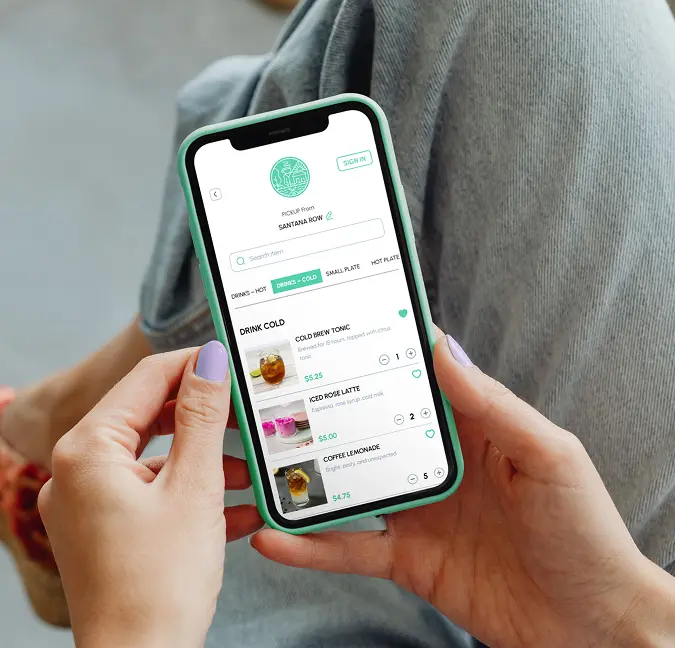
Visibility matters, but buffet SEO breaks down when the next step feels vague. A family searching on a phone does not want to hunt for hours, menu details, and ordering options across three different pages. The best-performing sites reduce that hesitation by putting the action close to the search intent, whether the guest wants dine-in information, pickup, or a fast route to the menu.
That is where SEO and owned ordering work together. If a buffet page ranks for branded and non-branded searches, the page should also make it easy to move into a direct transaction path instead of sending guests back to a marketplace or directory. Clear menu access, accurate location details, and a simple ordering flow help traffic turn into measurable demand.
For buffet restaurants that want search traffic to flow into a branded, commission-free ordering experience, Restolabs provides online ordering, menu sharing, and integrations that support direct sales without giving up customer data ownership. Operators looking to connect SEO with a stronger ordering journey can Book a Demo and see how Restolabs fits that workflow.
How SEO Agencies Can Benefit Buffet Restaurants
While many buffet restaurants handle basic SEO in-house, partnering with an experienced SEO agency can provide significant advantages:
Specialized Expertise: SEO agencies bring specialized knowledge of search engine algorithms, technical SEO, and content optimization that most restaurant operators lack.
Competitive Analysis: Agencies can conduct comprehensive competitive analysis to identify opportunities and threats in your specific market and cuisine segment.
Comprehensive Strategy: Professional SEO partners develop holistic strategies that integrate local SEO, on-page optimization, content marketing, and technical SEO into a cohesive approach.
Time Efficiency: Outsourcing SEO allows restaurant operators to focus on their core business-providing an excellent dining experience-while experts handle their online presence.
Advanced Tools: Agencies have access to premium SEO tools and platforms that would be cost-prohibitive for individual restaurants to purchase.
Ongoing Optimization: SEO requires consistent, ongoing effort to maintain and improve results. Agencies provide the consistent attention needed for long-term success.
Conclusion: Embrace SEO with Restolabs for Buffet Restaurants
Implementing effective SEO strategies represents one of the most powerful ways for buffet restaurants to increase visibility, attract more local customers, and drive foot traffic. By understanding the unique aspects of buffet restaurant marketing-from communicating value and variety to targeting specific customer demographics-buffet operators can develop SEO strategies that directly address their business needs and customer search behaviors.
The most successful buffet restaurants approach SEO holistically, integrating local search optimization, on-page content strategies, technical performance improvements, and reputation management into a comprehensive digital marketing approach. This integrated strategy ensures that potential customers discover your buffet restaurant at every stage of their dining decision journey, from initial awareness through final selection and post-dining reviews.
To take your buffet restaurant's digital presence to the next level, consider partnering with Restolabs for efficient online ordering solutions that complement your SEO efforts. Our platform integrates seamlessly with your existing website and helps convert SEO traffic into actual orders and revenue.
Book a Demo today to see how Restolabs can help your buffet restaurant maximize the value of your SEO efforts and create a seamless digital experience for your customers.

Sruthi Sekar specializes in brand strategy, growth, and user experience in the hospitality industry. As the driving force behind Restolabs, she helps restaurants harness technology to scale and thrive. With a background in design, branding, and entrepreneurship, she brings a sharp focus on crafting digital experiences that drive real business impact.
Frequently Asked Questions
To optimize your Google Business Profile, ensure all information is complete and accurate, including your business name, address, phone number, website, and hours of operation. Add high-quality photos showcasing your buffet spread, dining area, and exterior. Select relevant categories and attributes that highlight your buffet offerings. Regularly post updates about specials, events, or new menu items. Encourage satisfied customers to leave reviews and respond promptly to all reviews, both positive and negative. Verify that your menu information is current and comprehensive, highlighting the variety and value that makes your buffet unique.
The best local SEO practices for buffet restaurants include maintaining consistent NAP (Name, Address, Phone) information across all online platforms, optimizing your Google Business Profile with complete information and regular updates, building citations on relevant directories and review sites, generating and responding to customer reviews, creating location-specific content on your website, implementing local schema markup, building relationships with local businesses and influencers for backlinks, and targeting location-specific keywords in your content and metadata. Additionally, ensure your website is mobile-friendly, as most local searches occur on mobile devices.
Online reviews significantly impact your buffet restaurant's SEO in multiple ways. First, review quantity, quality, and recency are direct ranking factors for local search results, with Google favoring businesses that have more positive, recent reviews. Second, reviews containing keywords relevant to your buffet (like "great variety," "fresh food," or "affordable family dining") help search engines understand what your restaurant offers. Third, positive reviews improve click-through rates from search results, indirectly boosting your SEO performance. Finally, responding to reviews signals to both customers and search engines that you actively manage your online presence, potentially improving rankings. Implementing a systematic approach to generating, monitoring, and responding to reviews across platforms should be a core component of your buffet restaurant's SEO strategy.
An effective buffet restaurant landing page should include a clear, keyword-rich H1 heading that communicates your value proposition (e.g., "All-You-Can-Eat Asian Buffet in Denver"). Feature high-quality images of your buffet spread with proper alt text. Include essential information like location, hours, pricing, and any special offers prominently. Describe your buffet offerings in detail, highlighting variety, quality, and any signature items or stations. Incorporate social proof through customer testimonials or review snippets. Add schema markup to help search engines understand your content. Ensure the page loads quickly, is mobile-friendly, and includes clear calls-to-action for reservations or directions. Include internal links to relevant pages like your full menu, special events, or catering options. Address common customer questions about your buffet experience, and optimize meta tags with relevant keywords.
Content marketing benefits your buffet restaurant's SEO strategy by creating multiple opportunities to rank for relevant keywords beyond your core service pages. By developing blog posts, guides, videos, and other content addressing topics like "best items at an Asian buffet," "how to get the most value from a buffet," or "family dining options in [your city]," you can capture traffic from potential customers earlier in their decision-making process. Quality content also earns backlinks, builds topical authority, and increases dwell time on your site—all factors that positively influence search rankings. Additionally, content marketing provides valuable material to share on social media and in email marketing, driving additional traffic to your website and creating opportunities for customer engagement. For buffet restaurants specifically, content that highlights variety, value, and special offerings can effectively communicate your unique selling proposition to potential customers.





.webp)

.svg)
.webp)