
Key Takeaways
- Self-delivery lets restaurants manage their own delivery without paying third-party commissions of 15–25% per order.
- Restaurants that handle 1,500 orders per month can save an estimated $5,000–$6,000 monthly by switching to in-house delivery.
- Self-delivery gives operators full control over customer data, brand experience, and repeat marketing — none of which are accessible through marketplace delivery.
- A direct online ordering system is the foundation that makes self-delivery scalable, profitable, and easier to manage day-to-day.
Third-party delivery can look like easy growth — until the fees start cutting into every order. A restaurant may gain reach, but it often gives up margin, customer data, and control over the delivery experience.
Self-delivery gives operators another path. When restaurants combine their own delivery workflow with direct online ordering, they can keep more revenue, build repeat customer relationships, and create a delivery experience that still feels like their brand.
Delivery is no longer a side channel restaurants can treat casually. When a guest expects hot food at the door in 30 minutes, the restaurant's ordering system, kitchen timing, packaging, dispatch process, and customer communication all have to work together.
Delivery continues to be an important revenue channel, but the bigger question for restaurants is profitability: how much of that demand can they convert into direct orders they control?
When Self-Delivery Makes Sense for a Restaurant
Self-delivery works best when a restaurant already has steady local demand, repeat customers, and a manageable delivery radius. A pizzeria with loyal neighborhood customers, for example, may not need a marketplace to create demand every night. It may need a cleaner way to accept direct orders, dispatch drivers, and bring customers back without paying a fee on every transaction.
For newer restaurants, the decision is different. Third-party apps may help with discovery at first, but the long-term goal should be clear: move loyal customers into a direct ordering channel before marketplace fees become a permanent cost of doing business.
Self-delivery is typically a strong fit when a restaurant can check most of the following:
- Has a consistent base of local, repeat customers
- Can reliably cover a delivery radius within 20–30 minutes
- Processes enough delivery orders to justify dedicated or cross-trained driver staff
- Has — or can set up — a direct online ordering system to own the customer relationship
- Wants control over packaging, presentation, and post-delivery communication
How Does Self-Delivery for Restaurants Work?
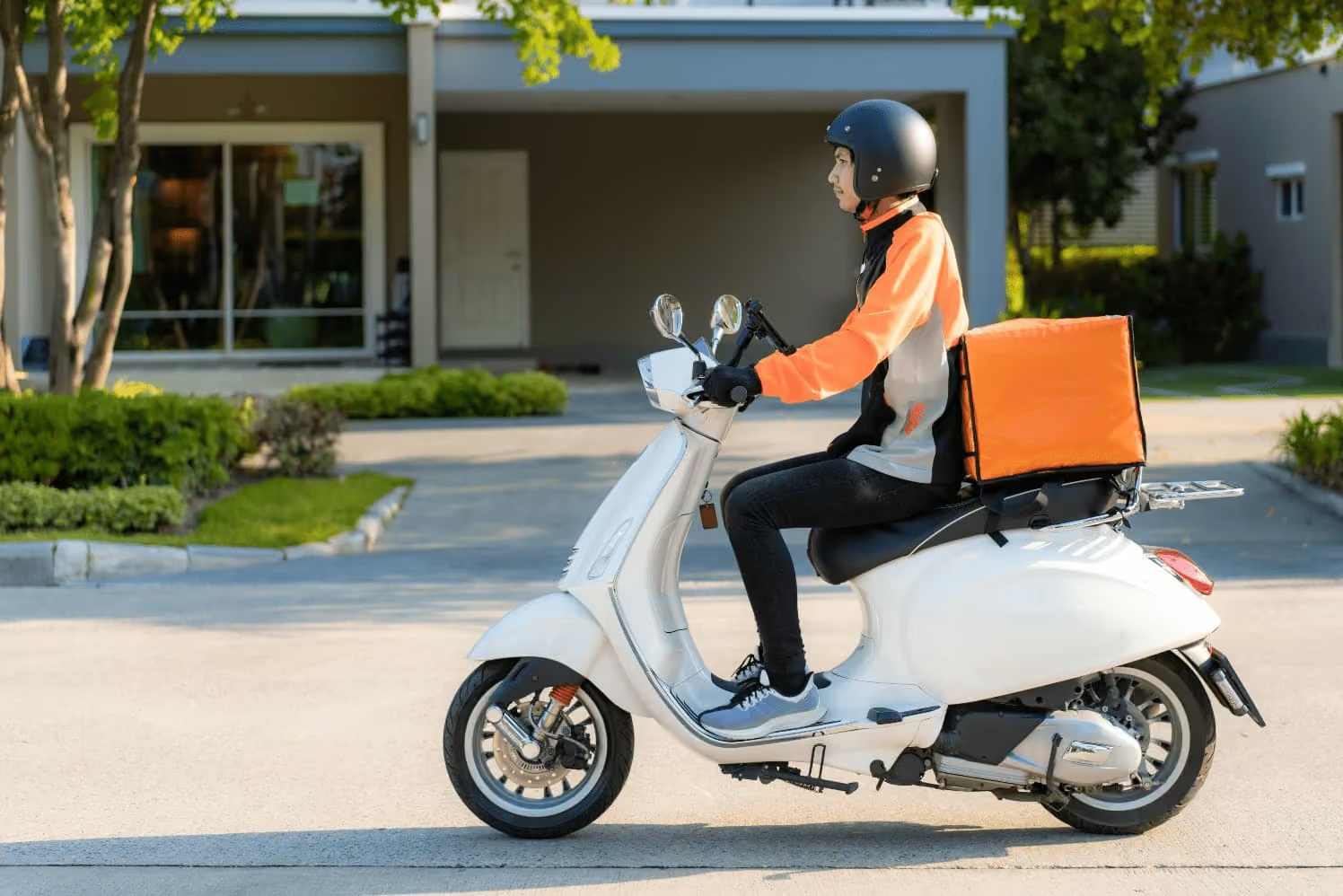
Self-delivery is the model where a restaurant manages its own last-mile delivery instead of outsourcing it to a third-party platform. The restaurant owns the process from order placement through to the customer's door. Here is how a typical self-delivery workflow runs:
- Customer places an order — through the restaurant's own website, branded app, or direct ordering system.
- Kitchen accepts the order — the order is confirmed and prep begins based on set lead times.
- Driver is assigned — the restaurant's delivery management system dispatches an available driver, either automatically or manually.
- Route is planned — the system selects the most efficient route based on distance, traffic, and order timing.
- Live tracking is activated — the customer receives a real-time order status update and estimated arrival time.
- Delivery handoff occurs — the driver delivers the order to the customer's door.
- Customer notification sent — the restaurant's system confirms delivery and can trigger a follow-up message or loyalty prompt.
- Post-delivery feedback collected — the restaurant gathers ratings or notes to improve future orders.
Every step in this workflow stays within the restaurant's control — which means the customer relationship, the data, and the experience all stay with the restaurant too.
How to Set Up Self-Delivery for Restaurants
Before adding drivers or expanding delivery zones, restaurants need a clear workflow for every order — from checkout to drop-off.
- Define the delivery radius — Start with a tight zone (under 3 miles) where drivers can complete drop-offs within 30 minutes. Expanding later is easier than managing quality problems caused by over-extending early.
- Choose delivery zones and fees — Set clear zones with corresponding delivery fees that cover driver time and fuel without pricing customers out.
- Set prep-time expectations — Build in realistic kitchen lead times so drivers are not waiting at the counter or rushing the kitchen team.
- Package food for transit — Use spill-resistant, insulated containers that keep food at the right temperature from kitchen to door.
- Assign and track drivers — Use a delivery management tool to dispatch drivers, track routes in real time, and flag delays.
- Connect ordering, payment, and POS systems — A direct online ordering platform that integrates with the POS removes manual entry errors and gives the team one place to manage everything.
The first step to a successful in-house delivery launch is proving the model with limited resources before committing to expanded delivery areas. A deep understanding of food quality, customer expectations, and logistics is what it takes for a restaurant to win in the long run.
Maintaining good quality and quick turnaround time makes customers more likely to reorder. This is how self-delivery helps restaurants reclaim more of the revenue that digital ordering generates.
How Direct Online Ordering Makes Self-Delivery Easier to Manage
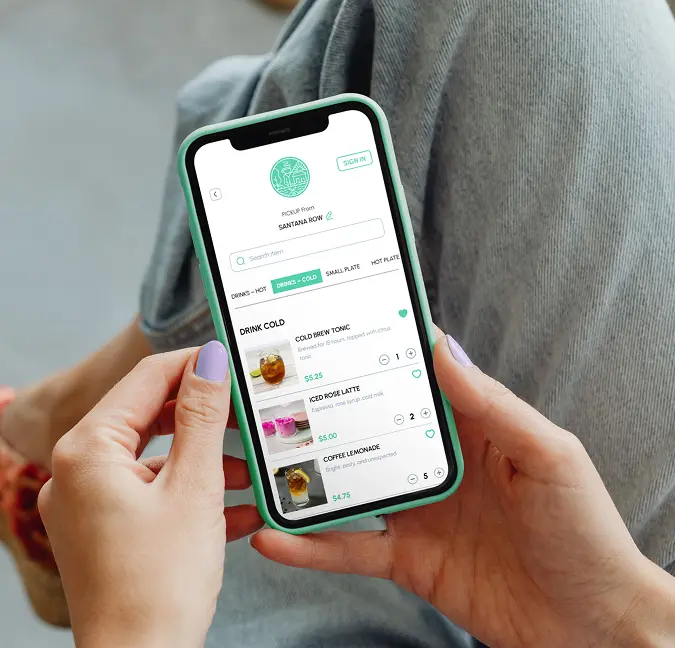
Self-delivery works best when orders do not depend on phone calls, spreadsheets, or scattered app notifications. A direct online ordering system gives the restaurant one place to manage menus, accept payments, route orders, and keep customers informed.
Restolabs supports that workflow with commission-free online ordering, delivery management, payment integrations, and POS connectivity. Restaurants can build a direct channel without handing over customer data or paying a marketplace fee on every order.
Scheduling and Staffing Your In-House Delivery Team
Staffing is one of the most common reasons self-delivery stalls before it scales. Getting the schedule right from the start makes the difference between a delivery operation that earns repeat business and one that frustrates customers.
- Forecast delivery demand by hour — use historical order data to identify lunch and dinner rush windows and staff accordingly.
- Hire part-time delivery staff for peak windows — a full-time driver during slow periods creates unnecessary cost; part-time coverage around peaks is more efficient.
- Cross-train existing staff where feasible — for smaller restaurants, a team member who can switch between delivery and front-of-house during slow periods reduces the need for a dedicated driver on every shift.
- Define cutoff times and delivery zone boundaries — clear rules prevent last-minute orders that can't be fulfilled on time.
- Build in buffer time between dispatch windows — stacking orders too tightly leads to late deliveries and stressed drivers.
- Track driver performance over time — delivery time, order accuracy, and customer feedback should feed back into scheduling decisions.
Restaurant Self-Delivery Costs: Drivers, Software, Insurance, and Packaging
The math is hard to ignore. In-house delivery can cost significantly less per order than outsourcing to third-party platforms — and the savings compound as order volume grows.
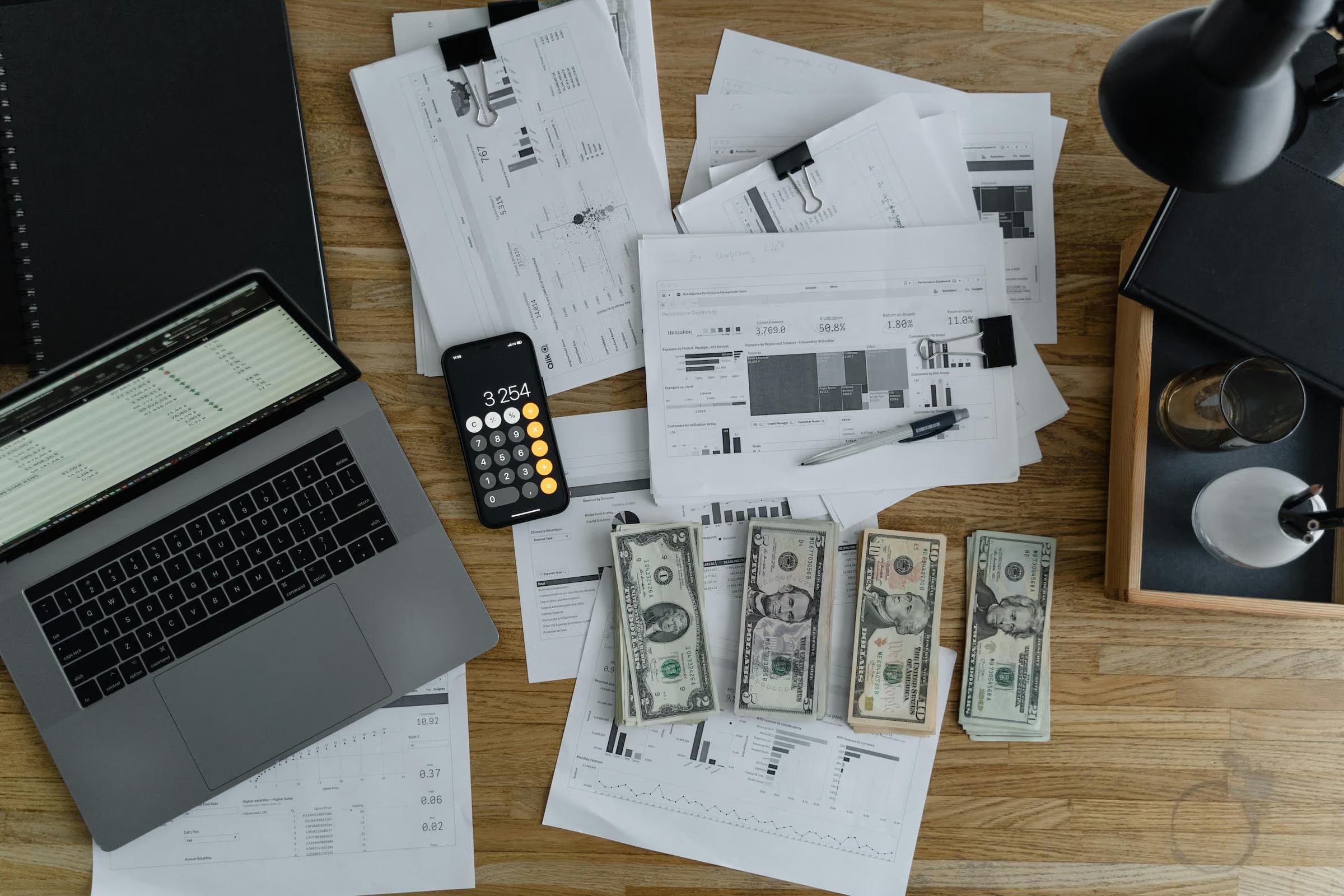
If a restaurant handles 1,500 delivery orders a month, even a moderate reduction in per-order fees can free up $5,000–$6,000 monthly. That is real budget that can go toward marketing, staffing, packaging, or kitchen upgrades.
Note: actual savings vary based on order volume, delivery radius, driver compensation model, and current commission rates. Operators can estimate their own opportunity using the Restolabs commission savings calculator.
Below is a practical cost breakdown to help restaurants plan before launching self-delivery:
.svg)
How much are you losing to commissions?
.svg)
Licensing, Insurance, and Safety Considerations for Restaurant Delivery
Before hiring delivery drivers, restaurants need to understand the legal and insurance requirements that come with running an in-house fleet. This area is commonly overlooked — and it can create serious liability exposure if left unaddressed.
- Driver license verification — confirm that all delivery drivers hold a valid driver's license appropriate for the vehicle type being used.
- Commercial auto insurance — personal auto insurance policies typically do not cover drivers working for commercial purposes. Restaurants should obtain a commercial or hired-and-non-owned auto (HNOA) insurance policy.
- General liability coverage — covers incidents that occur during the delivery process that are not covered by auto insurance alone.
- Food safety and temperature control — drivers should be trained on proper food handling; hot and cold items must be transported in appropriate packaging to meet health code standards.
- Labor classification — the legal distinction between employees and independent contractors varies by state and country. Misclassification can lead to significant financial and legal penalties.
- Incident and accident documentation — establish a clear procedure for how drivers report accidents, damaged orders, or non-delivery events.
- Local delivery regulations — some cities and regions have specific rules around commercial delivery vehicles, bike couriers, or zone-based delivery operations.
Disclaimer: requirements vary by location. Restaurants should consult a local attorney or insurance professional before launching an in-house delivery operation.
Why Restaurants Are Switching from Third-Party Delivery to Self-Delivery
Consider a $9.99 sandwich order placed through a third-party delivery app. By the time the marketplace takes its cut, the restaurant may retain only $5 or less from that transaction. To break even on delivery costs alone — let alone turn a profit — the restaurant needs to move significantly more volume than it did before delivery ever entered the picture.
Third-party delivery looks convenient until the invoice lands. A restaurant may gain order volume, but every marketplace order can come with a commission of 15–25% per transaction — a fee that cuts directly into already-thin margins.
When delivery orders stay inside a marketplace, the customer relationship often stays there too. That limits the restaurant's ability to send offers, build loyalty, understand ordering behavior, and encourage direct reordering.
With direct online ordering, restaurants can keep customer data in-house and use it to build repeat business — instead of renting the same customer from a third-party app again and again. And when something goes wrong during delivery, the restaurant still owns the relationship — which means it also owns the ability to make it right.
All these factors and many more, (read here) has compelled full-service eateries as well as established brands to consider getting in-house ordering and delivery systems.
Self-Delivery vs. Third-Party Delivery: What Restaurants Control
The decision between self-delivery and third-party delivery is really a decision about what the restaurant is willing to own — and what it is willing to give away. Here is a direct comparison:
How to Start Self-Delivery for a Restaurant: Step-by-Step Checklist
Launching self-delivery is manageable when broken into clear steps. Use this checklist to move from concept to live operation:
- Research your delivery zone — map the delivery radius that drivers can cover within 30 minutes and validate demand density in that area.
- Model your costs — estimate driver pay, fuel, insurance, packaging, and software against your average order value and projected volume.
- Set up a direct online ordering system — choose a commission-free platform that integrates with your POS and keeps customer data in the restaurant's hands.
- Hire and onboard delivery staff — verify licenses, set pay structure, define delivery zones, and train on food handling and customer communication.
- Arrange insurance coverage — confirm commercial auto and liability coverage before any driver handles a single order.
- Source delivery packaging — test insulated bags and containers that maintain food quality at the expected delivery distance and time.
- Run a soft launch — start with a limited menu, a tight delivery zone, and a small number of drivers to test the system before scaling.
- Promote the direct ordering channel — let existing customers know they can order directly; consider a first-order offer to shift loyal customers off third-party platforms.
- Track performance — monitor delivery time, order accuracy, driver utilization, cost per order, and customer satisfaction from day one.
- Collect and act on feedback — post-delivery feedback loops help catch issues early and reinforce what is working well.
Conclusion: Self-Delivery Works Best When Restaurants Own the Order
Self-delivery is not just about hiring drivers. It is about giving restaurants more control over margins, customer relationships, and the experience guests remember after the food arrives.
Keep in mind that delivery will only grow the business sustainably when the restaurant already has local demand and a loyal customer base. Building that direct channel early — before marketplace fees become a fixed cost — is the smarter long-term play.
With a direct online ordering system, restaurants can turn delivery demand into a more profitable channel. Restolabs helps restaurants accept commission-free orders, manage key ordering workflows, and keep customer data in their own hands.

Bharti Batra has extensive experience in restaurant technology and business operations. She writes about digital transformation in the hospitality industry, helping restaurants streamline processes and enhance efficiency. With a deep understanding of scaling and optimizing restaurant tech, she shares insights to help businesses grow.
Frequently Asked Questions
Self-delivery is a model where a restaurant manages its own delivery operation instead of relying on third-party platforms like DoorDash or Uber Eats. It eliminates per-order commissions (typically 15–25%), gives the restaurant full ownership of customer data, and allows for a branded delivery experience that supports loyalty and repeat ordering.
Self-delivery supports demand growth by giving restaurants direct access to customer data, enabling personalized promotions, loyalty programs, and re-engagement campaigns. Because the restaurant owns the ordering channel, it can build relationships that drive repeat orders — rather than competing on a marketplace where other restaurants are one scroll away.
Restaurants typically start by defining a tight delivery radius, setting up a direct online ordering system, hiring or cross-training delivery staff, securing commercial insurance, and sourcing appropriate packaging. A soft launch with limited menu items and a small delivery zone allows operators to test the model before expanding. A step-by-step checklist is included in this guide above.
In many cases, yes — particularly at meaningful order volumes. Third-party platforms charge 15–25% per order, which compounds quickly. In-house delivery replaces that per-order fee with a more predictable cost structure: driver wages, fuel, packaging, insurance, and a flat delivery software subscription. Restaurants processing 1,500 or more orders monthly may see significant savings. Use the commission savings calculator to estimate based on your own numbers.
At minimum, restaurants need a direct online ordering system, a delivery management tool (for driver dispatch and route optimization), and a POS integration that keeps order data in sync. Additional tools for customer notifications, analytics dashboards, and loyalty programs can strengthen the operation over time. Restolabs provides commission-free online ordering with delivery management, POS connectivity, and payment integrations in one platform.
Yes. Standard personal auto insurance does not cover drivers working in a commercial delivery capacity. Restaurants typically need commercial auto insurance or a hired-and-non-owned auto (HNOA) policy to cover delivery drivers on duty. General liability coverage is also recommended. Requirements vary by location — consult a local insurance professional before launching.
Most restaurants starting self-delivery operate within a 2–3 mile radius to ensure delivery times under 30 minutes. Beyond that threshold, food quality suffers and customer satisfaction tends to drop. Expanding the radius should only happen after the core zone is running efficiently and driver capacity allows for it without compromising delivery speed.
.jpg)
.jpg)
.jpg)



.webp)

.svg)
.webp)