
%2520(1).avif)
Key Takeaways
- DoorDash charges restaurants 15-30% commission per order, which significantly reduces profit margins and forces many restaurant owners to look for more cost-effective alternatives.
- Third-party delivery platforms like Grubhub and Uber Eats control customer relationships and transaction data, preventing restaurants from building direct connections with their diners.
- Commission-free platforms such as RestoLabs and ChowNow allow restaurants to keep 100% of their revenue through monthly subscription models instead of per-order fees.
- RestoLabs offers white-label branding and direct customer data ownership, enabling restaurants to build stronger brand loyalty while maintaining full control over pricing and customer interactions.
- When choosing delivery platform alternatives, consider factors like commission rates, customer data ownership, delivery flexibility, integration capabilities, and long-term scalability for your restaurant business.
Before exploring specific alternatives, it's important to understand the different types of delivery services available. Most platforms fall into three main categories:
- Third-Party Marketplaces: Platforms like DoorDash, Grubhub, and Uber Eats that control customer relationships and charge commissions
- Direct Ordering Platforms: Commission-free solutions like RestoLabs that let restaurants maintain customer relationships
- Hybrid Solutions: Platforms that offer both marketplace exposure and direct ordering capabilities
DoorDash is one of the biggest food delivery platforms that generated $20 billion in gross order value in Q3 2024. But behind the numbers also lies a tough reality for restaurant owners.
- High commission fees (15-30%) that eat into already thin margins
- Limited delivery flexibility, forcing restaurants to use DoorDash’s drivers and pricing
- Users report issues like undelivered orders, incorrect items, and difficulties getting refunds
If you're tired of these restrictions and want to maintain control over your customer relationships while reducing costs, it's time to consider alternatives. Platforms like RestoLabs offer a commission-free online ordering system, giving you full control over your sales, branding, and customer relationships, without the hefty platform fees.
We’ll look at six Doordash alternatives, that help you control your orders and keep more of your profits.
How to Choose the Right Food Delivery Platform
Selecting the best delivery platform alternative requires evaluating several key factors that directly impact your restaurant's profitability and operations:
Essential Evaluation Criteria:
- Commission Structure: Compare commission-based vs. subscription models to determine long-term cost impact
- Customer Data Ownership: Ensure you maintain direct access to customer information for marketing and relationship building
- Delivery Flexibility: Look for platforms that allow self-delivery options or integrate with multiple delivery networks
- POS Integration: Verify compatibility with your existing point-of-sale system to streamline operations
- Branding Control: Choose platforms that offer white-label solutions to maintain your restaurant's brand identity
- Scalability: Consider how the platform will grow with your business and support multiple locations
Decision-Making Checklist:
- Calculate total cost of ownership over 12 months including all fees
- Test the platform's user experience from both restaurant and customer perspectives
- Verify integration capabilities with your current technology stack
- Review customer support quality and response times
- Analyze reporting and analytics capabilities for business insights
Quick Comparison of Leading Food Delivery Alternatives
Before we take a deep dive into each Doordash alternative, here’s a quick rundown of each platform, their commission rates, features, and ratings.
Now let’s look at all Doordash competitors in detail.
1. Grubhub

Grubhub is a third-party marketplace platform that connects restaurants with over 31.5 million customers nationwide. It functions as a marketplace, letting customers browse menus and order online. However, like other third-party platforms, Grubhub controls the transaction, takes a cut of every sale, and owns the customer relationship, not the restaurant.
For restaurants, Grubhub provides marketing tools and order management technology. But after that, commission fees can reach up to 30% per order, eating into profits. While some restaurants increase menu prices to offset these fees, price hikes have limits before customers start noticing and looking elsewhere.
Even Grubhub Direct, marketed as a commission-free solution, keeps restaurants dependent on the platform. Instead of giving full control, it offers a branded page within Grubhub’s ecosystem, meaning Grubhub still manages transactions, customer data, and fulfillment.
Ideal Use Cases for Grubhub:
- New restaurants looking to quickly access a large customer base
- Establishments with low current delivery volume testing market demand
- Restaurants in highly competitive markets where marketplace visibility is crucial
Who Should Consider This Option: Restaurants prioritizing immediate market reach over long-term profitability and customer relationship control.
Pricing
* Includes 10% delivery fees
Read our article on Grubhub commission fees.
2. Uber Eats

Uber Eats is one of the largest food delivery platforms globally, leveraging Uber's existing driver network to connect restaurants with thousands of potential customers. It offers exposure, a built-in delivery network, and marketing tools to help restaurants grow. However, partnering with Uber Eats isn’t the same as having your own online ordering system.
Like other third-party marketplaces, Uber Eats acts as the middleman—handling transactions, controlling customer interactions, and charging restaurants a commission per order. While it can save operational costs by providing a delivery network, it also limits a restaurant’s control over pricing, customer data, and service quality.
Restaurants can access tools like Uber Eats Orders, a tablet system for managing orders, and Uber Eats Manager, which provides insights into menus, payments, and sales. However, everything remains within Uber Eats' ecosystem, meaning restaurants never truly own their customer relationships.
Ideal Use Cases for Uber Eats:
- Restaurants in urban areas with high delivery demand
- Establishments without existing delivery infrastructure
- Businesses seeking rapid market expansion with minimal setup
Who Should Consider This Option: Restaurants prioritizing quick market entry and leveraging Uber's extensive driver network over long-term customer relationship building.
Pricing
3. RestoLabs
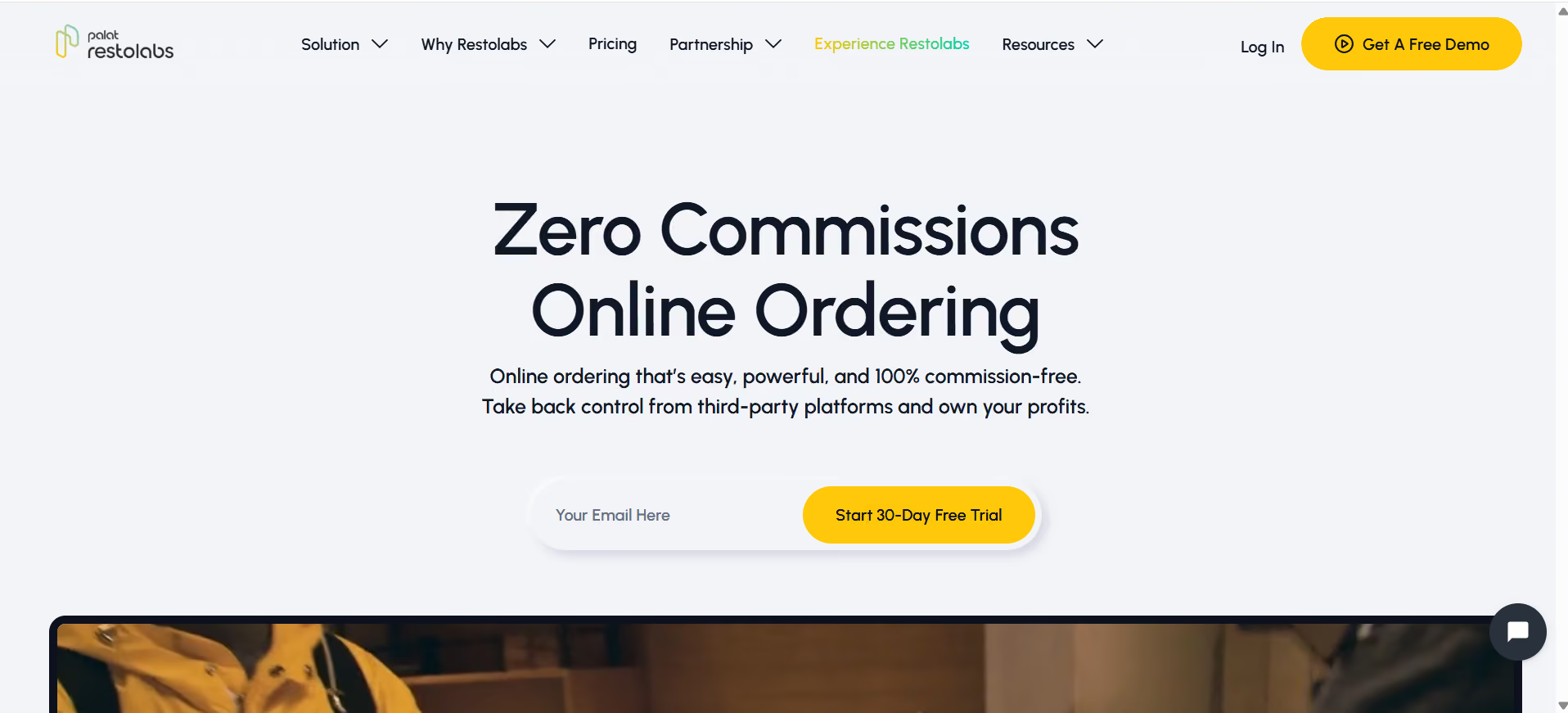
Third-party platforms take a 30%+ cut from every order and control your customer data. Restolabs changes that. It’s a commission-free, all-in-one online ordering solution that gives restaurants full control over branding, pricing, and customer relationships—all with transparent, flat pricing and no hidden fees.
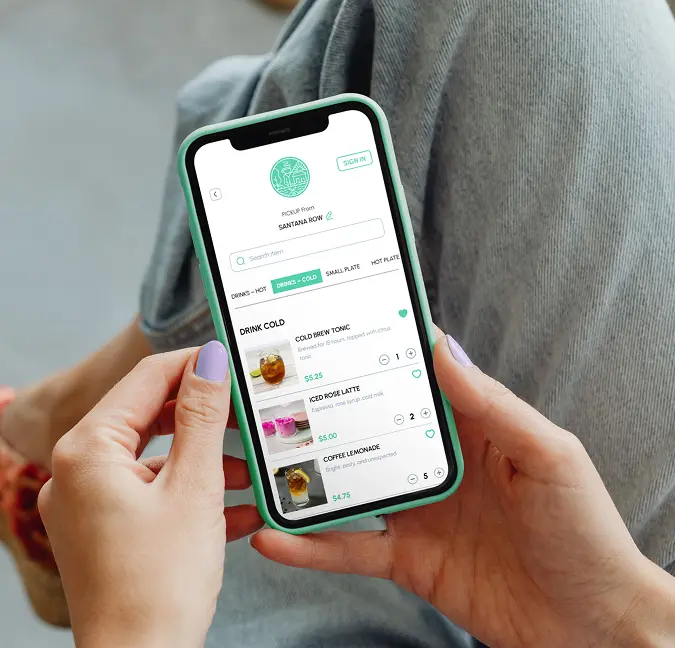
With Restolabs, customers order directly from your website, customizing pickup, delivery, or catering orders up to three months in advance. Orders sync instantly with POS systems (Toast, Revel, PAR Pixel & more) and kitchen displays, eliminating manual entry errors. Real-time menu updates prevent customers from ordering unavailable items.
For delivery, you can integrate with Uber Eats, DoorDash, and Postmates for last-mile service or use your own drivers with built-in order tracking and custom delivery zones.
Better customer engagement? Restolabs offers custom branding, loyalty programs, push notifications, and a coupon/banner builder—with email & SMS marketing on the way to make the suite even stronger.
With setup in under a week, 24/7 support, and advanced analytics, Restolabs is a cost-effective, scalable alternative to third-party marketplaces, helping you drive direct orders, grow your brand, and keep your profits where they belong.
Ideal Use Cases for RestoLabs:
- Established restaurants with existing customer base seeking to reduce commission costs
- Multi-location chains requiring centralized management and consistent branding
- Restaurants prioritizing customer data ownership and direct marketing capabilities
- Businesses with high order volumes where commission savings significantly impact profitability
Who Should Consider This Option: Restaurant owners who want complete control over their online ordering experience, customer relationships, and long-term profitability while maintaining operational flexibility.
Pricing
A 30-day free trial is available
How Much Revenue Can You Generate with Restolabs?
4. PopMenu

Popmenu is a cloud-based platform that makes managing a restaurant easy by helping them create, update, and organize their menus. It offers interactive menus that let customers order online and leave real-time reviews, which can really help boost sales and visibility.
Plus, Popmenu has some great marketing tools, like text messaging, that let restaurants run targeted campaigns to encourage repeat business. It also helps optimize things on the floor with features like waitlisting and support for delivery and curbside pickup, making everything run smoothly and efficiently.
One downside of Popmenu is that it requires time to fully integrate with existing systems, especially for restaurants with more complex operations. And while its features are robust, the platform's pricing may be on the higher side for smaller businesses.
Ideal Use Cases for PopMenu:
- Full-service restaurants needing comprehensive menu management and marketing tools
- Establishments with complex menu structures requiring frequent updates
- Restaurants prioritizing text marketing and customer engagement features
Who Should Consider This Option: Restaurants with higher budgets seeking an all-in-one solution for menu management, marketing, and customer engagement.
Pricing
5. Chownow

ChowNow is an online food-ordering marketplace that lets customers place orders directly with restaurants and food trucks. They can do so through their website or mobile app and can choose to order ahead or place real-time pickup and delivery orders.
Through the platform, restaurants can also personalize the ordering experience with their branding and logo.
Plus, the platform offers “Order Ahead” option, allowing orders to be placed up to 24 hours in advance. Customers can quickly pay online and track their orders, while restaurants receive instant notifications and manage orders in real time. Restaurant owners can also optimize their takeout and delivery operations with its analytics, reporting, and marketing features.
Ideal Use Cases for ChowNow:
- Restaurants seeking commission-free ordering with moderate customization needs
- Establishments wanting integration with review platforms like Yelp and TripAdvisor
- Small to medium restaurants with limited delivery radius requirements
Who Should Consider This Option: Restaurants with moderate order volumes seeking a balance between commission-free ordering and built-in marketing features.
Pricing
(Varies based on the online ordering revenue of the restaurant)
6. Menufy

Menufy is an online marketplace that lets restaurants create online ordering services without incurring setup costs or commissions. It provides ready-to-use templates, and mobile-friendly ordering websites tailored to each restaurant's brand so that customers can place orders for pickup or delivery directly from the restaurant's site or through the Menufy platform.
The platform doesn’t charge any setup fee, but it charges $1.75 per order. Customers pay these charges, however, restaurants can cover this fee if they choose to. While choosing Menufy might seem like a comfortable choice, you could miss out on the more innovative, forward-thinking solutions that are leading the industry today.
Ideal Use Cases for Menufy:
- Small restaurants with limited budgets seeking basic online ordering functionality
- Establishments primarily focused on pickup orders rather than delivery
- US-based restaurants needing simple, no-setup-cost online ordering
Who Should Consider This Option: Budget-conscious restaurants with basic online ordering needs and primarily pickup-focused operations.
Pricing:
Now that we’ve explored five Doordash alternatives, let’s see what makes RestoLabs stand out.
Understanding Delivery Platform Pricing Models
Different delivery platforms use various pricing structures that significantly impact your restaurant's profitability:
Pros and Cons of Using Alternative Delivery Platforms
Before making the switch from major platforms like DoorDash, it's important to understand the general advantages and disadvantages of using alternative delivery platforms:
Universal Benefits of Switching:
- Lower Costs: Commission-free or subscription-based models can significantly reduce per-order expenses
- Customer Data Ownership: Direct access to customer information enables targeted marketing and relationship building
- Brand Control: White-label solutions maintain your restaurant's brand identity throughout the ordering experience
- Operational Flexibility: Greater control over pricing, menu management, and delivery operations
Potential Drawbacks to Consider:
- Reduced Market Reach: Loss of access to large customer bases built by major platforms
- Marketing Responsibility: Need to drive your own traffic and customer acquisition
- Technology Learning Curve: Time investment required to learn new platform features and integrations
- Initial Setup Effort: More hands-on involvement needed for platform configuration and optimization
Tips for Maximizing Success with Food Delivery Platforms
Regardless of which platform you choose, these strategies will help optimize your delivery operations and increase customer satisfaction:
Menu Optimization:
- Design delivery-friendly items that maintain quality during transport
- Use high-quality photos and detailed descriptions to increase order values
- Implement dynamic pricing strategies based on demand and costs
Operational Excellence:
- Establish clear preparation times and communicate delays proactively
- Train staff on platform-specific order management procedures
- Monitor delivery performance metrics and adjust operations accordingly
Customer Relationship Building:
- Collect customer feedback and respond to reviews promptly
- Implement loyalty programs to encourage repeat orders
- Use customer data for personalized marketing campaigns
Why RestoLabs is the best Doordash alternative
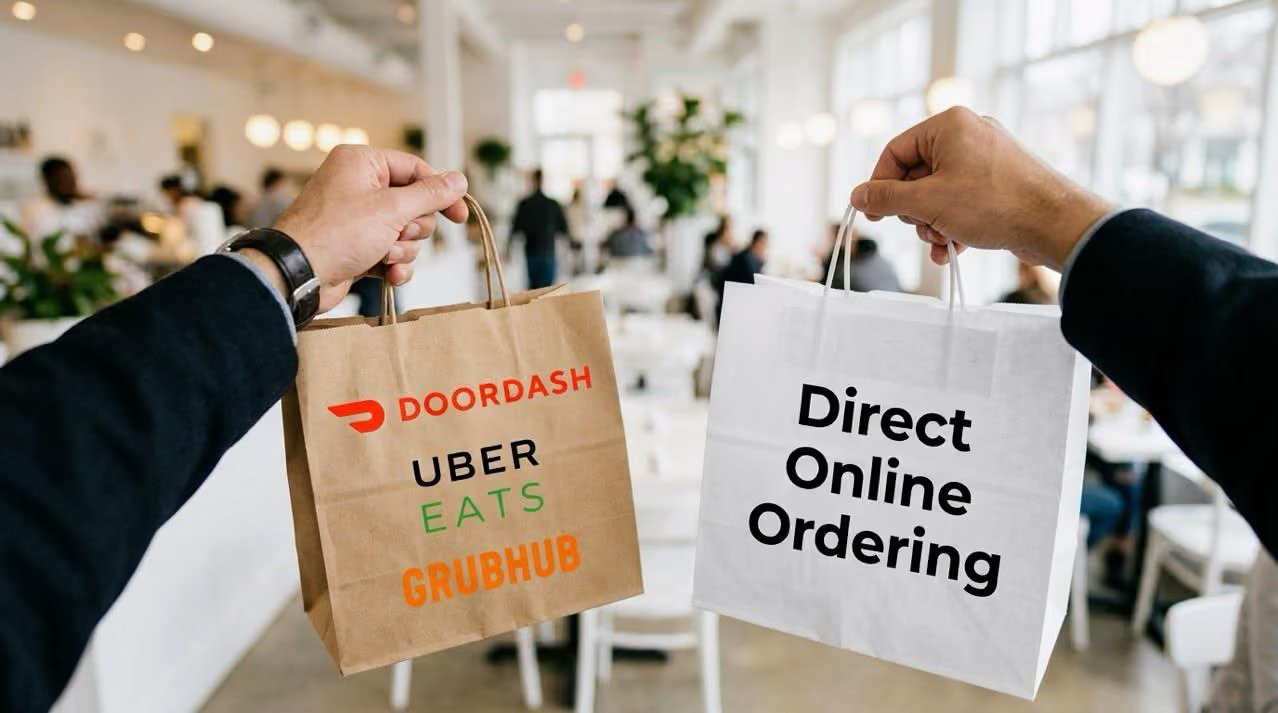
Third-party delivery apps like DoorDash and Uber Eats bring in orders, but at a cost—high commissions, lost customer relationships, and limited control over your own brand. These platforms act as middlemen, taking a share of every order while keeping customer data and interactions within their ecosystem.
Restolabs puts you back in control. With transparent pricing and built-in delivery management, you keep more revenue while maintaining your brand identity. Unlike DoorDash or ChowNow, Restolabs offers full white-label branding, so customers order directly from your restaurant, not a marketplace. That means stronger brand loyalty, repeat business, and higher profits.
Beyond ordering, Restolabs provides valuable customer insights and marketing tools to help restaurants grow. Oil Center Deli saw double-digit growth after switching to Restolabs, using customer data to refine their menu, create targeted promotions, and optimize delivery zones.
“The data we gather from online orders helps us refine our menu, create targeted promotions, and optimize delivery zones. It’s a game-changer for restaurant growth.” – Owner, Oil Center Deli
With Restolabs, you cut costs, strengthen your brand, and simplify operations—without relying on third-party platforms.
Book a demo to see how Restolabs can help you grow while keeping 100% of your profits.

Preethi Varma is a Senior Content Strategist with 16 years of experience in content, product marketing, and brand development. She specializes in turning complex ideas into clear, engaging narratives that drive customer engagement. Preethi applies her expertise to restaurant technology, crafting content that resonates with operators, fosters brand loyalty, and drives adoption. Outside of work, she enjoys food, travel, and culture.
Frequently Asked Questions
DoorDash charges 15-30% commission per order, which significantly cuts into your profits. With RestoLabs' flat monthly pricing starting at $69, you keep 100% of your revenue from every order. For most restaurants, this translates to thousands of dollars in additional monthly profit, especially for high-volume establishments.
Yes, platforms like RestoLabs integrate with DoorDash, Uber Eats, and Postmates for last-mile delivery while you maintain control over pricing and customer relationships. You can also use your own drivers with built-in order tracking and custom delivery zones, giving you complete flexibility over your delivery operations.
RestoLabs can be set up in under a week with seamless POS integration (Toast, Revel, PAR Pixel, and more). The platform syncs instantly with kitchen displays, eliminating manual entry errors, and offers a 30-day free trial so you can test the system risk-free before committing.
Actually, you'll build stronger customer relationships since platforms like RestoLabs offer white-label branding where customers order directly from your restaurant's website. You own the customer data, can create targeted promotions, and build brand loyalty-something impossible with third-party marketplaces that control customer interactions.
Commission-based platforms (DoorDash, Grubhub, Uber Eats) take 15-30% of every order forever, while subscription models like RestoLabs charge a flat monthly fee with zero commissions. This means as your order volume grows, subscription models become increasingly cost-effective, allowing you to keep more profit as you scale
Restaurants with consistent order volumes (50+ orders per month), established customer bases, and those prioritizing long-term profitability benefit most from switching to commission-free alternatives. Multi-location chains, high-volume establishments, and restaurants focused on building direct customer relationships see the greatest impact from platform alternatives.







.webp)

.svg)
.webp)