
Key Takeaways
- Online food ordering and delivery is experiencing massive growth, with global revenue projected to reach $151.5 billion in 2021 as more people stay home and adapt to changing circumstances.
- 67% of consumers prefer using a restaurant's own website or app for delivery, largely to better support the restaurant directly instead of third-party apps.
- Restolabs helps restaurants build commission-free online ordering systems for their own websites and apps, allowing limitless pickup, curbside, delivery, and dine-in orders.
- The direct restaurant-to-customer ordering approach is set to generate $71.9 billion in revenue by 2021, as it's cheaper for customers with fewer fees compared to third-party platforms.
Online ordering is experiencing meteoric growth. The trend of direct-to-consumer delivery and pickup has been adopted by global giants like Amazon to smaller start-ups. Restaurants have also embraced this trend. Food ordering online and through mobile apps exploded in 2019, and is only expected to continue to grow in 2021.
Global revenue from online food delivery is expected to rise to $151.5 billion in 2021. It has much to do with the fact that the current world situation is encouraging us all to stay home. Although it won't be easy to adjust to the change, one thing is certain: we are adapting and our lives are changing. Because of this, people are ordering more food than they did in the past.
The restaurant industry has displayed resilience during these uncertain times and has shown tremendous adaptability. The restaurant industry has undergone many changes as a result of COVID-19, but experts predict that they will continue to do so long after the pandemic ends.
We have compiled over 20 recent restaurant industry statistics that every restaurateur and restaurant operator should know in 2026.
- 78% of adults have downloaded at least one food-related app in 2025, up from 51% during the pandemic era. 62% now have three or more food apps installed.
- 25% of consumers spend more on off-premise orders compared to a regular dine-in experience, with the average digital order value 23% higher than in-person transactions.
- 67% of consumers prefer to use a restaurant's own website or app for food delivery. Of that group, 61% said it's because they want to better support the restaurant directly.
- Digital ordering now dominates revenue streams across restaurant categories, with 75% of quick-service restaurant sales generated through online and phone orders.
- Full-service restaurants have witnessed a 237% increase in digital orders since 2020, demonstrating that even traditional dine-in establishments must embrace online channels.
- Across the broader restaurant industry, 67% of an average restaurant's revenue derives from food orders placed either online or over the phone.
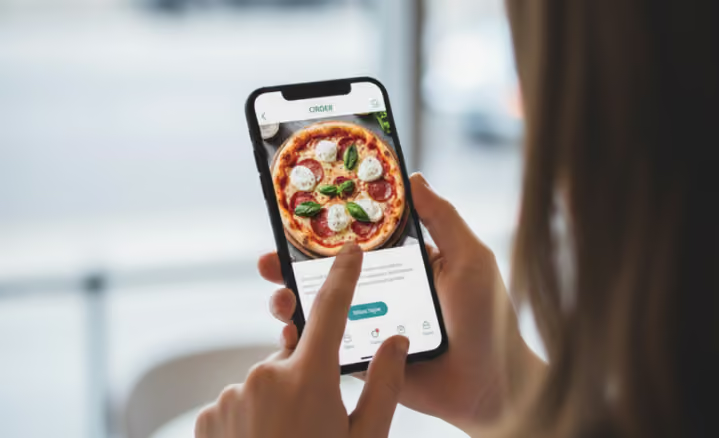
- Mobile devices represent the primary ordering channel, accounting for 60% of all digital restaurant orders, with smartphones being the dominant device.
- Restaurant apps and websites represent 62% of all digital orders, significantly outperforming third-party platforms in customer preference.
- 70% of consumers prefer to order from custom restaurant apps rather than third-party alternatives, citing fewer fees and more direct relationships.
- In a typical month, approximately 70% of U.S. consumers order food for delivery, while 70% pick up takeout, demonstrating the mainstream adoption of both fulfillment methods.
- Weekly ordering frequency is substantial, with 60% of U.S. consumers ordering delivery or takeout at least once weekly in 2025.
- One in five consumers (21%) report ordering restaurant delivery more frequently in 2025 compared to the previous year, indicating continued adoption acceleration.
- Customers who place online orders visit restaurants 67% more frequently than non-online-ordering customers, demonstrating how digital engagement drives overall business.
- Online reviews significantly influence ordering decisions, with over 70% of customers reading reviews before placing food orders on platforms like Google, Yelp, or within delivery apps.
- 45% of customers agree that mobile ordering options encourage them to order more frequently, creating opportunities for loyalty program integration.
- Among consumers ordering food online, 34% spend at least $50 per order, indicating substantial transaction values through digital channels.
- 37% of restaurant operators identify customer ordering as the most crucial area for technological development, recognizing that competitive differentiation increasingly depends on ordering experience quality.
- Half of restaurant operators now report that takeout and delivery comprise a larger proportion of their total sales compared to pre-pandemic 2019 levels.
- Restaurants utilizing independent online ordering solutions report measurable advantages, including 10% increases in sales following implementation and 35% cost savings per order compared to third-party fees.
- 31% of consumers utilize third-party delivery services at least twice weekly, despite the growing preference for direct ordering channels.
Generational and Demographic Ordering Trends
Online ordering behavior varies significantly across generational lines, with distinct preferences shaping how different age groups engage with restaurant technology in 2025:
- Generation Z (Ages 18-26): 92% order food online at least once weekly, the highest of any generation. 78% discover new restaurants primarily through social media platforms, particularly TikTok and Instagram. 65% cite mobile-only exclusive menu items as a key motivator for trying new restaurants.
- Millennials (Ages 27-42): 83% prefer ordering through dedicated restaurant apps over third-party platforms. 71% participate in at least three restaurant loyalty programs. 56% rank convenience as their primary ordering motivator, followed by value (23%) and food quality (21%).
- Generation X (Ages 43-58): 64% order takeout at least twice weekly, with 42% preferring curbside pickup options. 58% cite menu consistency and reliability as their top priority. This generation shows the highest rate of desktop/laptop ordering (38%) compared to other age groups.
- Baby Boomers (Ages 59-77): 47% now order food online regularly, up from just 29% in 2021. 62% prefer ordering directly through restaurant websites rather than apps or third-party platforms. 73% rank food quality as their primary concern, with delivery speed being less important (18%).
The generational divide is particularly evident in payment preferences, with 82% of Gen Z using digital wallets compared to just 31% of Boomers. Similarly, 76% of Gen Z and Millennials report being influenced by viral food trends, while only 23% of Boomers say the same.
Restolabs: Making Online Ordering System Simpler and Effective for Restaurants
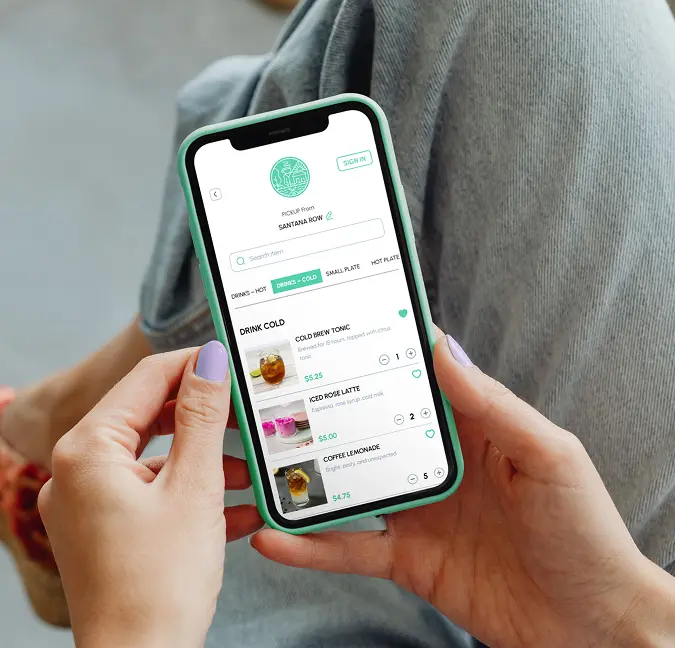
In order to make takeout and delivery more profitable and sustainable, Restolabs works with restaurants to build their very own online ordering systems. Through their respective websites or mobile applications, restaurant partners accept limitless, commission-free in-store pickup, curbside drop-off, delivery, and contactless dine-in orders.
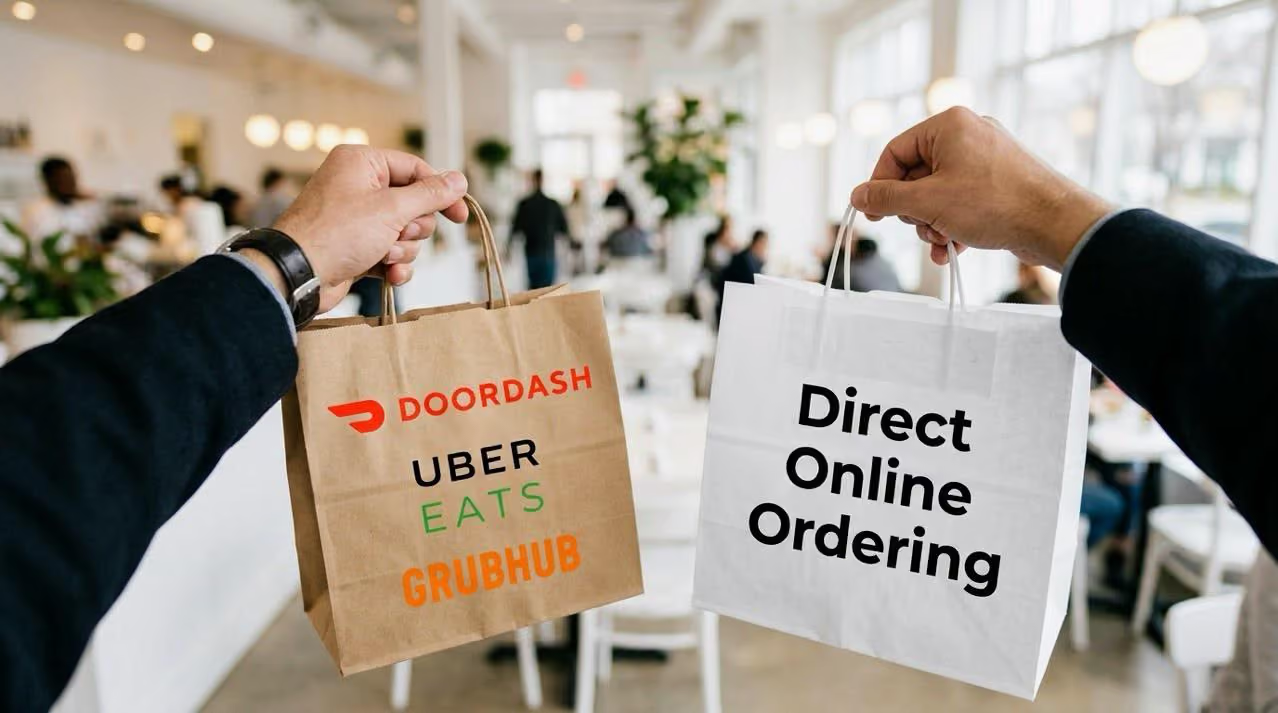
The majority of restaurant customers choose to order straight from restaurants rather than using third-party platforms. This restaurant-to-customer approach offers several key advantages:
- Commission-Free Orders: Restaurants save 15-30% per order compared to third-party platforms, dramatically improving profit margins.
- Complete Data Ownership: Gain valuable insights into customer ordering patterns, preferences, and behaviors to drive marketing and menu decisions.
- Brand Control: Maintain consistent branding and customer experience across all digital touchpoints.
- Multi-Channel Support: Accept orders through websites, mobile apps, social media integrations, and emerging channels like voice assistants.
- Seamless Integrations: Connect with existing POS systems, payment processors, and delivery services for operational efficiency.
Getting started with Restolabs is straightforward:
- Schedule a personalized demo to see the platform in action
- Work with Restolabs experts to set up your menu and branding
- Integrate with your existing systems (POS, payment, delivery)
- Launch your commission-free ordering system in as little as 24 hours
Statistics demonstrate the need for an online ordering system tailored to your business needs. With 85% of regular customers preferring mobile ordering, having both a website and an app provides an additional revenue stream and helps retain clientele while maximizing profitability. See how online ordering systems have been a boon for the pizza market and other restaurant segments.
Ready to Transform Your Restaurant's Online Ordering Strategy?
The statistics are clear: online ordering has become the primary revenue driver for restaurants in 2025, with 67% of consumers preferring to order directly from restaurant websites and apps. While third-party platforms still play a role in discovery, the most profitable and sustainable approach is building your own branded ordering experience.
The challenge for many restaurants is implementing a sophisticated digital ordering system without the technical expertise or significant investment. This is where Restolabs provides the perfect solution-offering a commission-free, branded online ordering system that can be implemented in as little as 24 hours, complete with POS integration and multi-channel support.
Book a free demo today to see how Restolabs can help you capture the 67% of customers who prefer ordering directly while keeping 100% of your profits.

Sruthi Sekar specializes in brand strategy, growth, and user experience in the hospitality industry. As the driving force behind Restolabs, she helps restaurants harness technology to scale and thrive. With a background in design, branding, and entrepreneurship, she brings a sharp focus on crafting digital experiences that drive real business impact.
Frequently Asked Questions
With Restolabs, you can build your own branded online ordering system for commission-free pickup, curbside, delivery, and dine-in orders through your website or mobile app. This direct restaurant-to-customer approach generates more revenue by avoiding third-party fees and strengthens your relationship with customers.
The blog cites that 67% of consumers prefer using a restaurant's own website or app for delivery, with 61% doing so to better support the business. Additionally, Restolabs saw an 840% increase in weekly online ordering sales for its restaurant partners during the pandemic.
Restolabs allows restaurants to accept limitless orders for in-store pickup, curbside drop-off, curbside delivery, and contactless dine-in through their branded online channels. This provides convenient, low-contact options that modern customers increasingly prefer.
85% of regular customers prefer mobile ordering for its convenience. By offering both a website and mobile app for online orders, restaurants can tap into an additional revenue stream while better meeting customer expectations and retaining business.
Nearly half of restaurant professionals believe third-party apps interfere with the restaurant-customer relationship. With Restolabs' direct ordering system, you avoid commission fees, regain control over the ordering experience, and can better connect with your customer base.





.webp)

.svg)
.webp)