
Key Takeaways
- Pennsylvania restaurant liquor licensing can affect launch timelines, staffing, menu planning, and early revenue forecasts.
- Restaurant operators should verify the correct license type, local zoning rules, and Pennsylvania Liquor Control Board (PLCB) requirements before applying.
- Costs vary widely depending on license availability, county quota limits, transfer requirements, and professional support—filing fees are only one part of the picture.
- While licensing is underway, restaurants can prepare direct online ordering, menu setup, payments, delivery workflows, and customer data systems so the business is ready to generate sales from day one.
A Pennsylvania restaurant can have the lease signed, the menu tested, and the opening date circled on the calendar—then still get slowed down by alcohol licensing. The liquor license affects more than whether guests can order beer, wine, or cocktails. It can shape launch timing, staffing decisions, compliance training, menu planning, and early revenue forecasts.
This guide walks through the main liquor license types, expected cost factors, application steps, and compliance requirements restaurant operators should understand before opening. It also explains where digital ordering fits into the launch plan—especially for restaurants that want to build direct customer relationships from day one.
Do You Need a Liquor License to Sell Alcohol in Pennsylvania?
In Pennsylvania, any business that intends to sell, serve, or distribute alcohol must obtain authorization from the Pennsylvania Liquor Control Board (PLCB). There is no scenario where a business legally sells or serves alcohol without a license or permit in place.
The specific license needed depends on the business model, the type of alcohol being sold, and how it is served or distributed. Common scenarios requiring a license include:
- Restaurants serving beer, wine, or spirits alongside food
- Bars and taverns where alcohol is the primary offering
- Hotels with on-premises bars or minibars
- Caterers providing alcohol service at private events
- Breweries, wineries, and distilleries producing and selling their own products
- Distributors and importing distributors supplying retailers or licensees
- Grocery and convenience stores selling beer or wine for off-premises consumption
- Special event organizers seeking a temporary permit for a single occasion
If the business model falls into any of the categories above, a license or permit from the PLCB is required before alcohol can legally change hands. Operators should confirm requirements directly with the PLCB licensing office or a qualified licensing professional.
Understanding Pennsylvania's Liquor License Quota System
Pennsylvania operates a quota-based licensing system for certain license categories—most notably the Restaurant (R) and Eating Place Retail Dispenser (E) licenses. The number of available licenses in each county is tied to county population. When a county reaches its quota, no new licenses are issued directly by the PLCB.
This has a significant practical consequence: in many Pennsylvania counties—including Philadelphia and Allegheny—the quota has long been reached. A restaurant operator who wants a license in one of these markets cannot simply apply for a new one. Instead, they must acquire an existing license through a private transfer or purchase, often at a substantial market premium above the PLCB filing fees.
License prices on the secondary market vary significantly by county, location, and demand. In some high-demand areas, a single license transfer can cost tens of thousands of dollars—on top of legal fees, PLCB filing fees, and inspection costs. Operators planning a restaurant opening in Pennsylvania should research quota availability in their specific county early in the planning process to avoid surprises.
Key implication for restaurant operators: Budget for more than just the filing fee. In quota-limited markets, the real cost of a Pennsylvania liquor license is determined by what a willing seller will accept in the secondary market, not by the PLCB fee schedule alone.
Types of Pennsylvania Liquor Licenses and Which One You Need
The right license depends on how the restaurant plans to sell alcohol, not just whether alcohol appears on the menu. A full-service restaurant in Pittsburgh planning wine pairings and dinner service has different needs than a fast-casual concept in Philadelphia exploring whether alcohol can support catering or takeout promotions where permitted. Those operational details should guide the license research from the start.
Restaurant, Eating Place, and Hotel Licenses
Restaurant Liquor License (R License)
The Restaurant Liquor License is designed for establishments that serve food and want to offer beer, wine, and spirits to seated guests. Food service is a core part of the operating premise. This is the most common license type for full-service Pennsylvania restaurants. It is subject to county quota limits, which means availability and acquisition cost can vary significantly by location.
Eating Place Retail Dispenser License (E License)
The Eating Place Retail Dispenser License covers establishments that primarily sell malt or brewed beverages (beer) alongside food. It does not authorize the sale of wine or spirits. This license is typically used by casual dining spots, sports bars, and quick-service restaurants adding draft beer to their menu. It is also subject to county quotas.
Hotel Liquor License (H License)
Hotels with on-premises bar service, room service alcohol, or restaurant facilities serving guests need a Hotel Liquor License. This license covers alcohol service within the hotel premises and may allow additional activations such as banquet rooms or event spaces depending on the permit structure.
Brewery, Winery, and Distillery Licenses
Pennsylvania issues separate license categories for production-based businesses. Breweries, wineries, and distilleries producing alcoholic beverages for sale need a manufacturer's license specific to their production type. These licenses often allow on-premises tastings and limited direct sales, but the scope of permitted activity varies by license category and any additional permits attached.
Distributor and Importing Distributor Licenses (D and ID Licenses)
Businesses involved in distributing malt or brewed beverages to licensed retailers need a Distributor (D) license. Those bringing beer into Pennsylvania from out-of-state need an Importing Distributor (ID) license. These distribution-focused licenses are distinct from on-premises service licenses and are not subject to the same county quota system that affects restaurant and eating place licenses.
Special Occasion Permits and Catering Licenses
Caterers and event organizers who need temporary authorization to serve alcohol at a specific event can apply for a Special Occasion Permit or Catering Permit through the PLCB. These are not permanent licenses and are issued per-event or for a defined period. Existing license holders may also be able to extend their permissions to catering activities through additional endorsements.
Pennsylvania Liquor License Type Comparison
How Much Does a Liquor License Cost in Pennsylvania?
The license fee is only one part of the cost picture. For Pennsylvania restaurants, location, license availability, transfer requirements, legal support, inspections, and local approvals can all affect the real budget. A small café adding wine service may face a different path than a full-service restaurant building alcohol into its core revenue model.
Costs can vary significantly depending on license type, county, availability, transfer requirements, and professional support. Operators should treat the figures below as planning ranges and verify current costs through the PLCB or a qualified licensing professional before budgeting.
Note: In quota-limited Pennsylvania counties, the secondary market price for an R or E license can far exceed the PLCB filing fee. Operators should verify current costs with the Pennsylvania Liquor Control Board or a qualified licensing professional before finalizing the restaurant budget.
Pennsylvania Liquor License Requirements and Eligibility
Before submitting an application to the PLCB, operators should confirm that the business and its owners meet basic eligibility requirements. The PLCB reviews the applicant's background, the business premises, and local zoning and municipal considerations as part of the licensing process.
Pre-Application Requirements Checklist:
- Business entity is legally formed and registered in Pennsylvania
- Federal Employer Identification Number (EIN) and state tax ID are in place
- Proof of lease or property ownership for the intended premises
- Floor plan of the premises showing the area where alcohol will be served
- Zoning verification confirming the premises is approved for alcohol service
- Background checks completed for all principals, owners, and stakeholders
- Municipality has been notified (some municipalities require formal approval or have additional restrictions)
- Responsible Alcohol Management Program (RAMP) training planned or completed for staff
- Insurance review completed, including consideration of liquor liability coverage
Operators should confirm all requirements directly with the PLCB, as specific documentation requirements can vary by license type, business structure, and municipality. Missing a single document is one of the most common reasons for application delays.
How to Apply for a Pennsylvania Liquor License Step by Step
Applying for a liquor license involves several steps. Start with the official PLCB licensing resources, then use the steps below to prepare the restaurant's application process:
- Research PLCB and Local Requirements – Start with the Pennsylvania Liquor Control Board's licensing resources at pa.gov/agencies/lcb, then check local municipal requirements for zoning, inspections, and public notice obligations. Pennsylvania's process can vary depending on license type, location, and whether the license is new, transferred, or subject to local availability.
- Choose the Right License Type – Select the correct license based on the restaurant's service model, alcohol type, and operational format. Use the comparison table above as a starting point.
- Prepare Required Documents:
- Business registration and tax ID.
- Proof of lease or property ownership.
- Background checks for all business owners and principals.
- Zoning verification and municipal approval where required.
- Floor plan of premises showing alcohol service area.
- Health and safety permits.
- RAMP training documentation where applicable.
- Submit Application & Pay Fees – Applications are submitted through the Pennsylvania Liquor Control Board (PLCB). Filing fees vary by license type.
- Public Notice & Community Approval – Pennsylvania requires applicants to post a public notice at the premises and in a local newspaper for a specified period. Local municipalities may also hold hearings or issue objections during this window.
- Inspection & Compliance Check – PLCB officials will inspect the premises before granting the license. The premises must meet all zoning, health, and safety requirements.
- License Approval & Issuance – Once approved, the PLCB issues the liquor license, allowing the restaurant to legally sell alcohol as specified in the license terms.
How Long Does It Take to Get a Liquor License in Pennsylvania?
Timeline is one of the most important planning variables for a new restaurant opening—and one of the most commonly underestimated. Pennsylvania liquor license approval is not a quick administrative step. It is a multi-stage process with external dependencies that the applicant cannot fully control.
For a new license application in a county where availability exists, the process typically takes 3 to 6 months from initial submission to license issuance, assuming documentation is complete and no objections are raised. In quota-limited markets where a transfer is required, the timeline can extend to 6 to 12 months or longer, depending on the complexity of the transaction and local approval requirements.
Key factors that can delay the process include:
- Incomplete or incorrect documentation submitted at application
- Public notice period and any formal community objections filed
- Municipal or township hearings triggered by the application
- Background investigation delays for owners or principals
- Premises inspection scheduling and compliance corrections
- Transfer negotiations and due diligence in secondary market acquisitions
- PLCB review backlog depending on application volume at the time
What this means for restaurant operators: If the opening plan depends on alcohol service from day one, the license application should be one of the first steps taken—not one of the last. A restaurant that waits until construction is nearly complete before filing may face a gap between a finished build-out and a license that has not yet arrived.
Can You Transfer a Pennsylvania Liquor License?
Yes—and in many Pennsylvania markets, transferring an existing license is the only realistic path to obtaining one. Pennsylvania allows two types of license transfers, both subject to PLCB approval:
- Person-to-Person Transfer: An existing license holder sells the license to a new owner. The buyer must meet all PLCB eligibility requirements, and the transfer must be approved through a formal PLCB application process that includes public notice and background checks.
- Place-to-Place Transfer: A license holder moves an existing license to a new premises location, subject to PLCB review and local municipal approval. The new premises must meet all zoning and operational requirements.
Due diligence considerations for buyers: Before purchasing a license, operators should verify that the license is in good standing with the PLCB, that there are no outstanding violations or citations attached to it, and that the license category is appropriate for the intended business model. Purchasing a license with unresolved compliance history can create complications during the transfer approval process.
License transfers also require a public notice period during which municipalities or community members may file objections. Engaging a qualified Pennsylvania liquor license attorney is strongly recommended for any transfer transaction.
What Restaurant Owners Should Plan Before Applying
A liquor license is not just a legal checkbox. For a new restaurant, it can shape the launch calendar, menu design, staff training plan, and revenue model from day one.
Before applying, operators should confirm zoning rules, lease terms, food service requirements, responsible alcohol service training, and whether alcohol will be sold for dine-in only, takeout, catering, or delivery where permitted.
This is also the right time to map how alcohol items will appear across the restaurant's POS, website menu, and online ordering system. When launch pieces are handled separately, small menu errors can turn into compliance problems or missed sales.
Pennsylvania Restaurant Liquor License Checklist
- Confirm the correct license type for the restaurant's service model (R, E, H, or other).
- Check local zoning restrictions before signing or finalizing the lease.
- Confirm county quota availability or identify an existing license available for transfer.
- Prepare business registration, tax documents, lease records, and ownership information.
- Complete background check requirements for all principals and owners.
- Plan staff training for responsible alcohol service (RAMP certification recommended).
- Map how alcohol items will appear in the POS, website menu, and ordering system.
- Confirm whether takeout, catering, or delivery alcohol sales are allowed under the applicable license type and local rules.
Opening soon? Keep direct orders in the restaurant's hands.
Licensing, inspections, and staffing already create enough launch complexity. Restolabs helps restaurants set up direct online ordering without third-party commissions, so operators can start building customer relationships from day one.
Additional Permits You May Need With a Pennsylvania Liquor License
A core liquor license does not automatically authorize every alcohol-related activity a restaurant might want to offer. Certain operational scenarios require additional permits or endorsements beyond the base license.
- Sunday Sales Permit: Pennsylvania requires a separate Sunday sales permit for licensees who want to sell alcohol on Sundays before a certain time. Operators planning brunch service or Sunday dinner should confirm the Sunday sales requirements and filing process with the PLCB.
- Extended Hours Endorsement: Some license categories may require an additional endorsement to serve alcohol beyond standard permitted hours.
- Outdoor Seating / Off-Premises Extension: Restaurants with patios or outdoor dining areas may need a separate extension of their premises to legally serve alcohol in those spaces.
- Catering Endorsement: Licensed restaurants looking to provide alcohol service at off-site catering events may need a catering permit or endorsement in addition to their base license.
- Special Occasion Permits: For one-time events or temporary activations, a Special Occasion Permit allows alcohol service at a specific location and time outside the normal licensed premises.
Operators should map all intended alcohol-related activities early in the planning process and confirm which permits are required before launch. Assuming the base license covers everything is one of the more common—and avoidable—compliance gaps.
Pennsylvania Liquor Laws, Compliance Rules, and Inspections
To maintain compliance with Pennsylvania liquor laws, licensed businesses must adhere to:
- Age Restrictions – Pennsylvania law prohibits the sale or service of alcohol to anyone under 21 years old. Staff should card any guest who appears under 35 as a standard practice.
- Serving Hours – Pennsylvania restricts alcohol sales hours by license type. Operators should confirm the specific hours permitted under their license, as serving outside approved hours is a direct compliance violation.
- Employee Training – Pennsylvania's Responsible Alcohol Management Program (RAMP) provides certification for servers and managers. RAMP-certified establishments may receive reduced penalties in some enforcement situations. Training should be planned before opening.
- Zoning Laws – Pennsylvania municipalities may restrict liquor sales near schools, religious institutions, or residential areas. Zoning verification should be completed before signing a lease.
- Health & Safety Codes – Maintain sanitary conditions for serving alcohol in compliance with Pennsylvania Department of Health standards.
- Tax Reporting – File alcohol sales taxes with the Pennsylvania Department of Revenue as required.
- PLCB Inspections – Licensed premises are subject to unannounced inspections by the Bureau of Liquor Control Enforcement (BLCE). Maintaining an inspection-ready premises at all times is part of holding a Pennsylvania liquor license.
- Menu and Ordering Accuracy – Alcohol items on the restaurant's menu, POS, and online ordering system should accurately reflect what is permitted under the license. Discrepancies between what is advertised and what is licensed can create compliance exposure.
Daily Operations Compliance Checklist:
- Verify IDs for any guest who appears under 35
- Confirm all serving staff have completed RAMP or equivalent training
- Monitor service hours and stop alcohol sales at the permitted cutoff time
- Document any incidents involving refusal of service or suspected intoxication
- Track license renewal deadline and begin renewal process early
- Keep premises inspection-ready at all times
Pennsylvania Liquor License Renewal, Violations, and Penalties
Pennsylvania liquor licenses require annual renewal through the PLCB. Renewal applications should be submitted before the license expiration date to avoid a lapse in authorization. Operating with an expired license is a serious violation that can result in immediate enforcement action.
Common reasons renewal may be challenged or denied include:
- Unpaid licensing fees or outstanding fines from prior violations
- Repeated compliance violations or unresolved citations
- Failure to meet operational requirements (e.g., food service ratios for R licenses)
- Community objections filed during the renewal window
- Changes in ownership or premises that were not disclosed to the PLCB
Businesses failing to comply with regulations risk:
- License Suspension or Revocation – Selling alcohol to minors, violating serving hours, or exceeding permitted sales limits can lead to severe penalties.
- Heavy Fines – Non-compliance can result in fines ranging from $500 to $50,000, depending on the violation and its severity.
- Criminal Charges – Severe offenses may lead to legal action against business owners or responsible staff members.
If the license renewal is challenged: Operators should respond promptly, retain qualified legal counsel familiar with Pennsylvania liquor law, and address any outstanding citations before the renewal hearing. Ignoring a renewal challenge is not an option—a lapsed license means the restaurant cannot legally serve alcohol until the matter is resolved.
Common Challenges When Getting a Liquor License in Pennsylvania
Licensing delays are more than administrative inconvenience—they can push back opening dates, affect lease terms, delay hiring, and hold up revenue. Understanding the most common obstacles helps operators plan around them rather than react to them.
- High Costs & Limited Availability – Pennsylvania's quota system limits the number of R and E licenses per county. In high-demand markets like Philadelphia and Pittsburgh, new licenses are not available—operators must purchase an existing license on the secondary market, often at a significant premium.
- Lengthy Approval Process – Applications can take 3 to 12 months for approval. If approval takes months instead of weeks, the restaurant needs a backup revenue plan. That may mean launching food-only ordering first, delaying alcohol promotions, or adjusting opening campaigns so the business is not waiting on one license to start generating sales.
- Community Objections – Pennsylvania's public notice requirement gives nearby residents and organizations the opportunity to formally object to a new license or transfer. A well-documented objection can trigger a hearing and significantly delay the process.
- Strict Regulations – Failure to meet health, safety, zoning, or documentation requirements can lead to application rejections or requests for additional information that restart portions of the review process.
- Wrong License Type Selected – Applying for the wrong license category is a common and avoidable mistake. An operator who needs full spirits service but applies for an E license (beer only) will need to start the process again with the correct license type.
- Incomplete Documentation – Missing a single required document—floor plan, background check, zoning letter—can pause the entire application while the gap is addressed.
Common Mistakes and How to Avoid Them
How Digital Ordering Fits Into the Launch Plan
A liquor license can take time, but the restaurant's ordering setup should not become another bottleneck. While the licensing process moves forward, operators can prepare the digital menu, payment flow, delivery setup, and customer ordering experience.
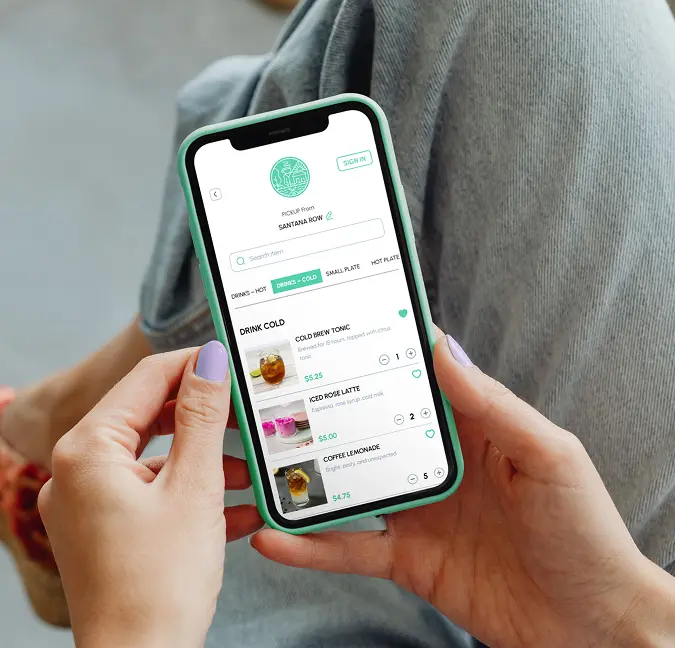
Restolabs gives restaurants a commission-free way to accept direct online orders, connect key systems, and keep ownership of customer data. For new openings, that means the restaurant can build a sales channel it controls—starting with food ordering while licensing is still in progress, then adding alcohol items once approvals are in place—instead of relying only on third-party marketplaces that take a cut of every order.
Final Checklist for Getting a Pennsylvania Liquor License
A Pennsylvania liquor license is one of those launch tasks that looks administrative until it starts affecting opening dates, menu decisions, staffing, and revenue. Restaurants that plan early have a better chance of avoiding last-minute delays—and a stronger path to serving guests as soon as approvals are in place.
Once licensing is underway, the next priority is the ordering experience. Restolabs helps restaurants prepare direct, commission-free online ordering so the business can start building customer relationships from the first order.
Disclaimer:
This article provides general information and should not be considered legal advice. Liquor license laws vary by state and municipality. Consult the Pennsylvania Liquor Control Board (PLCB), your local municipality, or a qualified legal professional for specific guidance on licensing requirements in Pennsylvania.
Team Restolabs is a group of hospitality tech experts, strategists, and innovators dedicated to helping restaurants thrive in the digital age. With deep expertise in branding, growth, product development, and restaurant technology, we provide insights on scaling, streamlining operations, and enhancing customer experience.
Frequently Asked Questions
In Pennsylvania, "liquor license" is the general term used by the PLCB for the authorization to sell or serve alcoholic beverages. "Alcohol license" is sometimes used interchangeably in casual conversation, but Pennsylvania law and the PLCB use "liquor license" as the official term. The specific permissions—beer only, wine and spirits, full liquor—depend on the license category (R, E, H, etc.) rather than the label used to describe it.
Timelines vary based on license type, county quota availability, documentation completeness, and whether a transfer is involved. A straightforward new application in a county with available licenses can take 3 to 6 months. In quota-limited counties where a transfer is required, the process can take 6 to 12 months or longer. Restaurant operators should factor this timeline into opening plans from the start.
PLCB filing fees for restaurant and eating place licenses typically range from $700 to $1,500. However, in quota-limited markets like Philadelphia and Allegheny County, acquiring an existing license through the secondary market can cost significantly more—sometimes tens of thousands of dollars—on top of legal fees and PLCB filing costs. Operators should verify current costs with the PLCB or a licensing professional.
Yes. Pennsylvania allows both person-to-person transfers (ownership change) and place-to-place transfers (location change), both subject to PLCB approval. In quota-limited counties, transferring an existing license is often the only way to obtain one. Buyers should conduct thorough due diligence on any license before purchase to confirm it is in good standing.
Most full-service restaurants need a Restaurant Liquor License (R License), which permits the sale of beer, wine, and spirits alongside food. Establishments focused primarily on beer service may use an Eating Place Retail Dispenser License (E License). The right choice depends on the restaurant's service model, alcohol offering, and location. Operators should confirm requirements with the PLCB before applying.
Yes. Pennsylvania requires a separate Sunday sales permit for licensees who want to sell alcohol on Sundays before a designated time. Operators planning brunch service or early Sunday openings should apply for the Sunday sales permit as part of the overall licensing process. Confirm current Sunday sales rules with the PLCB, as requirements can vary by license type.
Yes. A restaurant can prepare and launch food-only online ordering while alcohol licensing is still in progress. Restolabs helps restaurants set up direct, commission-free online ordering, menus, payment flows, and delivery workflows without requiring third-party platforms. Alcohol items can be added to the digital menu once the license is approved and in place.
.avif)
.avif)
.avif)




.webp)

.svg)
.webp)